Prep & Assembly
Docking
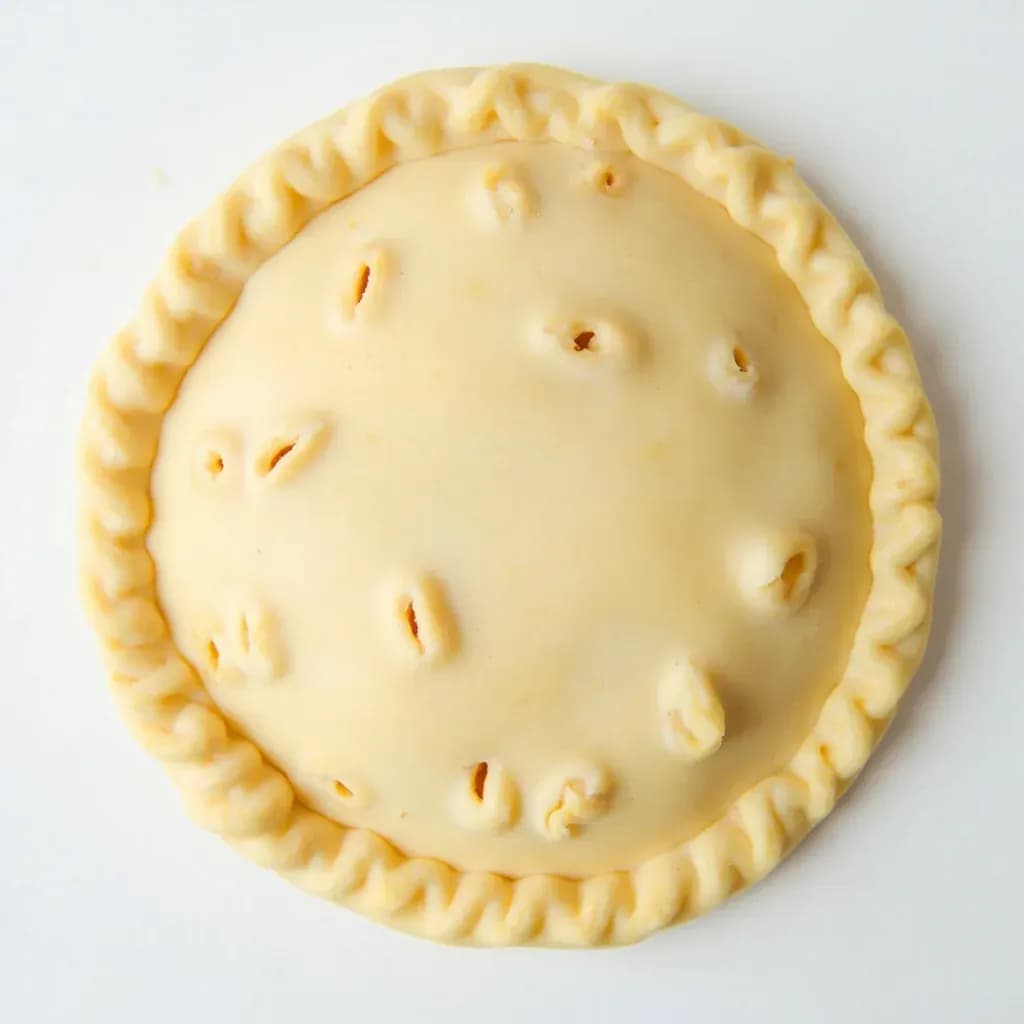
Pricking dough with holes to release steam and stop it from puffing up.
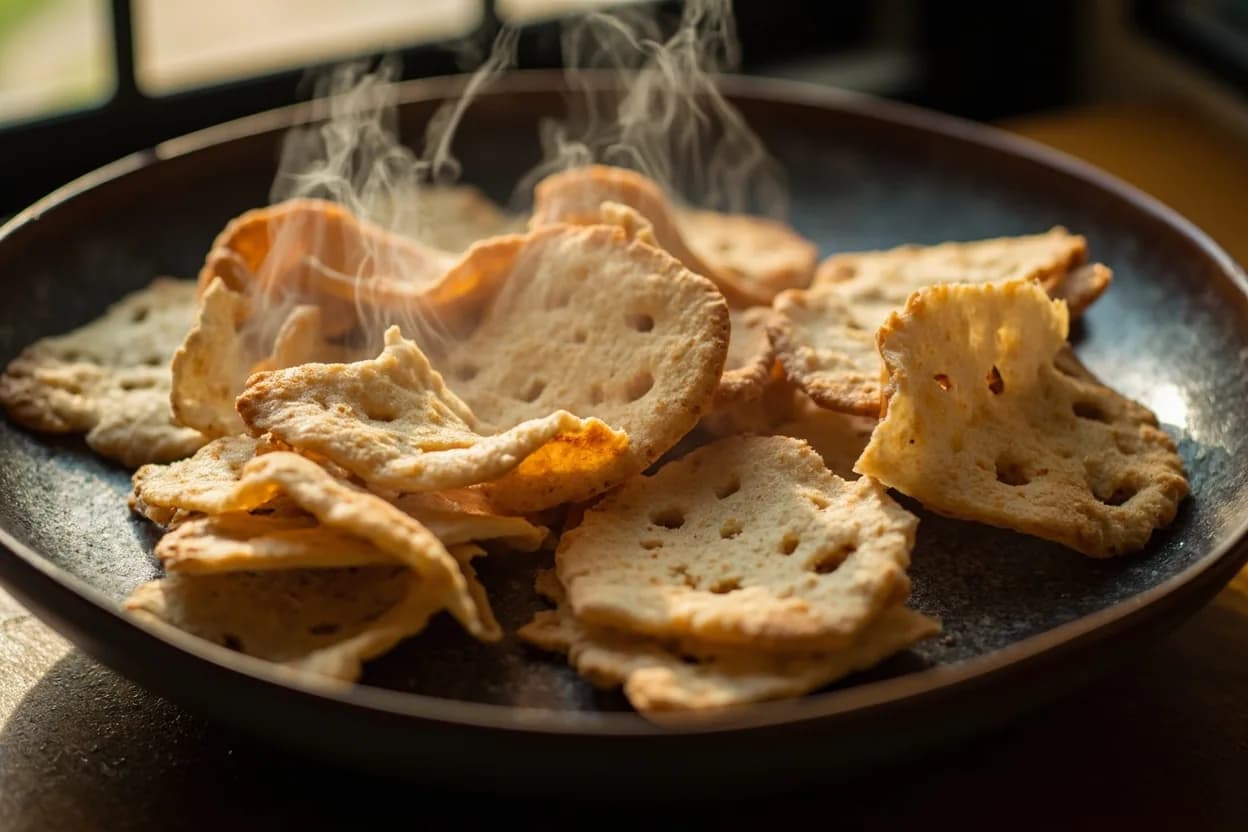
Docking pierces rolled-out dough with small holes, using a fork or a spiked docker, so trapped steam escapes during baking. It keeps pie crusts, crackers, and flatbreads from bubbling and lifting unevenly, ensuring a flat, crisp result. The technique is standard for blind-baked tart shells and for breads like focaccia that need controlled rise.
Docking is the simple step of piercing rolled or shaped dough with a regular pattern of small holes before baking. Its purpose is mechanical: as dough heats, moisture flashes to steam and any trapped air expands, and if neither has an escape route the dough balloons. The holes vent that pressure so the bake stays flat and even-textured rather than puffing unevenly or cracking along its weakest seams.
The technique matters most for doughs with no structural lift of their own — shortcrust, pâte sucrée, pizza, crackers, flatbreads — where flatness is the goal. Doughs that depend on trapped gas for rise (yeasted breads, puff pastry, choux) should not be docked, because the holes release the lift you worked to keep. For thick tart and pie shells, docking is almost always paired with pie weights during blind baking: the holes vent steam while the weights press the base flat so it can't rise.
Docking takes only seconds, yet it shapes the final texture and appearance of the bake. Done well, the base bakes crisp and level with an even crumb; done poorly — too shallow, too sparse, or after the dough has relaxed — it leaves large bubbles, warped bottoms, or a brittle, over-dried crust.
- Difficulty
- Easy
Types & varieties
Pressing the tines of a fork into the dough; the everyday home method, leaves a small pattern of holes.
A handheld cylinder studded with metal spikes; rolled across the dough for fast, even coverage — standard in pastry shops.
A single spiked wheel mounted in a handle, similar to a pastry or pizza cutter; good for tight control along edges and corners.
A fine-point spike tool for delicate work or very thin doughs where bigger holes would tear.
Used for spot-docking or small batches; harder to keep even spacing across a large sheet.
How to do it
- 1
Shape and chill the dough
Roll the dough to its final thickness and fit it into the pan or onto the sheet. If the dough is soft or warm, chill it 10–15 minutes so the docker will cut cleanly rather than drag or tear the surface.
- 2
Choose your tool
Use a pastry docker or docking wheel for speed and uniform holes, a fork for small jobs, or a needle or skewer for thin doughs. Dust a fork in flour if it sticks, or run it briefly under cold water.
- 3
Prick methodically across the surface
Work in rows, overlapping each pass slightly so no patch is missed. Press straight down — don't drag — until you feel the pan or sheet beneath. Aim for holes roughly 1–2 cm (½–¾ in) apart, covering the base and a small border of the sides.
- 4
Add pie weights if blind baking
For tart and pie shells, line the docked dough with parchment and fill with ceramic baking beans, dry rice, or sugar. The weights hold the base flat while the holes vent steam.
- 5
Bake as directed
Bake according to the recipe. For blind baking, remove the weights partway through and finish the bake so the base dries and colors. Skip the weights for pizza, flatbreads, and crackers — docking alone is enough.
- 6
Re-dock if needed
If large bubbles still rise during baking, prick them quickly with a skewer and press flat, or pull the sheet briefly from the oven to re-dock and return.
When not to dock
Docking is only useful on doughs where flatness is the goal and there is no gas you want to trap. On doughs that depend on expansion for their texture or structure, pricking is a destructive step.
- Yeasted breads, focaccia, and any dough where you want oven spring — the holes release the CO₂ that gives lift.
- Puff pastry — puncturing the layers defeats the lamination that produces the rise.
- Choux (éclair, profiterole, gougère paste) — it needs steam pressure to puff; docking makes it collapse.
- Croissant, brioche, and other enriched yeasted doughs — same reason as bread.
- Any dough where an uneven, bubbly surface is desirable for appearance or texture.
Common uses
Tips & pitfalls
- Skip docking on yeasted breads, focaccia, or any dough where you want oven spring — the holes release the gas you worked to develop.
- Dock AFTER the dough is fully shaped and in its pan; moving or re-fitting dough after docking distorts the holes and reseals the surface.
- Go all the way through to the pan, not just the top of the dough. Shallow pricks seal up as the dough heats and trap steam where you most need a vent.
- Space the holes about 1–2 cm (½–¾ in) apart; closer is fine, but farther leaves large bubbles between pricks.
- Combine with pie weights for fully blind-baked shells — docking alone won't prevent puff from a thick tart crust.
- Use a fork dipped in flour or run briefly under cold water to keep the dough from dragging up on the tines.
- Don't over-dock: excessive holes dry the bake out and make the base brittle and prone to cracking.
- Chill sticky dough 10–15 minutes before docking — cold dough pricks cleanly without sticking or tearing.
- For thin crackers, dock with a needle docker or fine skewer; a heavy fork can tear the sheet.
Good to know
- Also called
- Pricking
- Primary tools
- Pastry docker (spiked roller), fork, docking wheel, skewer
- Typical doughs
- Shortcrust, pâte sucrée, pizza, flatbreads, crackers, blind-baked tart and pie shells
- Purpose
- Vents steam and trapped air so dough bakes flat instead of puffing
- When done
- After the dough is fully shaped and fitted, just before baking
- Time required
- A few seconds to a couple of minutes per piece
- Difficulty
- Beginner
- Pairs with
- Pie weights / baking beans for blind baking
Also called
Pricking · Forking Dough
Dishes that rely on it
Related

Whisk
Beat ingredients smooth and aerated with a looping wire motion

Sift
Pass dry ingredients through mesh to aerate and remove lumps

Strain
Pour through mesh to separate solids from liquid for a smooth result

Filter
Pass liquid through fine material to clarify out the smallest particles

Rice
Press cooked potatoes through small holes for fluffy, lump-free texture

Mash
Crush soft cooked food into a rustic, creamy purée

Grind
Crush food into a coarse to fine texture, from spices to meat

Grate
Shred food into fine bits against a sharp-toothed surface