Heat & Fire
Griddle Searing (a la Plancha)
Searing food on a flat, very hot metal griddle for a fast, even crust.
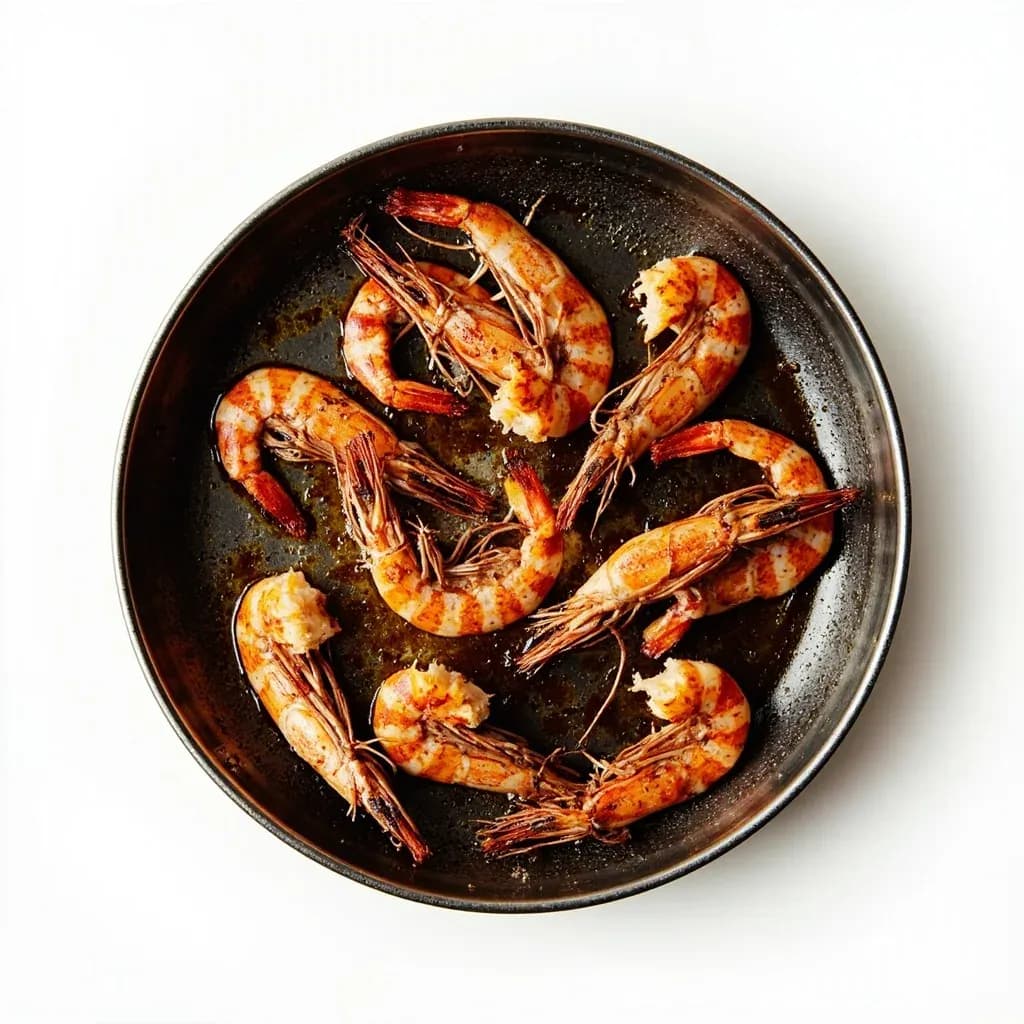
Griddle searing cooks food on a flat, intensely heated metal plate (a plancha) that gives full-surface contact for rapid, even browning. It is the Spanish a la plancha method used for prawns, fish, vegetables, and thin meats, prized for a clean sear without the grease of deep-frying. The smooth surface also lets cooks spread or press batters and small items flat for maximum crust.
A la plancha is the Spanish art of searing food on a thick, flat metal plate that sits directly over the heat source, with no grates, no open flame, and no pan wall in the way. The defining trick is that fat rendered from the food pools on the hot surface and shallow-fries the underside while the contact zone sears, producing the thin, even, deeply browned crust the technique is named for. Because the plate is ungrated, the cook gets a uniform color across the entire face of the food and a quiet, almost smoke-free kitchen.
The method is forgiving on timing but unforgiving of an underheated surface or a wet protein. Get the plate genuinely hot, dry the food, oil the food rather than the plate, and lay the pieces down with breathing room — then leave them alone until they release on their own. The same principle, applied to thinner American cookware at lower temperatures, is what kitchens call griddling; the Spanish plancha is griddle searing taken to its highest expression, and it works as beautifully for a slice of bread rubbed with tomato as it does for a thick cut of fish.
- Difficulty
- Easy
Types & varieties
Thick rolled or forged carbon-steel plate, the classic form; heats evenly, holds high temperature, and requires seasoning.
Common in modern Spanish restaurants; smoother surface, easier cleaning, slightly lower heat retention than bare steel.
American and stovetop equivalent; very high heat retention but slower to come up to temperature; doubles as a plancha over a wide burner or grill.
Spanish grill with an inset flat plate alongside the grates, used to cook smaller items such as gambas and pimientos away from direct flame.
Japanese cousin built around the same flat-plate principle, often set into the dining table; leans more heavily on butter and sauces.
Mexican thin cast-iron or clay griddle used for tortillas and chiles; same method but traditionally run at moderate, not searing, temperatures.
How to do it
- 1
Preheat the plancha
Place the steel or cast-iron plate over high heat and leave it for 5–10 minutes until a drop of water flicked onto the surface beads, skitters, and evaporates in under a second. The plate should be hot enough that you can feel radiant heat from 30 cm away. An under-heated plancha steams rather than sears, and nothing downstream fixes that.
- 2
Prepare the food
Pat the protein or vegetables thoroughly dry with a clean cloth or paper towel. Season with fine sea salt just before cooking — salting in advance draws out moisture that prevents crust formation. Brush a thin film of high-smoke-point oil or light olive oil onto the surface of the food, not onto the plate.
- 3
Lay the food down and do not move it
Place each item flat on the plate with at least 1 cm of space around it so the surface temperature holds. Press lightly so full contact is made. Resist the urge to shift or peek; the Maillard crust needs uninterrupted contact with the hot metal to form.
- 4
Wait for the release
After 1–3 minutes, the sizzle will quieten and the food will loosen on its own when nudged with a spatula. That release is the cue to flip. If it resists, give it another 30 seconds; forcing it tears the crust and leaves it on the plate.
- 5
Flip once and finish
Turn the item with a rigid slotted or fish spatula held low to the plate. Cook the second side for roughly the same time on thin pieces, less on thick cuts. Baste with butter, garlic, or herbs only in the final 30 seconds — earlier and the milk solids scorch.
- 6
Rest and serve a la plancha
Transfer proteins to a warm plate and rest 2–5 minutes. Finish with a drizzle of raw extra-virgin olive oil, a squeeze of lemon, and flaky salt — the traditional Spanish finish that defines the style. Deglaze the hot plate with a splash of stock, wine, or sherry and spoon the juices over, or save them for a quick pan sauce.
What it is — and what it isn't
A la plancha is most easily understood by ruling out the techniques it gets confused with. It is not grilling: there are no grates, no smoke, and no flare-ups from dripping fat, so the food tastes of itself rather than of char. It is not sautéing: nothing is tossed in a pan with a small amount of fat over moderate heat; the food sits still and the fat renders out beneath it. And it is not broiling, because there is no overhead radiant element — the heat arrives entirely through direct contact with a hot plate. The defining trait is that the rendered fat pools on a very hot, flat surface and shallow-fries the underside while the contact zone sears, which is what produces the characteristic thin, even, deeply browned crust the technique is named for.
The release — the cook's real cue
The most important sensory signal in plancha cooking is the moment the food releases from the plate on its own. When the Maillard crust has formed and the protein has contracted slightly, the bond with the metal breaks and a spatula nudges the piece freely. A cook who flips too early tears the crust and leaves it stuck to the plate; a cook who waits for that release almost never does. Trust the sizzle quieting down and the spatula sliding under cleanly — both are more reliable than the clock.
Common uses
Tips & pitfalls
- Preheat until a drop of water skitters across the surface and evaporates in under a second; an under-heated plancha steams rather than sears and no amount of time fixes it.
- Pat proteins completely dry and salt just before they hit the plate — salting in advance draws out moisture that prevents crust formation.
- Oil the food, not the plate; a thin brushed film is enough, and the food's own rendered fat will lubricate the rest of the cook.
- Do not move or flip the item until it releases on its own; the crust will let go when it is ready to turn, and forcing it tears the sear.
- Leave at least 1 cm of space between pieces — crowding drops the plate temperature and steams everything in its own juices.
- Use a rigid metal spatula held low to the plate to get under the crust without tearing it; a flexible fish turner works for delicate fillets.
- For thicker cuts, finish on a cooler zone of the plate or transfer to a low oven; the plancha gives the crust, the oven carries the interior to temperature without overcooking the outside.
- Deglaze the hot plate at the end of service with a splash of stock, wine, or sherry to capture the fond for a quick pan sauce — that fond is the flavor of the sear.
Good to know
- Origin
- Spain; the term plancha (literally 'plate' or 'iron') is rooted in Basque and broader Spanish cooking, with documented use from at least the 19th century.
- Cooking surface
- Thick, flat metal plate — typically rolled or cast carbon steel, sometimes chrome-plated — with no grates or open flame contacting the food.
- Typical surface temperature
- 400–500 °F / 200–260 °C for most searing; can exceed 550 °F / 290 °C for fast crust work on thin items.
- Distinctive feature
- Rendered fat pools on the hot plate and shallow-fries the underside of the food while the contact side sears.
- Heat sources
- Gas, electric, or wood-fired beneath the plate; charcoal planchas (parrillas con chapa) are traditional in Spain.
- Recommended oil
- High-smoke-point oil or light olive oil brushed on the food; butter burns quickly and is added only at the very end.
- Average cook time
- 30 seconds to 4 minutes per side for most items; longer for thick steaks or whole fish.
- Difficulty
- Moderate — forgiving on timing but unforgiving of an underheated surface or wet protein.
- Seasoning
- Carbon-steel and cast-iron plates benefit from the same thin-oil seasoning routine as a skillet, baked on to build a patina and prevent sticking.
Also called
A la Plancha · Plancha Grilling · Flat-Top Searing
Dishes that rely on it
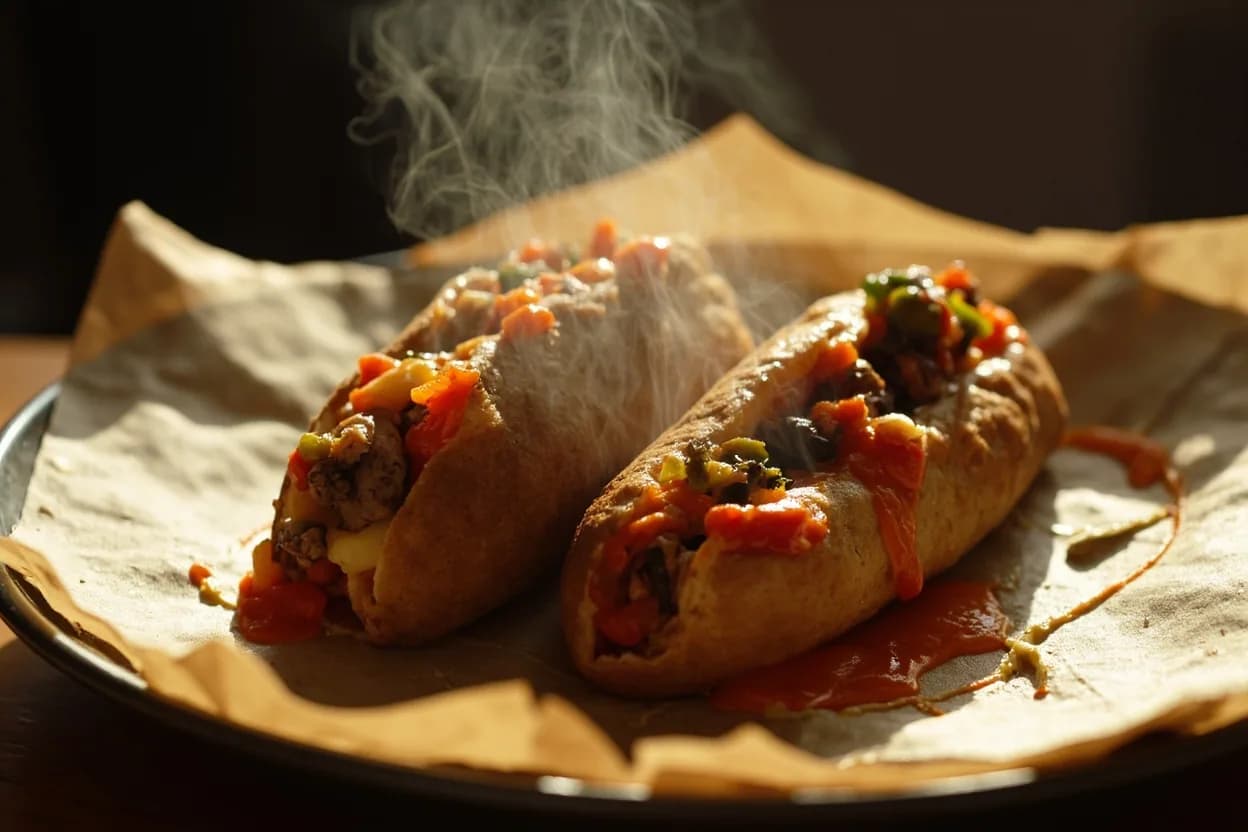
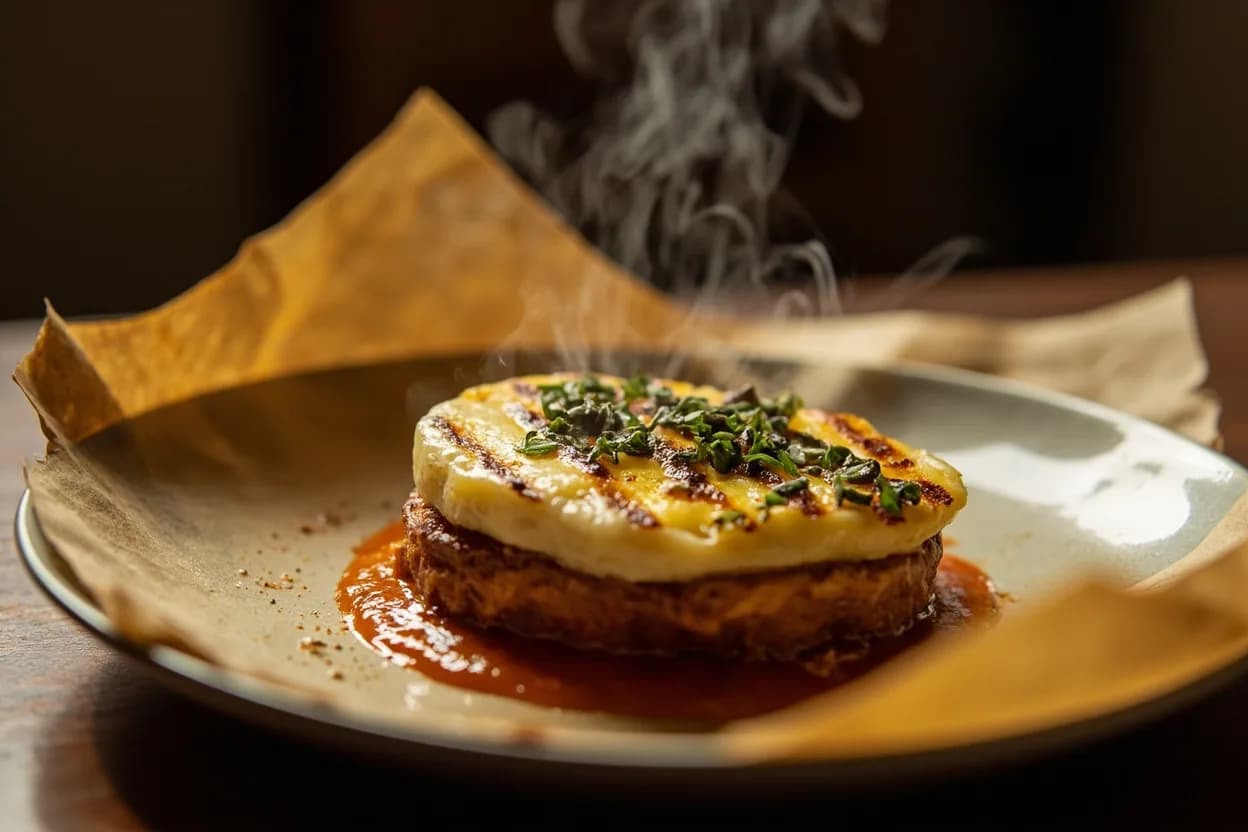
Related

Sear
Blast the surface hot for a deep-browned, savory crust

Sauté
Cook quickly in a little fat over lively heat, tossing as you go

Stir-Fry
Toss bite-sized pieces over roaring heat for fast, smoky cooking

Pan-Fry
Crisp food in a shallow layer of hot fat, turning once or twice

Deep-Fry
Submerge in hot oil for an all-over crackling crust

Roast
Cook uncovered in dry oven heat for browned edges and tender centers

Bake
Cook with steady, surrounding oven heat — the soul of bread and pastry

Broil
Hit food from directly above with fierce overhead heat