Heat & Fire
Deglazing With Wine
Loosening browned pan bits with wine to build a quick, flavorful sauce.
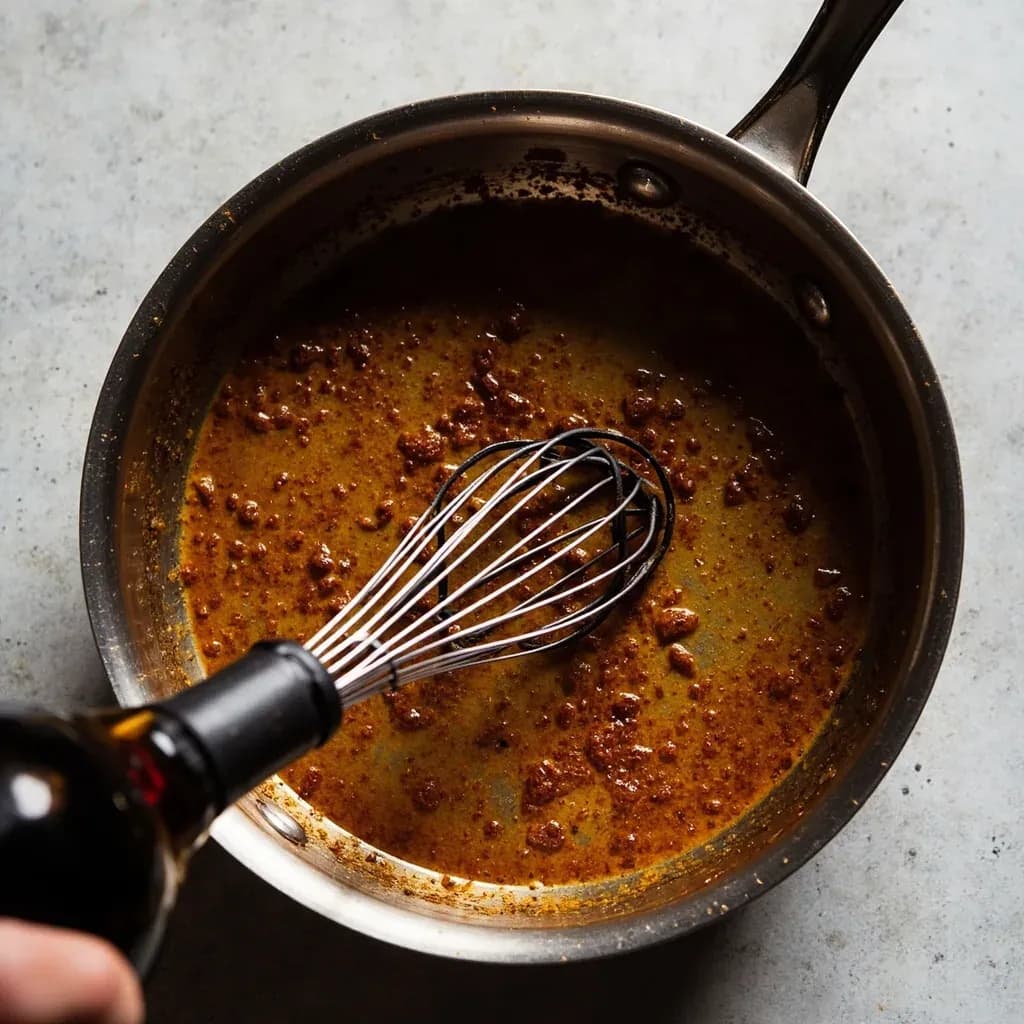
Deglazing pours wine, cider, or stock into a hot pan after searing to dissolve the caramelized browned bits, called fond, stuck to the bottom. Scraping while the liquid bubbles lifts that concentrated flavor into a sauce base. Wine also adds acidity and aroma, and the alcohol largely cooks off as the liquid reduces; it is a standard first step toward pan sauces.
Deglazing with wine means pouring a splash of wine into a hot pan that has just held a seared or roasted ingredient, then scraping and reducing that liquid to dissolve the browned, caramelized deposits — the fond — clinging to the metal. Those deposits are flavor in its most concentrated form: they hold Maillard-reaction products, fat-soluble aromatics, and meat juices that have bonded to the pan's surface during high-heat cooking. Wine is uniquely good at lifting them because it carries water, alcohol, and acid — three solvents that together release what water, broth, or fat alone cannot.
The step matters because it is the bridge between two moments every cook faces: a beautifully crusted piece of meat or a forest of sautéed mushrooms, and a finished sauce. Without deglazing, the pan is wasted; with it, the pan becomes the sauce. The classical French sauce canon — bordelaise, chasseur, au poivre, fricassée, matelote — is built on this technique, and so is the modern weeknight pan sauce, the jus poured over a Sunday roast, and the first splash in a risotto.
The behavior of wine in a hot pan is worth understanding before you pour. Cold wine drops the pan's surface temperature, giving you a brief window to scrape before a rolling boil sets in. As the wine returns to a simmer, ethanol boils off at around 78 °C / 173 °F, taking the raw, sharp alcohol edge with it; a reduction of roughly half concentrates the fruit and the dissolved fond into something that tastes like the roast itself. Skipping the reduction, or using the wrong wine, are the two most common ways a pan sauce goes wrong.
- Difficulty
- Easy
Types & varieties
Classic for seared beef, lamb, duck, and mushrooms. Cabernet, Merlot, Pinot Noir, Syrah, and Chianti all work; reduces into a bordelaise-style sauce when finished with stock and butter.
Used for poultry, pork, veal, fish, and shellfish. Dry whites — Sauvignon Blanc, Pinot Grigio, unoaked Chardonnay, dry Vermouth — keep sauces pale and bright. The most common everyday application.
Marsala (chicken and veal Marsala), dry Sherry, Madeira, and Port. Higher alcohol and oxidized complexity deliver concentrated depth from a smaller volume; reduce further to a syrup.
A usable stand-in for still white when you have an open bottle. Brut (dry) styles work best; the dissolved CO₂ slightly aerates the finished sauce.
A middle-ground option for pork, duck breast, or tomato-based pan sauces. Rarely traditional but effective in a pinch.
How to do it
- 1
Pull the protein, pour off excess fat
Transfer the seared or roasted item to a plate to rest. Tilt the pan and spoon off all but about 1 tablespoon of fat (2 tablespoons for a large skillet). Leave the fond and a little fat behind — the fat carries fat-soluble aromatics into the sauce.
- 2
Sweat aromatics in the remaining fat (optional)
Return the pan to medium heat. Add minced shallot, garlic, mushrooms, or fresh herbs and cook 30–90 seconds until softened and fragrant, stirring them into the fond. This is also the moment to bloom tomato paste or dry spices if the recipe calls for them.
- 3
Pour in the wine off the heat
Remove the pan from the burner and add the wine — typically 60–250 ml, enough to cover the pan base by about 5 mm. Off-heat addition prevents a flare-up and gives the cold wine a moment to start dissolving the fond before the boil sets in.
- 4
Return to heat and scrape the fond
Set the pan over medium-high heat. As the wine comes to a simmer, scrape the bottom firmly with a flat-edged wooden spoon or rigid spatula, working the liquid into every browned patch until the pan base looks clean and the wine is cloudy with dissolved fond.
- 5
Reduce the wine
Simmer until the wine has reduced by roughly half (or to a light syrup for fortified wines). You should smell fruit and pan aromas on the steam, not sharp ethanol. This step concentrates flavor and mellows the raw alcohol edge.
- 6
Build the sauce
Add stock, demi-glace, cream, mustard, or pan drippings according to the dish. Simmer 2–5 minutes more to reach the desired consistency, then adjust seasoning with salt and pepper.
- 7
Finish and mount
Off the heat, swirl in cold butter cubes for gloss and body (monter au beurre), or finish with a small splash of vinegar or lemon for brightness. Strain through a fine sieve for a smooth sauce, or leave it rustic with the shallots intact. Spoon over the rested protein immediately.
Matching the wine to the dish
The single most useful rule in deglazing is that the wine should be something you would drink with the finished plate. Red wines bring tannin and dark fruit, so they belong with red meat, duck, mushrooms, and anything roasted until deeply browned. White wines bring acidity and bright fruit, so they belong with poultry, pork, veal, fish, shellfish, and cream-based sauces where a red would muddy the color. Fortified wines — Marsala, Madeira, Sherry, Port — are not just stronger in alcohol; their controlled oxidation gives them roasted, nutty, dried-fruit notes that read as deeper and more complex from a smaller splash. If the dish is delicate, the wine should be delicate; if the dish is already rich and dark, the wine can carry more weight, but it should never be sweeter than the dish it joins.
- Red meat, duck, mushrooms → red wine (Cabernet, Merlot, Pinot Noir, Syrah, Chianti)
- Poultry, pork, veal, fish, shellfish → dry white (Sauvignon Blanc, Pinot Grigio, dry Vermouth, unoaked Chardonnay)
- Concentrated, smaller-volume sauces → fortified (Marsala, dry Sherry, Madeira, Port)
- Anything tomato-based → dry white or rosé, never sweet wine
Why reduction matters
Wine straight from the bottle tastes of alcohol and sourness; wine reduced by half tastes of fruit and the dish you just cooked. The ethanol in wine boils at about 78 °C / 173 °F, well below water, so a brief simmer drives off most of the harshness while leaving the water, the acid, and the aromatic compounds behind. A useful gauge: when you can no longer smell ethanol on the steam and the liquid has thickened enough to coat the back of a spoon, the wine is ready to receive stock, cream, or butter. Under-reduced wine will make a finished sauce taste raw; over-reduced wine will make it taste jammy and acidic. The middle is what you want.
Common uses
Tips & pitfalls
- Pull the pan off the heat for 30–60 seconds before pouring in wine if the fond is scorched-black; a burnt fond will make the sauce bitter no matter how long you reduce it.
- Use a wine you would happily drink — the bottle's character survives into the sauce, including its flaws.
- Add shallots, garlic, or mushrooms to the fat first and soften them before the wine goes in; they bloom in the fat and deglaze together for a deeper base.
- Reduce the wine by at least half (often two-thirds) before adding stock or cream; this cooks off the raw, sharp alcohol edge.
- Cold wine reduces more controllably than room-temperature wine because the pan's temperature drops on contact, giving you a beat to scrape before the liquid boils.
- For a thicker sauce, finish with cold cubes of butter mounted in by swirling rather than flour or cornstarch — gloss and roundness without cloudiness.
- Deglaze in the same pan you cooked in; transferring the fond to a saucepan wastes flavor and leaves the best bits stuck in the first pan.
- If the sauce tastes flat, a final squeeze of lemon or a few drops of vinegar restores brightness; if it tastes sharp, butter or cream rounds it.
- Avoid nonstick pans for deglazing — they don't develop enough fond to be worth the effort.
- Tilt the pan so the wine pools in one spot and boils faster, exposing more of the surface for scraping.
Good to know
- Technique type
- Wet-heat pan sauce base / fond release
- Origin
- Classical French cuisine; codified in 19th-century sauce work (Carême, Escoffier)
- What it acts on
- Fond — the browned Maillard-reaction deposits stuck to the pan (forms ~140–165 °C / 285–330 °F)
- Why it works
- Wine's water, alcohol, and acidity dissolve both fat- and water-soluble flavor compounds in the fond
- Typical amount
- About 60–250 ml (¼–1 cup), enough to cover the pan base by ~5 mm
- Reduction target
- Reduce wine by roughly half (or to a syrup for fortified wines) before adding stock or finishing liquids
- Pan material
- Stainless steel, carbon steel, or cast iron; nonstick holds too little fond to be worth the effort
- Wine to use
- Dry, drinkable table wine; never salted "cooking wine"
Also called
deglazing-cider · deglazing
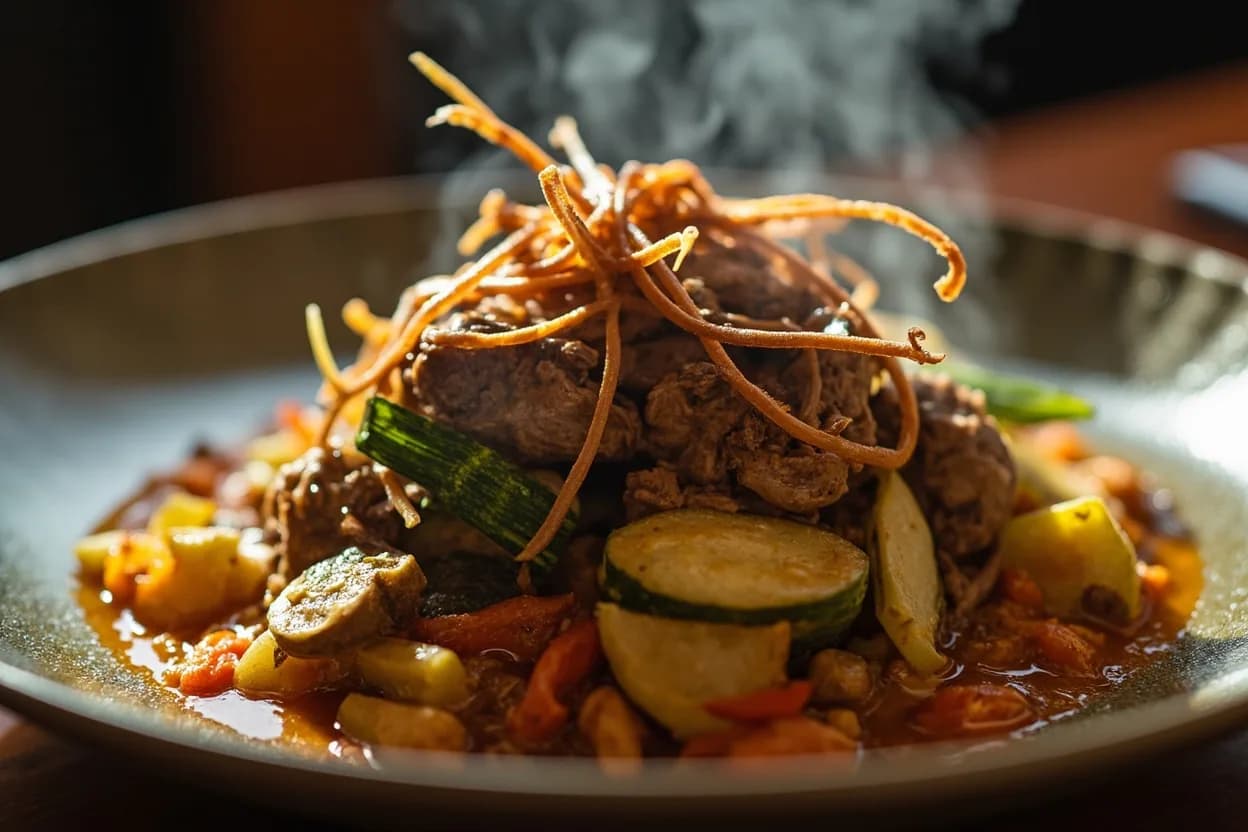
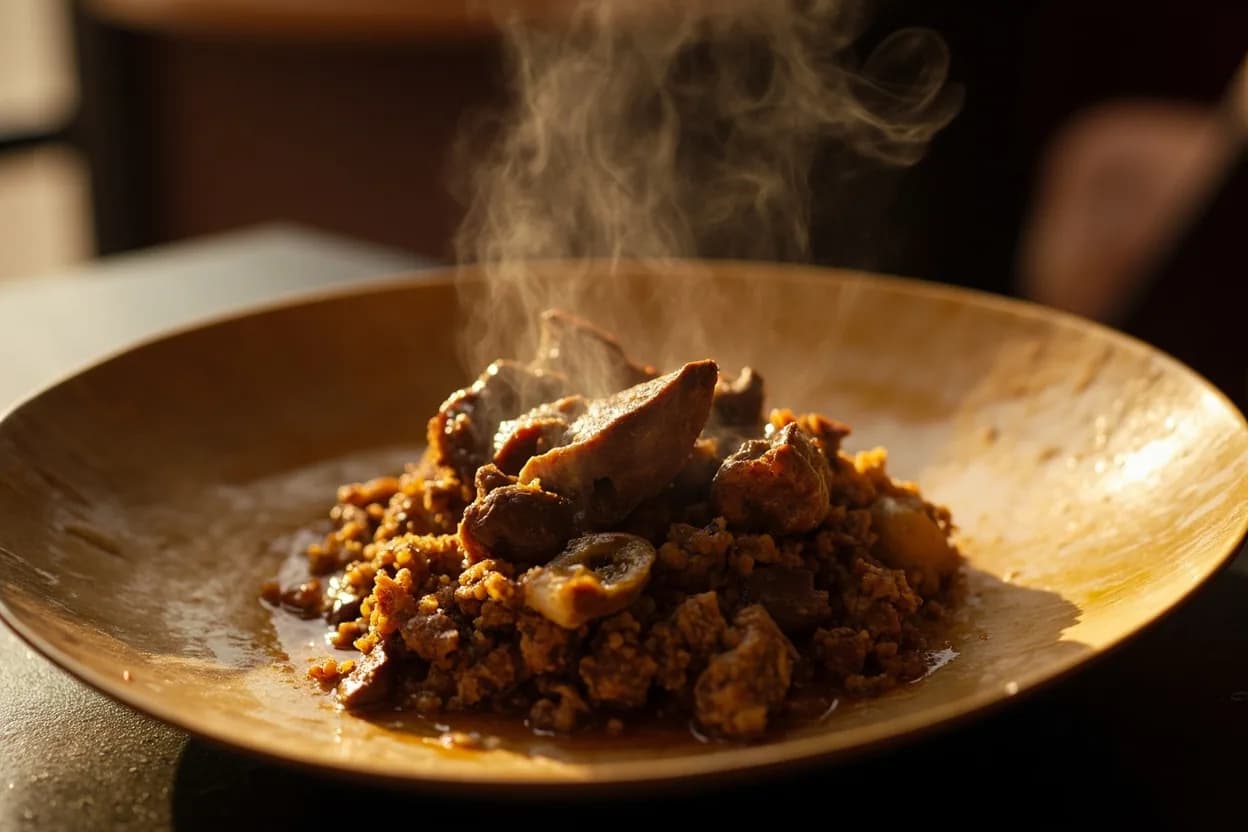
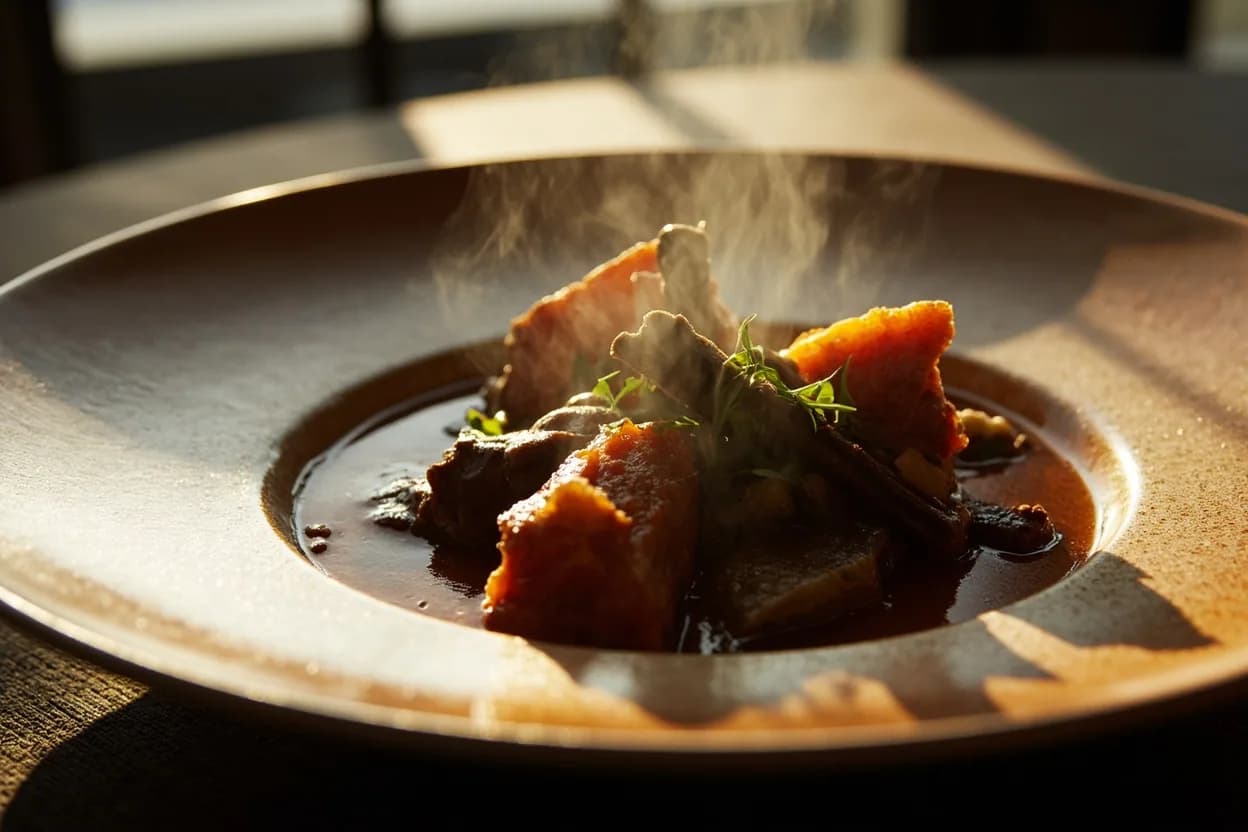
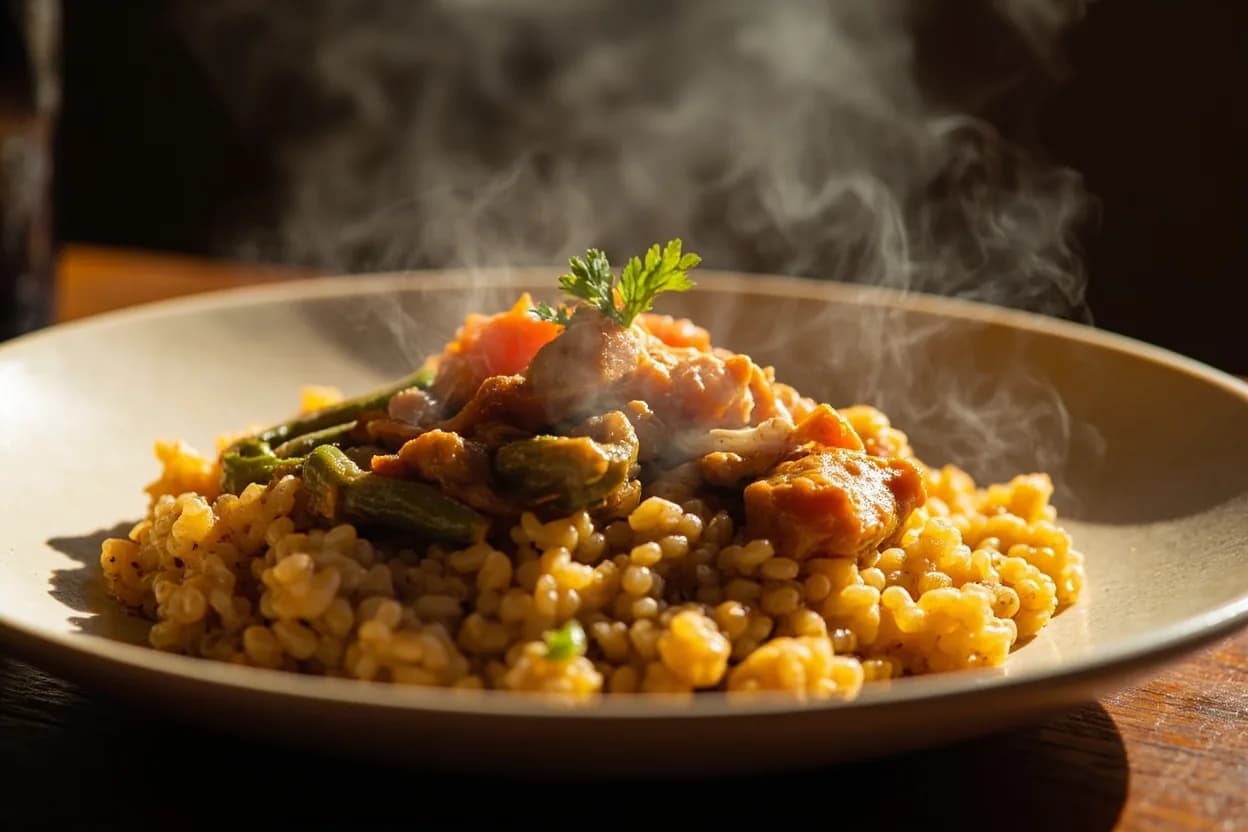
Dishes that rely on it
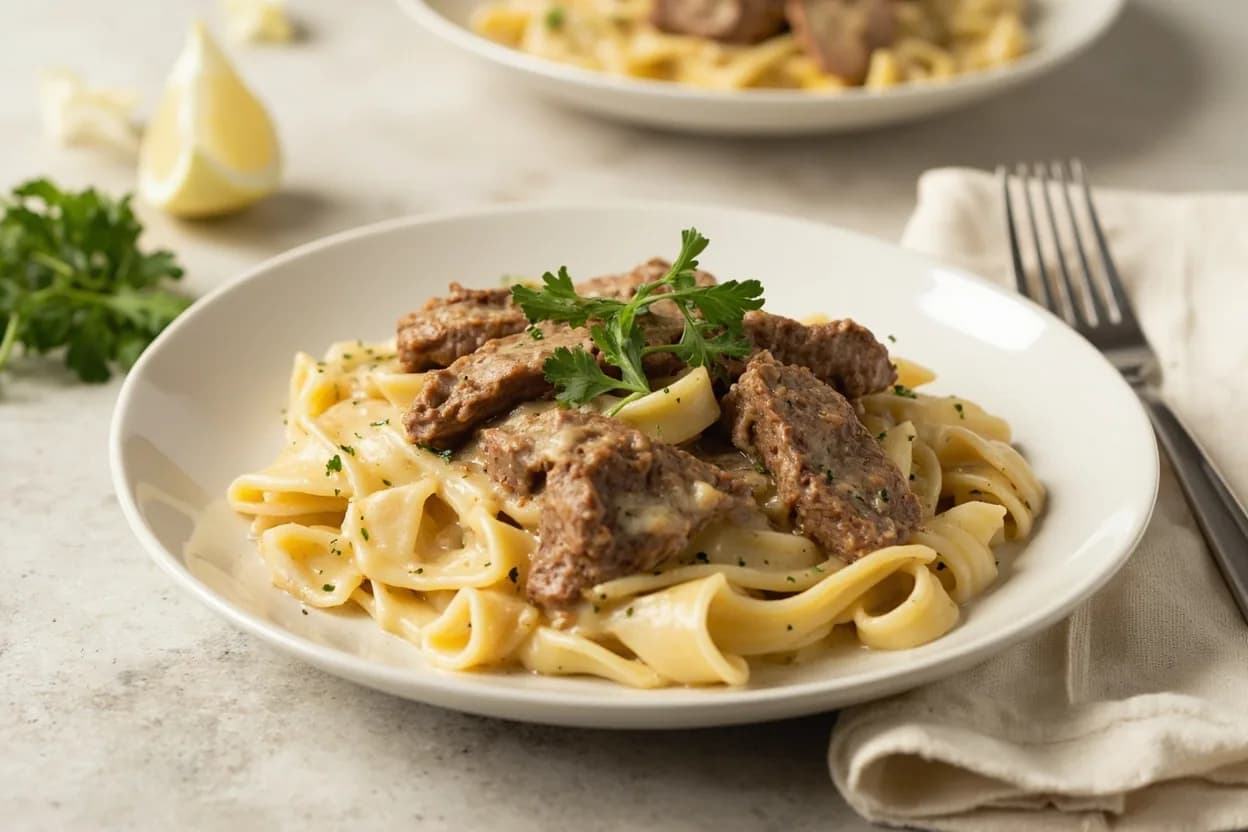
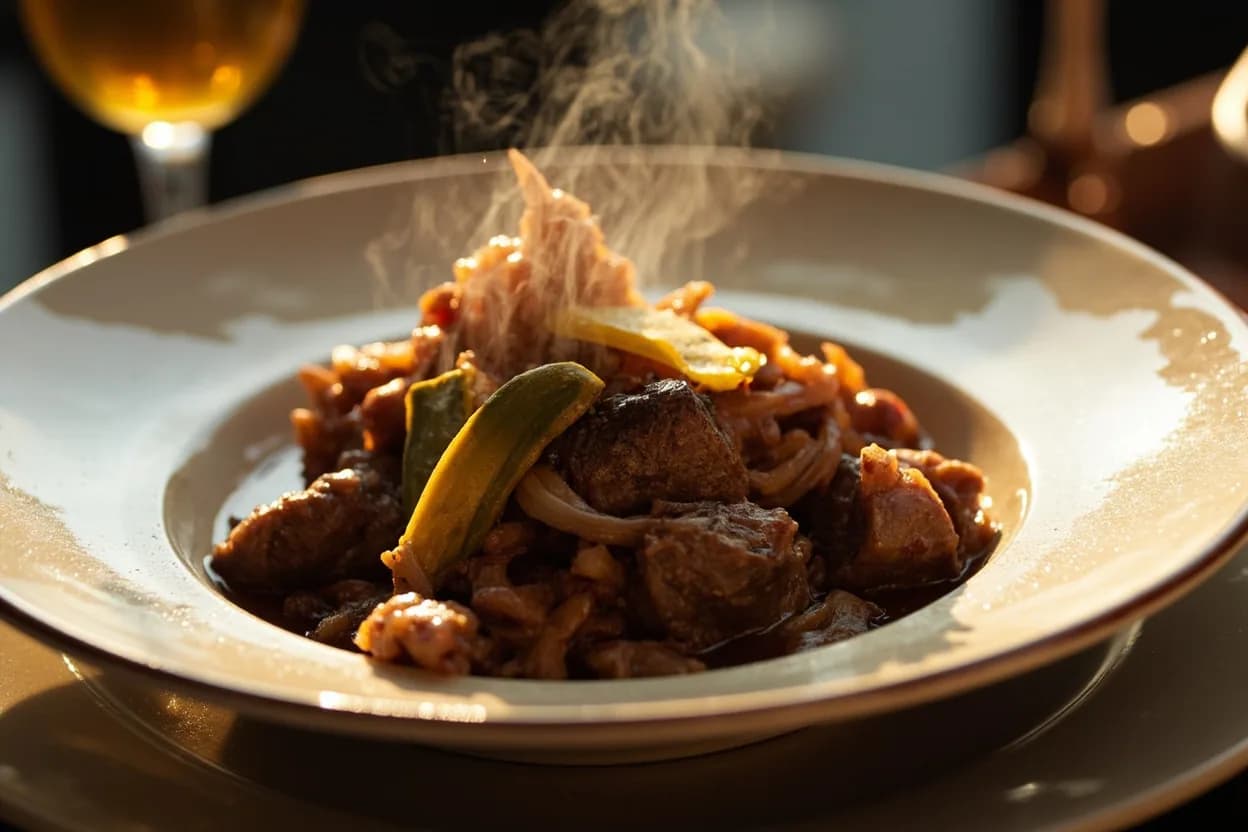
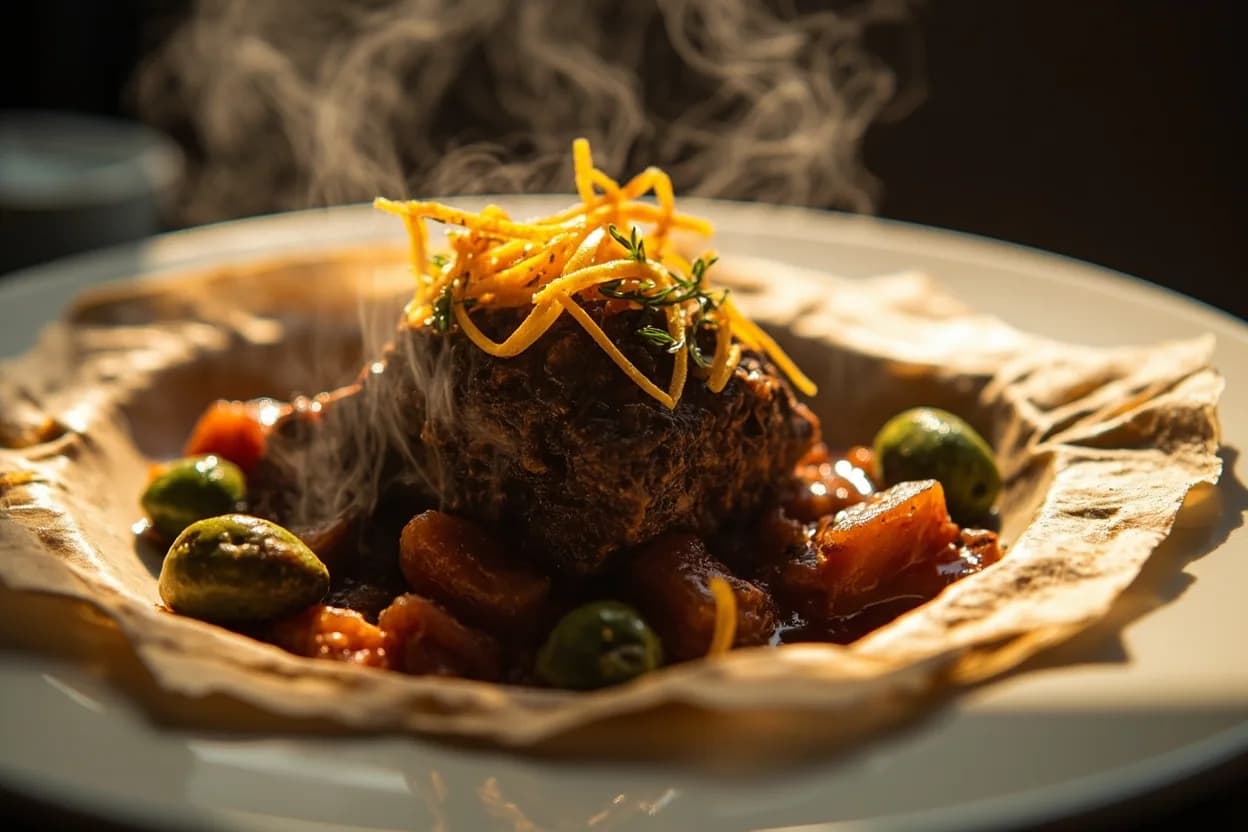
Related

Sear
Blast the surface hot for a deep-browned, savory crust

Sauté
Cook quickly in a little fat over lively heat, tossing as you go

Stir-Fry
Toss bite-sized pieces over roaring heat for fast, smoky cooking

Pan-Fry
Crisp food in a shallow layer of hot fat, turning once or twice

Deep-Fry
Submerge in hot oil for an all-over crackling crust

Roast
Cook uncovered in dry oven heat for browned edges and tender centers

Bake
Cook with steady, surrounding oven heat — the soul of bread and pastry

Broil
Hit food from directly above with fierce overhead heat