Water & Steam
Caldero Rice Steaming
Cooking rice in a heavy aluminum caldero so it steams to fluffy grains with a prized crisp bottom layer.
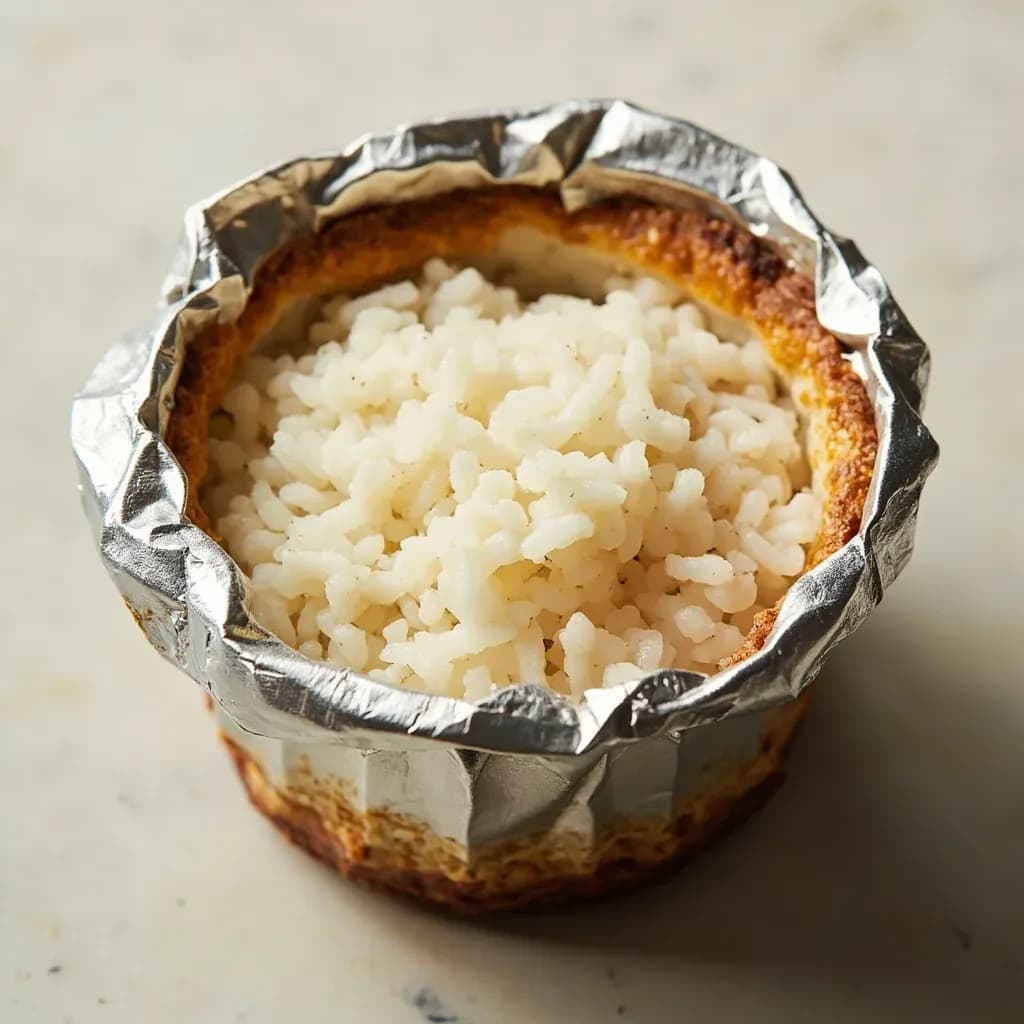
Caldero rice steaming uses the thick, heat-retaining aluminum pot traditional to Puerto Rican kitchens to cook rice. Liquid is absorbed and the rice finishes by steaming under low heat with the lid on, while the bottom develops the coveted toasted crust called pegao. The caldero's even heat distribution is what makes both the fluffy grains and the crisp base possible.
Caldero rice steaming is the technique at the heart of Puerto Rican home cooking: rice is sautéed in a seasoned fat, brought to a boil with water or broth in a heavy aluminum caldero, then covered and steamed at the lowest possible heat until every grain is tender and a golden, crisp crust — the pegao — has formed on the bottom of the pot. The caldero itself is the unsung hero. Its heavy, often disc-bottomed aluminum construction stores more thermal energy than a thin saucepan, releases that heat gently and evenly during steaming, and creates the consistent hot surface the rice needs to form pegao without scorching in patches. The result is rice that is at once fluffy and aromatic on top, deeply savory in the middle, and crackling-crisp where it meets the metal.
What distinguishes the technique from a standard American stovetop rice method is the hybrid sequence: a dry toast of the rice in seasoned fat, a hard boil to build steam under the lid, then a long, undisturbed steaming at almost no heat. The toasted, fat-coated grains resist gumminess; the boil generates the steam that actually cooks the grain; and the heavy base, working in tandem with a tight lid, finishes the rice on residual heat while slowly dehydrating the bottom layer into pegao. Because so little moisture escapes the pot, caldero rice can be made with as little as 1.5 parts liquid to 1 part rice — meaningfully less than the 2:1 ratio most rice cookers or thin pots require.
The technique is forgiving once heat control is mastered, and the same caldero that sears chicken, renders pork, or blooms sofrito early in the session will steep the rice in its own aromatic steam minutes later — layering flavors a rice cooker cannot replicate. Whether the cook is making a weeknight arroz con habichuelas or a holiday arroz con gandules for a crowd, the discipline is identical: preheat, toast, boil hard, drop to minimum, leave the lid alone, and rest.
- Difficulty
- Medium
Types & varieties
The simplest expression of the technique — sofrito, oil, rice, water, and salt — served as a side for nearly any Caribbean meal.
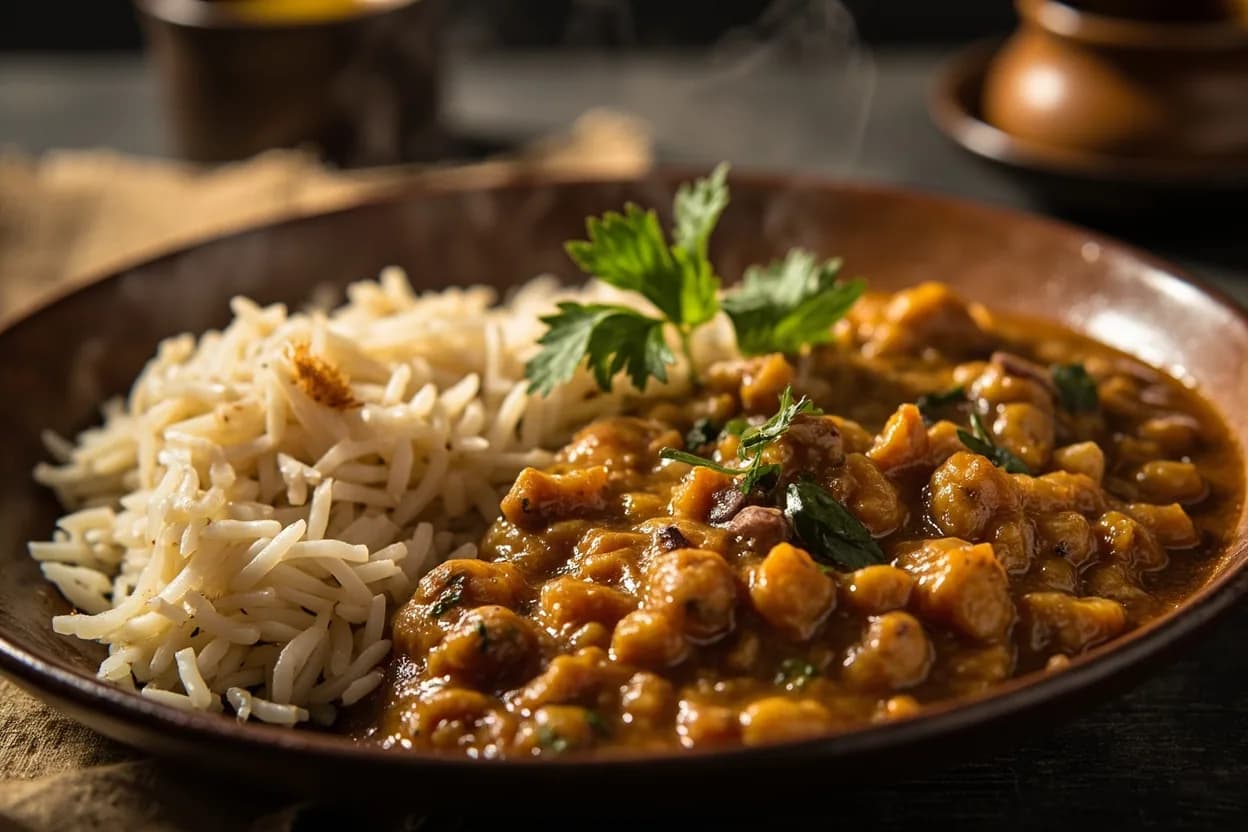
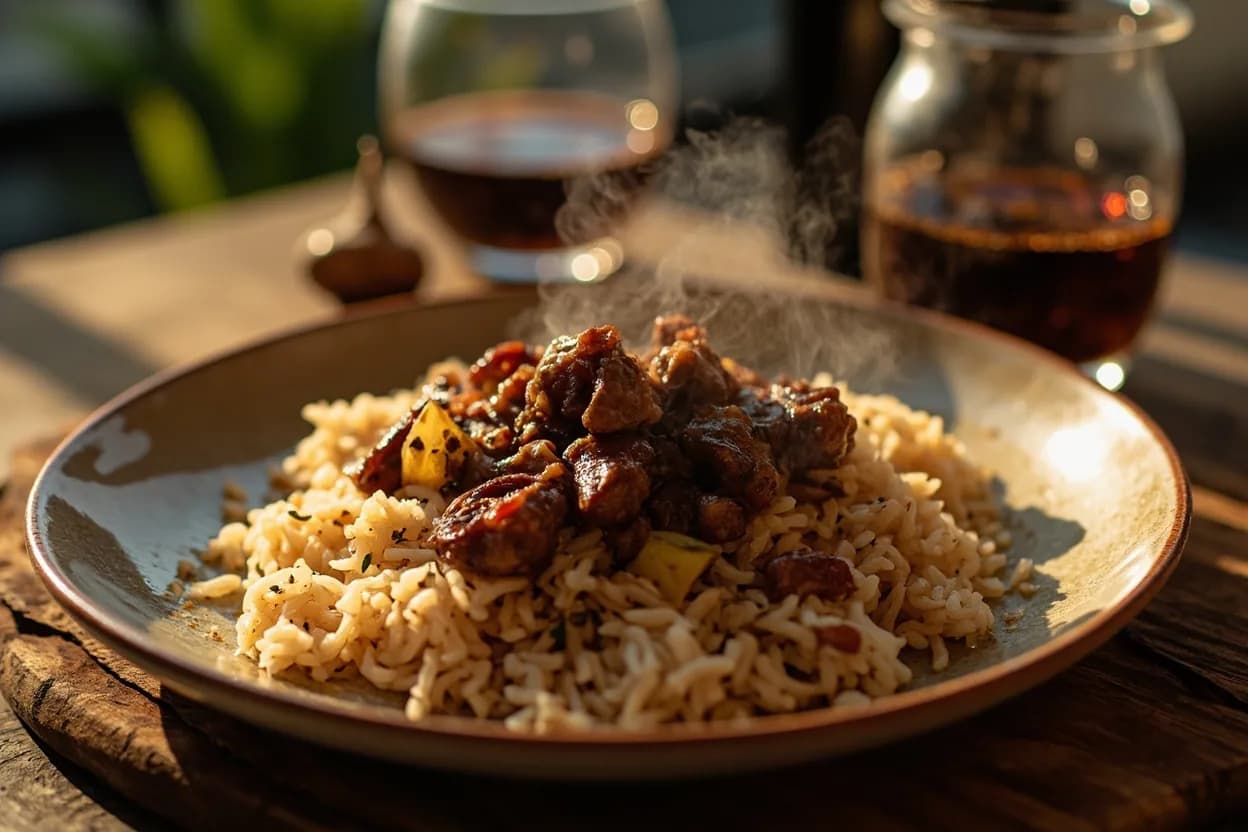
Rice steamed with pigeon peas, ham, and sofrito; the iconic Puerto Rican holiday dish, served at Thanksgiving, Christmas, and Nochebuena.
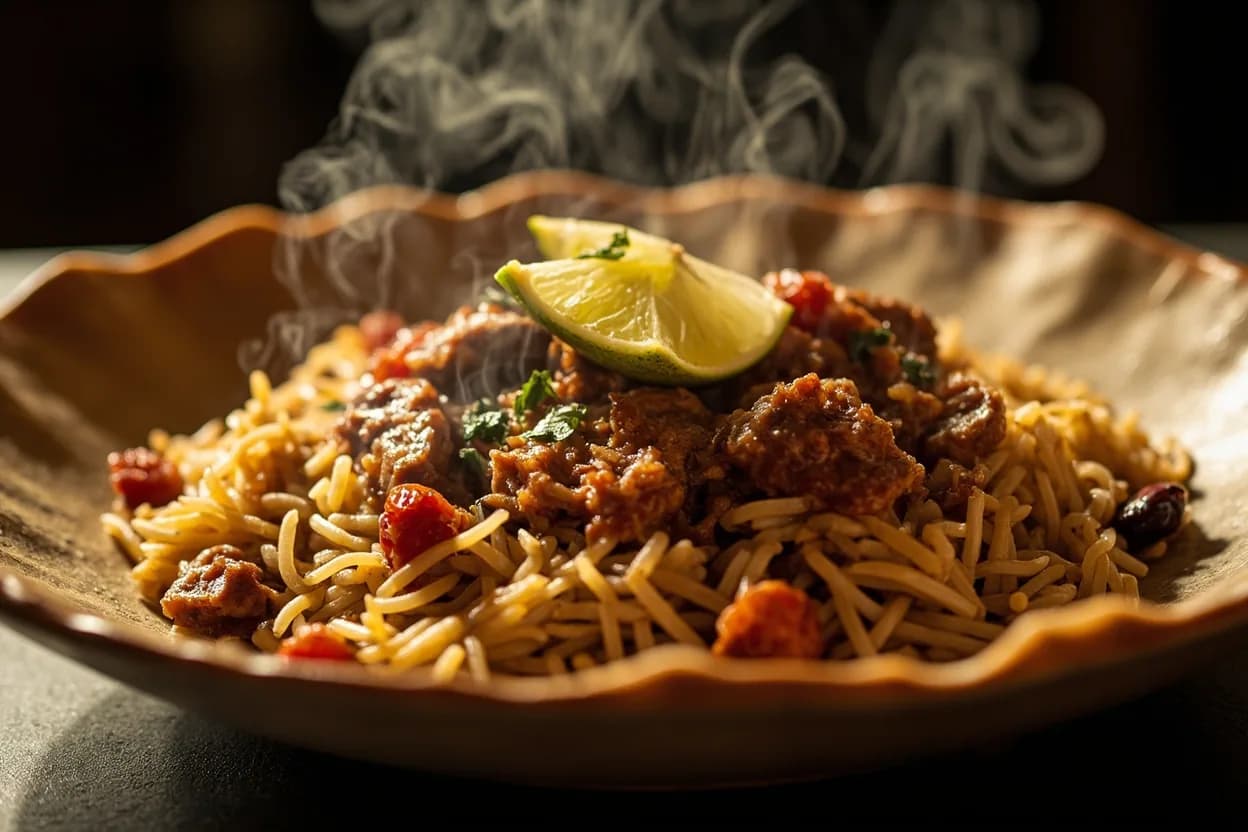
Bone-in chicken browned in the caldero first, then steamed under or alongside the rice that absorbs its juices.
Rice cooked with beans, sofrito, and seasonings — a weeknight staple eaten alongside stewed meats.
Rice steamed with corn kernels, often paired with squash or beans for a hearty vegetarian plate.
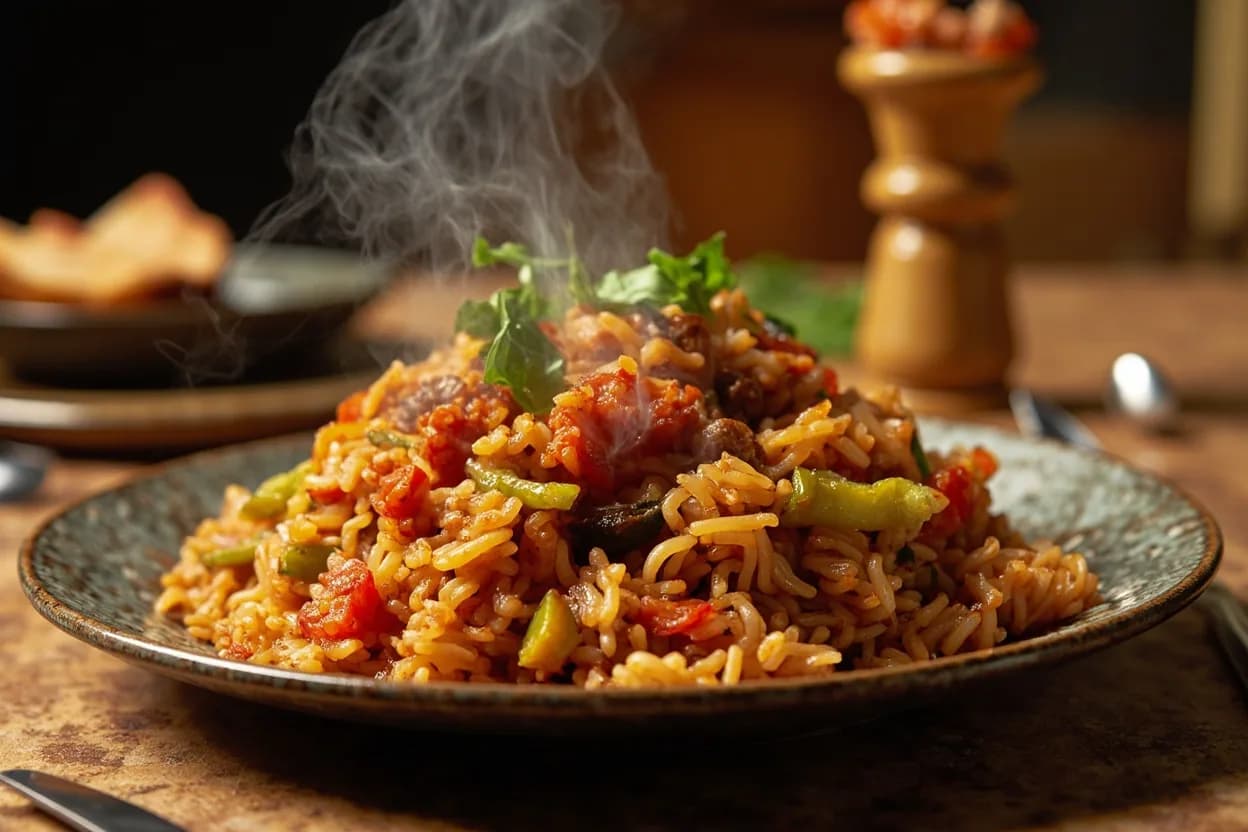
Rice steamed with browned smoked sausage and vegetables in a single caldero.
The crisp bottom layer is sometimes loosened with a wooden spoon and served as its own portion — a prized snack and a point of pride for the cook.
How to do it
- 1
Measure and rinse the rice
Measure 1 to 2 cups of medium-grain white rice for a 3- to 4-quart caldero. Rinse in cool water, swishing by hand, until the water runs nearly clear. Drain well in a fine-mesh strainer and set aside.
- 2
Heat the caldero and render the base
Place the caldero over medium heat for about a minute so the bottom is evenly hot. Add 2 to 3 tablespoons of olive oil, lard, or annatto-infused oil (achiote en aceite). If using bacon, salt pork, or ham, render it first until the fat melts and the pieces are lightly browned.
- 3
Sauté the sofrito and aromatics
Add sofrito (onion, garlic, green pepper, cilantro or culantro) and any additional aromatics — bay leaf, oregano, ají dulce, tomato paste, olives, or capers. Cook 2 to 3 minutes, stirring, until the vegetables soften and the mixture becomes fragrant and slightly reduced.
- 4
Brown the protein (if using)
If the dish includes chicken, sausage, or pork, add it now and brown on all sides in the seasoned fat, 4 to 6 minutes. Season the meat with salt and pepper at this stage. Remove and reserve; it will return to the pot later.
- 5
Toast the rice
Add the drained rice directly to the caldero. Stir continuously for 1 to 2 minutes so every grain is coated in fat and begins to turn translucent at the edges. This dry toast is what gives caldero rice its nutty flavor and keeps the grains separate.
- 6
Add liquid and seasonings, bring to a boil
Pour in water or broth (1.5 to 2 cups per cup of rice) and stir once to distribute. Add salt, pepper, bay leaf, and any remaining seasonings. Return the protein to the pot. Bring to a full, rolling boil over medium-high heat, scraping the bottom to lift any fond — this fond becomes the foundation of the pegao.
- 7
Cover and steam on lowest heat
Once boiling, reduce the burner to the lowest possible setting. Cover with the tight-fitting lid (drape a clean kitchen towel across the rim before clamping it down if the seal is loose). Do not lift the lid. Steam undisturbed for 18 to 25 minutes, depending on quantity.
- 8
Rest off the heat
Turn the burner off completely. Keep the lid on and let the caldero sit, off the heat, for 5 to 10 minutes so residual steam finishes the grains evenly and the pegao sets into a crisp sheet rather than a soft film.
- 9
Uncover, fluff, and serve the pegao
Remove the lid, tilting it away to direct steam away from you. Fluff the top layer gently with a fork. To release the pegao, run a wooden spoon around the edges and lift from the bottom in sections — or invert the rice onto a serving platter to display the prized golden crust. Serve immediately.
The physics of pegao
Pegao forms because the caldero's heavy aluminum base stays hot at the bottom of the pot long after the burner has been turned down. While the rice above is being cooked by trapped steam, the grains in direct contact with the metal slowly lose their moisture, the starches and sugars on the grain surface caramelize, and a continuous golden sheet builds up. Three factors make this reliable: a heavy base that does not cool in patches, a tight lid that keeps condensation from dripping back onto the bottom layer, and very low heat during steaming so the crust forms over 20 minutes rather than burning in two. Lift the lid repeatedly and the crust stays soft and pale; blast the burner and it scorches instead of crisping.
- A heavy disc-bottom caldero gives a more even pegao than a thin saucepan.
- More fat in the sofrito step helps the bottom layer release cleanly and brown to a deeper gold.
- A long off-heat rest lets residual steam finish the grains without re-softening the crust.
Choosing and seasoning your caldero
A new aluminum caldero should be washed by hand, dried, and given an initial oil treatment — coat the interior with a thin film of oil and heat it on low for 10–15 minutes to burn off any factory residue and begin the patina. With use, the interior will darken to a smoky grey-black; that patina is desirable, not dirt, and helps pegao release cleanly. Hand-wash only, without harsh abrasives or steel wool that strip the patina. A 3-quart caldero suits one to two cups of rice; a 4- to 6-quart is better for family portions and holiday arroz con gandules.
Rice selection
Medium-grain white rice is the traditional choice and produces the most characteristic caldero texture: grains that are tender but hold together, plump enough to absorb sofrito flavor without falling apart. Valencia, bomba, or a generic medium-grain all work. Long-grain rice will steam in a caldero but yields a drier, looser result with a thinner, more brittle pegao; if that is what is on hand, increase the liquid slightly and expect a different mouthfeel. Short-grain (like Arborio) will steam but is more likely to turn gluey. Always rinse until the water runs nearly clear to shed surface starch.
Common uses
Tips & pitfalls
- Preheat the caldero over medium heat before adding oil so the bottom comes to an even temperature; dropping ingredients into a cold pot leads to uneven pegao rather than a continuous crust.
- Toast the rinsed, drained rice in the seasoned fat for 1 to 2 minutes, stirring constantly, so each grain is coated and slightly translucent at the edges — this is what gives caldero rice its nutty flavor and prevents gumminess.
- Bring the liquid to a full, rolling boil before covering so the cooking clock starts predictably and a charge of steam builds up immediately under the lid.
- Drop the burner to its absolute lowest setting once the lid goes on. Even a modest gas flame will scorch the bottom of a heavy caldero — the residual heat in the aluminum base is enough to finish the rice.
- Do not lift the lid during steaming. Each peek releases trapped steam that is actively cooking the grain and interrupts the dry heat needed to form pegao.
- If the caldero's lid has loosened with age, drape a clean kitchen towel across the rim before clamping it down to seal in steam and absorb condensation that would otherwise drip back onto the rice.
- After turning off the heat, leave the lid on for 5 to 10 minutes so moisture redistributes and the pegao sets into a crisp sheet — uncovering too early yields a soft, chewy crust.
- Rinse the rice in cool water until the water runs nearly clear to remove surface starch; skipping this step is the most common cause of gummy caldero rice.
- Season the cooking liquid (water or broth) generously with salt. The rice absorbs the seasoned liquid as it steams, and unlike a reducing sauce the caldero's even heat will not concentrate seasonings afterward.
Good to know
- Origin
- Puerto Rico and the broader Hispanic Caribbean, descended from the Spanish colonial caldero (cauldron) used for centuries of home cooking.
- Cookware
- A heavy-gauge aluminum caldero with a thick (often disc) bottom, slightly flared sides, and a tight-fitting aluminum lid.
- Rice-to-liquid ratio
- Roughly 1 part medium-grain rice to 1.5–2 parts water or broth — typically less than American rice-paddy methods because the tight pot loses little steam.
- Steaming time
- 18–25 minutes covered at the lowest heat, followed by 5–10 minutes of off-heat resting.
- Defining feature
- Pegao (or pegaito) — the golden, crisp, slightly smoky rice crust on the pot's bottom.
- Key supporting fat
- Olive oil, lard, or annatto (achiote)-infused oil, sometimes with rendered bacon, salt pork, or ham.
- Aromatic base
- Sofrito — onion, garlic, green bell pepper, cilantro or culantro, often with ají dulce or recao.
- Active time
- 5–8 minutes of prep and sauté, then 20–35 minutes of unattended steaming and resting.
Also called
rice-steaming-caldero · rice-cooking · Pegao Rice
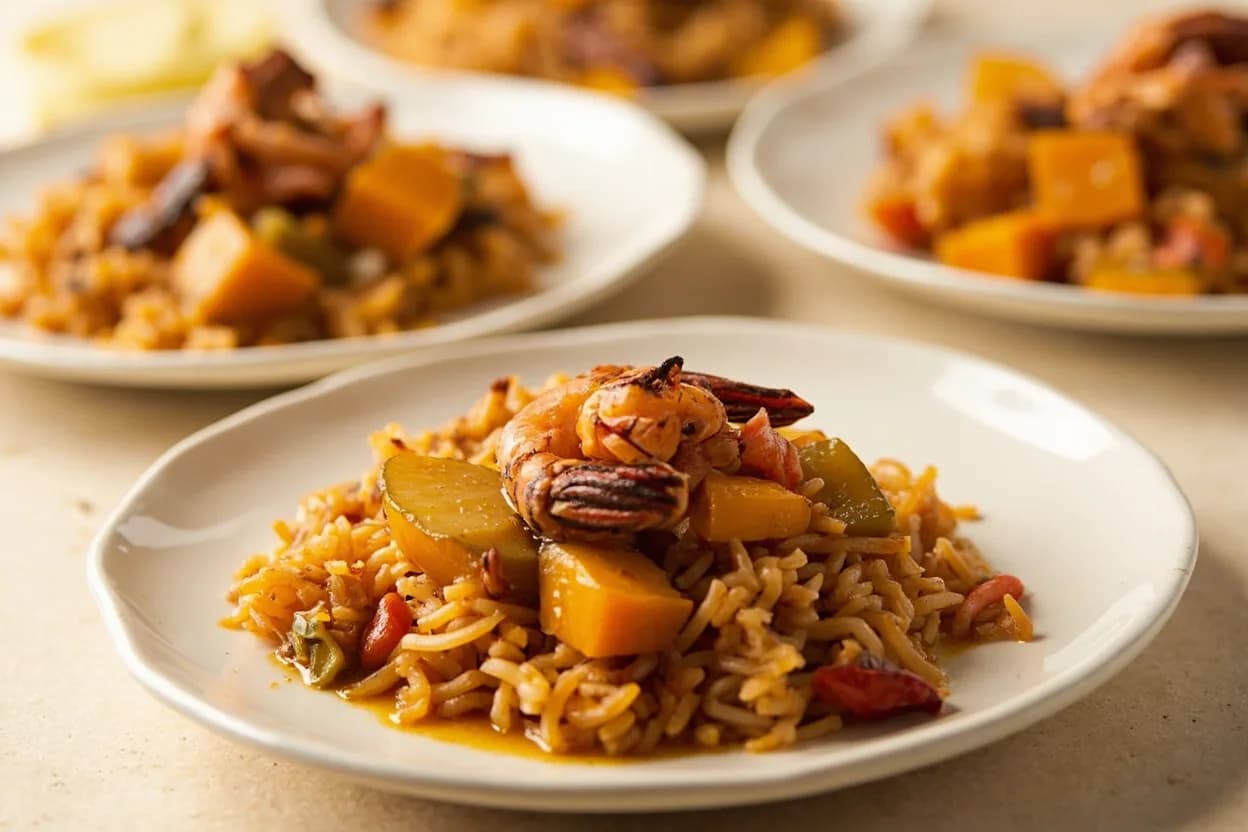
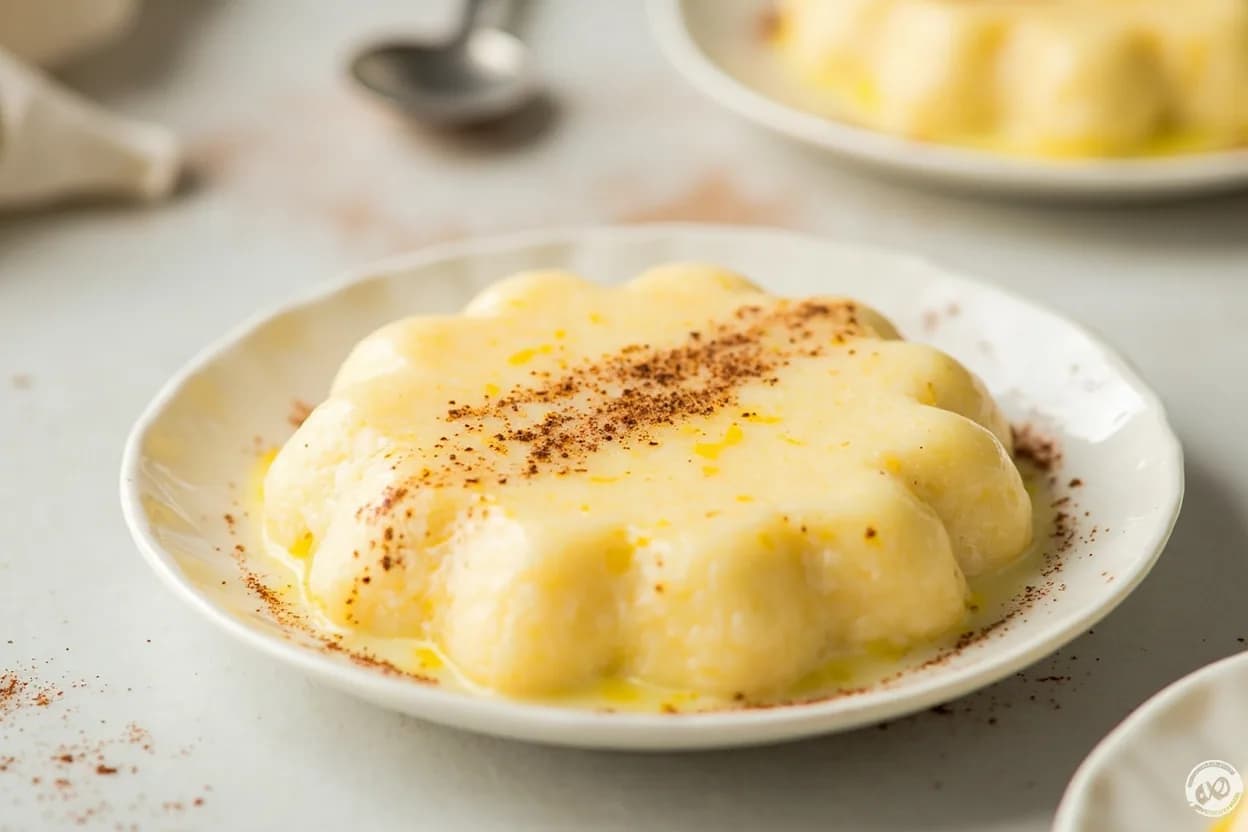
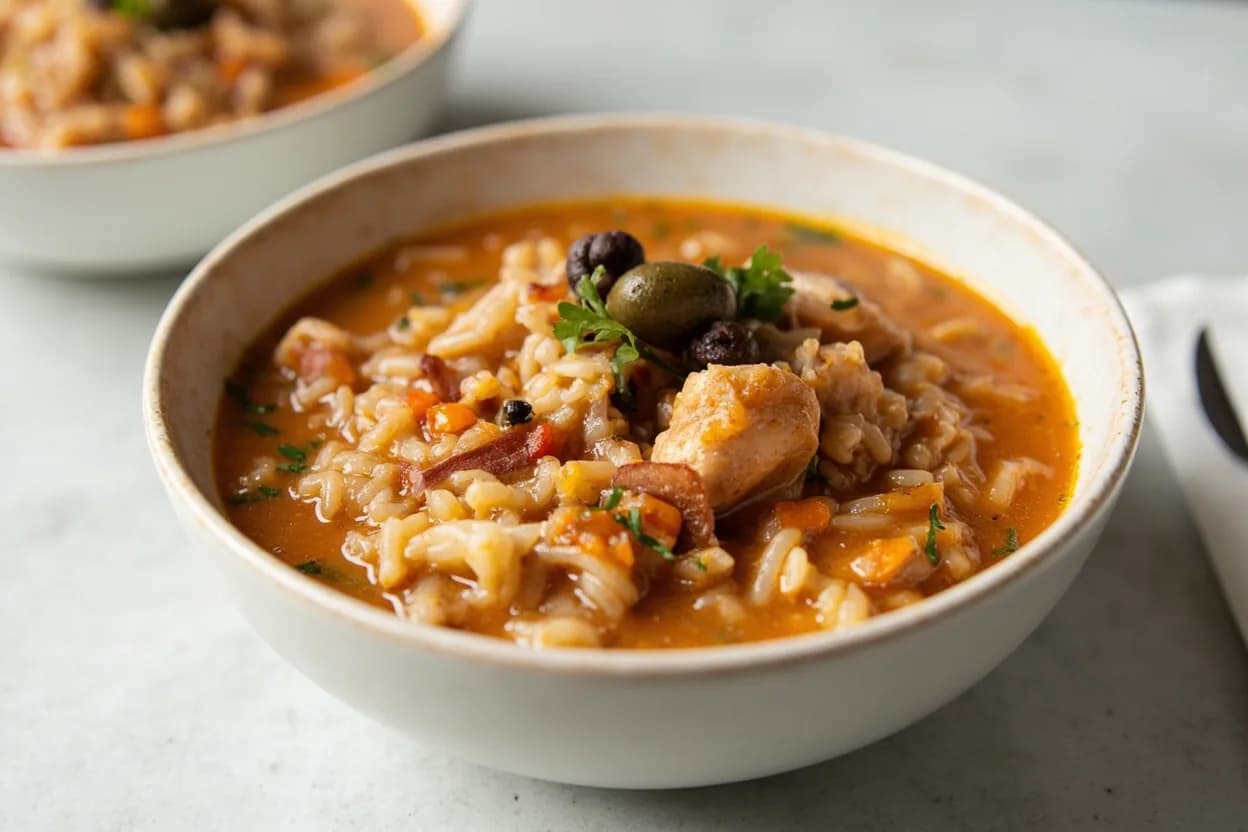
Dishes that rely on it
Related

Boil
Cook in vigorously bubbling liquid at full rolling heat

Simmer
Hold liquid at a gentle shimmer for tender, unhurried cooking

Poach
Cook gently in barely-trembling liquid for silky, tender results

Steam
Cook in rising vapor to keep color, nutrients, and shape intact

Blanch
Plunge briefly in boiling water, then shock cold to lock color

Braise
Sear, then cook slow in a little liquid until fall-apart tender

Stew
Simmer bite-sized pieces fully submerged into a rich, unified pot

Sous-Vide
Seal and cook in precise warm water for edge-to-edge doneness