Heat & Fire
Dry-Roasting on a Comal (Tatemar)
Charring chiles, tomatoes, garlic and spices on a dry griddle to build smoky depth for Mexican sauces.
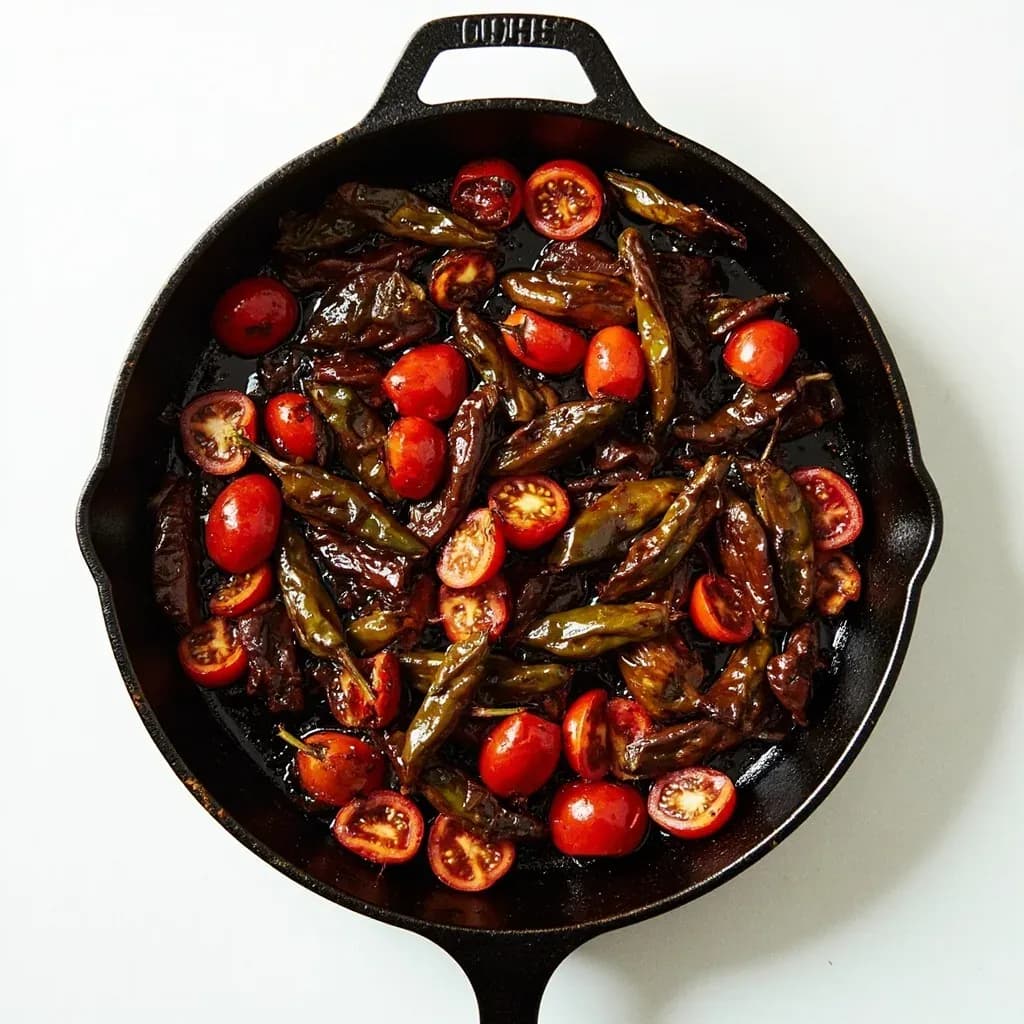
Tatemar is the Mexican practice of dry-roasting ingredients directly on a hot comal (flat griddle) with no oil until they blister and char. Chiles, tomatoes, tomatillos, onions, garlic and spices are roasted this way to develop deep, smoky, slightly bitter notes before being ground into salsas, moles and adobos. The char is intentional and central to authentic flavor, not a mistake.
Tatemar is the Mexican practice of charring chiles, tomatoes, garlic, and whole spices on a dry, ungreased comal — a flat or slightly concave griddle traditionally set over wood embers. The word comes from the Nahuatl *tatemā* (to toast or parch), and the technique predates both the Spanish comal and the cast-iron skillet that has largely replaced it in modern kitchens. What looks like a simple dry-pan toast is actually the chemical engine behind the smoky backbone of mole, the grilled depth of salsa asada, and the roasted-spice complexity of recados. Without this step, Mexican sauces taste raw and flat; with it, they gain the bittersweet, almost campfire-like signature that defines the cuisine.
The cooking happens through a combination of Maillard browning, caramelization of natural sugars, and low-temperature pyrolysis of the skins — visible as blistered patches and blackened stripes. Success depends less on time than on heat control: the comal sits roughly at 180–230 °C (350–450 °F), hot enough to blister a chile in 10–30 seconds per side but easy to overshoot. The skill is reading the surface — the moment the skin crackles, lightens, and smells of toasted bread is the moment to flip. Anything past that point drifts from smoky-bitter into acrid, and the difference between a fragrant tatemado chile and a burnt one is often five seconds of attention.
In practice, tatemar is two related but distinct operations: the aggressive char used for chiles, tomatoes, and garlic, and the gentler toast (*tostar*) used for whole spices and seeds, which need only a few seconds of dry heat to release their volatile oils. A well-run Mexican kitchen often keeps a small dedicated skillet or corner of the comal for spices, because the smoky residue left by chiles can muddy the clean aroma of cinnamon, clove, or cumin.
- Difficulty
- Easy
Types & varieties
The signature form — skins blister, blacken in stripes, and crack; the goal is visible char without ash. Used for chiles, tomatoes, tomatillos, and garlic heading into moles, adobos, and salsas tatemadas.
A gentler, fragrance-only treatment for whole spices and seeds — cumin, peppercorn, clove, canela, sesame, pumpkin seed. No true char, just a few seconds until aromatic.
Open-flame roasting over a gas burner or live flame rather than on the comal surface. Yields a more flame-lashed, leathery chile — typical for *chile de árbol* and for tomatillos when a smoky salsa verde is the goal.
Traditional unglazed clay comal; imparts a faint mineral note, holds less heat, and is fragile. Favors longer, gentler roasting and is preferred by many cooks for chiles destined for mole.
Heavy cast-iron comal; the modern workhorse — retains high, even heat for fast blistering with good control. Requires seasoning like a skillet.
Thin carbon-steel or stainless griddle used in restaurant kitchens; heats quickly but has less thermal mass than cast iron, so the cook must work faster.
How to do it
- 1
Heat the comal dry
Set a cast-iron or clay comal over medium to medium-high heat for 3–5 minutes. Test by flicking a few drops of water on the surface — they should skitter and evaporate almost instantly. Wipe dry with a cloth. Never oil the comal for this work; oil at this temperature smokes and ruins the flavor.
- 2
Prep the ingredients
Wipe dried chiles with a dry cloth to remove dust. Stem, vein, and seed them if you want a milder, cleaner sauce; leave them whole for deeper, more rustic flavor. Halve tomatoes and tomatillos if they are large. Leave garlic unpeeled but crack each clove with the flat of a knife so the skin splits and peels cleanly after roasting.
- 3
Toast the spices first
If the recipe calls for whole spices, do them before the chiles. Spread cumin, peppercorns, cloves, or a canela stick in a single layer on the hot comal and toast 20–45 seconds, shaking or stirring constantly. Remove the moment they smell fragrant; whole spices burn in a heartbeat and turn bitter fast.
- 4
Char the chiles
Lay dried chiles flat in a single layer with space between them — do not crowd. Press briefly with tongs for 5–10 seconds per side. The skin should blister, lighten in patches, and smell like toasted bread. Rotate constantly; the window between toasted and acrid is often just a few seconds. Charred stripes are good, ash is not.
- 5
Char the aromatics
Move the chiles to a bowl and cover. Add tomatoes and tomatillos cut-side down, thick onion wedges, and unpeeled garlic cloves. Tomatoes and tomatillos need 5–10 minutes; onion 6–8 minutes; garlic 2–4 minutes. Turn each piece as the contact side blackens. For salsa tatemada, finish tomatoes until the skin splits and chars in patches but the interior remains juicy.
- 6
Rest and steam
Transfer all roasted items to a bowl, basket, or tortilla warmer and cover with a cloth or tight lid for 5–10 minutes. The trapped steam loosens chile skins, softens the flesh, and makes everything easier to grind, peel, or blend.
- 7
Finish or store
Peel garlic and tomatoes if a smoother sauce is desired. Grind chiles into powder or rehydrate them for sauce; blend aromatics for salsa; store roasted tomatoes and chiles refrigerated up to 3 days. Toasted spices are best ground and used within hours for the brightest aroma.
Char vs. Burn: Reading the Comal
The single most important distinction in tatemar is the line between *tatemado* and *quemado*. A properly charred chile or tomato has blistered, blackened patches on the outside and a soft, fragrant, almost sweet interior. The flavor is smoky and pleasantly bitter — closer to coffee or cocoa than to ash. A burned chile is uniformly black, brittle, and acrid; the pyrolized compounds dominate and the fruit is lost. Cooks learn to watch the skin lighten in stripes, listen for the soft crackle, and smell for toasted bread or roasted nuts. The moment any item smells sharp, charred-papery, or chemical, it has crossed the line and should be discarded rather than mixed into a sauce, where it will dominate every other ingredient.
Why a Dry Comal Works
Oil is the enemy here. At comal temperatures any fat smokes, polymerizes on the surface, and coats the food in a rancid film that masks the very Maillard and pyrolysis notes the technique exists to produce. The dry surface lets water in the ingredient flash to steam almost instantly, which is what creates the characteristic blister pattern. A properly preheated comal will also sear a thin crust on the food's exterior, sealing in juices and concentrating sugars — the same logic that makes a dry-aged steak taste better after a hot sear. Wipe the comal clean with a dry cloth between batches and avoid soap, especially on a clay comal where it can be absorbed into the porous body; never oil the surface for this work.
Tatemar vs. Tostar: Two Operations, One Surface
Mexican cooks routinely make this distinction in the kitchen even when they share the same comal. *Tatemar* describes the visible charring of moist or fleshy items — chiles, tomatoes, tomatillos, garlic, onion — and runs at the upper end of the heat range. *Tostar* describes the gentler warming of dry items — seeds, whole spices, even tortillas — where the goal is aroma release, not browning. Many home cooks keep a small cast-iron skillet or a corner of the comal dedicated to spices, because the residual smoke and oil from chiles can dull the clean fragrance of cinnamon, clove, and cumin.
Common uses
Tips & pitfalls
- Heat the comal dry — never oil it; oil at 180–230 °C smokes, polymerizes, and coats the food in a rancid film that masks the smoky notes you are trying to build.
- Use medium to medium-high heat, not maximum; you want blistering, not flare-ups. A comal running too hot will blacken the outside of a chile before the inside warms through.
- Move chiles constantly with tongs; the difference between toasted and acrid is often just 5–10 seconds, and the skin is your only reliable signal.
- Stem dried chiles first or be ready to remove stems after toasting — stems are thinner than the pods and burn much faster, then drop ash into the batch.
- Toast spices in a dry skillet off-heat first to wake them up, then finish on the comal for 20–40 seconds; this gives you a more even roast with less risk of scorching.
- Ventilate the kitchen well — smoke is intense — and keep a lid or inverted pan nearby to smother any flare-ups from chiles that release seed dust onto the hot surface.
- Don't crowd the comal; trapped steam prevents charring and produces a boiled, dull flavor. Work in batches if needed, holding finished items in a covered bowl.
- Cool chiles in a covered bowl or cloth bundle after toasting — the trapped steam finishes softening the flesh and makes them far easier to grind or blend into a smooth paste.
Good to know
- Spanish name
- Tatemar (also *tatear*); the act is generally called *asar en comal*
- Etymology
- From Nahuatl *tatemā* — to toast, parch, or char over embers
- Region
- Mexico and the wider Mesoamerican kitchen; especially central, Oaxacan, and Pueblan cooking
- Traditional equipment
- Comal — round flat or slightly concave griddle, originally unglazed clay (*barro*), today often cast iron, carbon steel, or stamped sheet metal
- Surface temperature
- Roughly 180–230 °C (350–450 °F) — hot enough to blister skins in seconds
- Time per item
- Dried chiles 10–30 seconds per side; tomatoes and tomatillos 5–10 minutes; unpeeled garlic 2–4 minutes; whole spices under 60 seconds
- Heat source
- Traditionally wood or charcoal embers; modernly gas or electric burner set to medium–medium-high
- Difficulty
- Beginner-friendly, but easy to overshoot; success depends on heat control and constant attention
- Storage of roasted goods
- Chiles and tomatoes best used immediately or refrigerated up to 3 days; toasted spices within hours for peak aroma
Also called
tatemar · comal roasting
Related

Sear
Blast the surface hot for a deep-browned, savory crust

Sauté
Cook quickly in a little fat over lively heat, tossing as you go

Stir-Fry
Toss bite-sized pieces over roaring heat for fast, smoky cooking

Pan-Fry
Crisp food in a shallow layer of hot fat, turning once or twice

Deep-Fry
Submerge in hot oil for an all-over crackling crust

Roast
Cook uncovered in dry oven heat for browned edges and tender centers

Bake
Cook with steady, surrounding oven heat — the soul of bread and pastry

Broil
Hit food from directly above with fierce overhead heat