Heat & Fire
Charcoal Roasting
Roasting food with the radiant heat of glowing charcoal embers.
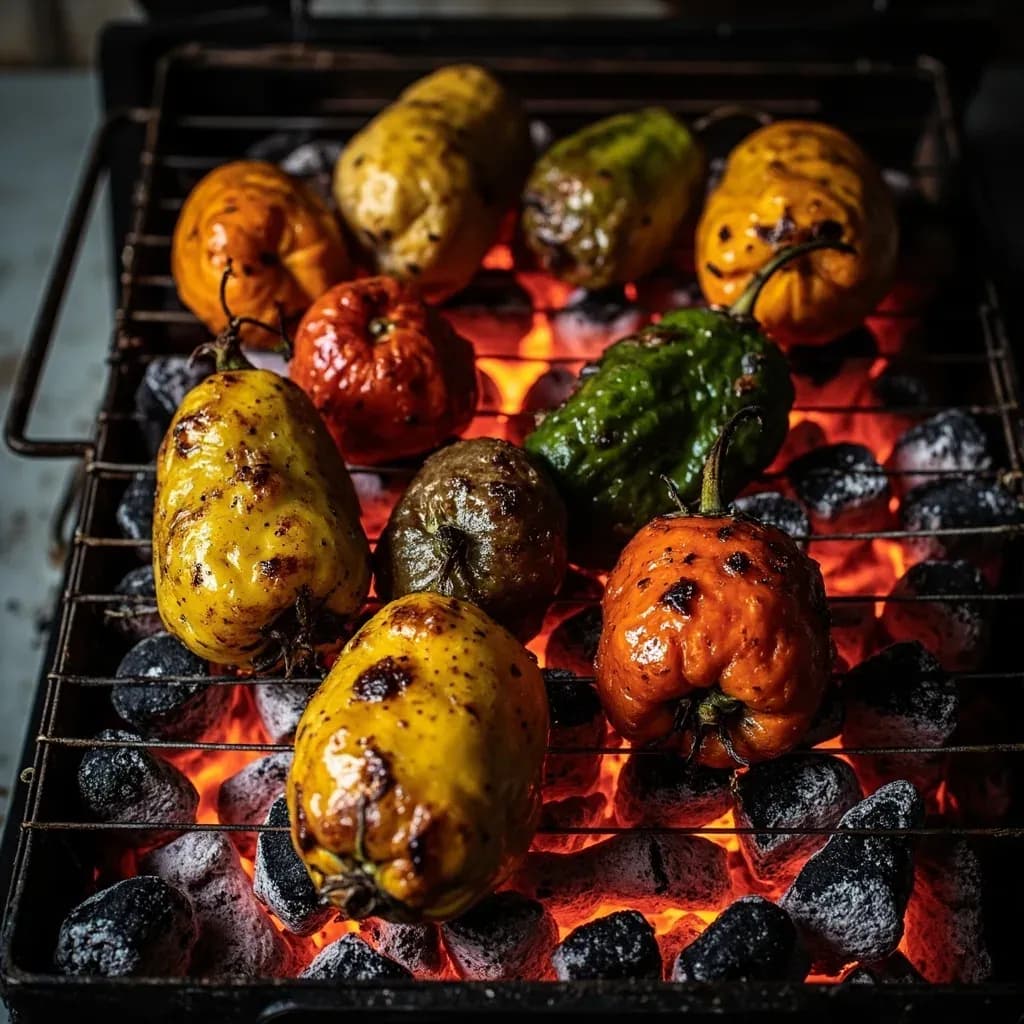
Charcoal roasting surrounds or sits food near a bed of lit charcoal, cooking it with steady radiant heat and a touch of smoke. It's used for whole vegetables, meats, and tandoor-style breads, giving an earthy, smoky character. Because charcoal burns hotter and cleaner than open flame, it offers more even, controllable roasting heat.
Charcoal roasting is dry-heat cooking with the radiant energy of glowing embers rather than the flame itself. Food sits beside or above a deep bed of ashed coals and cooks by infrared radiation, gentle convection, and a thin veil of clean wood smoke — the same physics that has fed humans since the first earth ovens. What separates roasting from grilling on charcoal is geometry and time: roasting holds the food in the ember's radiant field, often in a closed chamber or pit, for 45 minutes to half a day, while grilling flashes thin pieces directly over the heat.
The flavor comes from three sources working together: Maillard browning and surface caramelization on a dry exterior, the clean smoke of hardwood, and the absence of off-notes that gas or chemical-lighter fires introduce. A properly managed charcoal bed holds a steady 250–450°F (120–230°C) in the cooking chamber, hot enough to brown skin and crust, gentle enough to render fat and tenderize collagen over hours without drying the meat. Mastering the technique is less about recipes than about fuel — what you burn, how you light it, and how you keep it alive.
- Difficulty
- Medium
Types & varieties
Hot stones or coals in an excavated pit; food laid on top or wrapped and buried. Includes Maori hangi, Hawaiian kalua in an imu, and Pacific umu.
Whole animal skewered vertically or horizontally beside a sloped ember wall; classic in Patagonia and the Basque country.
Argentine and Spanish method driving a wooden cross through the carcass and leaning it over a trench of embers.
Adjustable iron grate over a deep bed of hardwood coals; embers are pushed aside to create heat zones across the grate.
Japanese hearth cooking on a wide, low charcoal pit — often binchotan — using long skewers and paddle-ended tools at arm's length.
Charcoal basket on a tabletop or floor grill; the everyday setup for galbi, samgyeopsal, and whole chickens over binchotan-style coal.
Insulated ceramic egg-shaped cooker with damper control; one charcoal bed serves as smoker, roaster, and oven.
Improvised barrel or block oven, the standard backyard rig for whole-pig luau-style cooking.
Charcoal or wood at the base of a clay cylinder; radiant heat off the clay walls bakes naan and tandoori meats at very high temperatures.
How to do it
- 1
Choose the right setup
Match the cooker to the load. A whole pig or lamb needs a pit, spit, or large kamado; chickens and smaller cuts work on a kettle grill with the lid closed, a kamado, or a barrel roaster. Aim for a two-zone layout — hot bank of coals on one side, cooler side for finishing or holding — regardless of size.
- 2
Prepare the fuel
Use dry hardwood lump charcoal, binchotan, or a quality briquette without chemical binders. Fill the firebox generously — roughly twice the volume you think you'll need, because radiant roasting over embers consumes more fuel than direct grilling. Keep extra unlit fuel within reach for long cooks.
- 3
Light and bring to embers
Use a chimney starter, electric coil, or natural firelighter. Allow 25–40 minutes for the coals to catch, then another 10–20 minutes for them to ash over. The surface should look matte gray and flames should be gone. This is the moment to start cooking — earlier and you'll flavor the food with acrid volatiles.
- 4
Set up direct or indirect heat
For direct roasting (skewered fish, thin steaks, vegetables), spread the embers into an even bed directly under the food. For indirect roasting (whole birds, large joints, anything over 45 minutes), bank the coals to one side or set a deflector plate, and place the food on the cool side with the lid closed.
- 5
Position and secure the food
On a spit, balance the carcass so it rotates without wobble and tie it firmly at the shoulders and hocks. On a grate, orient the thickest part toward the heat and the thinnest (wing tips, drumstick ends) away from it. In a pit, lay the food on wire mesh over the stones or on a lattice of green sticks to keep it clear of the ash.
- 6
Roast, managing heat and fuel
Hold the chamber at 250–325°F (120–165°C) for low-and-slow whole-animal cooks, or 375–450°F (190–230°C) for poultry and vegetables. Add 8–10 small coals every 45–60 minutes rather than dumping a large cold batch onto the bed, which drops temperature sharply. Baste or mop only after the first crust has formed, so the surface stays receptive to smoke.
- 7
Check doneness and rest
Probe the thickest part of the muscle, away from bone: about 195–205°F (90–96°C) for pulled-style pork, 170°F (77°C) for whole chicken, 145°F (63°C) for whole fish. Loosely tent with foil and rest 20–45 minutes — carryover heat will raise internal temperature another 5–15°F depending on size.
Why embers, not flame
A live flame is mostly visible combustion gas and unburnt vapor; it licks unevenly and deposits soot on anything it touches. A coal bed has already burned through those volatiles. What remains is nearly pure carbon glowing at 600–800°F, radiating heat evenly in every direction and releasing only a thin stream of clean combustion products. That is why charcoal-roasted food tastes of caramelized meat and gentle wood smoke rather than of char, and why a properly ashed bed is the single quality marker of the technique.
- Embers radiate in all directions, so food can sit beside them, above them, or be buried under them and cook the same way.
- A coal bed holds temperature surprisingly steadily once ashed, because the ash layer insulates the unburnt fuel beneath.
- Adding fresh coals briefly lowers bed temperature; the existing embers must re-ignite the new fuel before heat climbs again.
- Hardwood charcoal burns hotter and cleaner than softwood; fruitwoods (apple, cherry) add a sweet note; binchotan burns longest and cleanest of all.
Reading a charcoal fire
The difference between a great roast and a sooty one usually comes down to a five-minute judgment call on the state of the fire. Cooks who train their eye on the coal bed learn to read it the way bakers read a dough.
- Black with red flecks: too early, fuel still off-gassing volatile smoke — keep waiting.
- Uniform matte gray, edges just starting to crack: ideal for direct roasting and searing.
- Bright white-ashed with a faint orange glow beneath: maximum radiant heat; good for short, hot roasts or for igniting a fresh batch of coals.
- Smothered gray with no glow: starved of air; the bed will produce dirty smoke if forced back to life — relight rather than resuscitate.
Equipment spectrum
From a hole in the ground to a ceramic kamado, the hardware is just a vessel for the same coal bed. Picking the right one comes down to scale, weather, and how much you want to babysit the fire.
- Pit and hangi: lowest tech, highest capacity, ideal for whole-animal feasts and breads cooked in residual heat overnight.
- Kettle grill with lid: the home cook's workhorse; two banks of coals give full two-zone roasting capability.
- Kamado and ceramic cooker: best fuel economy and temperature stability; can hold 225°F for 12 hours on a single load of lump.
- Barrel or cinder-block roaster: cheap and large enough for a whole pig; loses heat faster than a kamado and needs more frequent refueling.
- Spit and vara setups: the most theatrical and arguably the most even roast for whole animals, because every surface turns through the same radiant field.
Common uses
Tips & pitfalls
- Cook over glowing embers, not flames. Wait until the coals are coated in a thin gray ash for clean, even radiant heat; cooking over live flame deposits soot and acrid flavors.
- Use 100% hardwood lump charcoal or binchotan for the cleanest taste. Avoid briquettes with added lighter fluid, starch binders, or mineral fillers when flavor matters.
- Build a two-zone fire — a hot bank for searing and a cool side for finishing or holding. It is the single most useful charcoal-roasting skill and the difference between managing a cook and fighting one.
- Start the fire 30–45 minutes before you plan to cook so the coals are fully ashed. Rushing this step is the most common cause of sooty, off-flavored roasts.
- Never use gasoline, kerosene, or paint-thinner starters on cooking charcoal. A chimney starter, electric coil, or approved natural firelighter is safer and leaves no chemical residue in the food.
- Manage airflow with bottom vents and a lid rather than by smothering the fire. Starving the bed of air kills heat unevenly and produces dirty smoke later when it finally catches.
- Salt and dry the surface of meat well in advance — at least an hour for large roasts, ideally uncovered in the refrigerator overnight. A dry surface browns and smokes properly; a wet surface steams and tastes of soot.
- Refuel in small amounts during long cooks rather than dumping a large batch of cold coals, which drops cooking temperature sharply and lengthens total cook time.
- Rest whole roasts 20–45 minutes loosely tented; carryover heat can raise internal temperature by 5–15°F, and the juices need time to redistribute through the muscle.
- For very long overnight pits, bank extra unlit fuel at the edges of the bed so it ignites as the center slowly consumes — this is how to keep temperature stable without opening the cooker.
Good to know
- Category
- Dry-heat cooking with radiant heat from glowing charcoal embers
- Origin
- Prehistoric; earth-oven and pit roasting documented in nearly every ancient culture
- Heat source
- Hardwood lump charcoal, briquettes, or specialty coal such as binchotan
- Ember bed temperature
- Roughly 600–800°F (315–425°C) at the coal surface
- Roasting chamber
- Typically 250–450°F (120–230°C); up to 550°F (290°C) for fast roasting
- Fuel-to-food ratio
- Roughly 1 kg hardwood lump per kg of raw meat for whole-animal roasts
- Typical duration
- 1–2 hours for poultry or fish, 4–12+ hours for whole pigs, lambs, or goats
- Difference from grilling
- Cooking by radiant and ambient heat from embers, not by direct flame contact with food
Also called
ember roasting
Dishes that rely on it
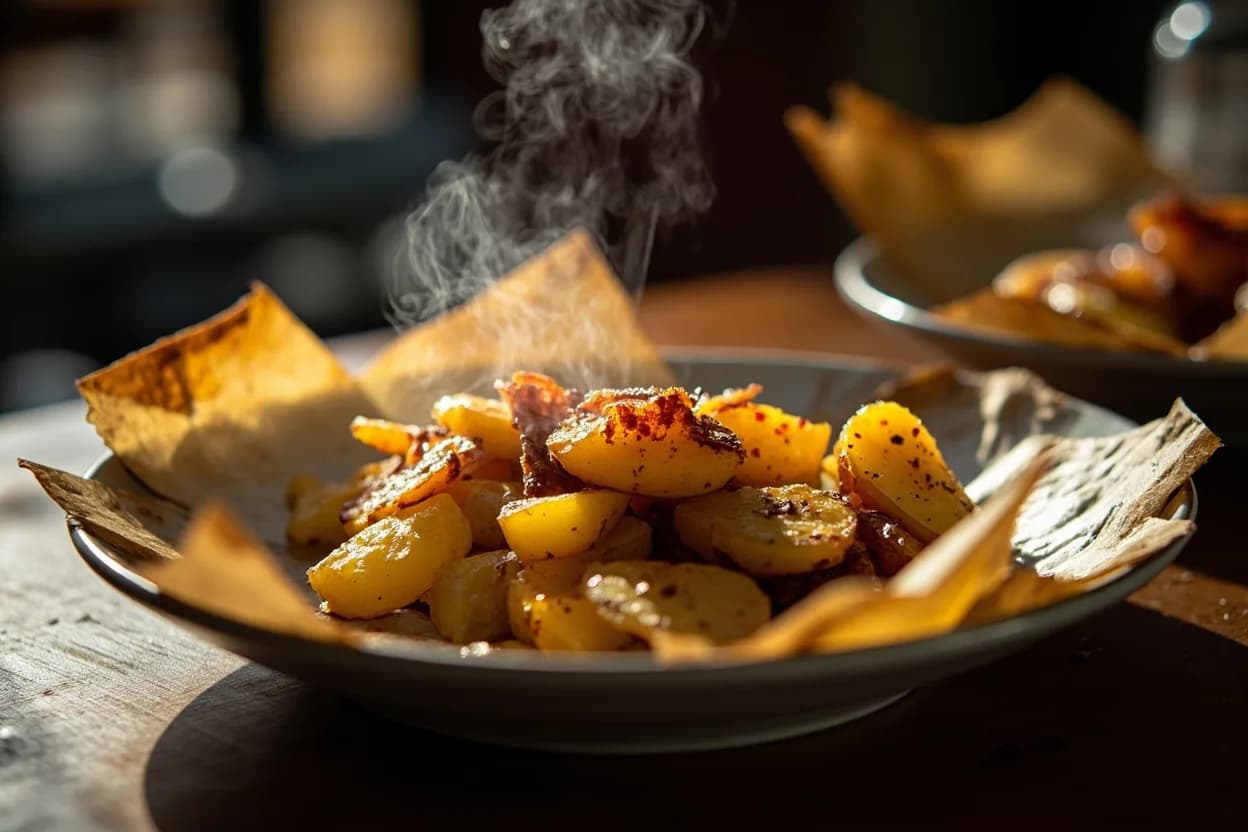
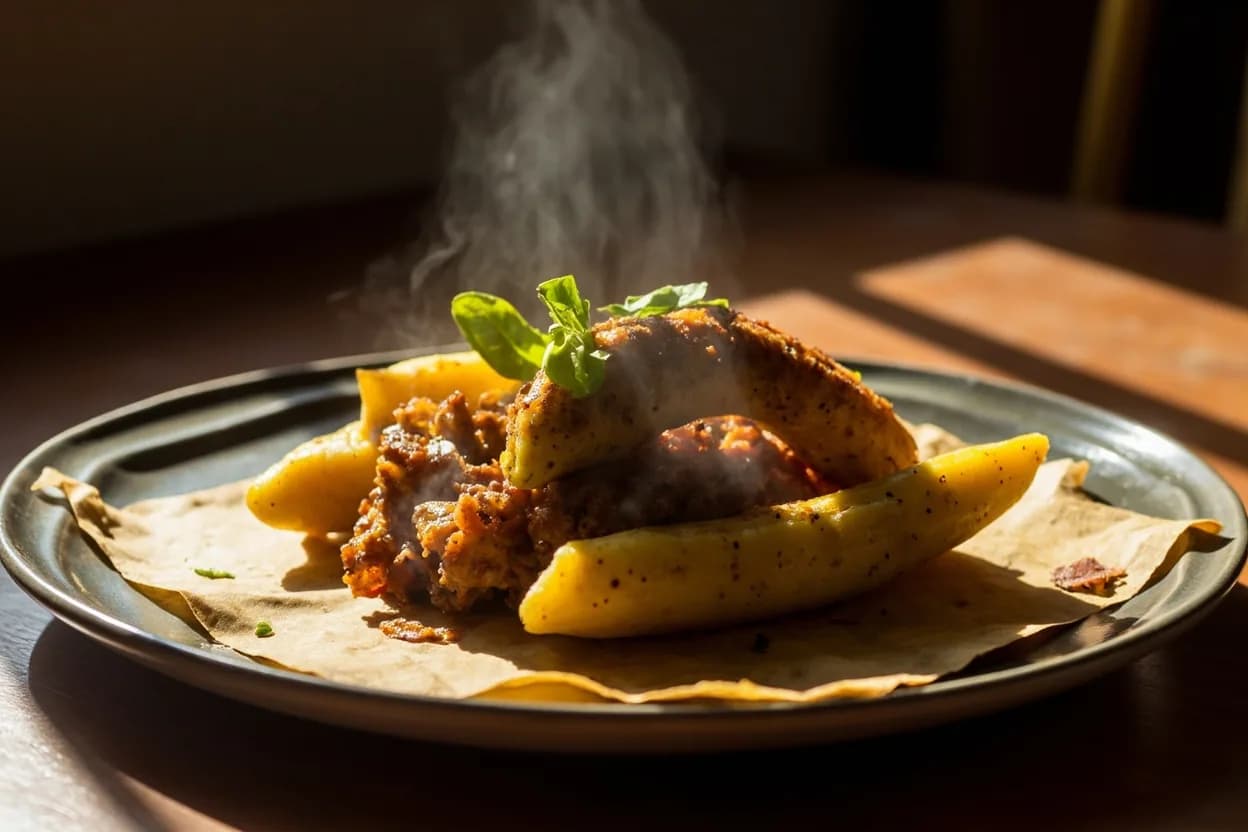
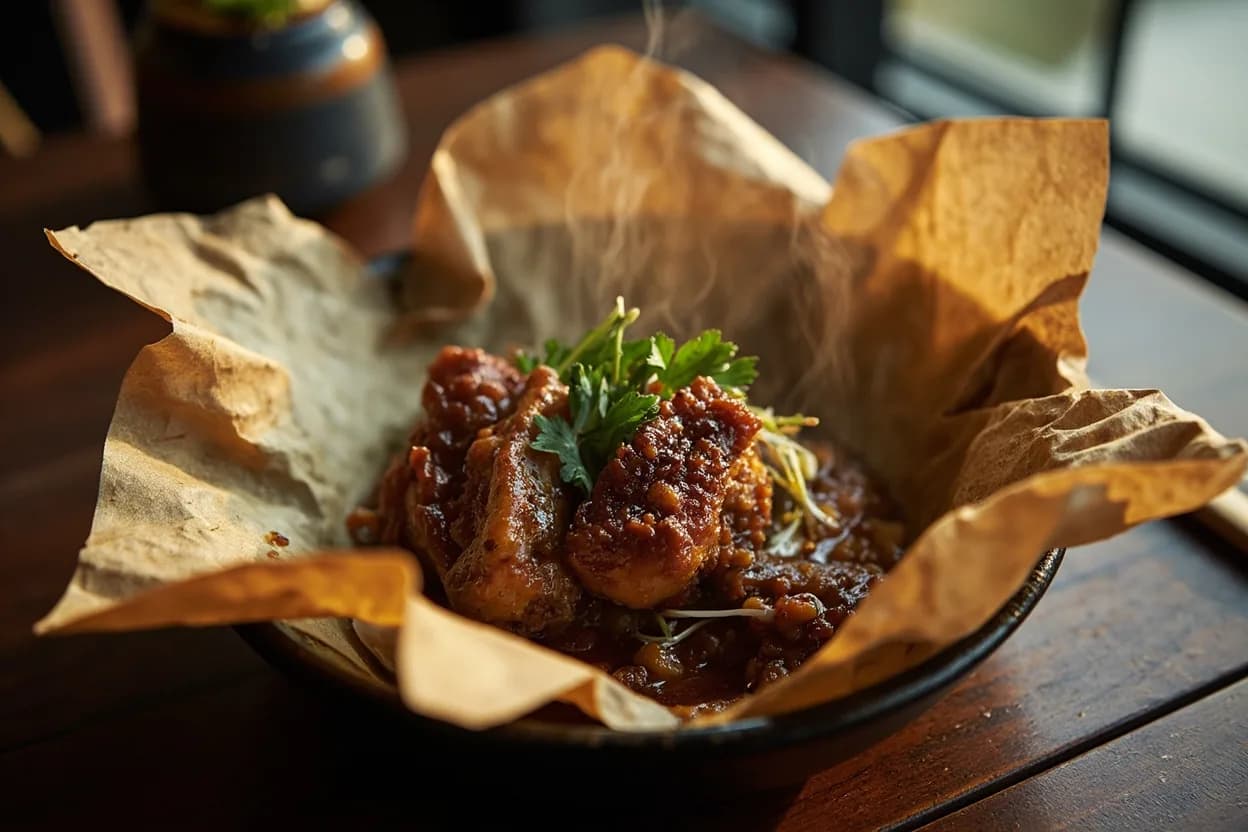
Related

Sear
Blast the surface hot for a deep-browned, savory crust

Sauté
Cook quickly in a little fat over lively heat, tossing as you go

Stir-Fry
Toss bite-sized pieces over roaring heat for fast, smoky cooking

Pan-Fry
Crisp food in a shallow layer of hot fat, turning once or twice

Deep-Fry
Submerge in hot oil for an all-over crackling crust

Roast
Cook uncovered in dry oven heat for browned edges and tender centers

Bake
Cook with steady, surrounding oven heat — the soul of bread and pastry

Broil
Hit food from directly above with fierce overhead heat