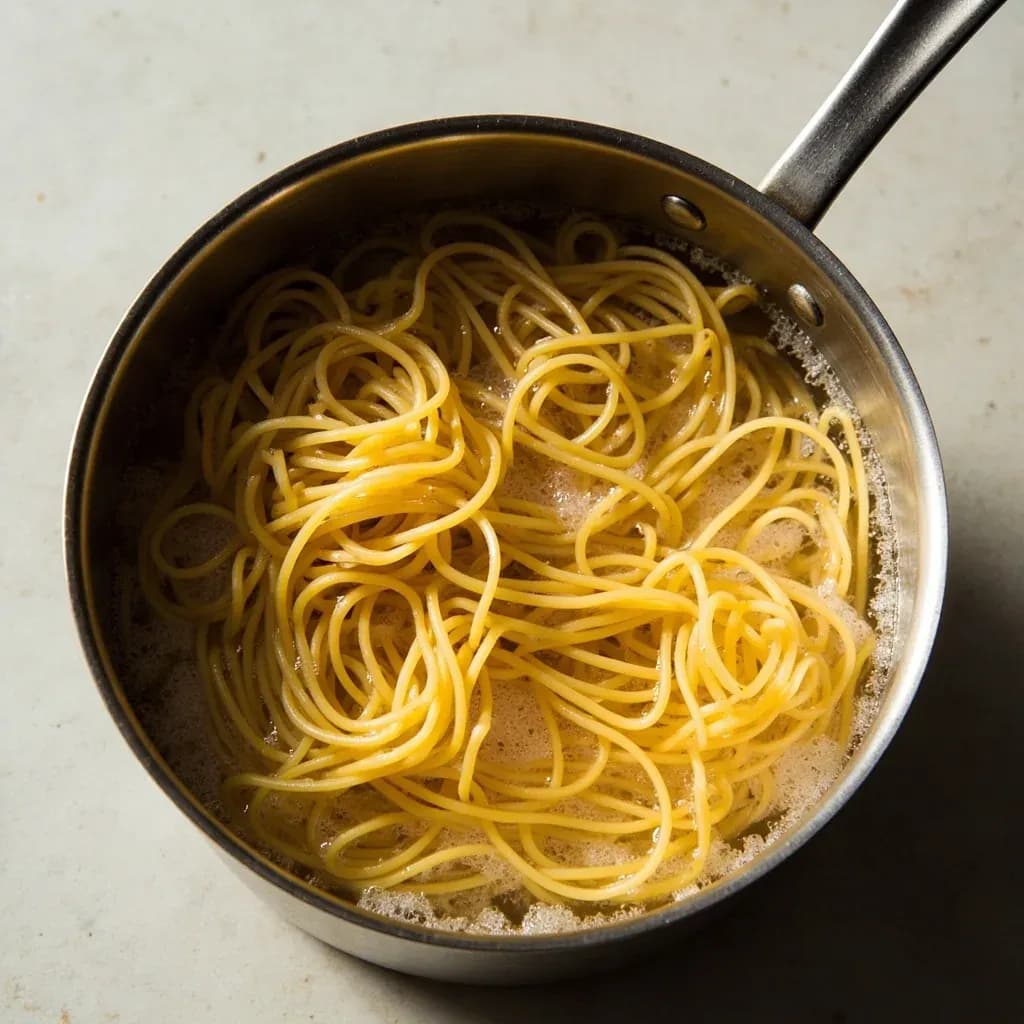
Water & Steam
Boiling Pasta Al Dente
Boiling pasta in salted water until firm to the bite, not soft.
Boiling pasta al dente cooks it in abundant salted boiling water just until it offers a slight resistance at the center when bitten. Pulling it a minute early lets it finish in the sauce, and reserving some starchy cooking water helps the sauce cling. Generously salting the water seasons the pasta from within, which finishing in sauce cannot replicate.
Al dente — Italian for "to the tooth" — describes pasta cooked until it is tender enough to chew comfortably yet firm enough to retain a faint, perceptible bite at the very center of the strand. Pull a piece from the pot and bite it: the edges should yield easily, the body should bend without snapping clean, and a thin paler line of underdone starch should still be visible in the cross-section. That line is the only reliable indicator; the printed time on a package is a suggestion, not a verdict.
The texture is not merely an aesthetic preference. Al dente pasta holds its shape when tossed vigorously with sauce, absorbs flavor without collapsing, and keeps a satisfying chew that lets the sauce and the pasta register as two distinct elements in a single bite. It also gives the cook room to finish the dish properly: drained a minute shy of done and tossed into a hot pan of sauce, the pasta completes its cooking in the pan, picking up gloss and body from the emulsified starch clinging to its surface. Overcooked pasta, by contrast, keeps shedding surface starch into the water as it overcooks, breaks apart when stirred, and leaves the sauce pooling rather than clinging in a glossy coat.
The window between al dente and overcooked is narrow, especially for dried pasta in a rolling boil. A strand continues hydrating for 30 to 60 seconds after it leaves the pot, and the difference between "perfectly firm" and "soft" can be as little as 90 seconds of cooking time. Learning to read a strand in your hand — how it bends, how it bites, what the cross-section looks like — matters more than any clock or printed time.
- Difficulty
- Easy
Types & varieties
Firm but tender, with a thin visible core — the benchmark for most dried and fresh pasta.
Slightly firmer than standard, recommended for pasta that will finish cooking in a pan of sauce.
Softer, fully cooked through — traditional in some southern Italian home-style preparations, soups, and baked pasta.
Cooked only until the strands separate cleanly and feel silky, typically 1–3 minutes in boiling water.
Cooked until the wrapper is tender but the filling is just set, usually 3–5 minutes; they float when nearly done.
How to do it
- 1
Fill and bring water to a boil
Use 4–6 quarts of water per pound of dried pasta. Cover the pot to bring it to a full, rolling boil faster; uncover once boiling.
- 2
Salt the water properly
Add 1–1.5 tablespoons of coarse kosher or sea salt per gallon of water once it boils. The water should taste distinctly salty, like sea water.
- 3
Add the pasta
Drop pasta all at once (fanning long strands as they soften and pushing them down into the water). Stir within the first 30–60 seconds to separate strands and prevent sticking.
- 4
Maintain a vigorous boil
Keep the pot at a steady, rolling boil. Partially cover if the pot foams over, but do not reduce to a simmer — gentle bubbling leaves pasta gummy and unevenly cooked.
- 5
Time and stir occasionally
Start the clock when the water returns to a boil after adding pasta. Stir every 2–3 minutes to keep strands moving and ensure even heat exposure.
- 6
Test for al dente 1–2 minutes early
Pull a strand or piece, bite or pinch the cross-section. The pasta should bend without snapping, feel tender at the edges, and show a thin paler line at the very center.
- 7
Reserve pasta water
Before draining, scoop out ½–1 cup of the cloudy, starchy cooking water and set it aside for sauce emulsification.
- 8
Drain (do not rinse)
Drain in a colander set in the sink. Do not rinse unless making a cold pasta salad — the surface starch is what helps sauce adhere.
- 9
Finish in sauce or serve immediately
Toss drained pasta directly into a pan of warm sauce with a splash of reserved water, cooking 30–60 seconds until the sauce clings glossily. Alternatively, plate immediately and top with sauce.
Why Al Dente Pasta and Sauce Belong Together
Draining pasta a minute shy of done and finishing it directly in the pan of sauce is the classic Italian method, and al dente is what makes it work. The thin, underdone core of each strand absorbs the sauce's liquid and flavor in the final 30–60 seconds of cooking, and the starchy, slightly rough surface of the pasta grips the sauce rather than letting it slide off. A splash of the reserved cooking water — cloudy with loose surface starch and already seasoned — provides the liquid and emulsifier needed to bind fat and water into a glossy coating that clings to every strand. Pasta boiled all the way to softness, by contrast, has a fully gelatinized, slick surface that sauce cannot grip, and tends to break apart under the agitation of tossing. The result with overcooked pasta is a watery pan and a starchy puddle on the plate; with al dente pasta, the pan and the plate both look dressed.
- Pull pasta from the water 30–60 seconds before the package's lower time when finishing in sauce.
- Add ¼–½ cup of reserved pasta water to the sauce before the pasta goes in.
- Toss vigorously over medium-high heat so the starch emulsifies with the sauce's fat.
- The pan is done when the sauce coats the pasta in a glossy sheen and no longer pools at the bottom.
Common uses
Tips & pitfalls
- Bring water to a full, rolling boil before salting and adding pasta — cold or barely warm water yields gummy, unevenly cooked pasta.
- Salt the water generously and early; under-salted water produces bland pasta that no amount of sauce can rescue.
- Stir pasta within the first minute of cooking to prevent strands from clumping or sticking to the pot bottom.
- Time from when the water returns to a boil after adding pasta, not from when the pasta goes in.
- Taste-test a piece 1–2 minutes before the package's stated time; stovetops, altitudes, and pasta thickness vary, and the printed time is a guide, not a rule.
- Save a cup of starchy pasta water before draining — its starch and salt are the key to emulsifying sauce and pasta together.
- Drain just before pasta is fully done if you plan to finish it in sauce; carry-over heat and sauce contact will complete the cooking.
- Never rinse al dente pasta (except for cold pasta salads) — rinsing washes away the surface starch that helps sauce cling.
- Use a wide, deep pot rather than a tall narrow one; pasta needs room to move so it cooks evenly and doesn't clump.
Good to know
- Italian translation
- "Al dente" translates to "to the tooth" — pasta should offer slight, perceptible resistance when bitten.
- Water-to-pasta ratio
- About 4–6 quarts (4–6 liters) of water per 1 pound (450 g) of dried pasta; generous water prevents sticking and ensures even cooking.
- Salt ratio
- Roughly 1–1.5 tablespoons of coarse salt per gallon (4 L) of water; the water should taste like sea water.
- Typical cooking range
- Most dried pasta cooks al dente in 8–12 minutes; fresh egg pasta in 1–3 minutes; stuffed pasta like ravioli in 3–5 minutes.
- Best testing method
- Pull a strand and bite or pinch the cross-section: it should bend without snapping, feel tender at the edges, and show a thin paler line at the very center.
- Reserved pasta water
- Scoop out ½–1 cup of the starchy cooking water before draining; its starch and salt are the key to emulsifying sauce and pasta together.
- Residual carry-over
- Pasta continues to cook 30–60 seconds after draining, so remove it from the water a touch early if finishing in sauce.
Also called
boiling-pasta · cooking pasta
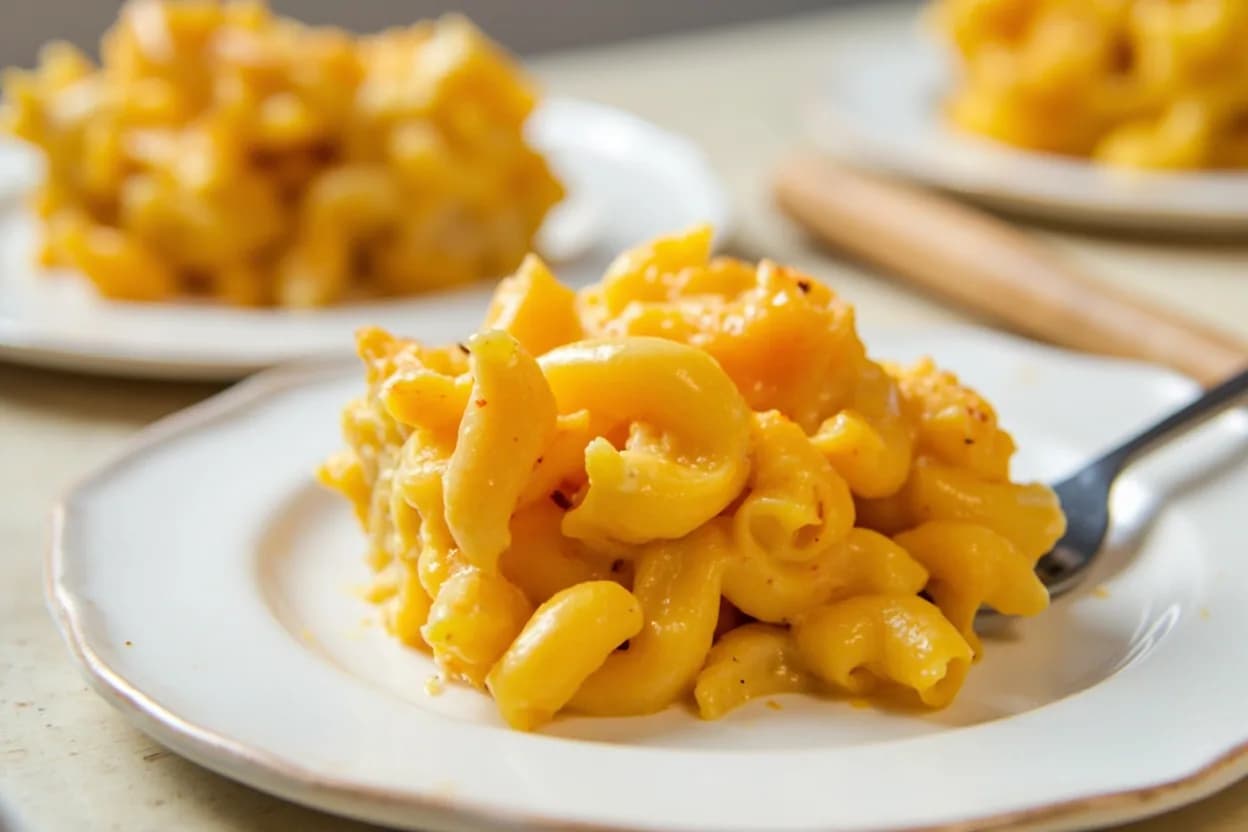
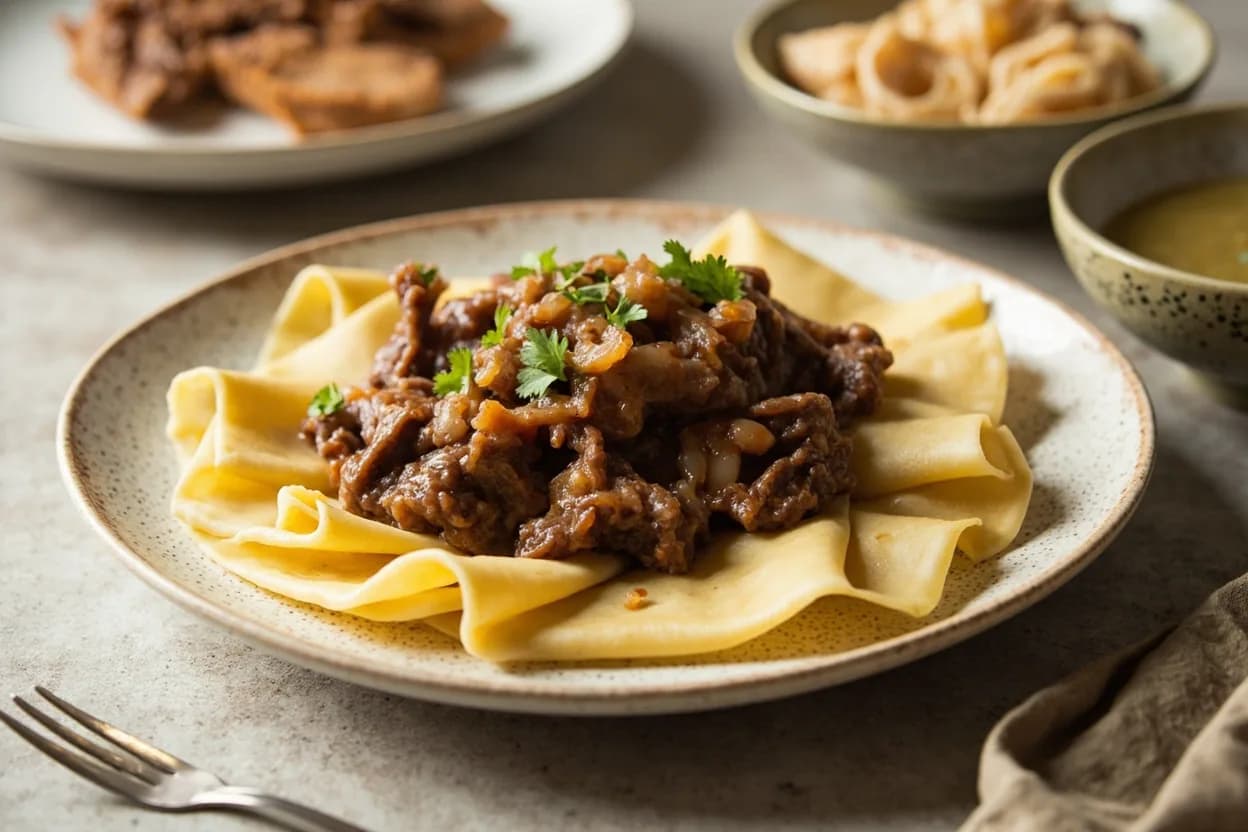
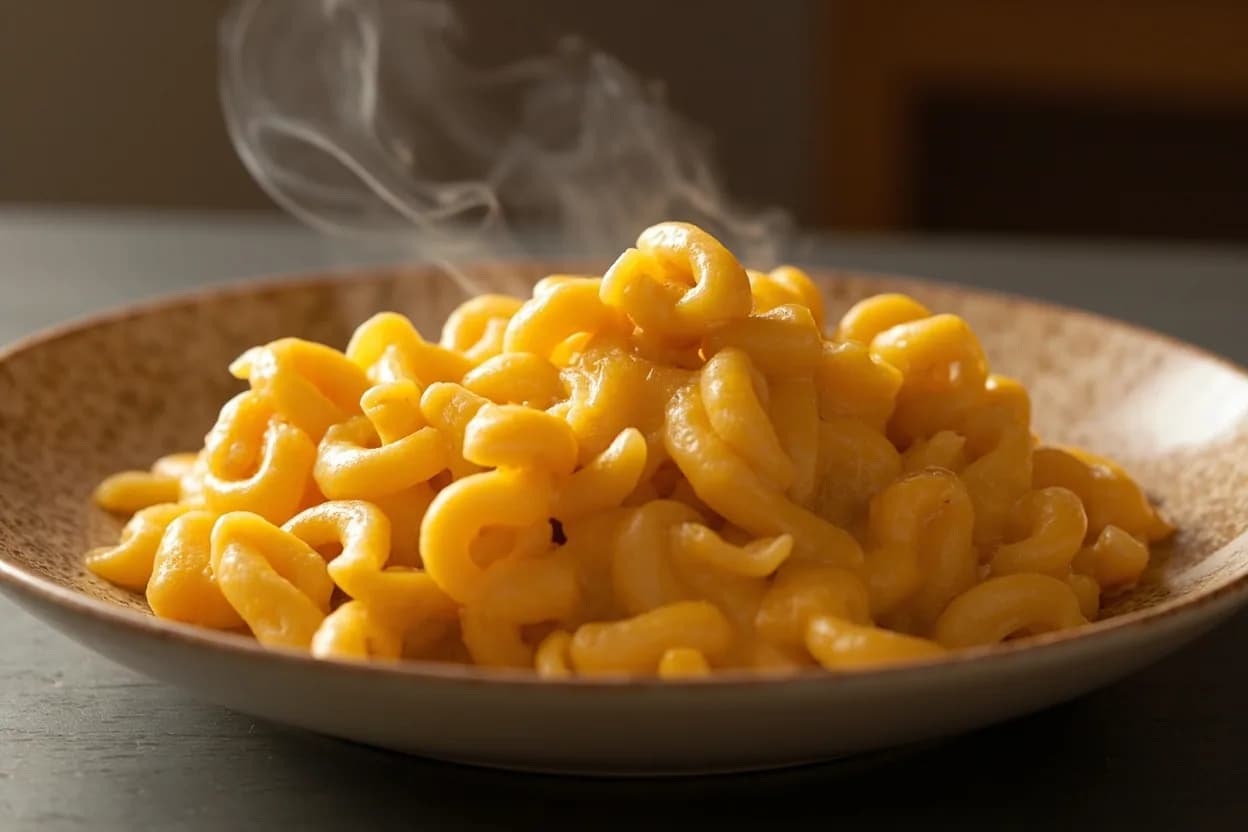
Dishes that rely on it
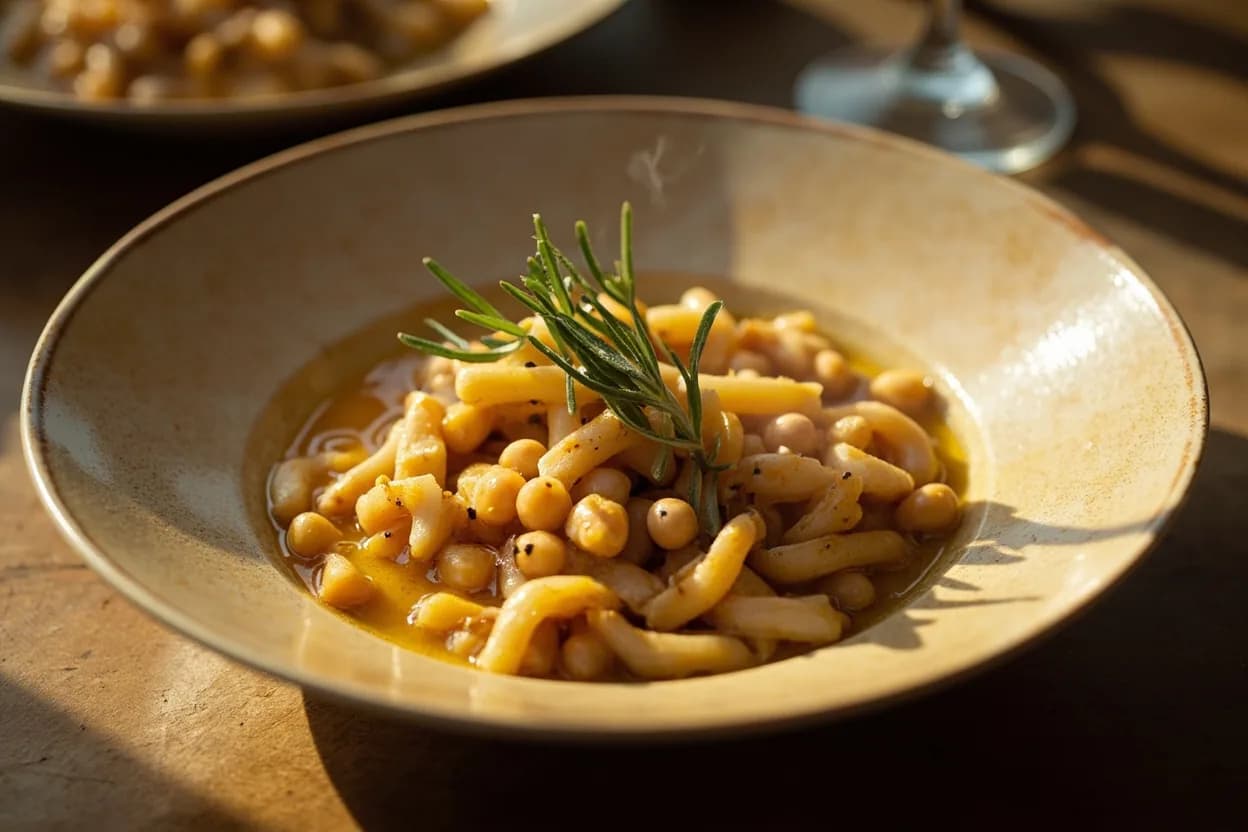
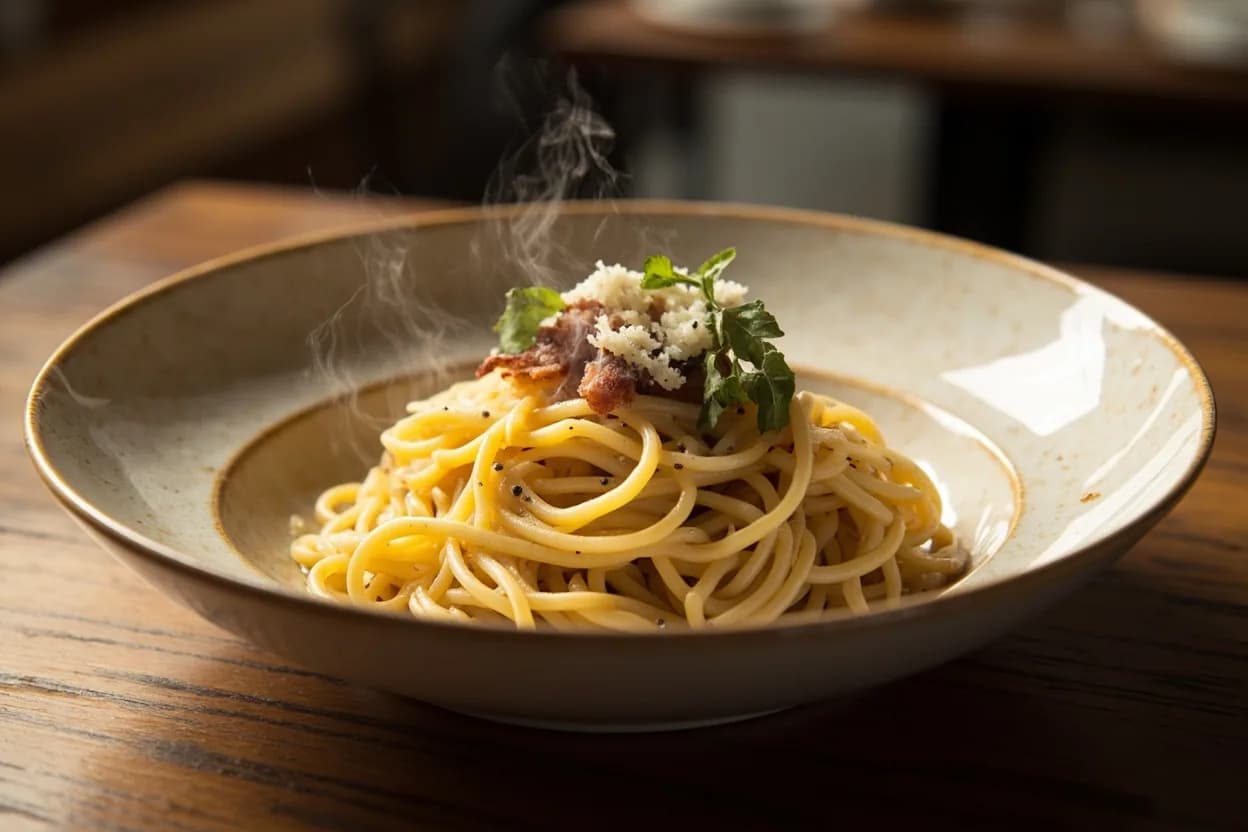
Related

Boil
Cook in vigorously bubbling liquid at full rolling heat

Simmer
Hold liquid at a gentle shimmer for tender, unhurried cooking

Poach
Cook gently in barely-trembling liquid for silky, tender results

Steam
Cook in rising vapor to keep color, nutrients, and shape intact

Blanch
Plunge briefly in boiling water, then shock cold to lock color

Braise
Sear, then cook slow in a little liquid until fall-apart tender

Stew
Simmer bite-sized pieces fully submerged into a rich, unified pot

Sous-Vide
Seal and cook in precise warm water for edge-to-edge doneness