Water & Steam
Dum (Sealed Slow Steaming)
South Asian method of sealing a pot with dough and cooking on low heat so trapped steam slow-cooks the food.
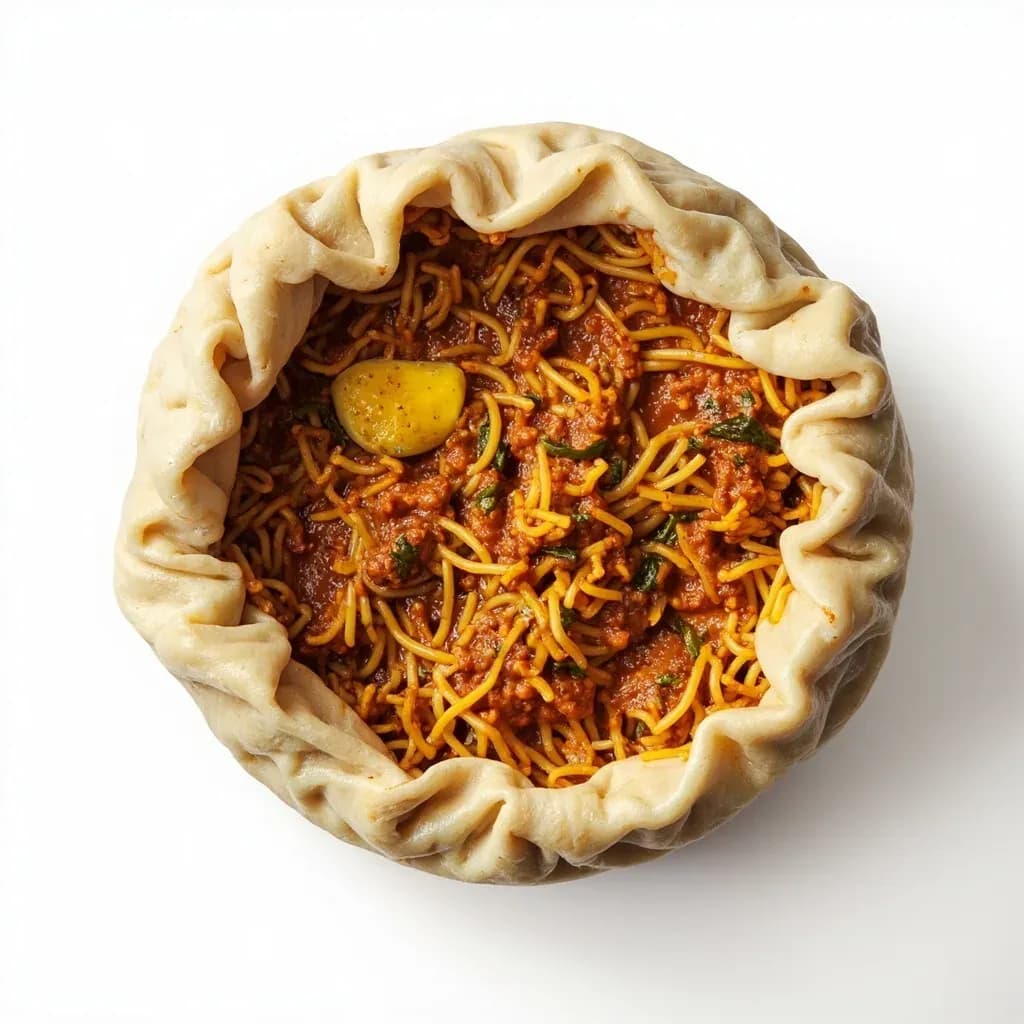
Dum is the Indian and South Asian technique of sealing a heavy pot's lid with a band of dough so steam cannot escape, then cooking over very low heat. Trapped aromatic steam gently cooks and infuses the food, classically in dum biryani and dum aloo. The seal locks in moisture and fragrance, producing tender, deeply flavored results.
Dum is a South Asian slow-steaming technique in which a heavy pot is sealed airtight — traditionally with a rope of stiff wheat-flour dough pressed into the seam between pot and lid — and set over the lowest possible heat for a long, undisturbed cook. Because nothing can escape as steam, every drop of moisture released by the food condenses on the lid and rains back down through the layers, so the dish effectively braises in its own juices without ever drying out. The result is unusually tender meat, rice that is fragrant and aromatic at the grain level rather than waterlogged, and a concentration of flavor that open-pot cooking cannot match.
The genius of the method is its restraint. There is no stirring, no basting, no checking. Once the seal is set and the flame lowered, the cook walks away and trusts the physics: gentle heat vaporizes moisture, the vapor circulates inside the closed vessel, and the food cooks evenly from all sides — including, in traditional practice, from glowing charcoal placed on the lid to radiate heat downward. The technique was refined in the kitchens of the Nawabs of Awadh in the 18th and 19th centuries and remains the foundation of Mughal-influenced cookery from Lucknow and Hyderabad to Kashmir and Kolkata.
For the home cook, dum is less a recipe than an environment you create around a recipe. The dish you build inside the pot — a biryani, a dum aloo, a whole leg of lamb — still follows its own rules of marination, layering, and seasoning. The sealed pot simply protects those choices from evaporation and overheating, and gives tough cuts and dense rice the time they need without attention.
- Difficulty
- Medium
Types & varieties
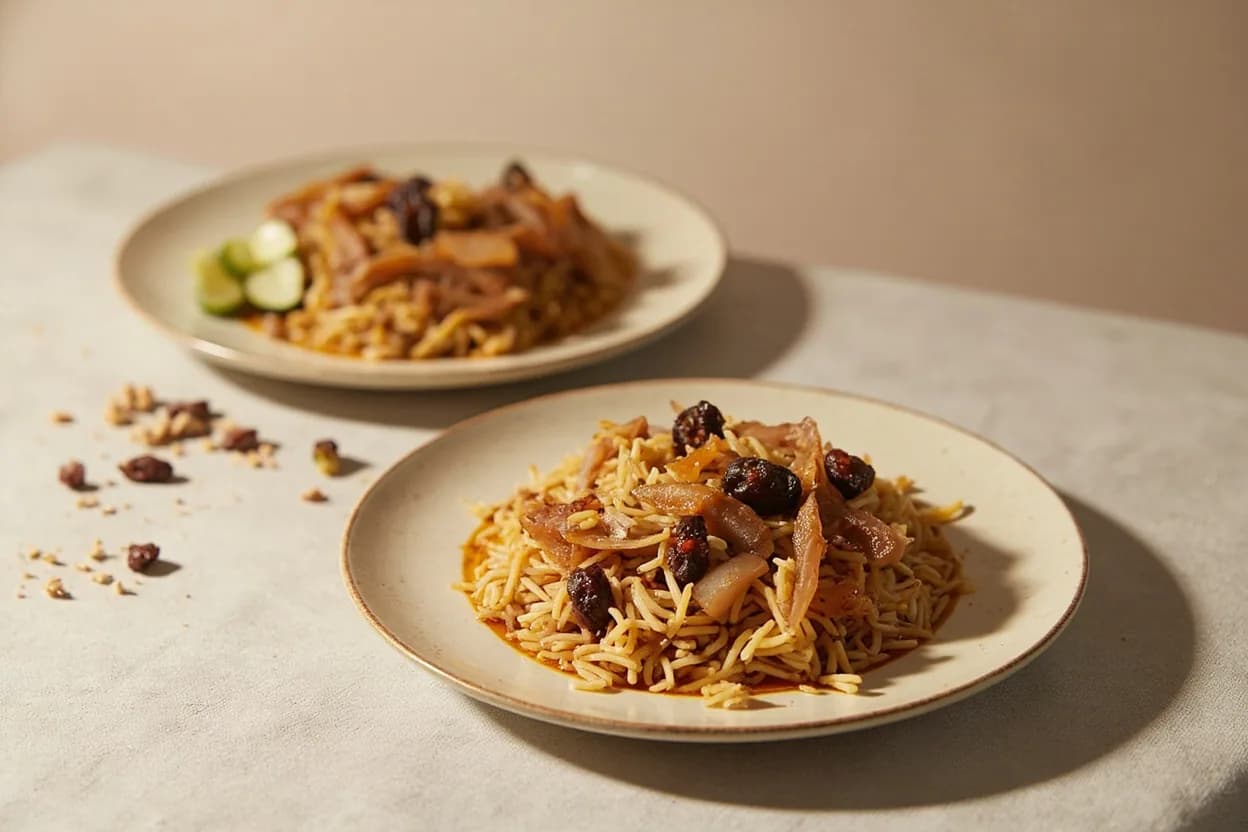
The original slow-steam tradition from Lucknow — minimal spice, long sealed cook, focus on the natural flavor of meat and aromatics like ittar and saffron.
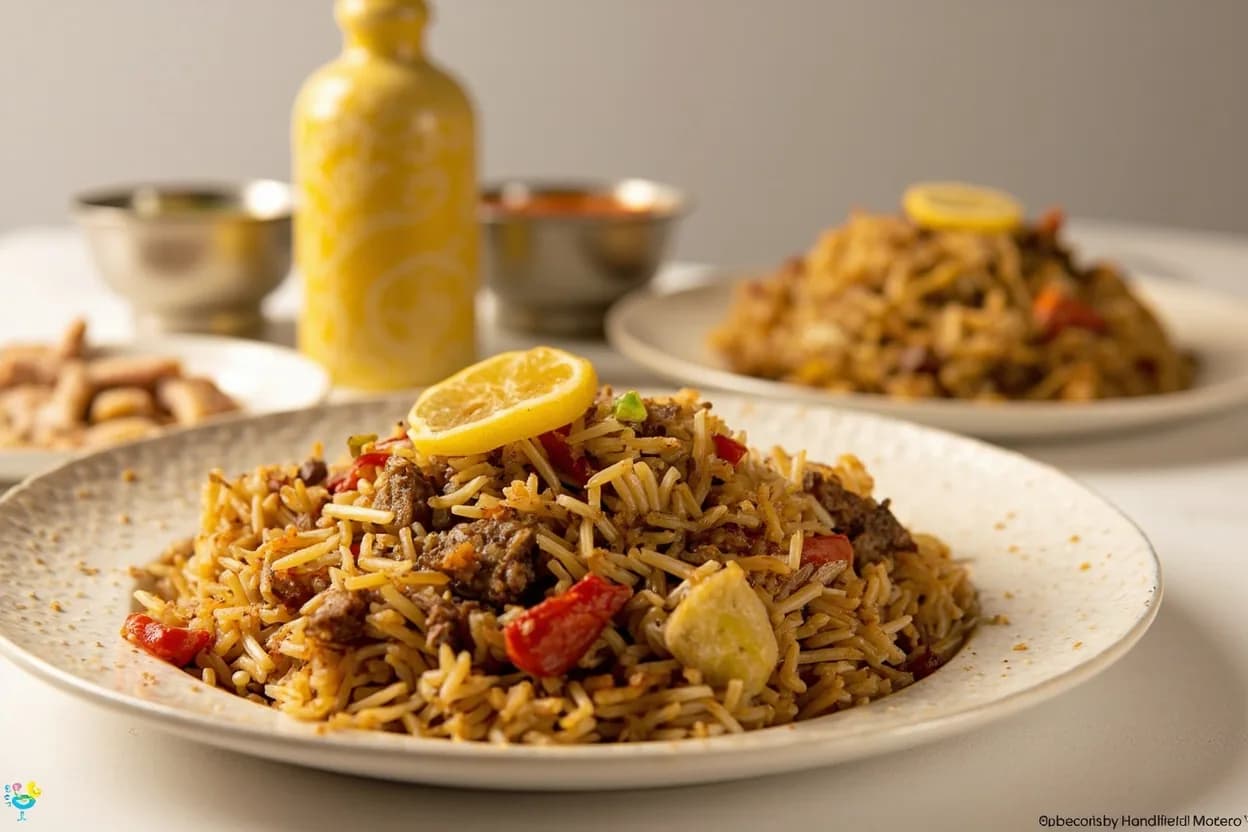
Raw marinated meat layered with par-cooked rice and sealed; meat and rice finish together in one long sealed phase. The basis of Hyderabadi biryani.
Pre-cooked meat layered with rice; the sealed phase is shorter because the rice is absorbing residual steam rather than cooking through.
Lighter spice profile with potato and a single boiled egg, ghee and kewra water for aroma, and a relatively short dum phase.
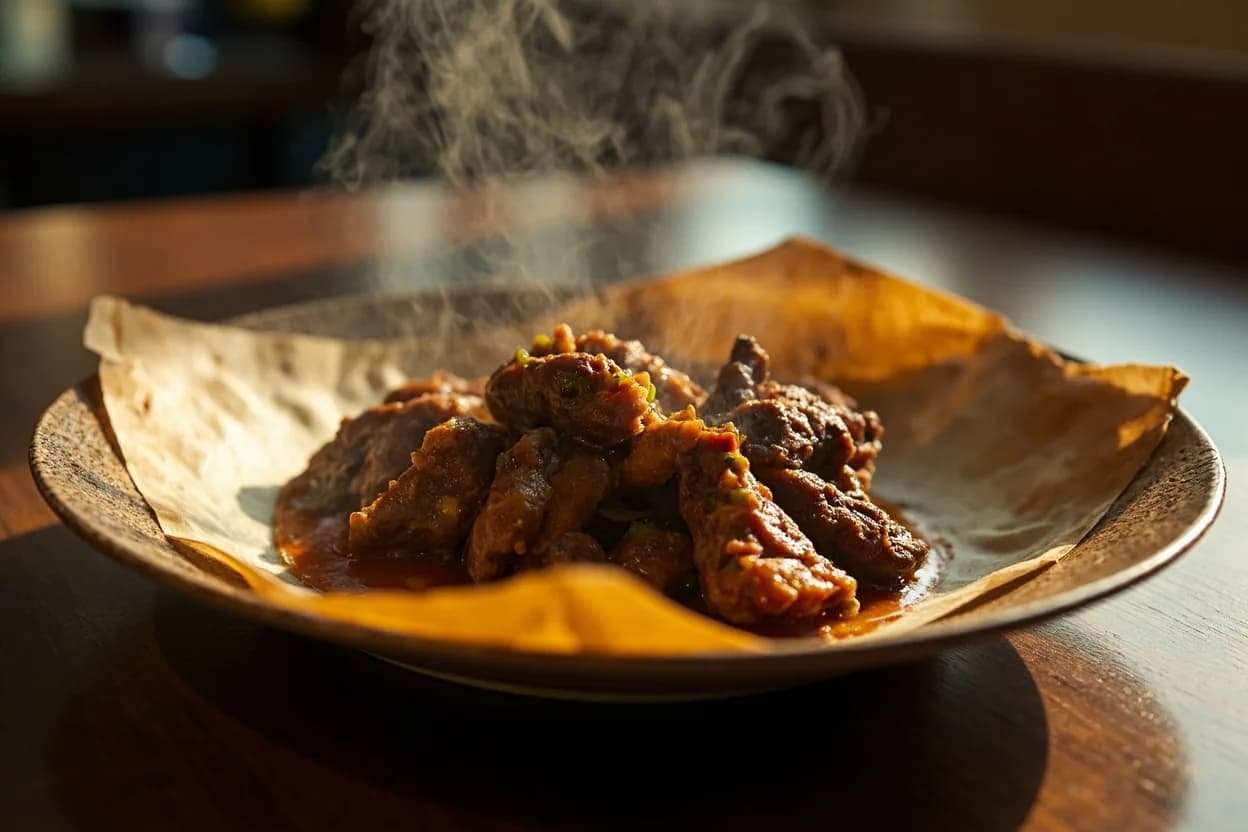
Non-biryani preparations such as dum aloo, dum ka murgh, dum ka gosht, and dum keema — meat or vegetables slow-cooked sealed in a thick sauce.
Built on mustard oil, yogurt, and Kashmiri chillies; dum aloo is the signature, with whole pricked potatoes slow-cooked in a sealed pot.
How to do it
- 1
Prepare every component in advance
Marinate meat in yogurt and spices (at least an hour, longer for mutton). If making biryani, par-cook rice to about 70% and drain. Have fried onions, saffron-soaked warm milk, mint, coriander, melted ghee, and whole spices measured and ready. Once the pot is sealed, it does not open.
- 2
Choose and preheat the vessel
Use a heavy-bottomed handi or a Dutch oven with a tight-fitting lid — the heavier the pot, the more even the long, slow heat retention. Warm the empty pot briefly on low heat before layering.
- 3
Layer the ingredients
Build the dish in layers following the recipe: usually a base of sauce or rice, then meat, then a top layer of rice that can handle direct heat. Tuck fried onions, herbs, whole spices, and drizzled ghee between every layer.
- 4
Add the final liquid
Pour in stock, saffron milk, kewra water, or extra ghee as the recipe directs. Remember the sealed pot recycles all moisture, so add roughly 25% less liquid than you would for an open-pot version.
- 5
Fit the lid
Place the lid on the pot and press down so it sits flush against the rim with no visible gap.
- 6
Seal with dough
Mix stiff wheat-flour (atta) dough with just enough water to hold its shape. Roll it into a thick rope and press it firmly along the entire seam where lid meets pot, sealing every gap. Smooth it with wet fingers so there are no cracks.
- 7
Apply gentle, indirect heat
Set a tawa (flat griddle) over the lowest possible flame and place the sealed pot on top — or set the pot on a bed of low charcoal. Direct high flame burns the base before steam pressure builds inside.
- 8
Optional: add top-down heat
For whole chickens, large joints, or any cook over 90 minutes, place a small steel bowl of glowing charcoal on the lid and drizzle a spoonful of ghee over the coals so they smoke gently. The lid heats and radiates downward.
- 9
Cook undisturbed
About 45 minutes for vegetables, 1.5 hours for chicken, 2–3 hours for mutton, longer for a whole leg. Do not lift the lid — every break in the seal vents the trapped steam and lengthens the cook.
- 10
Rest, then open
Turn off the heat, break and discard the dough seal, and lift the lid away from your face to avoid the burst of steam. Let the dish rest 10–15 minutes so moisture redistributes evenly through the layers before serving.
Kacchi vs Pakki: Two Ways to Reach the Seal
The dum itself behaves the same way in both traditions — sealed pot, low heat, no opening — but what goes into the pot beforehand is different, and the difference changes how you plan the cook.
- Kacchi dum (Hyderabadi): raw marinated meat is layered with rice that has only been par-cooked to about 70%. The sealed phase is long — often well over an hour — because the meat is still raw and the rice still firm. This is the more theatrical version, where the moment the seal is broken releases a dramatic burst of aromatic steam.
- Pakki dum (Lucknowi/Awadhi): meat is fully cooked in its own gravy first, then layered with rice that is also close to done. The dum phase is shorter — typically 20–40 minutes — and its job is to let the rice absorb residual moisture and the flavors meld, not to cook anything through.
- If you are unsure which to use: kacchi for deeply flavored, fall-apart meat dishes where time is on your side; pakki for everyday biryanis where reliability matters more than drama.
The Physics of a Working Seal
The dough rope is not decorative and the sealed pot is not a sealed oven — it is a closed loop of recycled moisture, and small details decide whether the loop holds.
- Steam pressure inside the pot must stay slightly above atmospheric pressure. Any gap in the seal vents steam, the pressure drops, and the food begins to dry and scorch at the bottom.
- Because water cannot escape, you must use less added liquid than you would for the same dish cooked open — roughly three-quarters of the usual amount.
- Top-down heat from glowing charcoal on the lid exists because convection alone leaves the upper layers undercooked in long cooks; the lid heat compensates.
- A heavy pot is not optional. Thin metal transmits the flame directly to the base long before the inside has come up to a useful temperature, scorching the bottom layer.
Common uses
Tips & pitfalls
- Use the lowest possible heat — high flame scorches the base long before steam pressure builds inside the pot.
- Press the dough rope firmly into the rim with no gaps; steam will find any opening and the food will dry out and burn at the bottom.
- A heavy-bottomed handi is essential; thin pots burn through the base during long cooks no matter how low the flame.
- Always set the pot on a tawa or griddle to diffuse the flame into even, indirect heat.
- Never lift the lid during cooking — each break vents the trapped steam and effectively restarts the cook.
- Rest the dish 10–15 minutes after breaking the seal so moisture redistributes through the rice or sauce.
- The dough seal is a gasket, not a crust — discard it; it is not meant to be eaten.
- If you do not have a handi, a tight-fitting Dutch oven with the lid wrapped in a wet kitchen towel tied around the rim is a workable modern substitute for the dough seal.
- Use about 25% less added liquid than the same dish would need cooked open — the sealed pot recycles every drop of moisture.
- For biryani, smear the inside of the pot with ghee before layering; it prevents sticking and helps the rice release cleanly when you serve.
Good to know
- Origin
- Indian subcontinent; technique refined in Awadh (modern Uttar Pradesh) during the Mughal era
- Period
- 18th–19th centuries under the Nawabs of Awadh, building on older Persianate sealed-vessel cookery
- Etymology
- From Persian/Urdu 'dum' meaning breath or steam; 'dum pukht' pairs 'dum' (steam) with 'pukht' (cooked/ripened)
- Primary vessel
- Handi — a heavy-bottomed pot, traditionally earthenware (mitti ka handi) or copper/brass, now commonly aluminum or steel
- Seal material
- Stiff wheat-flour (atta) dough rolled into a rope and pressed into the rim seam
- Heat level
- Very low and indirect, usually diffused through a tawa (flat griddle) under the pot
- Cook times
- About 45 minutes for vegetables, 1.5–3 hours for meat, longer for whole joints
- Core principle
- Airtight seal traps steam inside; food cooks in its own moisture with no evaporation, concentrating flavor
Also called
dum pukht · dum cooking
Dishes that rely on it
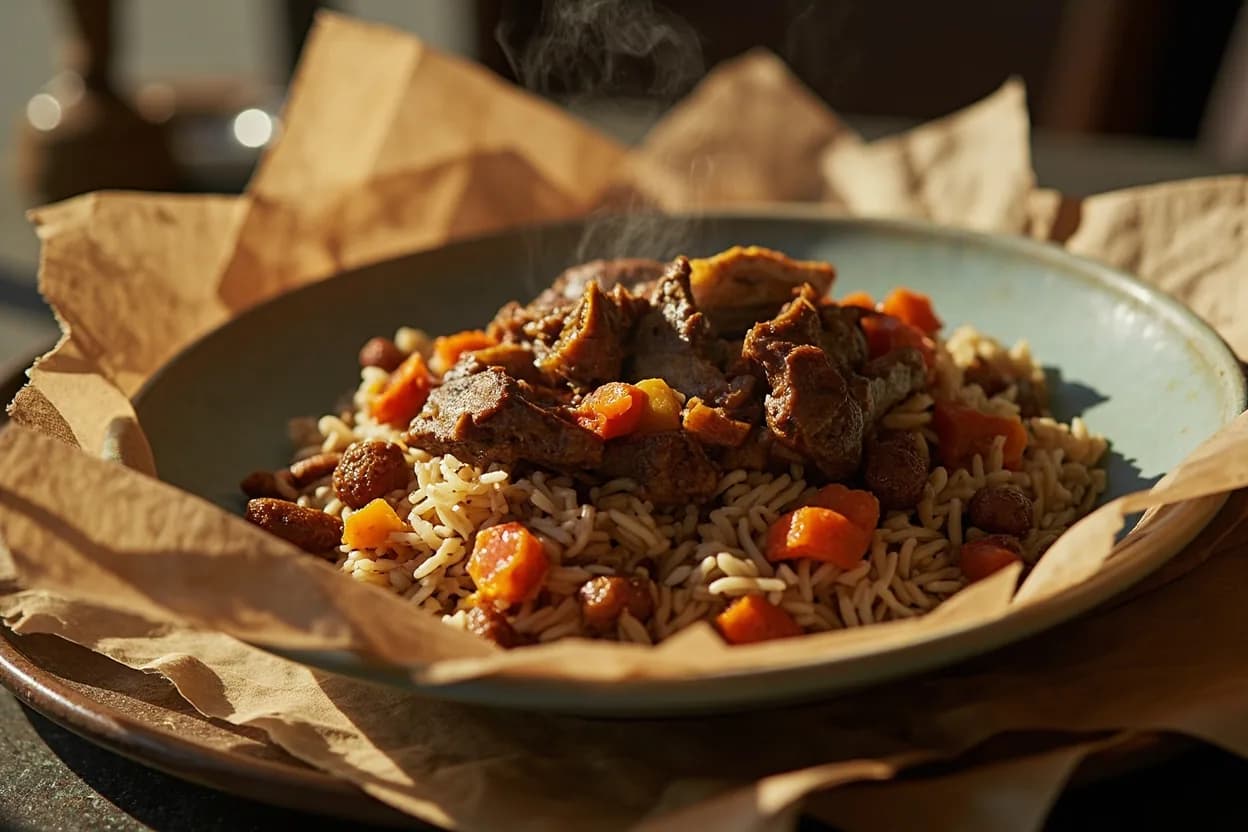
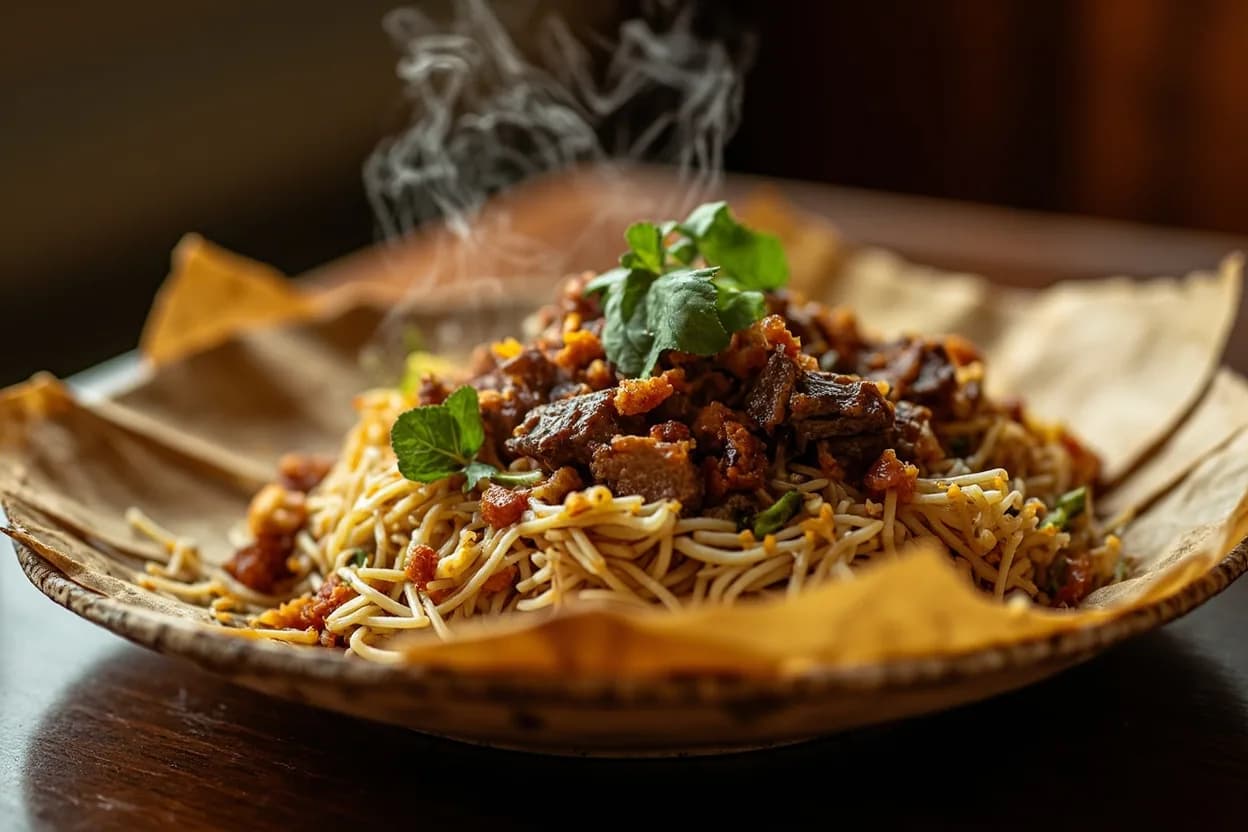
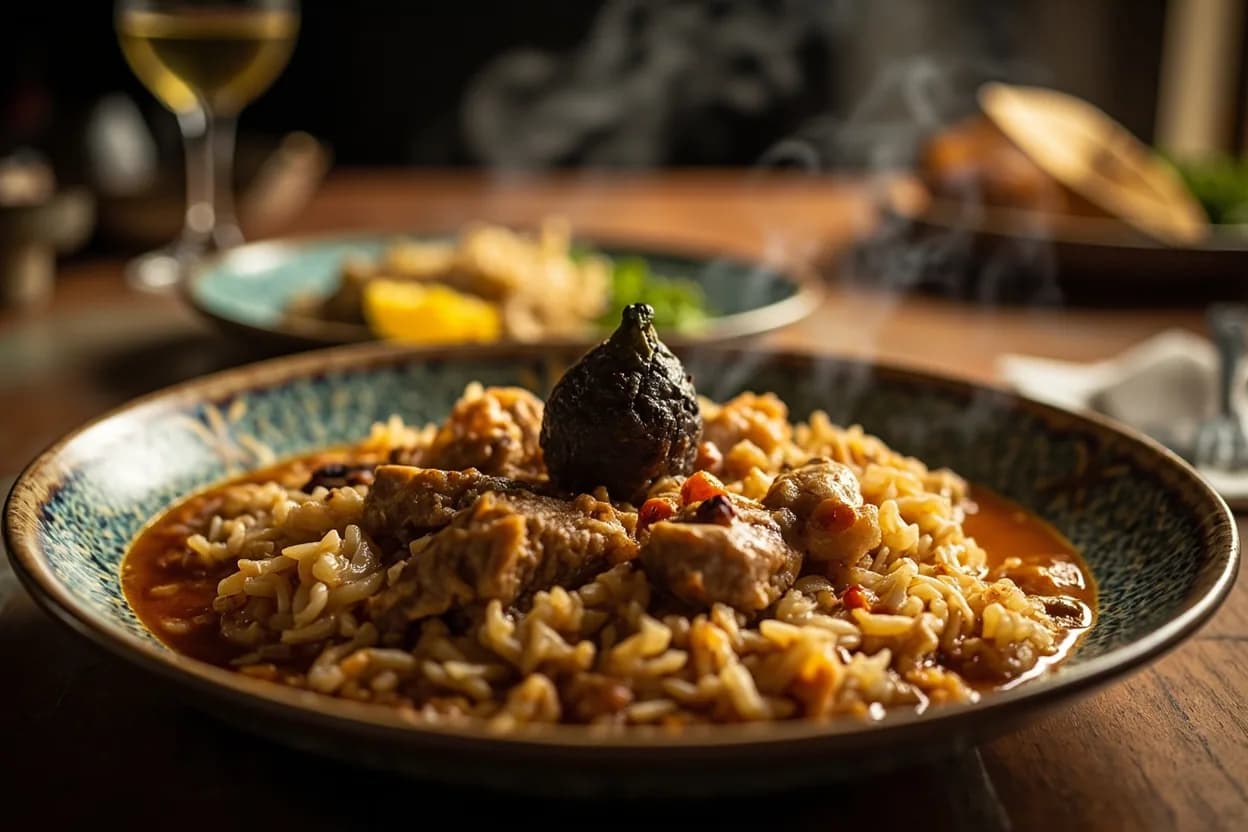

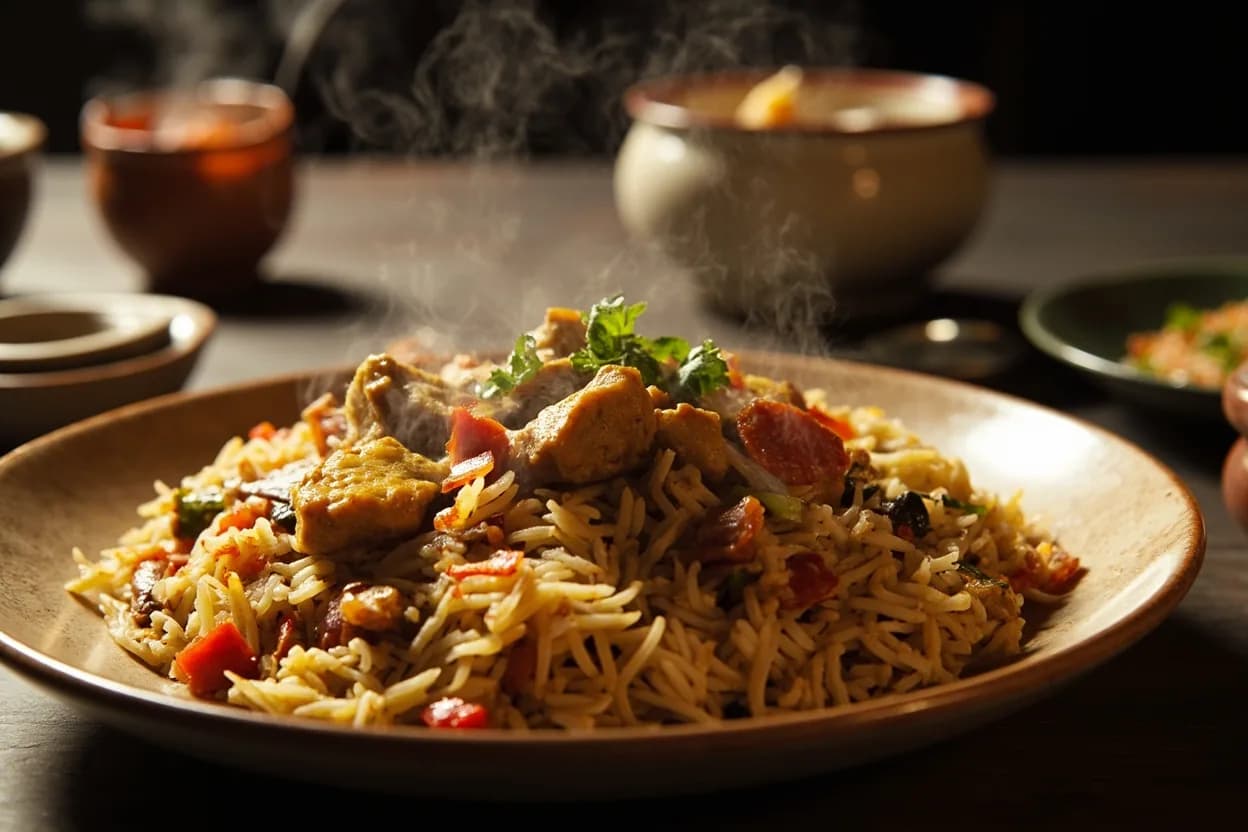
Related

Boil
Cook in vigorously bubbling liquid at full rolling heat

Simmer
Hold liquid at a gentle shimmer for tender, unhurried cooking

Poach
Cook gently in barely-trembling liquid for silky, tender results

Steam
Cook in rising vapor to keep color, nutrients, and shape intact

Blanch
Plunge briefly in boiling water, then shock cold to lock color

Braise
Sear, then cook slow in a little liquid until fall-apart tender

Stew
Simmer bite-sized pieces fully submerged into a rich, unified pot

Sous-Vide
Seal and cook in precise warm water for edge-to-edge doneness