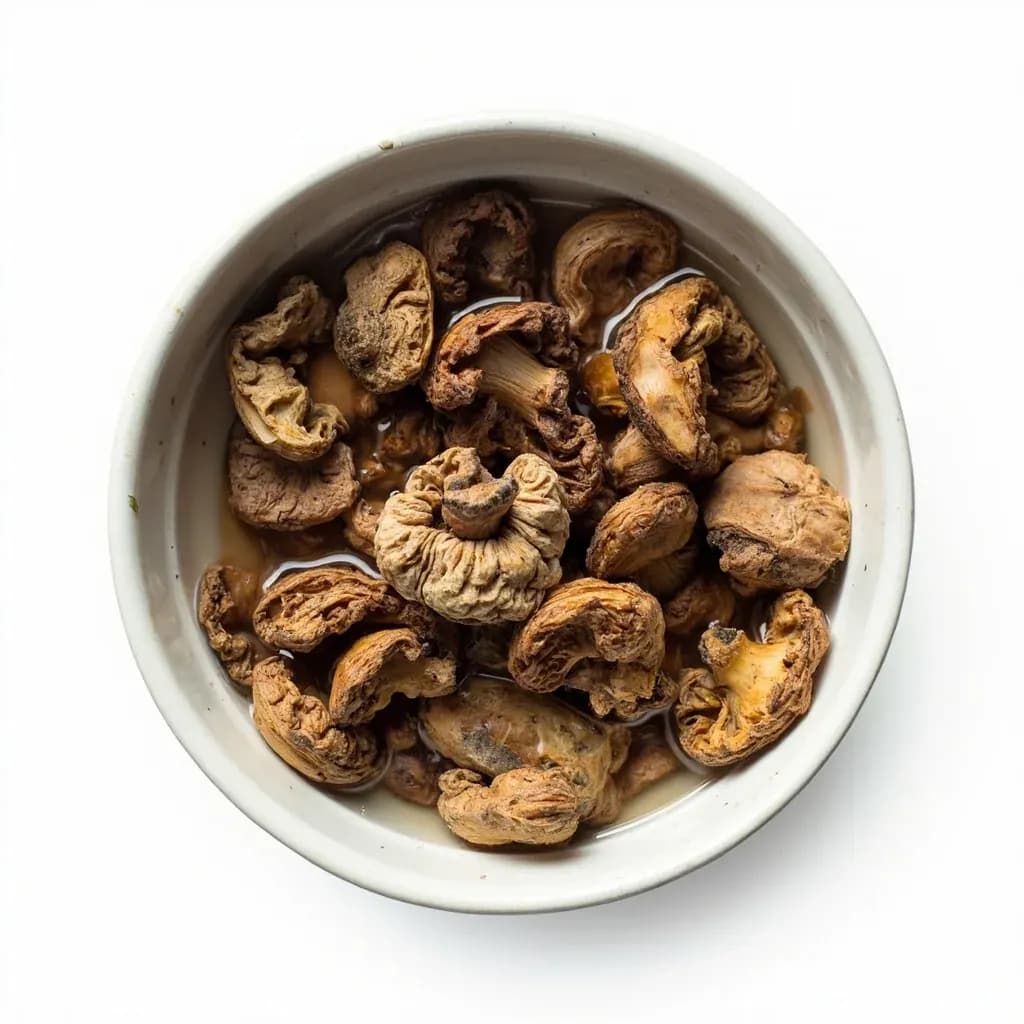
Water & Steam
Reconstituting Dried Goods
Soaking dried ingredients in liquid to restore their texture and bulk.
Reconstituting rehydrates dried ingredients such as mushrooms, chiles, beans, qurut, or dried mixes by soaking them in water or other liquid until they soften and swell. It returns the ingredient to a usable texture and is the first step before cooking with most dried foods. The flavorful soaking liquid is often saved and added back to the dish rather than discarded.
Reconstituting dried goods is the act of returning a shelf-stable, dehydrated ingredient to something close to its original texture by soaking it in liquid. Drying is among the oldest preservation techniques known to cooking — dried beans, grains, and fruit have been found in sites more than ten thousand years old — and almost every cuisine carries a version of the method because dehydration concentrates flavor, extends storage, and reduces weight into something easy to ship or store. The cook's job in reconstitution is simply to put the water back in a controlled way, but the choices made during that step (liquid, temperature, salt, acid, time) shape the finished dish as much as the final sauté or simmer.
In practice, dried goods absorb between 1.5 and 4 times their weight in liquid. A cup of dried beans will yield roughly 2 to 2½ cups cooked; an ounce of dried porcini will give you about 3 to 4 ounces of plump caps. Time and temperature do most of the work: cold or cool water for long, gentle rehydration of beans and grains; warm to hot water for quicker recovery of fibrous items like mushrooms, chiles, and sun-dried tomatoes. The technique is forgiving — there are very few dried ingredients that cannot be rescued with patience and enough liquid — but a handful of details (salt timing, acid timing, age of the bean, whether you save the soaking water) separate a competent result from a great one.
- Difficulty
- Easy
Types & varieties
Slow rehydration at cool or room temperature; the standard for beans, grains, dried bread, and for blooming gelatin
Faster rehydration with warm or hot water; the standard for dried mushrooms, chiles, and sun-dried tomatoes
Boil 1–2 minutes, then rest covered off heat for about 1 hour; a classic shortcut for dried beans when time is short
Lentils, split peas, small grains, dried pasta, and couscous cook directly in their final liquid with no separate soak
Dried fruits macerated in rum, brandy, port, or fruit juice to layer in flavor for cakes, tagines, and desserts
Less common; keeps the soaking liquid at full strength and avoids dilution, used for delicate herbs or rice-paper wrappers
How to do it
- 1
Inspect and rinse
Spread the dried goods on a tray and pick out any debris, stones, shriveled pieces, or off-smelling bits. Rinse them briefly under cool running water — especially important for beans, grains, and mushrooms, which can carry dust or grit.
- 2
Choose your liquid
Water is standard, but broth, stock, wine, fruit juice, or alcohol can layer in extra flavor. Match the liquid to the dish: rum for fruitcake, chicken stock for risotto, orange juice for cranberries, white wine for porcini.
- 3
Match temperature to ingredient
Cold or cool water suits long soaks (beans, grains) and for blooming gelatin. Warm or hot water (about 160–190°F / 70–90°C) speeds rehydration for mushrooms, chiles, and sun-dried tomatoes. Boiling is reserved for quick-soak methods or tough items like hominy.
- 4
Submerge with room to expand
Cover the dried goods with enough liquid to allow swelling — most items absorb 1.5 to 4 times their weight. Use a small plate, saucer, or weight to keep floating items submerged; mushrooms especially love to bob at the surface.
- 5
Time the soak
Beans: 8–12 hours cold or about 1 hour after a quick-soak. Mushrooms and chiles: 20–30 minutes. Dried fruits: 10–15 minutes. Seaweed: 5–30 minutes depending on type. Lentils, split peas, small grains, and dried pasta generally need no pre-soak.
- 6
Reserve the soaking liquid
For mushrooms, chiles, sun-dried tomatoes, and dried seafood, the soaking liquid is concentrated flavor. Strain it through a fine-mesh strainer or coffee filter and use it in the cooking liquid, sauce, or stock.
- 7
Drain, dry, and proceed
Drain well and pat the reconstituted ingredients dry with a clean kitchen towel. Surface dryness is the key to browning — wet mushrooms and tomatoes will steam in the pan rather than sear.
The soaking liquid is flavor
For mushrooms, dried chiles, sun-dried tomatoes, and dried seafood, the soaking water is not waste — it is the most concentrated seasoning in the dish. A cup of strained porcini soaking liquid contributes more to a risotto than the reconstituted caps do, and a strained chile soak is the backbone of any serious mole or adobo. Always strain through a fine-mesh sieve or a coffee filter (the filter matters most for mushrooms, which shed fine grit) and fold that liquid into stocks, braises, sauces, or cooking grains.
- Strain mushroom soaking liquid through a coffee filter to remove grit
- Use chile soaking liquid in the braise or sauce for depth
- Reserve tomato soaking liquid for soups, grains, and pan sauces
- Reduce the strained liquid by half if you want a more concentrated hit
- Salt the soaking water for beans; hold acid until beans are nearly tender
The science of beans
Beans are the most-studied corner of this technique, and a few rules are worth internalizing. Salt in the soak and cooking water is now a clear thumbs-up — it seasons the bean throughout and slightly aids softening. Acid (tomato, vinegar, citrus) and sugar slow softening and should be added only when the beans are nearly tender; add them too early and you can end up with mealy beans that never quite break down. Skim the foam that rises during soaking and simmering if you want a clearer cooking liquid. And one practical pitfall: very old dried beans (more than a year or two in storage) develop seed-coat tannins that prevent water absorption, leaving them stubbornly hard no matter how long you soak. Buy dried legumes in quantities you will use within a year.
Common uses
Tips & pitfalls
- Always reserve the soaking liquid from mushrooms, chiles, and sun-dried tomatoes — it carries concentrated flavor; strain mushroom liquid through a coffee filter to remove grit
- Salt bean soak and cooking water if you like; modern tests show it seasons the bean throughout and slightly aids softening
- Hold off on adding acidic ingredients (tomato, vinegar, citrus) to beans until they are nearly tender — acid slows softening and can leave beans mealy
- Toast dried chiles briefly in a dry skillet over medium heat before soaking to deepen and smokify their flavor
- Pat reconstituted mushrooms, tomatoes, and chiles dry with a towel before sautéing to promote browning rather than steaming
- Weigh down floating items like mushrooms with a small plate or saucer so they stay fully submerged
- Use broth, stock, wine, or juice instead of water to layer in extra flavor during rehydration
- Don't soak dried bread indefinitely — aim for just-saturated crumbs in panzanella, bread pudding, and stuffing, or it dissolves
- Old beans (more than 1–2 years old) can stubbornly refuse to soften no matter how long you soak them — buy dried legumes in quantities you will use within a year
- Skim and discard the foam that rises when soaking and simmering beans if you want a clearer cooking liquid
Good to know
- Definition
- Restoring moisture and texture to dried foods by immersing them in a liquid
- Rehydration ratio
- Most dried goods absorb 1.5–4 times their weight in liquid
- Liquids used
- Water, broth, stock, wine, fruit juice, alcohol, oil, or milk
- Yield (beans)
- 1 cup dried beans yields approximately 2–2.5 cups cooked
- Yield (mushrooms)
- 1 oz (28 g) dried mushrooms yields approximately 3–4 oz reconstituted
- Bean soak (cold)
- 8–12 hours at cool room temperature or overnight in the refrigerator
- Bean quick-soak
- Boil 2 minutes, remove from heat, cover, and rest about 1 hour
- Mushroom soak
- 20–30 minutes in warm water, around 160–180°F (70–82°C)
- Chile soak
- 20–30 minutes in near-boiling water
- Storage of dried goods
- Airtight container, cool, dark, dry place; 6–12 months for most items, longer vacuum-sealed or frozen
- Difficulty
- Easy; technique is forgiving and largely a function of time
Also called
Rehydrating Dried Goods · Rehydrating Dried Chiles · Reconstituting (Dry Mixes/Bases)
Dishes that rely on it
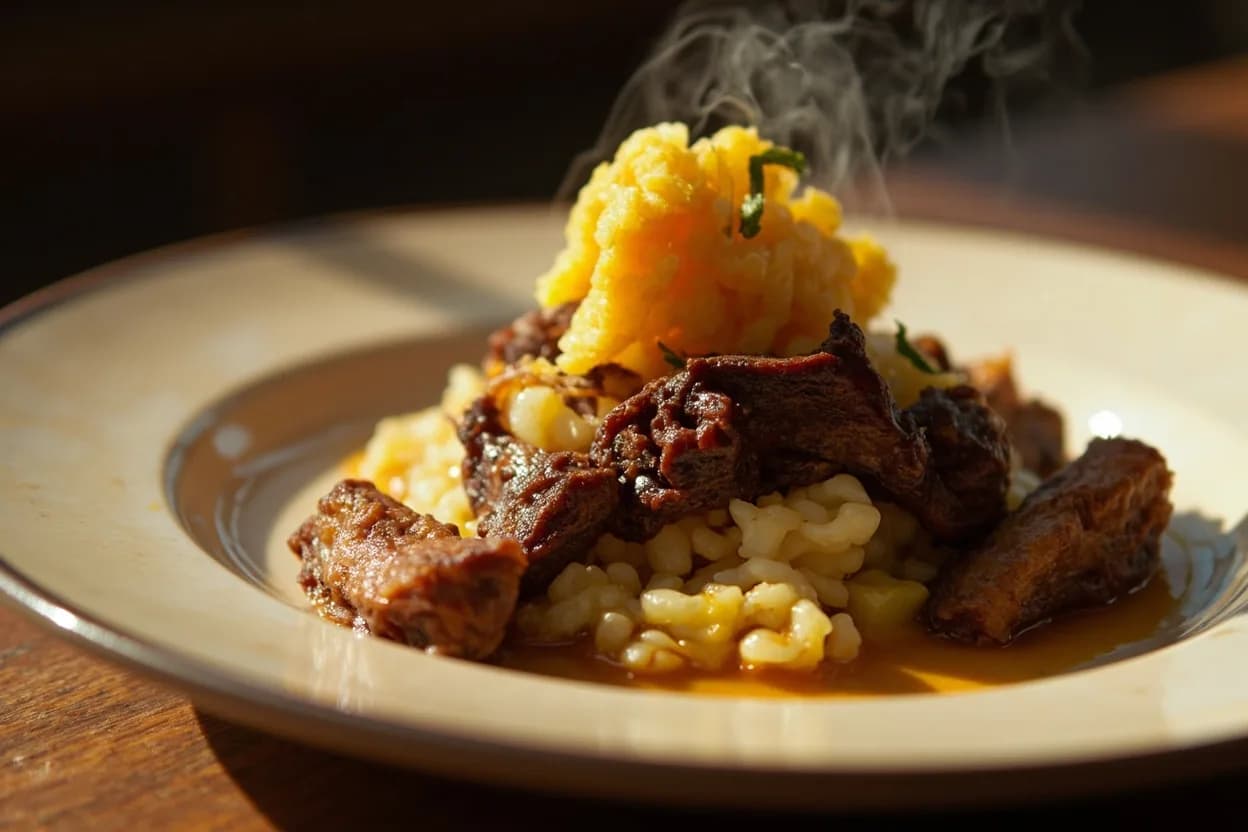
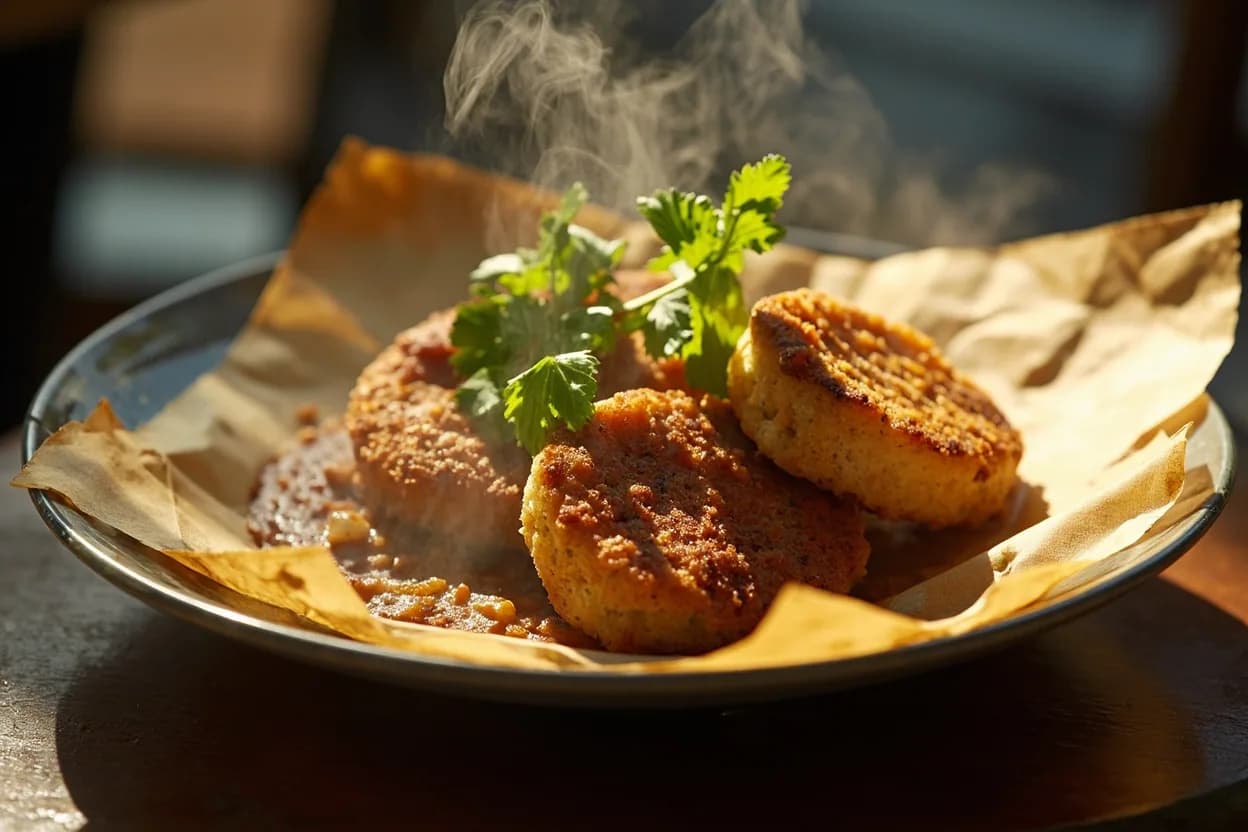
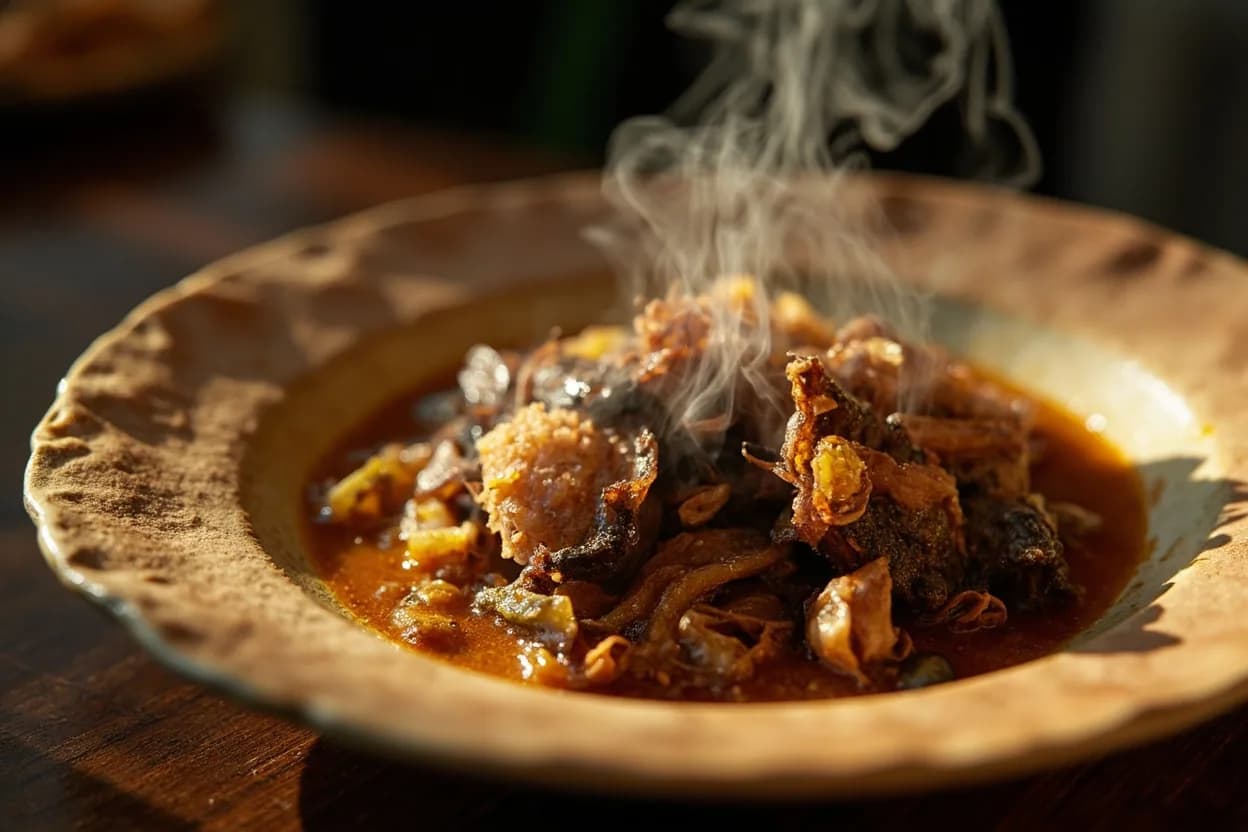
Related

Boil
Cook in vigorously bubbling liquid at full rolling heat

Simmer
Hold liquid at a gentle shimmer for tender, unhurried cooking

Poach
Cook gently in barely-trembling liquid for silky, tender results

Steam
Cook in rising vapor to keep color, nutrients, and shape intact

Blanch
Plunge briefly in boiling water, then shock cold to lock color

Braise
Sear, then cook slow in a little liquid until fall-apart tender

Stew
Simmer bite-sized pieces fully submerged into a rich, unified pot

Sous-Vide
Seal and cook in precise warm water for edge-to-edge doneness