
Prep & Assembly
Purée
Process food into a perfectly smooth, uniform paste or liquid
Puréeing processes cooked or soft food into a completely smooth paste or liquid using a blender, processor, or food mill. It's the basis of velvety soups, sauces, and baby food. For the silkiest result, blend thoroughly and pass it through a fine sieve to catch any stray fibers.
Pureeing processes cooked or soft food into a completely smooth paste or liquid with a blender, processor, or food mill. It's the basis of velvety soups, sauces, and baby food. For the silkiest result, blend thoroughly and pass it through a fine sieve to catch stray fibers.
- Difficulty
- Easy
How to do it
- 1
Cook or soften the food first.
- 2
Process it with enough liquid to move freely.
- 3
Blend thoroughly until completely smooth.
- 4
Pass through a fine sieve for the silkiest finish.
Common uses
Tips & pitfalls
- A food mill removes skins and seeds as it purees — great for tomatoes.
- Vent the blender for hot purees so pressure doesn't build.
- Add liquid gradually; you can always loosen but not un-thin.
Good to know
- Tool
- Blender, food processor, or food mill
- Best for
- Soups, sauces, baby food, dips
- Cue
- Uniformly smooth, no lumps or fibers
Also called
puree · blend smooth
Dishes that rely on it
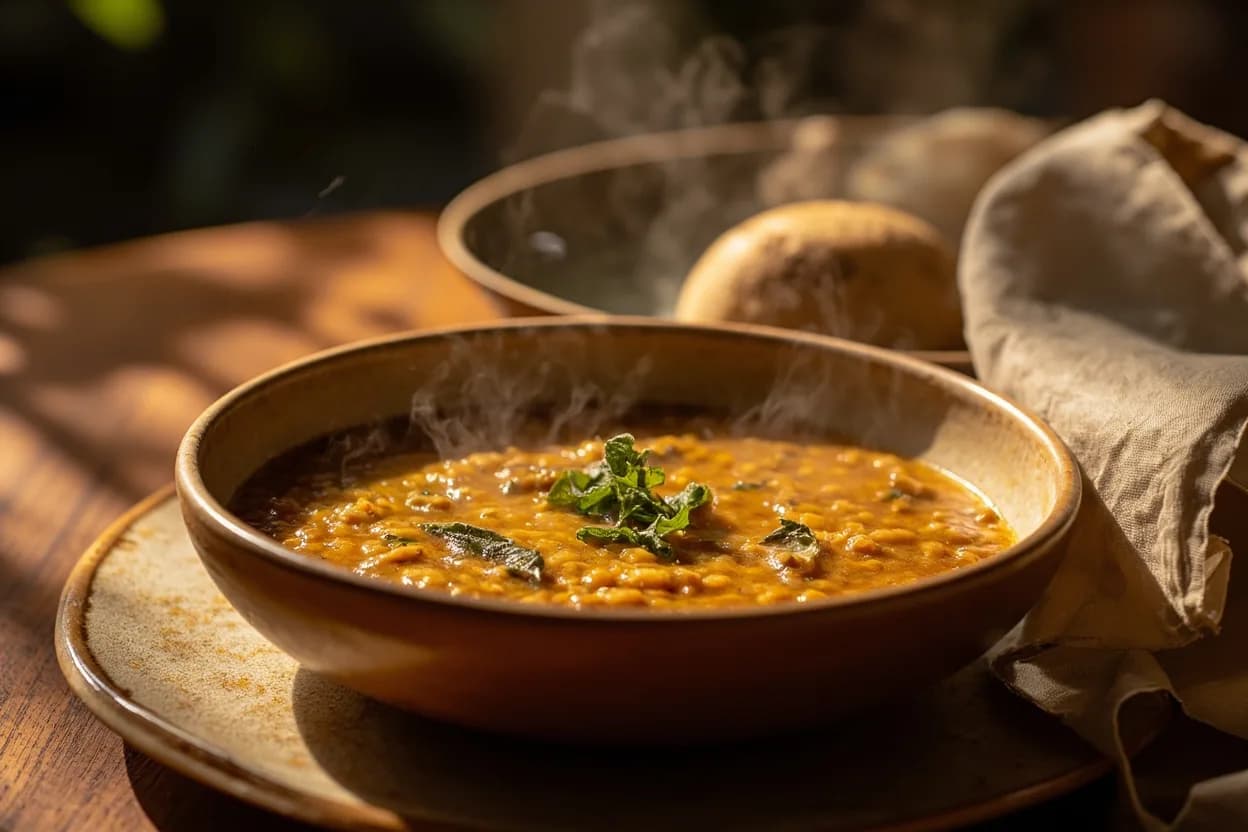
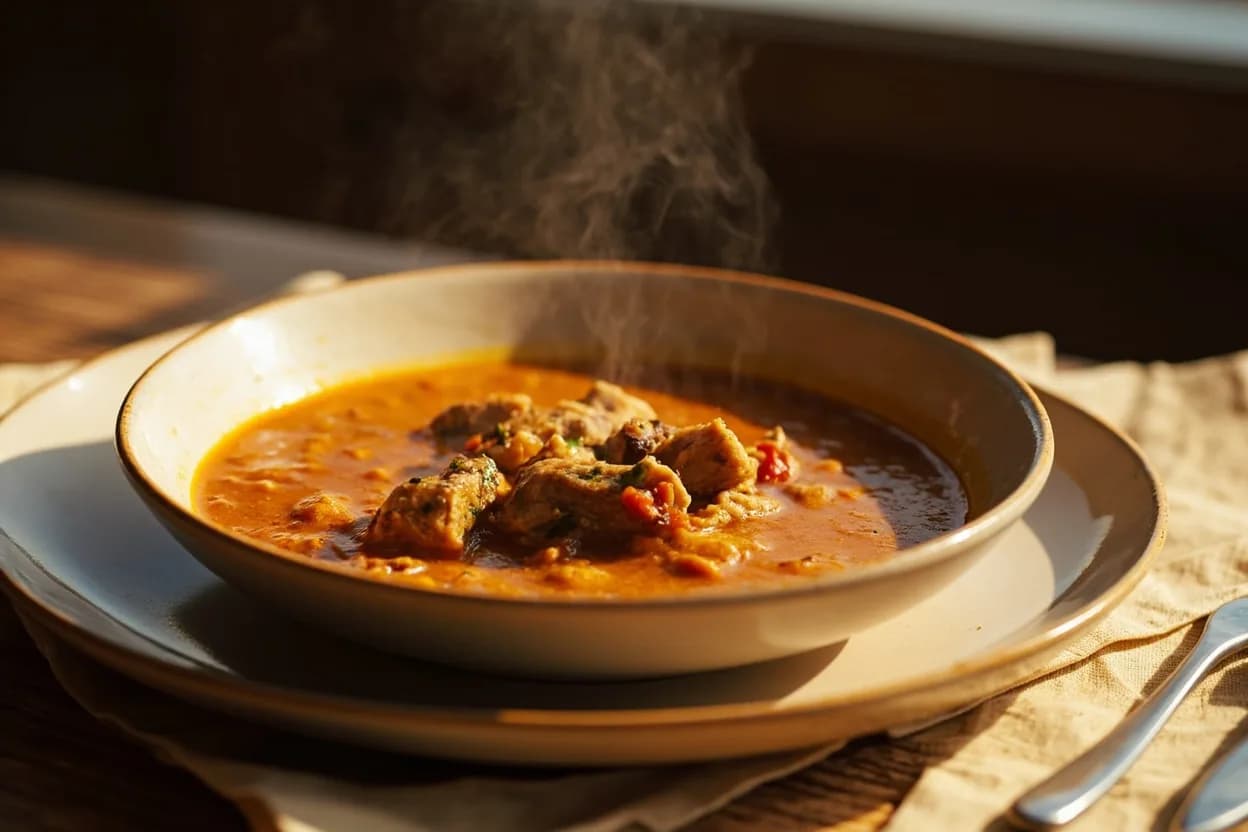
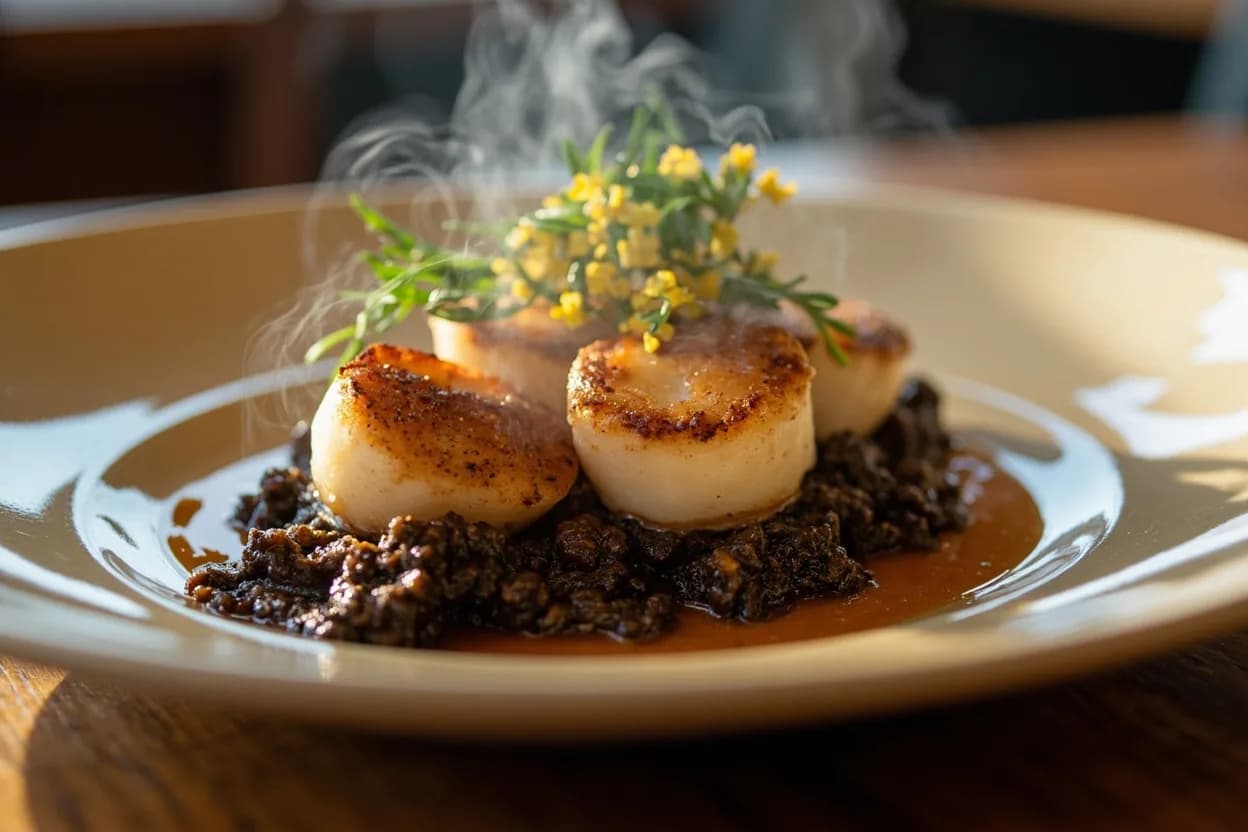

Related

Whisk
Beat ingredients smooth and aerated with a looping wire motion

Sift
Pass dry ingredients through mesh to aerate and remove lumps

Strain
Pour through mesh to separate solids from liquid for a smooth result

Filter
Pass liquid through fine material to clarify out the smallest particles

Rice
Press cooked potatoes through small holes for fluffy, lump-free texture

Mash
Crush soft cooked food into a rustic, creamy purée

Grind
Crush food into a coarse to fine texture, from spices to meat

Grate
Shred food into fine bits against a sharp-toothed surface