Water & Steam
Steam Baking
Adding steam to the oven early in baking to delay crust set and create a crisp, glossy, well-risen loaf.
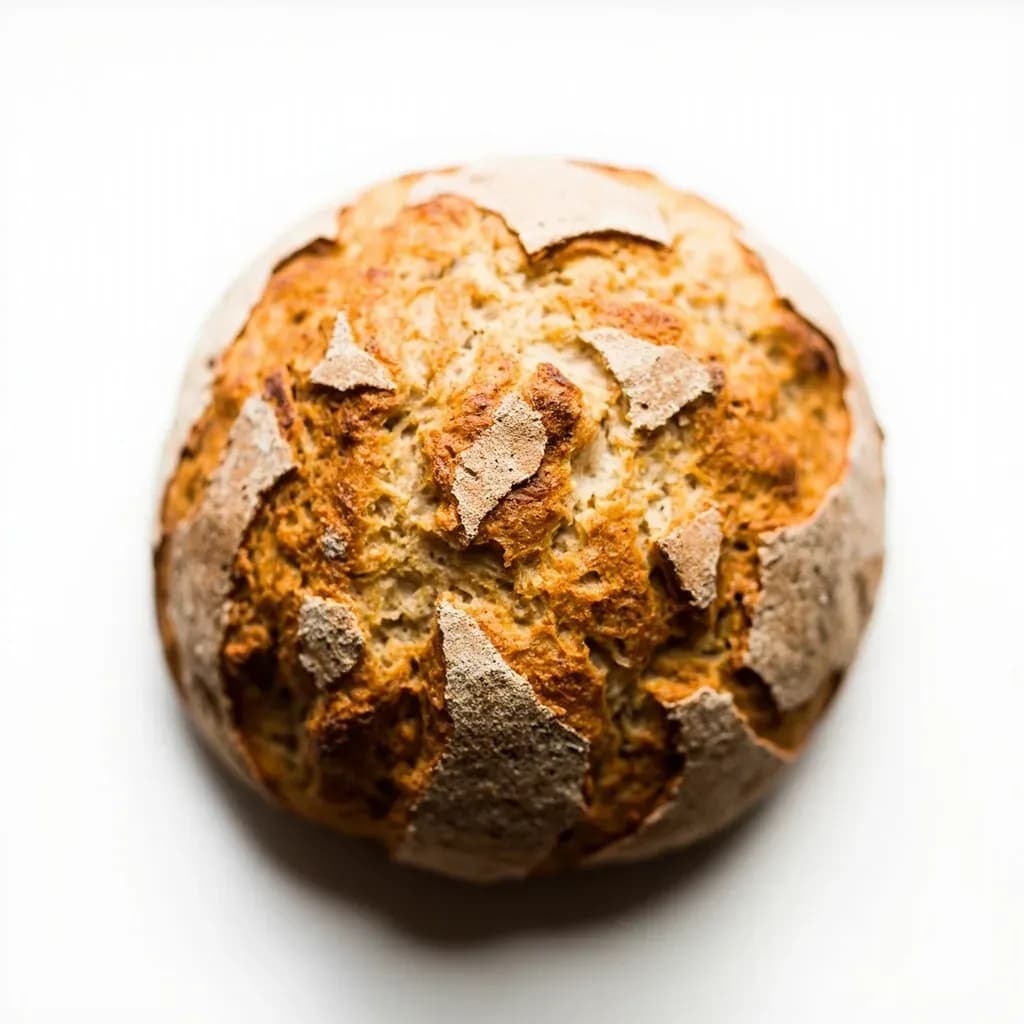
Steam baking introduces moisture into the oven during the first minutes of baking, keeping the dough surface soft so it can expand fully before the crust hardens. It is essential for crusty breads like baguettes and sourdough, producing a thin, crackly, shiny crust and good oven spring. Home bakers create it with a covered pot, a pan of water, or by spraying the oven walls.
Steam baking is the practice of introducing water vapor into the oven during the first minutes of baking so that the dough's surface stays pliable and plastic. In a dry oven, the crust sets almost immediately, pinning the loaf in place and capping the dramatic expansion — the so-called oven spring — that gives a great hearth bread its open crumb and proud ear. A humid microclimate buys the dough that critical window of time to rise fully before the surface firms up.
The technique has a second, equally important payoff. While steam keeps the crust soft and stretchy, starches near the surface gelatinize. Once the steam is vented and dry heat returns, those gelatinized starches undergo rapid Maillard browning, producing the glossy, blistered, deeply caramelized crust that defines artisan bread. Without that early humid phase, the same loaf emerges pale, matte, and prone to splitting in unpredictable places.
At heart, steam baking is a way of recreating the conditions of a traditional wood-fired hearth oven, where the dough's own moisture and an enclosed chamber did the work automatically. In a modern home oven, the baker has to supply that moisture deliberately, then remove it at the right moment so the crust can dry, darken, and crisp.
- Difficulty
- Medium
Types & varieties
Traps the dough's own moisture inside a preheated covered pot; the most reliable technique for home bakers.
Professional ovens with a dedicated steam generator and programmable vent; the standard in artisan bakeries.
Preheated lava rocks or a cast-iron pan on the oven floor; hot water poured in flashes instantly to steam.
Several ice cubes dropped onto a preheated cast-iron tray produce a quick, vigorous burst of steam.
Water sprayed onto the oven walls and dough at loading; less consistent but useful as a top-up during baking.
An inverted heatproof dome traps a small, localized steam zone around a single shaped loaf.
An old bakery trick: a damp towel tossed on the oven floor releases steam as it heats.
How to do it
- 1
Choose your steam method
Decide between a Dutch oven (most foolproof for the home baker, especially for round boules) and an open system (lava rocks, a hot-water tray, or ice cubes on a preheated cast-iron pan) for flatter shapes like baguettes or multiple rolls.
- 2
Preheat fully
Set the oven about 20–25°C above your target baking temperature to compensate for the cooling effect of the steam source. Preheat a baking stone or steel, and any water pans, rocks, or Dutch ovens, for at least 30–45 minutes so they are scorching hot at the moment of loading.
- 3
Score the loaf
Just before loading, score the dough with a sharp blade or lame. A moist, taut surface scores cleanly and will open dramatically under the initial burst of steam. Scoring too early lets the surface dry and produces ragged, torn openings.
- 4
Load and release steam
Place the dough in the oven. If using a Dutch oven, seat the lid quickly. If using an open method, pour about 1 cup (240 ml) of hot or boiling water into the preheated pan, or drop 5–8 ice cubes onto the cast-iron tray, then close the door immediately. Cold water steams too slowly and chills the oven.
- 5
Bake with steam
Hold the steam for 10–20 minutes. Small rolls and baguettes need less (8–12 minutes); large sourdough boules benefit from 18–22 minutes. The dough should be visibly puffed and the surface still wet-looking when the steam phase ends. Resist opening the oven during this window.
- 6
Vent and dry the crust
Remove the lid, crack the door for 10–15 seconds to flush humidity, or pull the water pan. Lower the oven to your target baking temperature if you started higher. Continue baking until the crust is deeply mahogany and the loaf sounds hollow when tapped on the bottom.
- 7
Cool before cutting
Transfer to a wire rack and cool for at least 30 minutes for rolls, 1 hour for loaves, and 2 or more hours for dense sourdoughs. Slicing too early releases trapped steam from the crumb and leaves the interior gummy and underdone in feel.
Matching steam to the dough
Not all breads want the same steam window. The principle is simple: the more gluten development and hydration in the dough, the more oven spring it can deliver, and the longer it benefits from a humid environment. Enriched doughs and rye darken and stiffen quickly and risk a thick, leathery crust if steamed too long. Calibrate the steam phase to the dough in front of you, not to a fixed clock.
- Lean, high-hydration sourdough and ciabatta: 18–22 minutes of full steam, then vent.
- Baguettes, ficelles, and small rolls: 8–12 minutes of steam, then immediate venting for a thin, shattering crust.
- Enriched loaves (brioche, challah): 10–12 minutes only; over-steaming dulls the egg-washed surface.
- Rye and pumpernickel: brief steam of 8–10 minutes; their dark color is heavily influenced by long fermentation, added malt or molasses, and the chemistry of rye flour, not surface browning alone.
- Bagels and pretzels: steam is a finishing touch, not the main event — their gloss comes from the alkaline or malt bath, with a short oven steam as a boost.
The two phases of crust development
Think of crust formation as two distinct phases that steam baking controls deliberately. The first phase, in humid heat, is about expansion: the surface stays soft, starches gelatinize, and the loaf can balloon. The second phase, in dry heat, is about finishing: the gelatinized starches dehydrate and brown, sugars caramelize, and the crust tightens into its final crisp shell. Pull steam too early and the crust sets before the loaf has finished rising; leave steam in too long and the surface never dries, leaving a pale, soft, sometimes gummy exterior.
- Phase 1 (steam on): the air around the loaf is fully saturated with water vapor, so the dough's surface cannot lose moisture or form a skin.
- Phase 2 (steam off): dry heat removes surface moisture; Maillard browning accelerates once the crust climbs above roughly 140°C (285°F).
- Most artisan bakers pull the loaf when the internal crumb reaches about 95–98°C, by which point the exterior is deeply browned and the crust sounds hollow when tapped.
Common uses
Tips & pitfalls
- Add steam at the exact moment the bread goes in — every minute of delay is lost oven spring, and a dry oven seals the crust before the loaf can finish rising.
- Use hot or boiling water rather than cold; cold water steams too slowly, cools the stone, and can shock the dough's surface.
- Preheat a Dutch oven, cloche, or water pan for at least 30–45 minutes; a lukewarm vessel will not flash to steam on contact.
- Remove the steam source after 15–20 minutes so the crust can dry out and brown — leaving it in produces a pale, leathery, sometimes gummy exterior.
- Don't open the oven repeatedly during the steam phase; each peek dumps humidity and breaks the moist microclimate the dough is relying on.
- Reduce oven temperature by about 10–15°C when baking in a heavy, heat-retaining Dutch oven to avoid burning the bottom before the crumb is done.
- Score just before loading, not earlier — a taut, hydrated surface scores cleanly and opens dramatically, while a dried-out one tears raggedly.
- If using lava rocks, heat them for 20–30 minutes before pouring water, otherwise the steam arrives too late to do its job.
Good to know
- Primary use
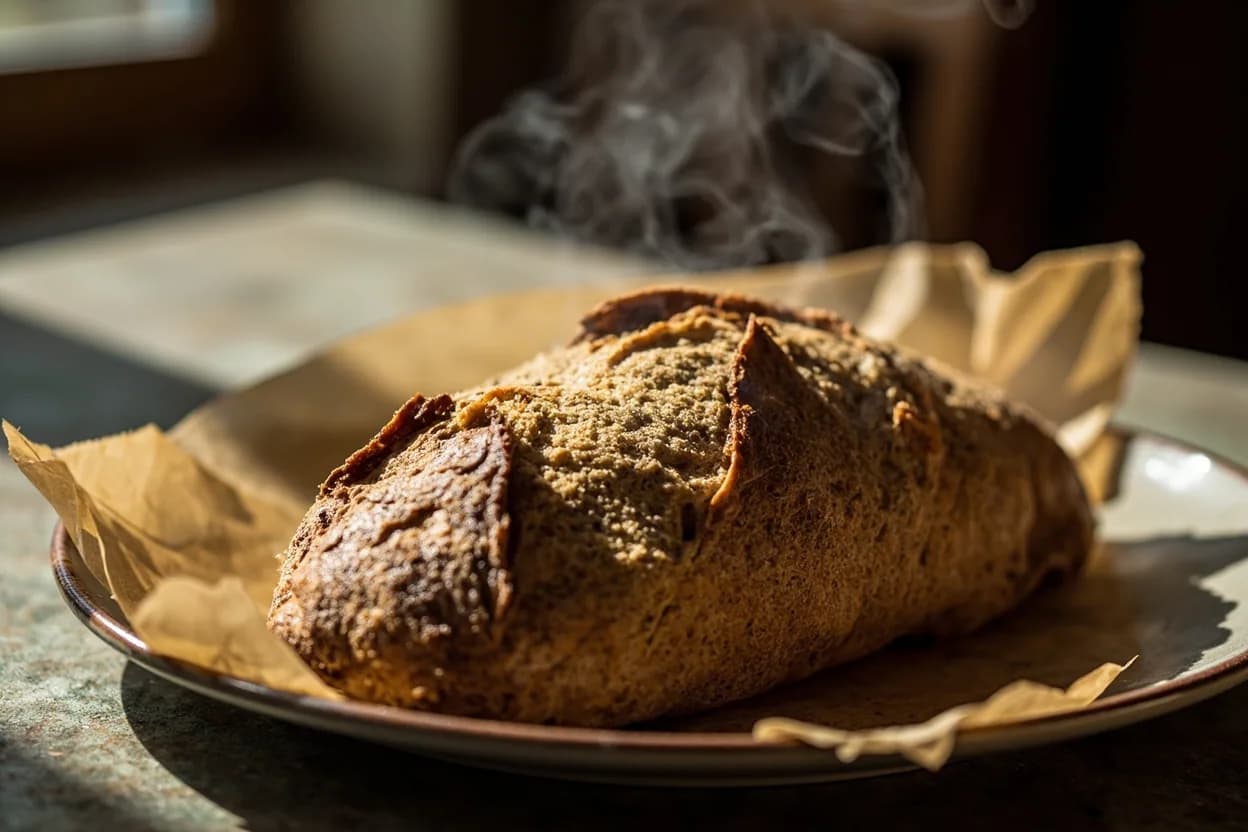
- Crusty hearth loaves, baguettes, and rolls
- Key effect on rise
- Delays crust formation, allowing maximum oven spring before the surface sets
- Key effect on crust
- Produces a glossy, blistered, deeply browned crust via starch gelatinization followed by Maillard browning
- Typical steam duration
- 10–20 minutes from the moment the bread loads, scaled to loaf size
- Typical oven temperature
- 220–250°C / 425–480°F for most crusty breads
- Water-to-steam conversion
- About 1 g of water expands to roughly 1,700× its volume as steam at 100°C
- Difficulty
- Low to moderate; the work is in planning and timing rather than skill
Also called
Steam Injection · Hearth Baking
Dishes that rely on it
Related

Boil
Cook in vigorously bubbling liquid at full rolling heat

Simmer
Hold liquid at a gentle shimmer for tender, unhurried cooking

Poach
Cook gently in barely-trembling liquid for silky, tender results

Steam
Cook in rising vapor to keep color, nutrients, and shape intact

Blanch
Plunge briefly in boiling water, then shock cold to lock color

Braise
Sear, then cook slow in a little liquid until fall-apart tender

Stew
Simmer bite-sized pieces fully submerged into a rich, unified pot

Sous-Vide
Seal and cook in precise warm water for edge-to-edge doneness