Prep & Assembly
Glazing / Saucing
Coating finished food in a glossy sauce or glaze for flavor and shine.
Glazing and saucing is the act of coating cooked food in a thickened, often sugary or reduced sauce so it clings in a shiny layer. It is used at the finish to lacquer meats, vegetables, and pastries, as with teriyaki, honey glazes, or pan reductions. The glaze is usually reduced until it coats the back of a spoon, then the food is tossed or brushed to build an even sheen.
Saucing and glazing are the final finishing moves that turn a correctly cooked ingredient into a finished plate. Both describe the same core act — coating food in a thin, even layer of sauce — but 'saucing' usually refers to a classic French napage, while 'glazing' leans toward a reduced, syrupy coating brushed or spooned on at the last moment. The shine on a steak, a pearl onion, or a slab of char siu is not magic: it is a sauce reduced to a specific viscosity, often finished with butter, and applied to hot, dry food.
Glazes behave differently from the sauces they come from. A jus or demi-glace reduced until it coats a spoon (the nappé test) will cling to protein instead of pooling on the plate; sugar-based glazes, applied late in cooking, caramelize into a lacquer without burning; butter-finished sauces develop a mirror gloss because the cold butter emulsifies into the hot liquid off the heat. Getting this right is mostly about temperature, viscosity, and timing — the three variables that separate a glossy, restaurant-quality finish from a dull, broken puddle.
The technique matters because it is the cook's last chance to add flavor, color, and visual appeal. A few tablespoons of well-reduced sauce or a single brushed coat of glaze can carry the entire personality of a dish, which is why classical training puts so much weight on reading sauce consistency and finishing with butter.
- Difficulty
- Easy
Types & varieties
Coating food with a thin, even film of sauce — the most common finishing saucing method in classical and modern plating
French umbrella term for any glazing technique — meats, vegetables, or pastries
Mounting a sauce with cold, cubed butter off the heat to add shine, body, and a rounder flavor
Brushing reduced demi-glace onto roasted or grilled meats in thin layers for deep color and shine
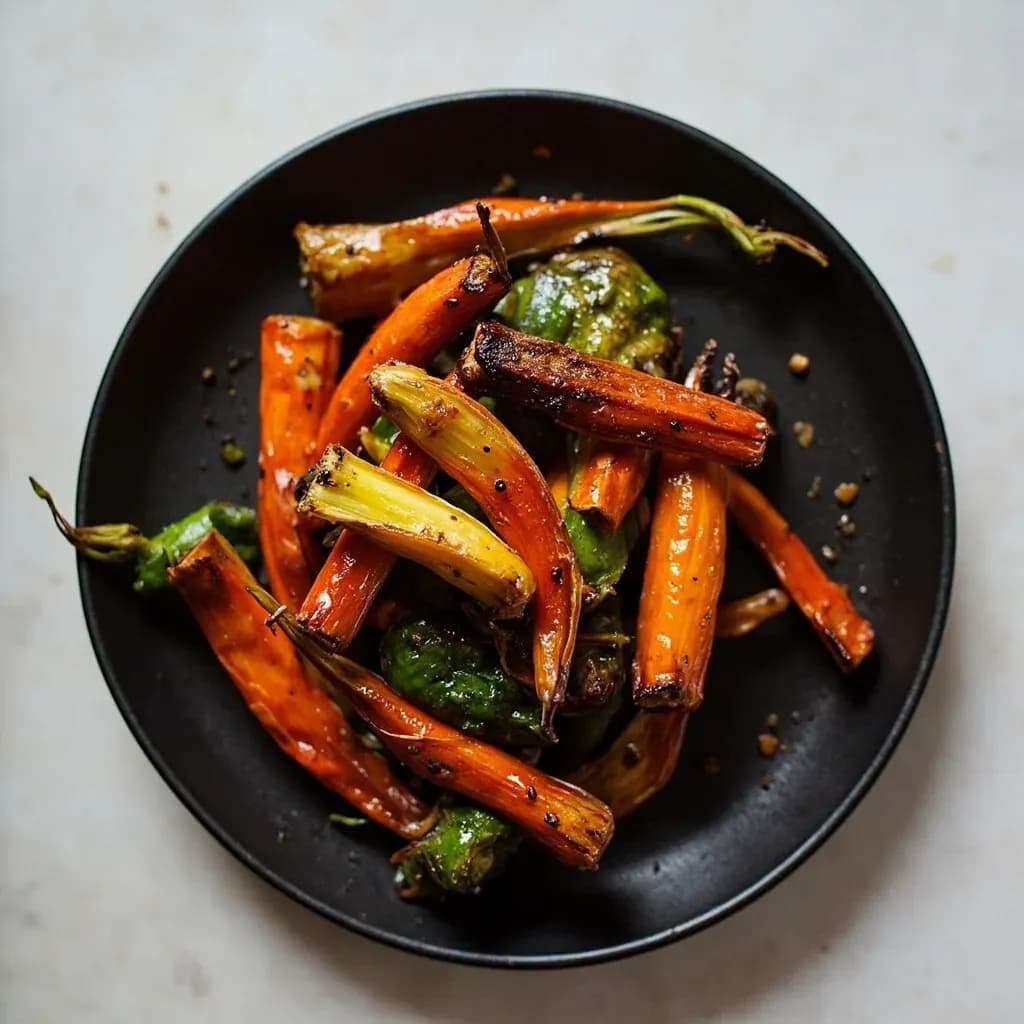
Cooking carrots, pearl onions, turnips, or Brussels sprouts in butter, sugar, and stock, covered, until tender and the liquid reduces to a glossy coat
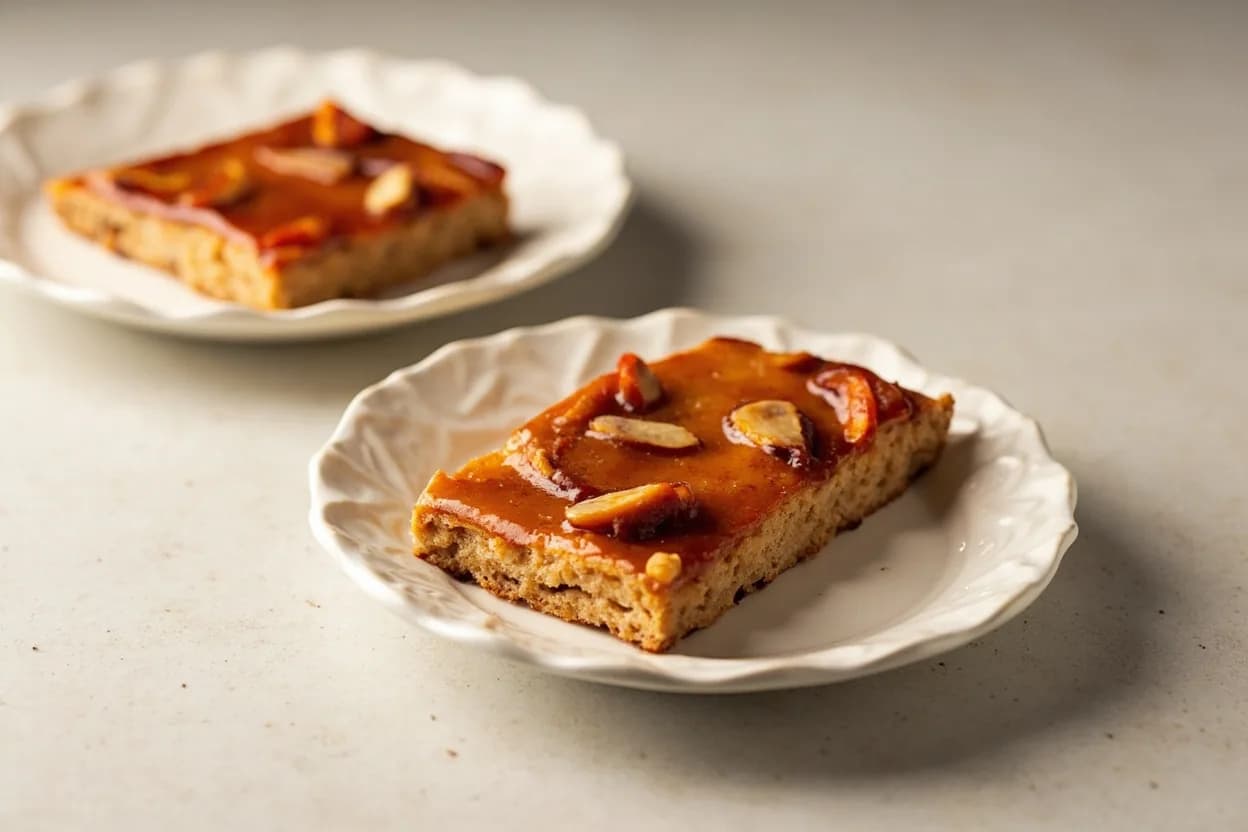
Apricot, fondant, royal, or simple icing glazes applied to pastries, tarts, and viennoiserie for shine and a moisture seal
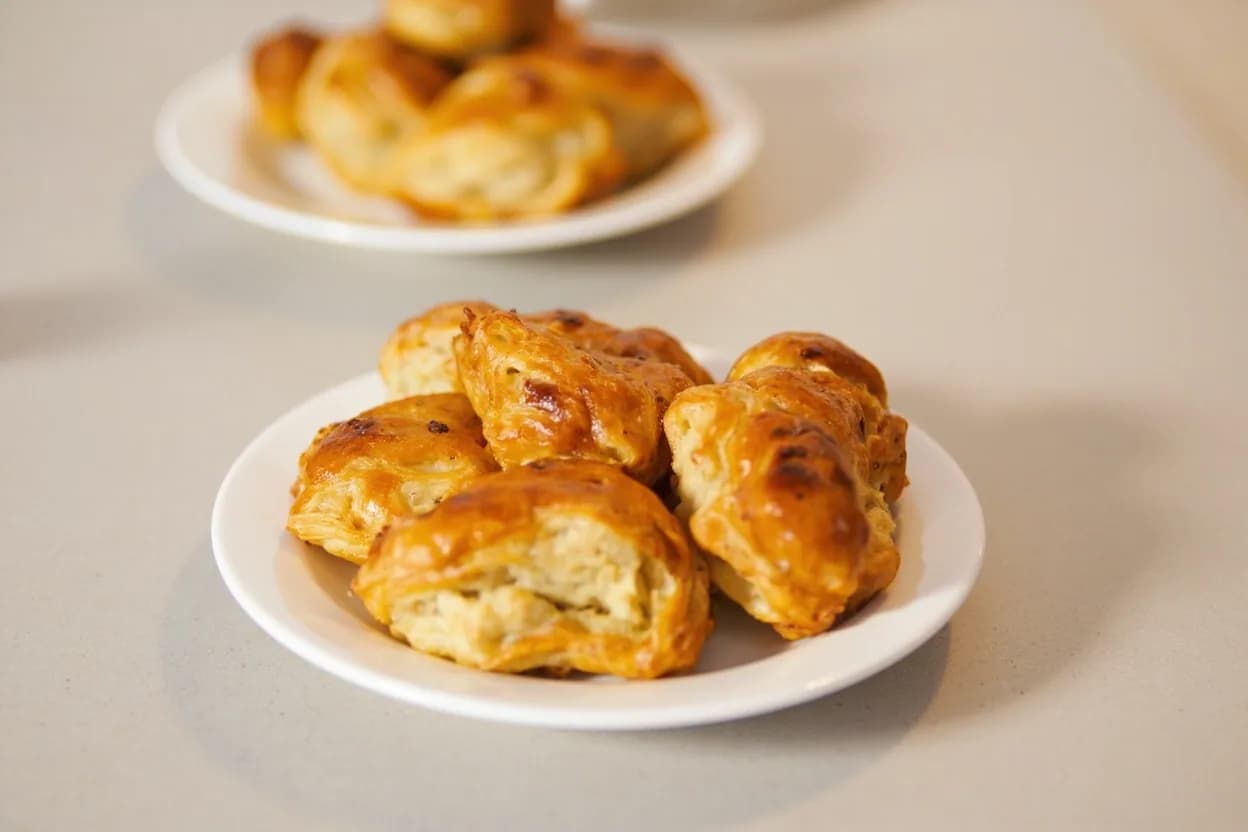
Beaten egg (whole, yolk, or yolk and cream) brushed on dough before baking for browning and sheen
Soy sauce, sugar or maltose, rice wine, and aromatics reduced to a syrup, brushed onto roasted meats like char siu, soy chicken, and Peking duck in multiple layers
Coating cooked items in a clear, savory jelly or a cold sauce that sets into a glossy finish, used in charcuterie and classical presentation
Sweet glazes for ham, salmon, and root vegetables, applied near the end of cooking to avoid burning
How to do it
- 1
Choose and prepare the sauce
Select or make a sauce appropriate to the dish — a jus, demi-glace, pan sauce, gastrique, or sweet glaze. Reduce or thin it until it reaches nappé consistency: it should coat the back of a spoon thickly enough that you can draw a clear line through it with your finger, but still flow slowly when the spoon is tilted.
- 2
Bring the sauce to temperature
Hold the sauce at serving temperature in a small saucepan over low heat or in a bain-marie. Cold sauce poured on hot food (or vice versa) will dull the shine, tighten the consistency, and can break an emulsion. Stir occasionally to keep it even.
- 3
Have the food hot, dry, and ready
The item to be glazed should be fully cooked, well-rested if needed, and its surfaces should be dry or properly seared — moisture dilutes the glaze and prevents it from clinging. For roasted meats, blot excess surface fat with a clean towel before glazing.
- 4
Optional: mount with butter for shine
Off the heat, whisk a tablespoon or two of cold, cubed unsalted butter into the sauce a piece at a time. This monter au beurre step rounds the flavor, gives a mirror-like gloss, and slightly thickens the sauce without flour. Do not return the sauce to a boil after mounting, and use it within a minute or two so the emulsion holds.
- 5
Apply the glaze in thin layers
Brush or spoon the sauce onto the food in a thin, even coat. For deep color and lacquer-like shine, let the first layer set for 30–60 seconds (or briefly under a hot lamp or back in the oven) and apply a second or third layer. For plated presentation, nap the protein by spooning sauce over the top and letting it run down the sides in an even coat.
- 6
Plate and serve immediately
Once glazed, plate right away. Glazes continue to set as they cool, and a glossy coat can turn tacky or dull if it sits too long. If the sauce tightens while plating, loosen with a splash of warm stock or water and stir until fluid again.
Reading sauce consistency
Most glazing failures come down to a sauce that is either too thin (it runs off the food and pools on the plate) or too thick (it turns gummy, sticky, or scorches when brushed on). The standard test is the nappé: dip a spoon, let the sauce coat the back, then swipe a finger through the coating. If the line stays clean and the sauce on either side barely moves, the sauce is at napage consistency. If the line fills back in immediately, it needs more reduction. If the sauce is so thick it barely flows when the spoon is tilted, it has gone past nappé and should be loosened with a splash of stock, wine, or water.
- Sauces for napping proteins are usually reduced 20–40% beyond their serving consistency
- Vegetable glazes (carrots, turnips, pearl onions) should leave a syrup that clings to the vegetable, not a puddle in the pan
- Pastry fondant should flow like warm honey — thick enough to coat, thin enough to pour
The butter finish (monter au beurre)
Mounting with butter is the single most reliable way to put gloss on a sauce. Cold, cubed unsalted butter is whisked into a sauce off the heat, a few pieces at a time, until fully incorporated. The butter emulsifies into the liquid, giving a velvety mouthfeel, a mirror-like sheen, and a slightly rounder flavor. Because the emulsion is fragile, the sauce must never return to a boil after mounting — high heat breaks the butter out and leaves a greasy, dull finish. This step is done to the sauce just before it goes onto the food.
- Use cold butter in small cubes so it melts evenly without softening the sauce
- Add 1–2 tablespoons per cup of finished sauce; more than that overwhelms the flavor
- Whisk constantly while adding — a stationary sauce will let the butter pool and break
Sweet versus savory glazes
Sweet glazes (honey, maple, maltose, apricot jam, fondant) and savory glazes (demi-glace, pan jus, soy-maltose lacquer) follow the same principles but burn at very different rates. Sugar-based glazes scorch above roughly 180°C (350°F), so they are almost always applied in the last 5–15 minutes of cooking or after cooking entirely. Savory glazes can usually be applied earlier and even reheated, though repeated brushing builds the deepest shine.
- Brush sweet glazes on at the end of cooking, or finish under a broiler for 30–60 seconds
- Multiple thin coats of lacquer glaze give deeper color than one thick coat — let each layer set before adding the next
- For pastry glazes, apply fondant warm (about 38–40°C) so it flows and sets into a hard, glossy shell
Common uses
Tips & pitfalls
- Test sauce thickness by dipping a spoon — it should coat the back evenly and a finger swipe should leave a clean line
- Finish sauces with cold, cubed butter off the heat for instant shine and a velvety mouthfeel; never reboil after mounting
- Don't over-reduce — a glaze that is too thick becomes sticky, gummy, or scorches when brushed on
- Apply glazes in two or three thin layers rather than one thick coat; let each layer set before the next for the deepest shine
- Brush sugar- or honey-based glazes on during the last 5–15 minutes of cooking so they caramelize without burning
- Keep sauce warm in a bain-marie while plating so it stays fluid and glossy
- Reserve a clean portion of sauce for finishing; don't stir it back into the working pot once food has been dipped
- If a glaze thickens or seizes, warm it gently over a bain-marie before continuing
Good to know
- French term
- Napper (or 'napper un mets') — to coat food with a thin, even layer of sauce
- Nappé test
- A properly thickened sauce coats the back of a spoon so a clear line can be drawn through it with a finger
- Classic base
- Demi-glace — reduced brown stock, traditionally half Espagnole plus half brown stock, reduced by half again
- Shine technique
- Monter au beurre — whisking cold butter into a finished sauce off the heat for gloss and roundness
- Origin
- Classical French cuisine; Escoffier codified 'glaçage' and 'napper' in Le Guide Culinaire (1903)
- Temperature rule
- Hot food gets hot sauce, cold food gets cold sauce — temperature shock breaks emulsions and dulls shine
- Sugar glaze timing
- Apply honey, maple, or maltose glazes in the last 5–15 minutes of cooking to caramelize without scorching
- Common utensils
- Sauce spoon, silicone brush, small ladle, squeeze bottle, or offset spatula
Also called
teriyaki-glazing · glazing · lacquering
Dishes that rely on it
Related

Whisk
Beat ingredients smooth and aerated with a looping wire motion

Sift
Pass dry ingredients through mesh to aerate and remove lumps

Strain
Pour through mesh to separate solids from liquid for a smooth result

Filter
Pass liquid through fine material to clarify out the smallest particles

Rice
Press cooked potatoes through small holes for fluffy, lump-free texture

Mash
Crush soft cooked food into a rustic, creamy purée

Grind
Crush food into a coarse to fine texture, from spices to meat

Grate
Shred food into fine bits against a sharp-toothed surface