Prep & Assembly
Banana Leaf Wrapping
Folding food into pliable banana leaves to steam, grill, or cook in flavorful parcels.
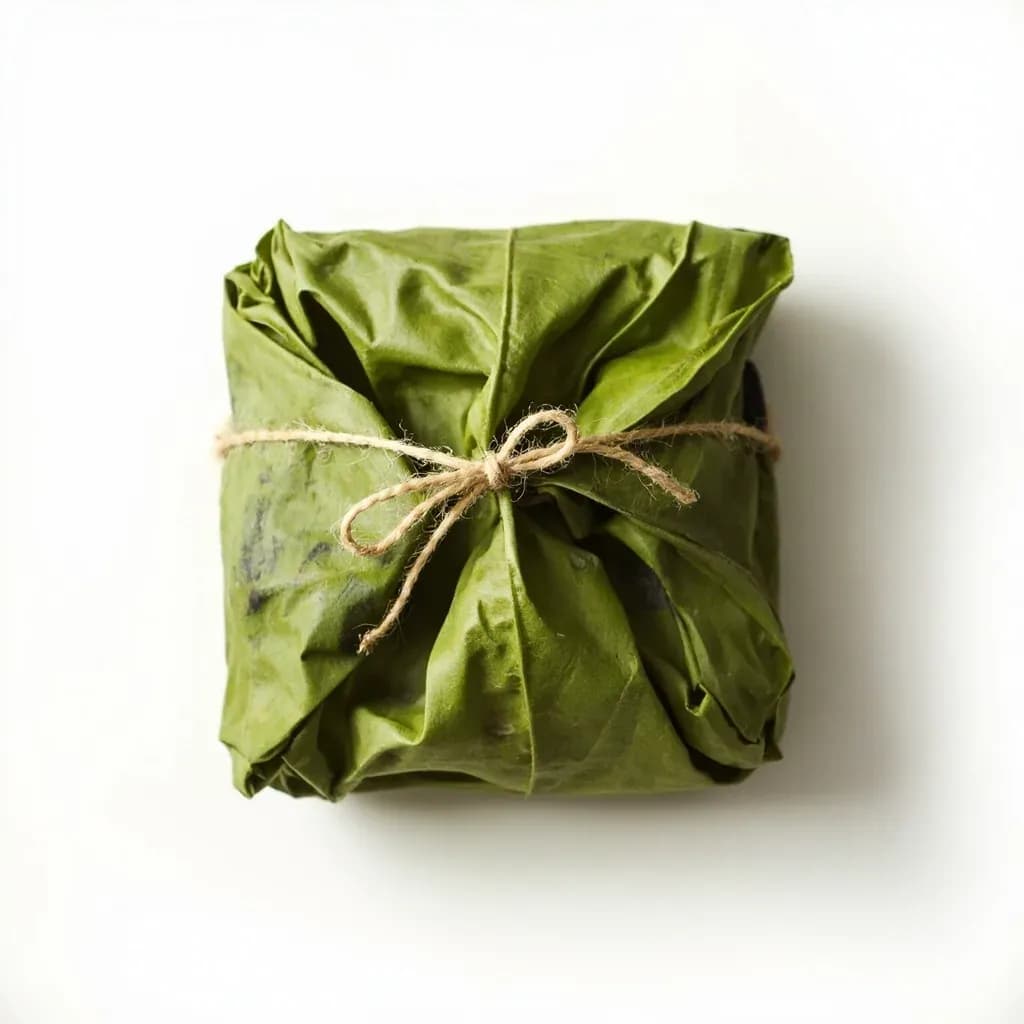
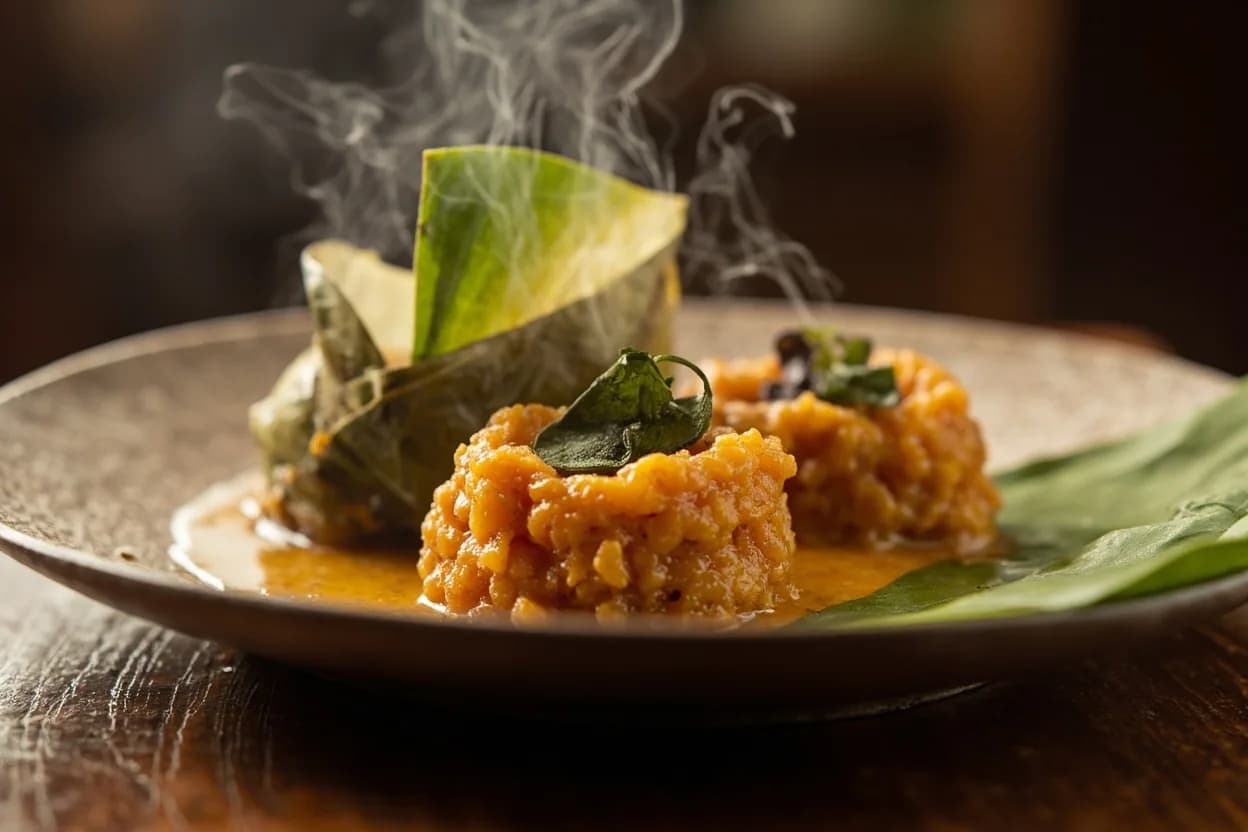
Banana leaf wrapping encloses seasoned rice, fish, or masa in softened leaves that are folded and tied into parcels for steaming, grilling, or boiling. The leaf seals in moisture, imparts a subtle grassy aroma, and serves as a natural, compostable cooking vessel across Southeast Asia, Latin America, and Africa. The leaves are usually warmed over a flame first to make them supple and prevent tearing during folding.
Few wrappers in the kitchen are as generous as a banana leaf. The large, paddle-shaped leaves of the banana plant fold into parcels that steam, grill, or bake food while protecting it from direct heat, holding in moisture, and lending a faint grassy, almost tea-like aroma. The technique is less a single method than a family of related folds unified by the leaf's properties: it is naturally water-resistant, surprisingly tough once softened, and big enough to wrap a whole fish, a mound of masa, or a dozen dumplings at once.
The leaf behaves like a flexible, edible roasting pan. When passed over a flame or dipped in hot water, its waxy cuticle relaxes and the stiff midrib gives way, allowing it to fold without cracking. The upper surface is shiny and somewhat impermeable, which keeps juices in and flames out; the lower side is matte and slightly grippy, the side most traditions place against the food. Banana leaves contribute essentially no calories and only a whisper of flavor, but they keep a parcel moist under punishing heat in a way that foil and parchment cannot quite match.
The technique runs through at least a dozen distinct culinary traditions, from Kerala's meen pollichathu and Bengal's ilish bhapa to Indonesian pepes, Malaysian otak-otak, Caribbean pasteles, and Venezuelan hallacas. Outside the tropics, fresh leaves are available at Indian, Latin American, and Southeast Asian markets, and frozen leaves work nearly as well once properly thawed. The only real hurdle is learning to wilt the leaf before you fold it; once a cook has done that, the rest is repetition and confidence.
- Difficulty
- Medium
Types & varieties
Indonesian (Sundanese and Javanese) parcels of fish, chicken, or tofu marinated in bumbu spice paste, wrapped tight in banana leaves and steamed or grilled.
Malay and Nyonya specialty of spiced fish paste molded around a skewer or wrapped in a leaf parcel and grilled until just set.
Keralan masala-fried fish (typically seer or kingfish) re-wrapped in banana leaves and pan-seared or grilled again to deepen the flavor.
Bengali hilsa or shrimp coated in mustard-coconut paste, wrapped in banana leaves, and steamed; the leaf does much of the cooking.
Tamil steamed rice-and-lentil dumplings cooked inside folded banana-leaf cones that steam and aromatize the batter at once.
Thai spiced fish or chicken curry custard set in small banana-leaf cups and steamed until just firm.
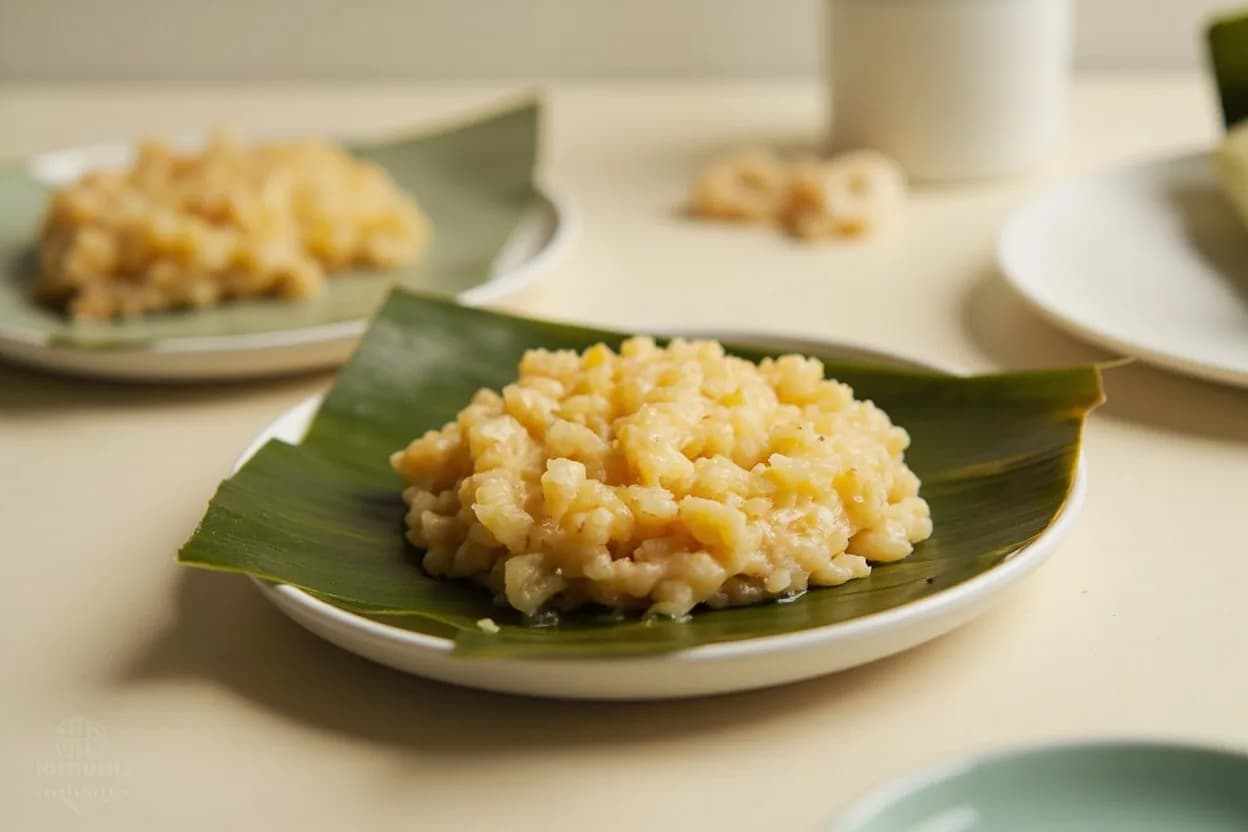
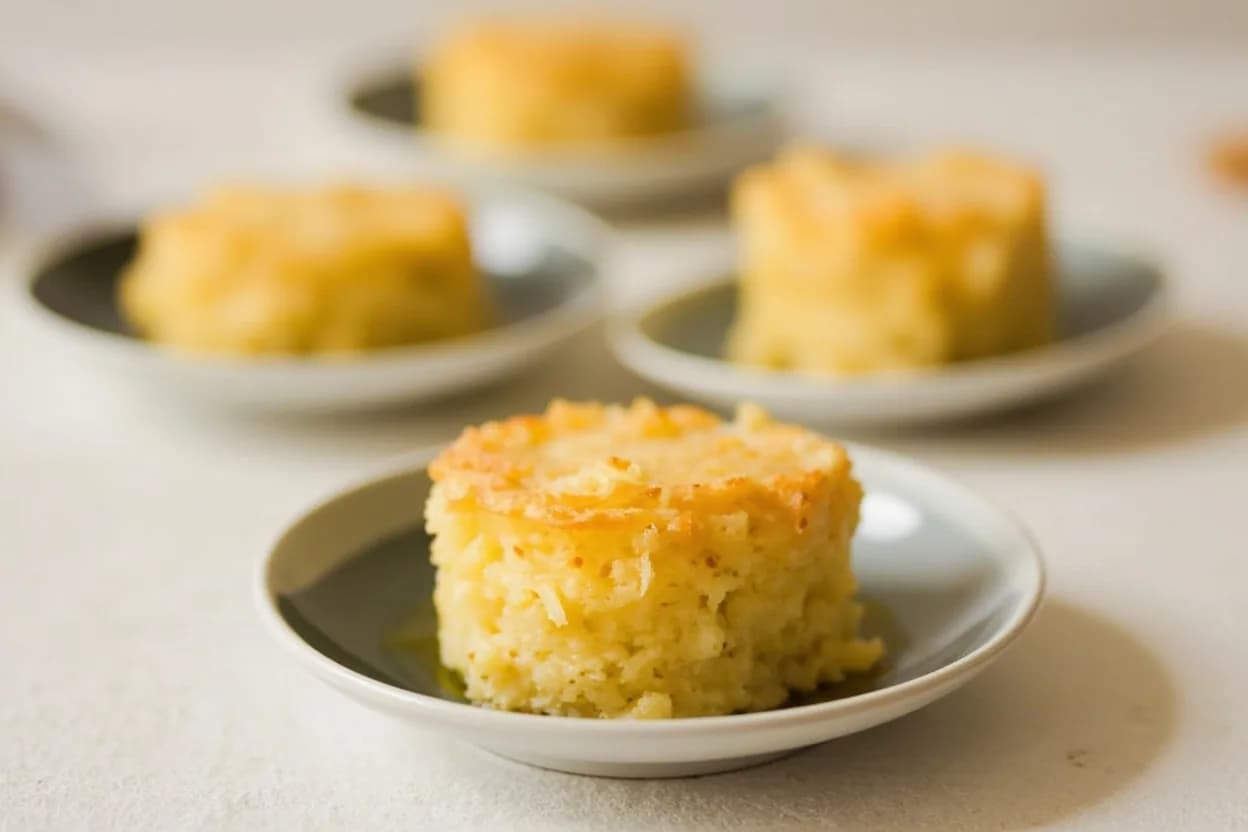
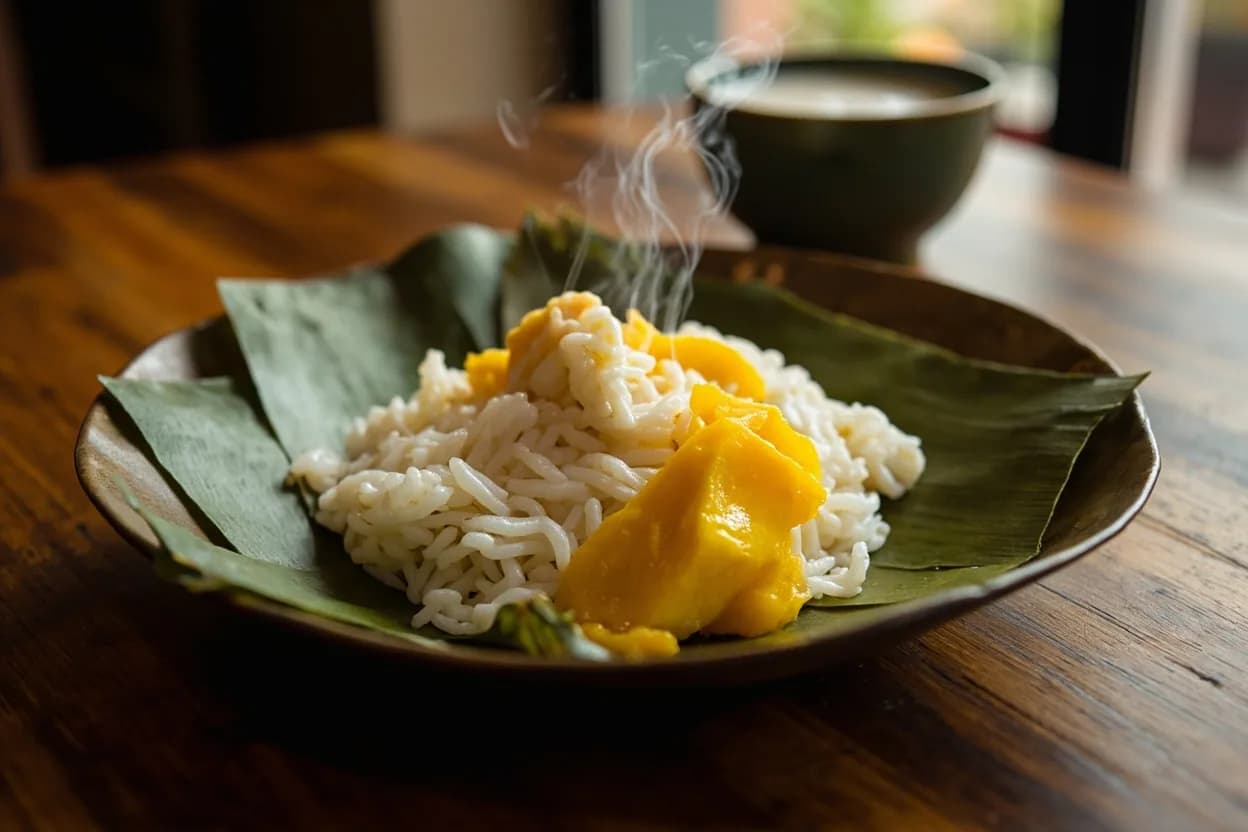
Filipino glutinous rice with coconut milk and sugar, wrapped in banana leaves, tied, and boiled or steamed into individual sweet cakes.
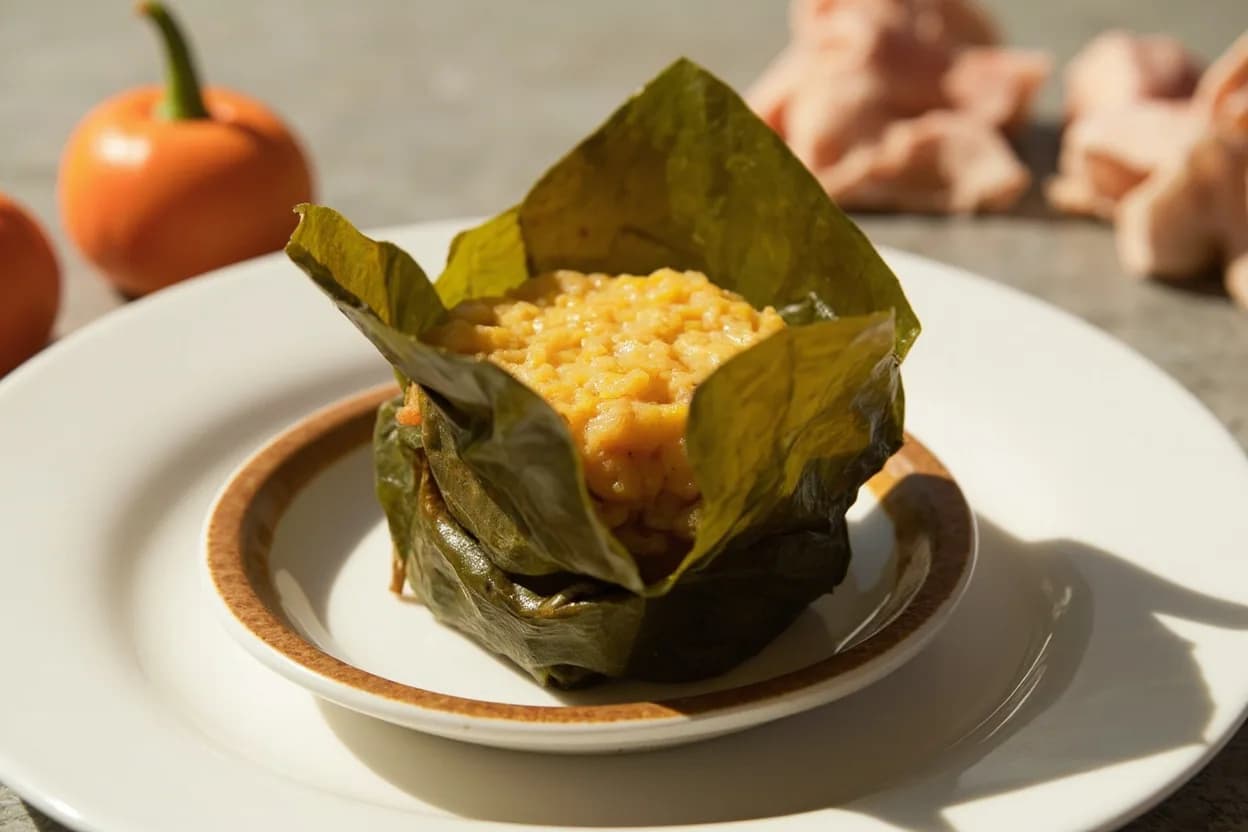
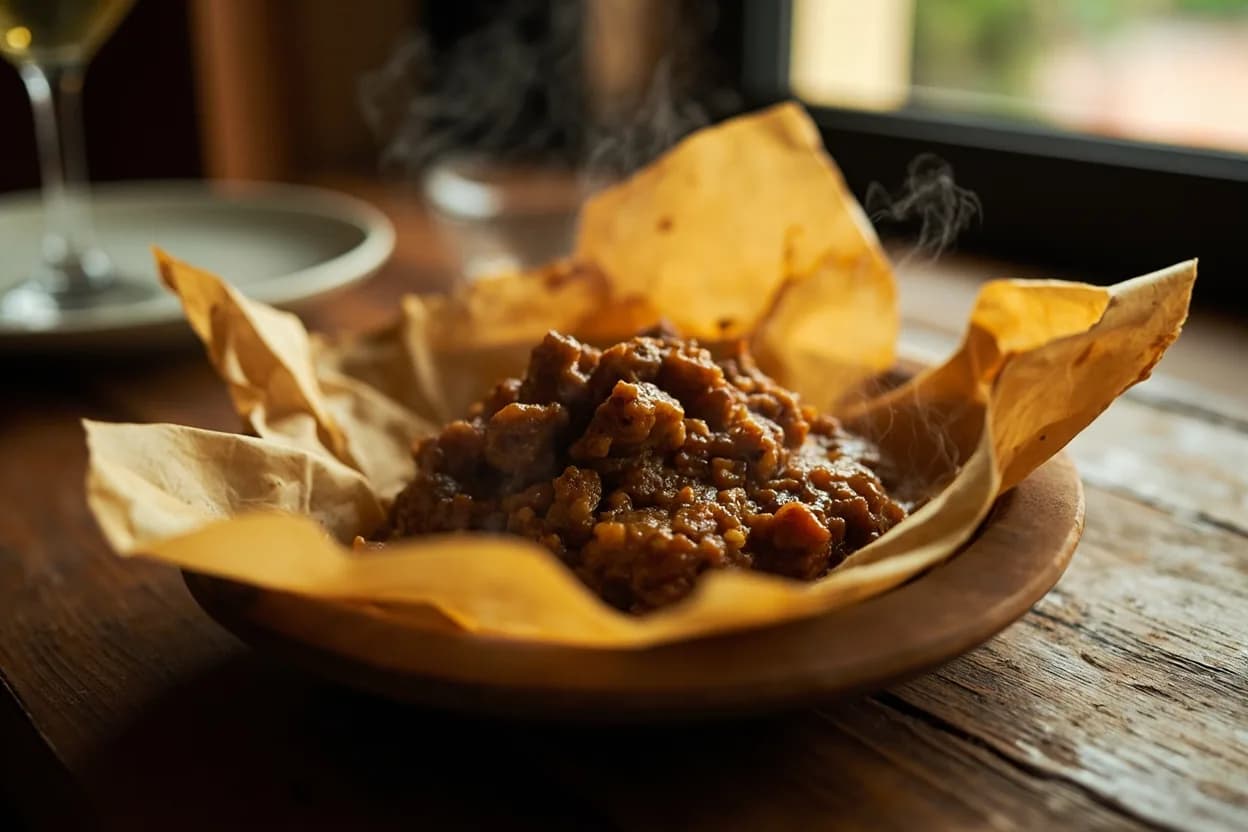
Puerto Rican and Dominican masa of root vegetables filled with stewed pork, wrapped in banana leaves, and boiled, traditionally at Christmas.
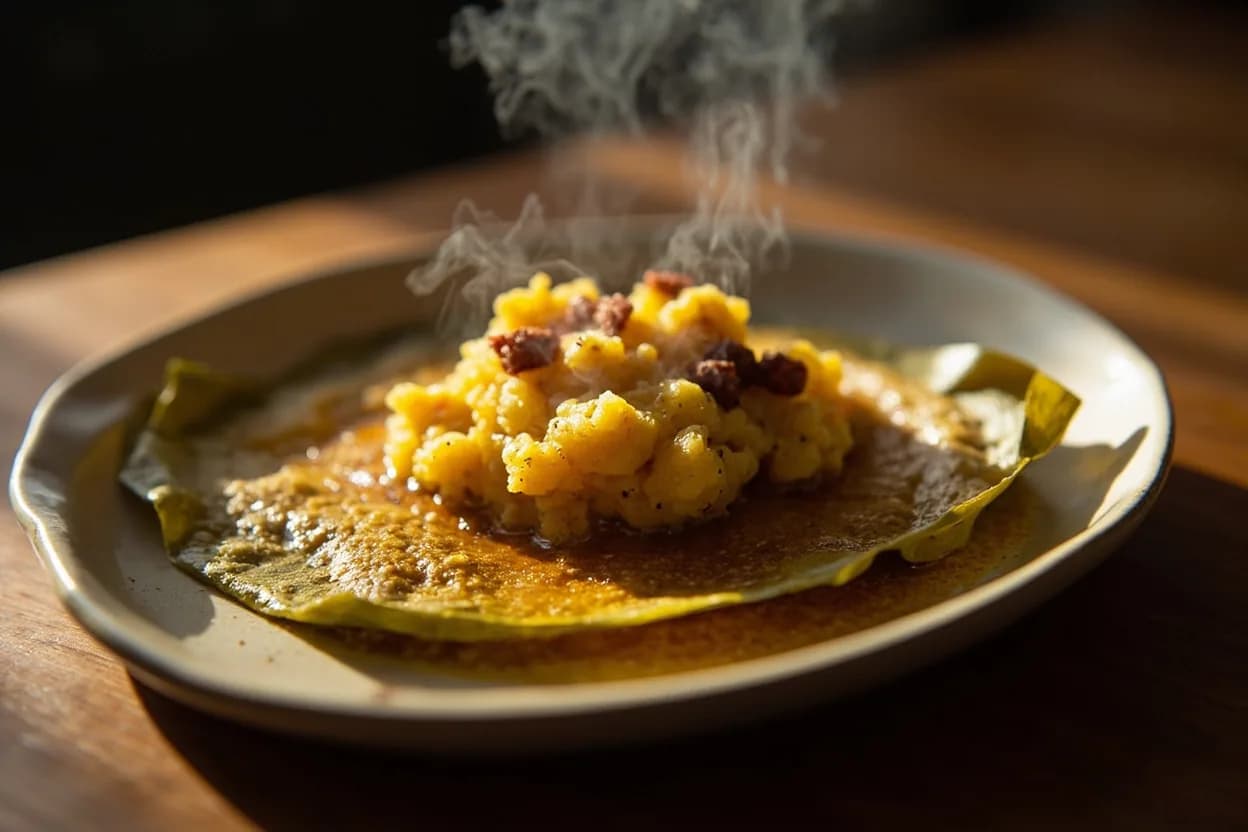
Venezuelan corn dough wrapped around a meat stew, folded in banana leaves, tied, and boiled; a Christmas staple.
Ghanaian steamed fermented maize dough wrapped in banana leaves (or maize husks), where the leaf wrap is essential to the cooking.
How to do it
- 1
Select and inspect the leaves
Choose large, pliable, deep-green leaves with no brown spots, tears, or insect damage. Younger leaves are more tender and easier to fold; mature leaves are sturdier for grilling but need more wilting.
- 2
Clean the surface
Wipe both sides with a damp cloth to remove dust, sap, and debris. Avoid rinsing under running water; trapped moisture dilutes the leaf's aroma and makes the parcel soggy.
- 3
Soften the leaves
Pass each leaf briefly over a gas flame (a few seconds per section) until the surface deepens in color and the leaf becomes limp. Alternatively, dip in just-boiled water for 10–15 seconds and pat dry. This step is non-negotiable: an unwilted leaf will crack the moment you try to fold it.
- 4
Cut to size and trim the rib
Cut the leaf into the size your recipe calls for, roughly 20–25 cm squares for dumplings and pasteles, full half-leaves for whole fish. Slice away or score the thick central rib so the leaf lies flat and folds cleanly.
- 5
Oil the contact side
Brush the side of the leaf that will touch the food with a thin, even coat of neutral oil (coconut, rice bran, or vegetable). This prevents sticking, especially with rice, masa, or cheese-laden fillings, and helps the leaf release cleanly at the table.
- 6
Position the filling
Place the food in the center, leaving 3–4 cm of leaf border on every side. Do not overfill: the parcel needs room to close, and most fillings expand slightly as steam builds.
- 7
Fold into a parcel
Use the fold that suits the dish: an envelope fold for steamed parcels, a tight burrito roll for grilled fish, or an open cup or cone for steamed custards like hor mok. Double-wrap with a second leaf, waxy side out, when grilling or pan-searing.
- 8
Secure the parcel
Fasten with toothpicks, bamboo skewers, or kitchen twine. In many traditions the leaf's own central rib is torn into strips and used as a natural tie, which chars harmlessly with the parcel.
- 9
Cook by the chosen method
Steam over simmering water for 15–30 minutes for dumplings and custards; grill over medium coals, turning every 2–3 minutes, for 10–20 minutes for fish; bake at 180 °C / 350 °F for 20–40 minutes for meat parcels; or pan-sear briefly on each side for dishes like meen pollichathu. The leaf protects the food from direct heat and locks in moisture.
- 10
Rest and unwrap
Let the parcel sit 2–3 minutes off the heat so juices redistribute. Unwrap at the table for the aroma impact, or score the top and peel back the leaves to reveal the contents.
Matching the Fold to the Dish
The parcel you build depends on what you're cooking and how. Three folds cover almost every traditional use; learning them turns the technique from a single recipe into a flexible method.
- Envelope fold: bring two opposite sides over the filling, then tuck the other two sides underneath. This is the workhorse fold for steamed parcels like pepes, ilish bhapa, and suman, where the leaf is mostly a covered pot.
- Burrito roll: lay the food along one end of the leaf, fold the sides in, and roll tightly away from you. Best for grilled fish and chicken (meen pollichathu, grilled otak-otak) where the parcel needs to hold shape over coals and turn easily.
- Open cup or cone: shape the leaf into a small bowl or cone and leave the top open. Used for steamed custards like hor mok, and for elai adai dumplings that need the leaf to act as a tiny mold as well as a wrapper.
- Double-wrap for direct heat: when grilling or pan-searing, fold a second leaf around the first with the waxy side out. The outer leaf chars to protect the food and the inner leaf keeps the parcel from leaking.
Sourcing, Storing, and Reviving Leaves
Most cooks outside the tropics will never pick a leaf from a plant, so knowing how to buy and revive them is half the technique. Fresh, frozen, and dried leaves all behave a little differently.
- Where to buy: Indian, Sri Lankan, Latin American, Filipino, and Thai markets stock fresh leaves in pre-cut sections 30–60 cm long; the underside rib is the freshness indicator, supple and green rather than dry and brown.
- Frozen leaves: thaw on the counter inside their wrapping, not in the microwave, which can tear the cuticle. Pat dry before using.
- Dried leaves: revive by wrapping in a warm, damp kitchen towel for 20–30 minutes. They will not be as supple as fresh leaves but will fold and steam acceptably.
- Storage: keep fresh leaves wrapped in plastic in the refrigerator for 7–14 days; layer with parchment if freezing to stop them from fusing together.
Common uses
Tips & pitfalls
- Always wilt the leaf before folding: a cold, stiff leaf will crack and the parcel will leak.
- Lightly oil the food-contact (matte) side of the leaf so starchy, cheesy, or fish fillings release cleanly.
- Score or shave the thick central rib before folding so the leaf lies flat instead of tenting up at the spine.
- Match the fold to the cooking: envelope for steaming, tight roll for grilling, open cup for custards.
- For grilling or open-flame work, double-wrap with the second leaf waxy side out to take the scorch and protect the food.
- Don't overfill: leave roughly a third of the leaf empty so the parcel can close and steam can build without bursting the seam.
- A common mistake is washing leaves under running water and leaving them wet: trapped moisture dilutes aroma and makes parcels soggy. Wipe with a damp cloth instead.
- Rest the cooked parcel 2–3 minutes before unwrapping so juices redistribute and the residual steam finishes the cooking gently.
Good to know
- Plant source
- Banana plant (Musa spp.), usually the large paddle-shaped leaves of mature plants
- Typical leaf size
- 30–60 cm wide and 60–200 cm long, depending on variety and plant age
- Imparted flavor
- Subtle grassy, faintly herbal, sometimes compared to freshly cut hay or mild tea; not strongly aromatic on its own
- Key pre-treatment
- Leaves must be wilted over a flame or dipped in hot water, or they will crack and snap when folded
- Common securing
- Toothpicks, bamboo skewers, kitchen twine, or strips torn from the leaf's own fibrous central rib
- Storage, fresh
- Wrapped in plastic and refrigerated 7–14 days; can be frozen for months if layered with parchment
- Cooking methods
- Steaming, grilling over coals, baking, pan-searing, or burying in hot embers
- Difficulty
- Low once the leaves are softened; the main hurdle is sourcing large, unblemished leaves outside the tropics
Also called
Wrapping in Banana Leaves · Leaf-Wrapping · Bungkus · Tamale Wrapping
Dishes that rely on it
Related

Whisk
Beat ingredients smooth and aerated with a looping wire motion

Sift
Pass dry ingredients through mesh to aerate and remove lumps

Strain
Pour through mesh to separate solids from liquid for a smooth result

Filter
Pass liquid through fine material to clarify out the smallest particles

Rice
Press cooked potatoes through small holes for fluffy, lump-free texture

Mash
Crush soft cooked food into a rustic, creamy purée

Grind
Crush food into a coarse to fine texture, from spices to meat

Grate
Shred food into fine bits against a sharp-toothed surface