Grains & Rice
Kenkey
Fermented, steamed maize dough ball from Ghana, served as a starchy staple with soups and stews.
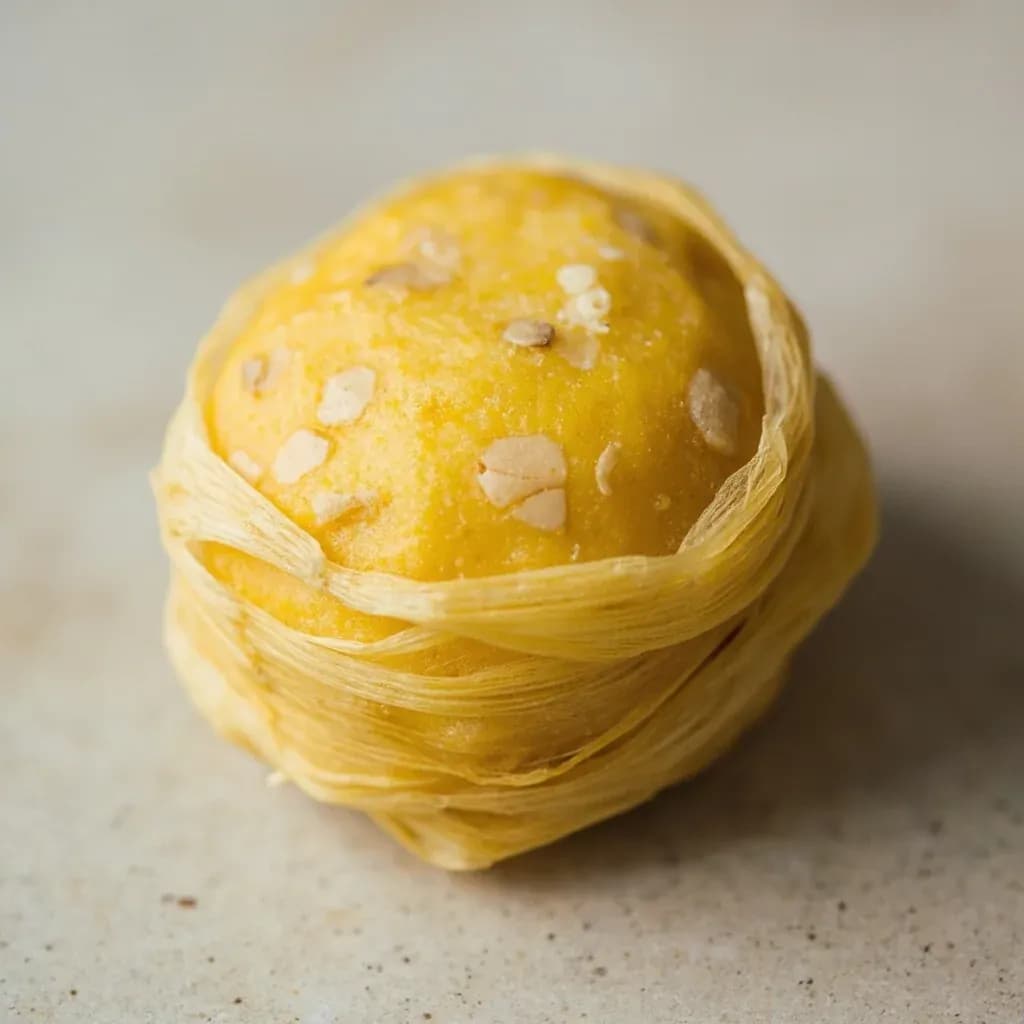
Kenkey is a West African staple made from fermented white corn dough that is partly cooked, wrapped in corn husks or banana leaves, then steamed into a dense, slightly sour dumpling. It is a cornerstone of Ghanaian and Togolese meals, eaten with spicy pepper sauce, fried fish, or shito. The lactic fermentation gives it a tangy aroma and helps it keep for several days.
Kenkey is a fermented maize product that ranks among Ghana's most important starchy staples, particularly beloved in the Greater Accra and Central regions. Unlike simple boiled corn or cornmeal, kenkey undergoes a controlled natural fermentation lasting 2–5 days, during which lactic acid bacteria spontaneously colonize the milled maize paste. This fermentation imparts the characteristic tangy, slightly sour flavor and transforms the dough into something denser and more cohesive than unfermented corn products. The fermented dough is shaped into compact balls or cylinders, wrapped tightly in corn husks or banana leaves, and steam-cooked until fully set. The result is a dense, slightly sour starch with a thin, slightly sticky outer skin that holds its shape when torn or sliced.
The fermentation is not merely about flavor—it is functional technology. Lactic acid fermentation partially breaks down phytic acid, improving mineral bioavailability in a staple diet where maize provides the bulk of calories. The process predates refrigeration entirely, relying on ambient lactobacilli and the cook's judgment to read when the dough is ready. Two main traditions dominate: the Ga kenkey of Accra, wrapped in pairs with a slightly smoother texture, and the Fante kenkey of the Central Region, typically firmer with its own fermentation culture. Both are available fresh from Ghanaian market vendors, and frozen imports appear in specialty African groceries abroad. Before steaming, the uncooked fermented dough is sometimes called 'ayoo' in Ga households.
- Measured in
- piece
- Storage
- Fridge
Types & varieties
Accra style, made by the Ga people. Slightly smoother texture; traditionally wrapped in pairs. Fold and roll technique differs slightly from Fante tradition.
Central Region style, made by the Fante people. Tends to be firmer and denser. Uses a distinct fermentation starter tradition that may produce a more pronounced sourness.
Understanding the Fermentation
The fermentation is the heart of kenkey. Milled maize is mixed with water to form a thick paste and left uncovered at room temperature. Lactic acid bacteria naturally present in the maize and environment colonize the dough over 2–5 days. You know fermentation is complete when the dough smells noticeably sour—reminiscent of yogurt or sourdough starter—and small bubbles appear on the surface. Stir once daily to distribute the bacteria evenly. A weak fermentation yields bland kenkey; over-fermentation produces overly sharp acidity that overwhelms the corn flavor. If the dough becomes too wet and bubbly from excess gas, kneading in a handful of cooked rice helps absorb moisture and moderate the activity. This process partially breaks down complex starches and phytic acid, making the final product more digestible and nutrient-available than unfermented maize.
- The dough should smell sour, not rotten or alcoholic
- Bubbles on the surface signal active fermentation—stir daily to prevent hot spots
- If fermentation stalls (no sour smell after 3 days), the maize may have been too old or the temperature too cool
The Wrap and Steam
Wrapping kenkey is functional, not decorative. Corn husks or banana leaves create a containment shell that prevents the soft dough from falling apart in the pot and protects the surface from direct steam moisture. Husks must be soaked for at least an hour before use—dry husks tear easily and admit water. The dough ball is placed in the center of the husk, sides folded in, then rolled tightly and tied with husk strips or kitchen twine. The wrap must be snug; any slack allows steam water to pool against the dough, creating a gummy, sticky surface instead of the desired firm crust. Steaming takes 30–45 minutes on a steady boil. Do not open the lid during cooking—every peek lets in cold air and condensation that compromises the texture. Kenkey is done when a skewer inserted through the husk meets firm resistance with no raw, sticky dough on the inside.
- Soak husks thoroughly before wrapping to prevent tearing
- Roll tightly—the wrap is a mold, not just a cover
- Never open the pot during steaming; plan ahead for the full cooking time
Common uses
Tips & pitfalls
- Ensure maize ferments fully—a weak fermentation yields bland kenkey without the characteristic sourness
- The dough should be stiff enough to hold shape when wrapped; wet dough will fall apart during steaming
- Corn husks must be soaked and cleaned before wrapping to prevent tearing and water ingress
- Steam on high heat continuously; opening the pot lets in moisture that makes the surface sticky
- Press kenkey firmly when shaping—loose, crumbly texture after cooking indicates under-pressing before steaming
- If fermentation produces too much gas (bubbling, frothy dough), add a handful of cooked rice to absorb excess moisture
- Leftover kenkey fries crisper and faster than fresh; the outer skin is already set and toasts quickly
- Frozen kenkey should be thawed completely before reheating; microwave in short bursts wrapped in a damp cloth
- If kenkey cracks during steaming, the wrap was too loose or the dough too dry—next time, press more firmly and wrap tighter
- Commercial fresh kenkey in Ghanaian markets is sold the same morning it is made; buy early for the best texture
Nutrition
Nutrition
No USDA FoodData Central match for Kenkey yet. We surface a per-100 g profile once a generic whole-food entry is matched and verified.
In the shops
Matched grocery products
No matched grocery products for Kenkey yet.
Good to know
- Origin
- Ghana, West Africa (Ga and Akan peoples)
- Primary Grain
- Maize (corn)
- Fermentation
- Natural lactic acid fermentation, 2–5 days at room temperature
- Cooking Method
- Steamed while wrapped in corn husks or banana leaves
- Flavor
- Slightly sour with mild corn sweetness; tangy, not sharp
- Shelf Life
- 2–3 days at room temperature; up to 6 months frozen
- Typical Weight
- 250–400 g balls or cylinders
- Total Time
- 5–7 days including fermentation; 30–45 minutes steaming
- Difficulty
- Advanced; requires experience judging fermentation
Substitutes
- Banku — Fermented cassava-corn dough; shares kenkey's characteristic sourness and sticky, dense texture. The most direct Ghanaian substitute in recipes and on the plate.
- Fermented cornmeal dumplings — Common across West Africa; steamed in leaves or cloth; lighter and less dense than kenkey; shorter fermentation time makes the sourness milder.
Pairs with
Also called
Dokono · Komi
Related

White Rice
Fluffy long-grain rice — the neutral base for almost any meal

White Bread
Soft sandwich loaf for toast, sandwiches, and crumbs
Brown Rice
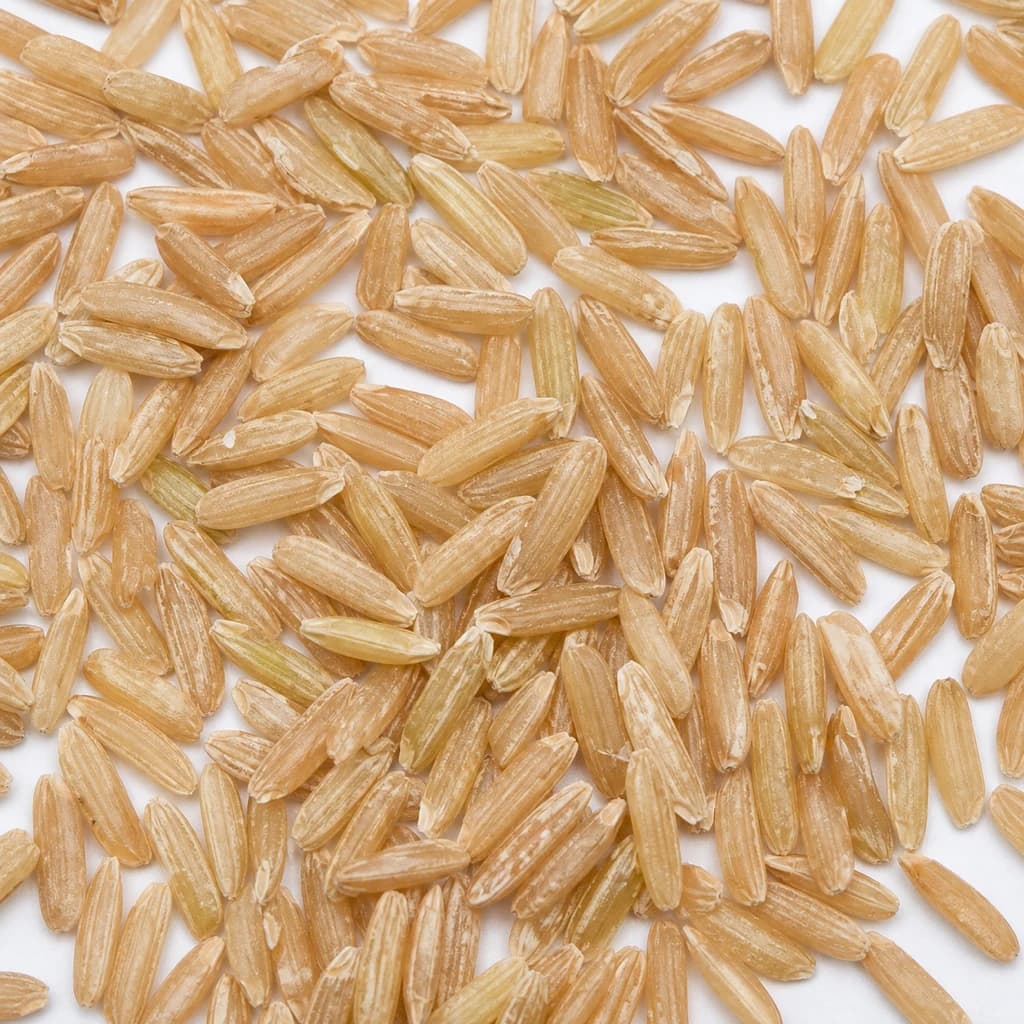
Nutty, whole-grain rice with chew and extra fiber

Basmati Rice
Fragrant, long-grain rice that cooks up light and separate
Jasmine Rice
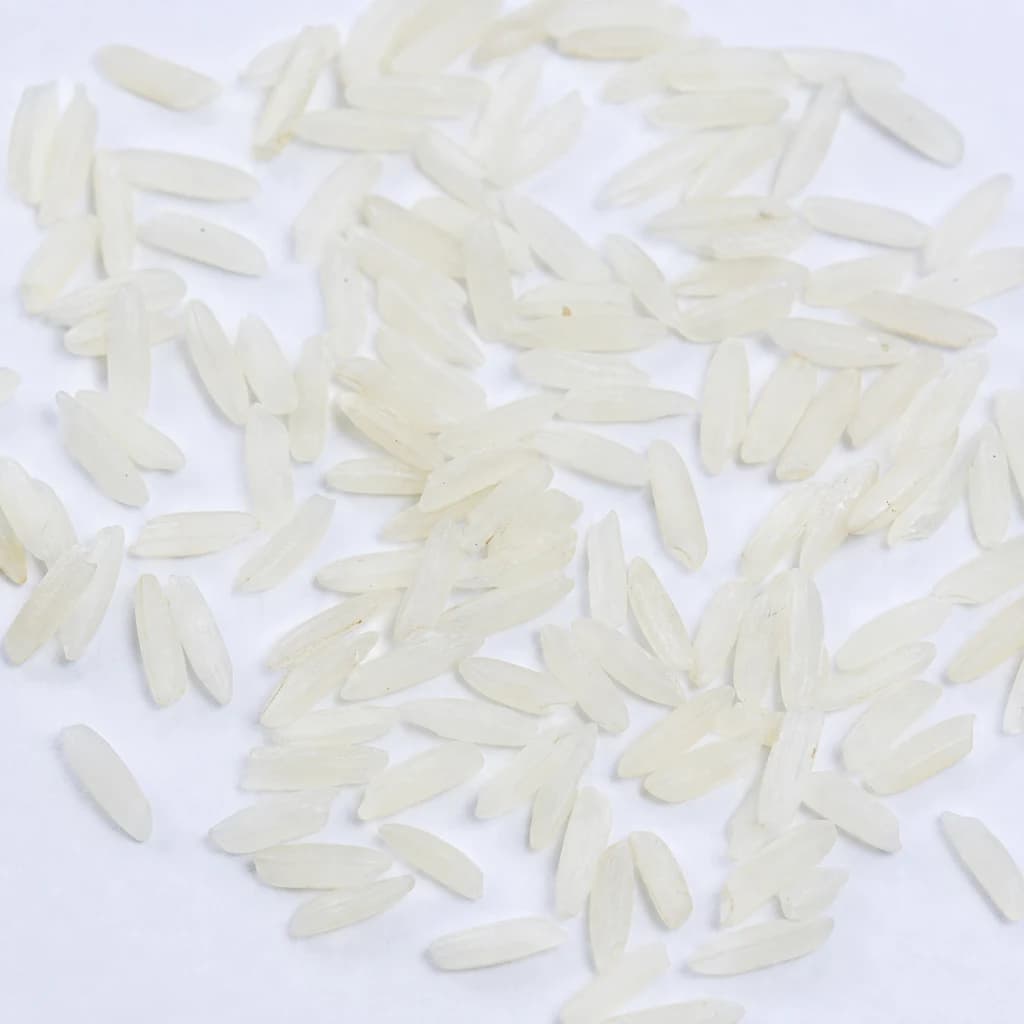
Soft, floral-scented rice that's the pillar of Thai meals
Arborio Rice
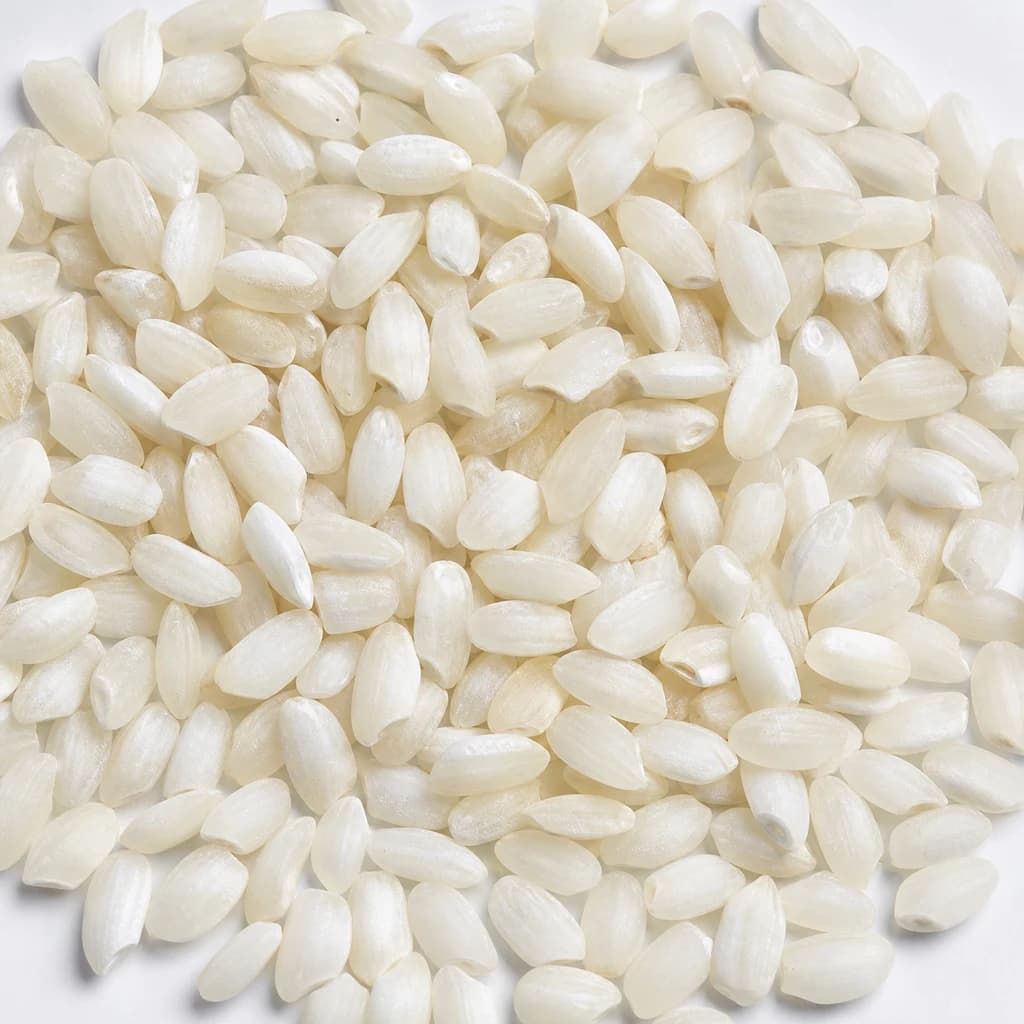
Plump, starchy rice that makes risotto creamy
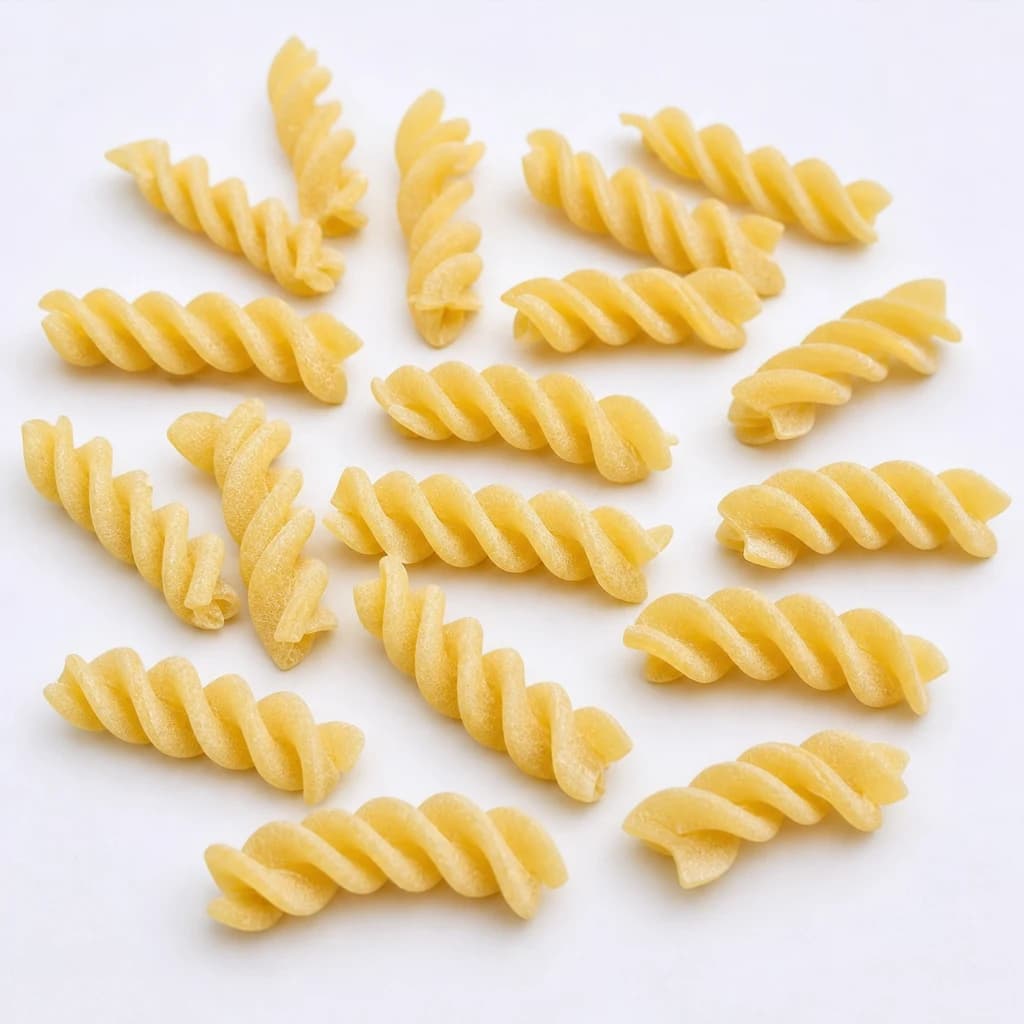
Fusilli
Spiraled pasta that twirls up sauce and dresses cold salads
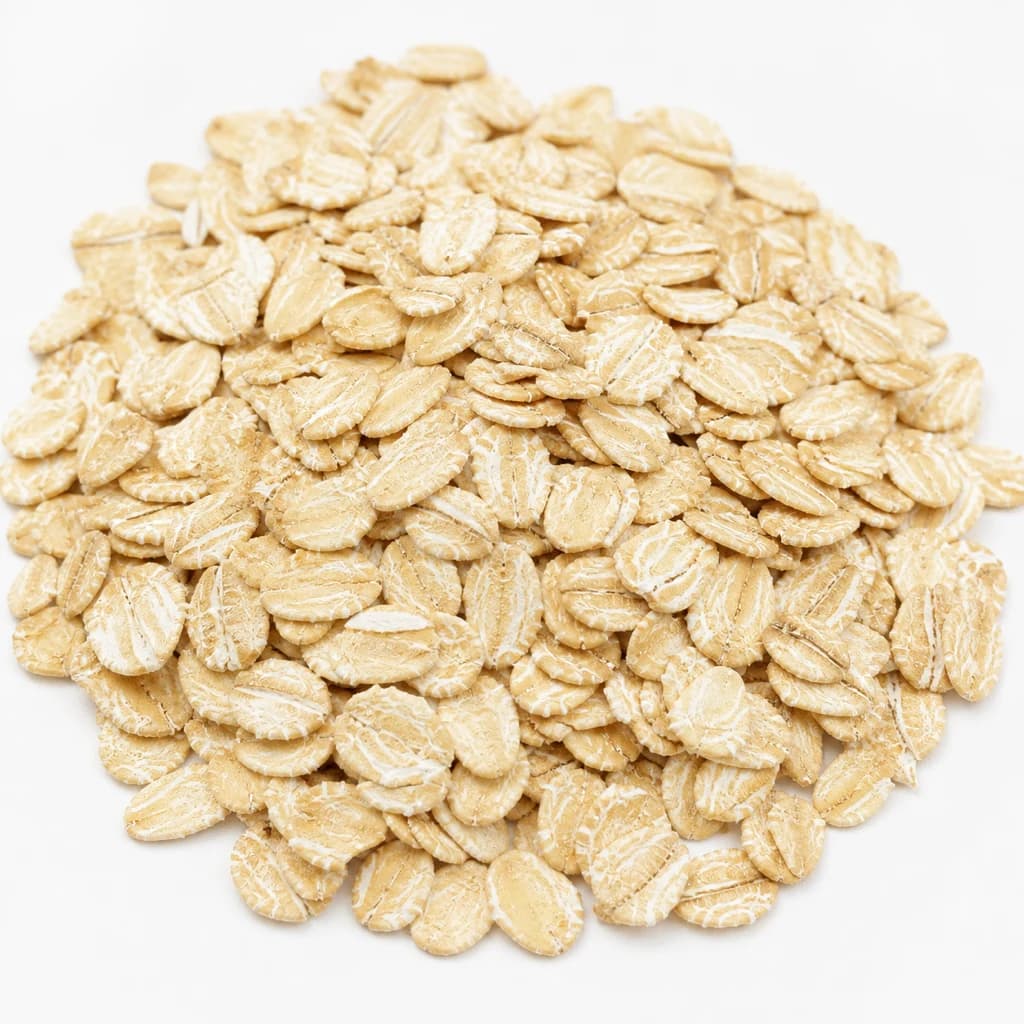
Rolled Oats
Hearty flakes for porridge, granola, and chewy cookies