Heat & Fire
Char-Roasting Vegetables
Blistering vegetables over flame or under high heat for smoky depth and easy peeling.
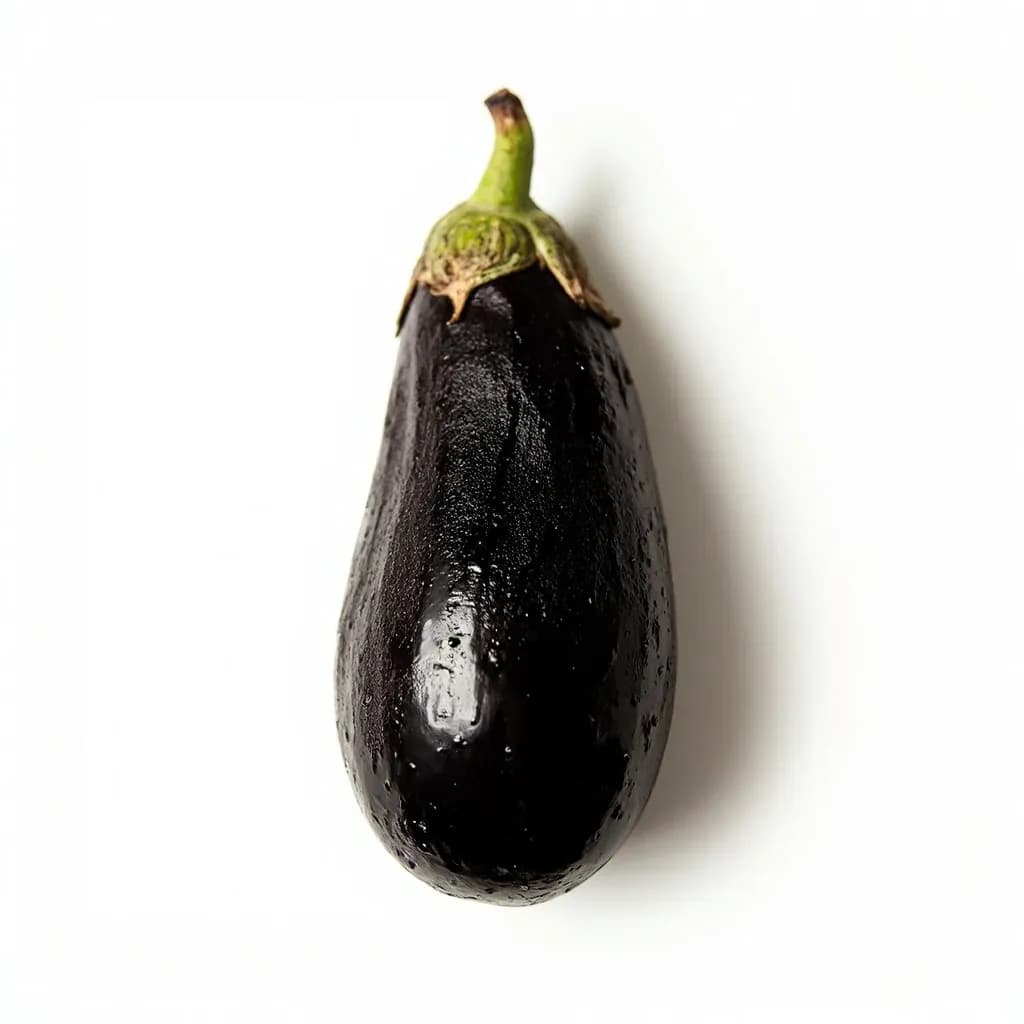
Char-roasting exposes vegetables to direct flame, a grill, or a broiler until the skin blackens and blisters. It is used on eggplant for baba ganoush and on tomatoes and tomatillos for salsas, lending smoky depth and softening the flesh. The charred skin is usually peeled away, leaving sweet, smoky pulp. The blackening also concentrates sugars for a roasted, caramelized note.
Char-roasting is the practice of blistering whole vegetables directly over flame or under a screaming-hot broiler until the skin blackens, cracks, and sloughs away, leaving the flesh beneath soft, sweet, and faintly smoky. Unlike conventional roasting, which circulates moderate ambient heat around oiled, cut pieces, char-roasting uses radiant and direct-flame contact at 500°F and above — often much higher, since a gas burner flame runs near 1500°F — to drive off surface moisture and pyrolyze the outermost layer of sugars. The result is a vegetable that behaves almost like two ingredients: a brittle, carbon-black husk to be discarded, and a tender, almost custardy interior laced with the unmistakable perfume of fire. That smoky lift — carried by pyrazines from Maillard browning, furans and furfural from the pyrolysis of surface sugars, and, when wood or charcoal is involved, phenols like guaiacol and syringol absorbed from the smoke — is what char-roasting adds to a dish, and it is the reason the technique anchors so many of the world's most elemental sauces, dips, and salsas.
The method is forgiving in time and equipment but unforgiving in one respect: the vegetable must be whole, dry, and unseasoned. Oil at this stage causes flare-ups and steams the skin before it can blister; salt draws out moisture and does the same. What matters is heat intensity, even rotation, and the patient step that follows the fire — a covered steam rest that loosens the charred skin so it slips off cleanly under cool water or a paring knife. Done well, char-roasting transforms humble peppers, tomatoes, onions, garlic, and eggplant into the foundation of dishes as varied as Levantine baba ghanoush, Catalan romesco, New Mexico green chile, and Mexican salsa asada.
- Difficulty
- Medium
Types & varieties
Mexican dry-skillet blistering of jalapeños or serranos, finished with lime juice, smashed garlic, and coarse salt.
Whole tomatoes charred on a grill or under a broiler, then peeled and crushed for sauces, salsas, and bisques.
Catalan method of charring red bell peppers and ñora chiles, then grinding with toasted almonds, garlic, and tomato.
New Mexico late-summer tradition of blistering whole green chiles in wire-mesh cages rotated over open flame.
Levantine preparation of whole eggplant charred until collapsed, then mashed with tahini, lemon juice, and garlic.
Husks removed, cobs grilled directly over high flame until kernels blacken in spots and the milk steams.
Greek technique of charring whole heads of garlic until soft, then squeezing the sweet cloves into almond or potato dip.
Thick-sliced onions seared in a dry cast-iron skillet until the edges turn coal-black and the centers turn translucent.
How to do it
- 1
Select and prep
Choose firm, ripe vegetables with intact skin. Wash and dry thoroughly; do not oil or season. Leave stems on peppers and small onions intact to act as handles. For garlic, slice off the top quarter-inch to expose the cloves. For eggplant, pierce once or twice with a skewer to vent steam.
- 2
Heat the source
Light a gas burner to high, preheat a grill to its hottest setting (500°F or above), or position an oven rack 4–5 inches below the broiler and preheat on high for at least ten minutes. For a cast-iron skillet, heat dry over high until wisps of smoke appear.
- 3
Position the vegetables
Place whole vegetables directly on the grill grates, on a foil-lined sheet under the broiler, or balanced on a long fork or skewer over a gas burner. Arrange in a single layer with space between them so steam can escape and each piece chars rather than stews.
- 4
Char all sides
Cook 4–8 minutes total, turning every 1–2 minutes with tongs, until the skin is uniformly blackened, blistered, and the flesh feels soft when pressed. Some splitting is normal and desirable — it signals the interior is reaching doneness.
- 5
Steam in a covered bowl
Transfer the charred vegetables immediately to a heatproof bowl and cover tightly with plastic wrap, a plate, or a lid. Alternatively, seal them in a paper bag. Rest 10–15 minutes; the trapped steam loosens the charred skin and finishes softening the flesh so it peels cleanly.
- 6
Peel and seed
Pull off the blackened skin with your fingers, a paring knife, or under cool running water for stubborn bits. For peppers and chiles, slice open and scrape out the seed cluster. For tomatoes, halve and squeeze out excess juice and seeds if a drier texture is wanted. Do not rinse the flesh — water washes out flavor.
- 7
Finish and use
Chop, mash, or leave whole depending on the recipe. Season now with salt, acid (lime, vinegar, lemon), and any final herbs, oils, or aromatics. Use immediately, refrigerate in a covered container up to five days, or freeze in a thin layer on a sheet pan before bagging for up to three months.
How Charring Works
The blackened skin is not burnt food in any useful sense — it is a controlled layer of carbonized plant matter that the cook discards. What matters is the zone immediately beneath it, where temperatures climb high enough to drive Maillard reactions and caramelize the vegetable's natural sugars without driving off the moisture that keeps the interior tender. The trick is to reach that zone quickly, before heat has time to penetrate and collapse the flesh. A gas burner or red-hot grill grate delivers this in minutes; a 350°F oven never will, which is why a 'roasted' pepper and a charred pepper taste and behave so differently even after peeling.
- Direct flame surface temperatures of 1200–1500°F blister skin in under two minutes per side.
- Steam trapped after charring raises the skin's internal temperature just enough to loosen its bond to the flesh.
- Pyrazines, furans, and furfural form in the browned layer and migrate inward as the vegetable rests; phenols like guaiacol and syringol deposit on the surface when a wood or charcoal fire is the heat source.
Choosing the Right Vegetable
Char-roasting rewards vegetables that are firm, water-rich, and wrapped in a skin thin or loose enough to peel. Dense roots like carrots, parsnips, and potatoes need a different approach — oil and conventional oven heat — because their tight skins will not blister before their interiors turn to mush. Leeks, scallions, and spring onions are an exception: their layered greens char beautifully and become a brittle, savory garnish for grain bowls and grilled fish.
- Best: bell peppers, Italian frying peppers, poblanos, jalapeños, serranos, tomatoes, eggplant, garlic, onions, leeks, corn, shishitos.
- Acceptable with attention: tomatillos (watch for splitting), small squash (pierce first to vent steam).
- Poor candidates: carrots, beets, potatoes, winter squash — too dense and too tight-skinned to blister before overcooking.
Equipment Alternatives
A gas stovetop burner is the most accessible char-roaster in any kitchen: lay a vegetable directly on a wire grate over the flame, or spear it on a long skewer and rotate. A charcoal or wood grill adds the most authentic smoke; a gas grill sits between the two. The oven broiler, set on high with the rack 4–5 inches from the element, handles large batches of halved peppers and tomatoes on a foil-lined sheet. A cast-iron skillet heated until it just begins to smoke gives excellent blistering on flat surfaces — perfect for halved peppers, tomato halves, and corn kernels cut from the cob.
- Gas burner: best for whole peppers, garlic heads, and small chiles.
- Broiler: best for large batches of tomatoes and halved peppers on a sheet pan.
- Cast-iron skillet: best for flat surfaces — fajita onions, corn kernels, sliced eggplant.
- Kitchen torch: best for finishing shishitos, scallions, and small garlic heads.
Common uses
Tips & pitfalls
- Skip the oil before charring — oil causes flare-ups and prevents the skin from crisping and separating cleanly.
- Salt only after charring and peeling; salt draws moisture and will steam the skin before it can blister.
- Cook over the hottest part of the grill or use the top rack of the broiler with the door closed to trap radiant heat.
- Rotate frequently with long tongs so all sides blister evenly; aim for black, blistered, and collapsing on the outside while the inside stays warm and just soft, not disintegrated.
- The covered steam rest is not optional — it is what makes the skin slip off cleanly and is the step most often skipped by impatient cooks.
- If broiling, line the sheet with foil; the drippings turn black and bitter and are not worth salvaging.
- For gas-burner charring, spear the vegetable on a long metal skewer or grip it with tongs — never hold a vegetable with bare hands over an open flame.
- Peel under cool running water only for stubborn bits, and do not soak the flesh, or you will wash out the smoky flavor you just spent minutes building.
Good to know
- Technique type
- Dry-heat, high-temperature cooking with direct flame or radiant heat
- Heat range
- 500–600°F / 260–315°C on grill or broiler; direct gas-flame contact exceeds 1500°F
- Typical time
- 4–8 minutes total for peppers and tomatoes; 10–15 minutes for whole eggplant and garlic heads
- Equipment
- Gas burner, charcoal or wood grill, oven broiler, kitchen torch, or cast-iron skillet heated to smoking
- Key chemistry
- Pyrolysis of surface sugars, Maillard browning, and caramelization beneath the charred skin
- Best candidates
- Water-rich vegetables with thin or peelable skin: peppers, tomatoes, eggplant, onions, garlic, leeks, corn, chiles
- Yield
- Roughly 80% of raw weight after skin removal for thick-skinned peppers and eggplant
- Storage
- Refrigerate peeled charred vegetables up to 5 days; freeze in a thin layer up to 3 months
Also called
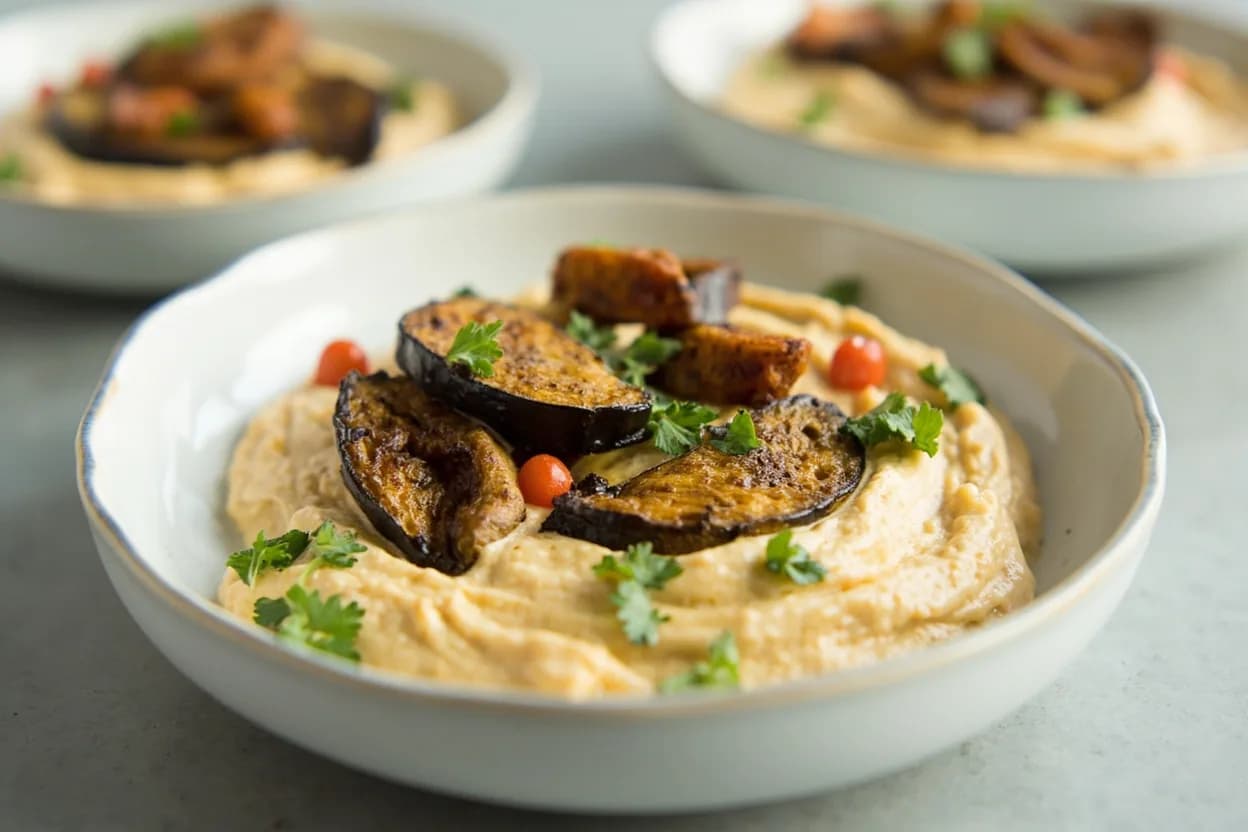
Char-Roasting Eggplant · Roasting Tomatoes & Tomatillos · Fire-Roasting
Dishes that rely on it
Related

Sear
Blast the surface hot for a deep-browned, savory crust

Sauté
Cook quickly in a little fat over lively heat, tossing as you go

Stir-Fry
Toss bite-sized pieces over roaring heat for fast, smoky cooking

Pan-Fry
Crisp food in a shallow layer of hot fat, turning once or twice

Deep-Fry
Submerge in hot oil for an all-over crackling crust

Roast
Cook uncovered in dry oven heat for browned edges and tender centers

Bake
Cook with steady, surrounding oven heat — the soul of bread and pastry

Broil
Hit food from directly above with fierce overhead heat