Heat & Fire
Making Caramel
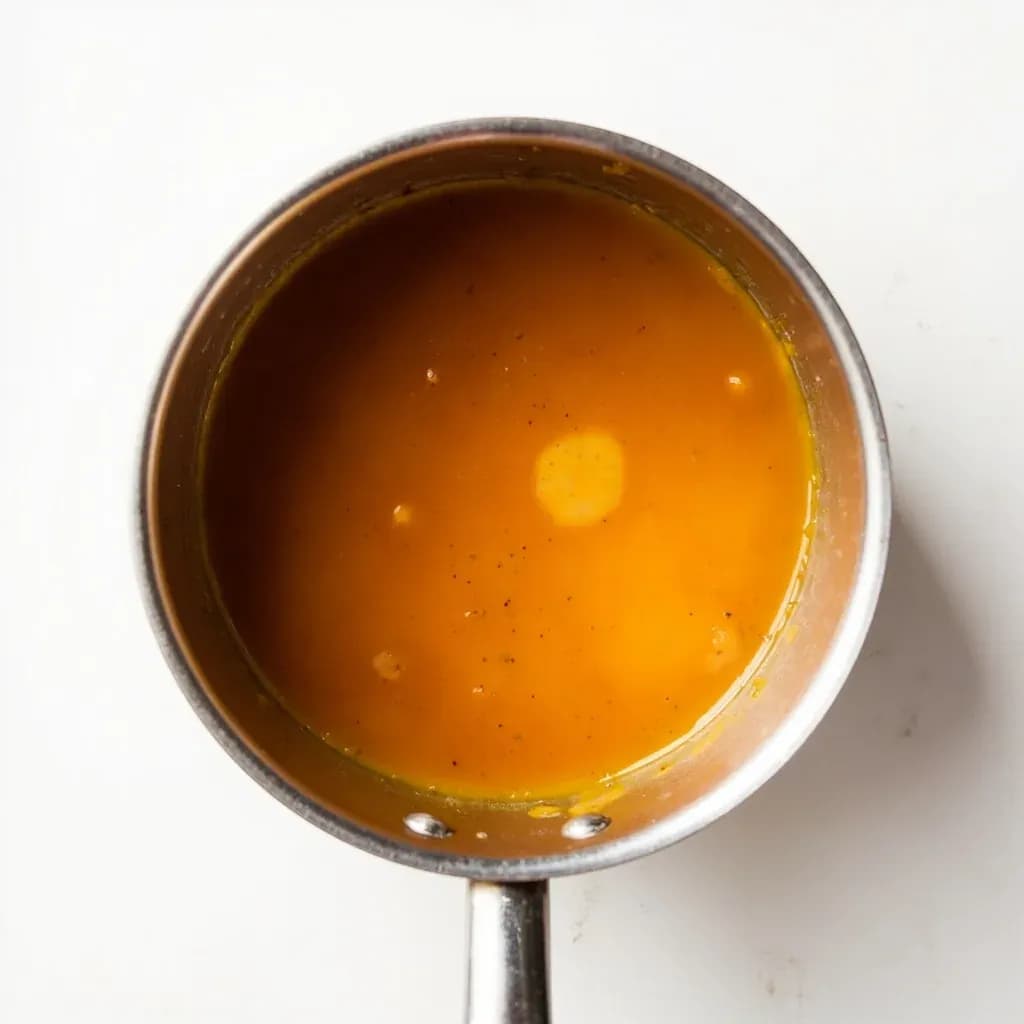
Heating sugar until it melts and browns into a deep amber syrup with rich toasted flavor.
Making caramel involves heating sugar, dry or with a little water, until it melts and the molecules break down and brown into a complex amber syrup. The technique is used for sauces, candies, flans and as a base for many desserts, and the color is controlled by how far the cooking is pushed before stopping it. Sugar gets extremely hot, so caramel can burn quickly and cause serious burns if splashed.
Caramel is one of the most fundamental and most humbling techniques in a working kitchen. You are performing a controlled burn of sucrose: first melting it into a clear syrup, then driving it past 320°F (160°C), where the molecules invert into glucose and fructose and recombine into brown polymers and aromatic compounds that give caramel its amber color and toasted, faintly bitter flavor. The window between pale gold and acrid black is roughly 60 seconds, which is why nearly every cook burns their first few batches. Success is less about recipe and almost entirely about staging, observation, and the discipline to pull the pan off the heat at the right moment.
There are two schools. The wet method dissolves the sugar in water first; it heats more slowly and evenly and resists scorching. The dry method skips the water and lets the sugar melt in patches that you fold together; it develops a slightly more roasty, complex flavor but is far less forgiving. Either way, you finish by arresting the cook at a target color (and matching temperature) and using the caramel immediately, because residual heat keeps browning going for several seconds after the burner goes off.
Mastery comes down to two things: laying out every ingredient, spoon, and finishing dish before the heat goes on, and learning to read the color with your eyes. A thermometer is useful, but the syrup's color — straw, copper, mahogany — is the truest gauge. From there, caramel is a building block: pour it over ice cream, whisk warm cream into it for sauce, line a tin with it for a custard, or deglaze a pan to give a savory dish a depth and color that no other technique can match.
- Difficulty
- Medium
Types & varieties
Sugar dissolved in water before heating; the standard for an even melt and predictable color.
Sugar added straight to a hot pan; melts in patches, slightly more roasty flavor, and far easier to burn.
Pulled at ~340°F (170°C); pale and sweet, ideal for milk-based caramel sauces and delicate custards.
Pulled at ~350–355°F (177–180°C); the classic balance of sweet and bitter for sauces, flan, and tarte Tatin.
Pulled at ~360–380°F (183–193°C); smoky and bitter, used for color in stocks, braises, and rich desserts.
Medium caramel finished off the heat with warm heavy cream, often butter, salt, and vanilla.
Caramel cooked with cream, butter, corn syrup, and sometimes sweetened condensed milk to a soft-ball stage (~234–240°F / 112–116°C) and set in a pan.
Caramel taken to hard-crack (~300–310°F / 149–154°C) with water and corn syrup; cooled into brittle sheets or molded shapes.
A dry caramel deglazed with warmed spirit (rum, bourbon, brandy) and ignited for a quick pan sauce or dessert finish.
How to do it
- 1
Choose your method and stage the pan
Decide between the wet method (1 cup sugar to 1/3–1/2 cup water, more even and forgiving) and the dry method (sugar straight into the pan, faster and more roasty but easier to scorch). Set a heavy 3–4 quart light-colored saucepan over medium heat and arrange a heatproof spatula, a pastry brush with water, a candy or instant-read thermometer, and all finishing ingredients within arm's reach.
- 2
Begin heating
For the wet method, combine the sugar and water and stir once to moisten; do not stir again. For the dry method, sprinkle a thin, even layer of sugar across the bottom of the pan and let it begin to melt, swirling the pan gently as patches liquefy so they spread into a single mass. Heat over medium; do not increase the heat to hurry the process.
- 3
Dissolve any stray crystals (wet method)
Once the wet syrup reaches a rolling boil, clamp on a lid for 30–60 seconds. The trapped steam will dissolve crystals clinging to the pan walls. Remove the lid, reduce the heat to medium-low, and let the syrup cook undisturbed.
- 4
Watch for color and track the temperature
As the clear syrup thickens and turns briefly cloudy, then transparent again, watch for the first hint of color: straw, gold, amber, mahogany. The change from gold to mahogany is rapid; never walk away once color appears. Use a spoon to drip a small amount, or a thermometer, to track the target range (340–360°F / 170–182°C for most uses).
- 5
Pull at your target color and stop the cook
Remove the pan from the heat a few seconds before the color you want — carryover will deepen it. To stop the cook instantly, set the pan's base in a shallow pan of cool water, or pour the caramel into a heatproof metal bowl or rimmed sheet pan.
- 6
Finish with liquids, cream, or butter (optional)
To make a sauce, slowly pour warm heavy cream into the caramel off the heat, whisking steadily; the mixture will hiss and steam. Whisk in butter, salt, or vanilla to finish. For a custard base, pour the caramel directly into the waiting dish and swirl to coat. To deglaze a pan, return it to low heat and add stock, wine, or spirits, scraping the fond.
- 7
Use immediately or store
Use caramel warm for pouring, or let it cool to room temperature and transfer to a sealed glass jar. Caramel sauce keeps refrigerated for 2–3 weeks and reheats gently in the microwave or over a double boiler; pure caramel syrup keeps similarly and can be frozen for several months.
Reading the Color
A thermometer is a useful check, but the syrup's color is the truest signal. Learn these stages and you can work without one.
- Straw (~330°F / 166°C): a faint champagne tint. Too pale for most uses but the syrup is fully melted and safe to add flavorings.
- Light gold (~340°F / 170°C): pale honey color; delicate, sweet, and the right stage for milk-based caramel sauces and custards.
- Amber (~350°F / 177°C): rich orange-brown, the classic caramel color; the workhorse stage for flan, caramel sauce, and candied nuts.
- Mahogany (~365–380°F / 185–193°C): deep reddish brown, smoky and slightly bitter; correct for tarte Tatin, dark caramel sauce, and savory deglazes.
- Black and smoking: discard. Sugar past ~400°F (205°C) tastes sharply acrid and will ruin whatever you add it to.
Common uses
Tips & pitfalls
- Use a heavy-bottomed, light-colored saucepan; dark pans hide the color and lead to burning.
- Stage every ingredient, spoon, thermometer, and finishing dish before turning on the heat; the process is short and cannot be paused.
- For the wet method, clamp a lid on the pan for 30–60 seconds once the syrup boils; the steam washes stray crystals off the walls and prevents 'seeding' the syrup.
- After the sugar melts, swirl the pan instead of stirring; stirring knocks syrup onto cooler walls and encourages crystallization.
- Add 1/2 tsp cream of tartar or a small squeeze of lemon juice per cup of sugar to acidify the syrup and inhibit crystal formation.
- If crystals form on the walls, brush them down with a wet pastry brush rather than stirring them in.
- Pull the pan off the heat a few seconds before your target color; residual heat (carryover) will keep darkening it.
- When finishing with cream, warm the cream first; cold cream will boil violently and spatter.
- To stop the cook instantly, set the pan's base in a shallow pan of cool water (without letting water touch the caramel), or pour it into a heatproof metal bowl or rimmed sheet.
- Discard any caramel that smells acrid, smokes heavily, or turns black; burnt sugar tastes sharply bitter and will ruin the dish.
Good to know
- Melt point
- Granulated sucrose melts at roughly 320°F (160°C); caramelization begins immediately above that.
- Light caramel
- Pale gold at ~340°F (170°C); mild, sweet, toasted-sugar flavor.
- Medium caramel
- Rich amber at ~350–355°F (177–180°C); the workhorse stage for sauces, flan, and candied nuts.
- Dark caramel
- Deep mahogany at ~360–380°F (183–193°C); pronounced bitterness, almost coffee-like.
- Burn point
- Above ~400°F (205°C) the sugar ignites or turns acrid and black. Discard and start over.
- Wet method ratio
- About 1 part water to 2–3 parts sugar; the water slows the cook and helps prevent scorching.
- Yield
- 1 cup (200 g) granulated sugar yields roughly 1/2 cup of liquid caramel once the water cooks off.
- Time
- 5–15 minutes from start to target color; the last 60–90 seconds move quickly and decide success or failure.
Also called
caramelizing sugar · caramelization
Dishes that rely on it
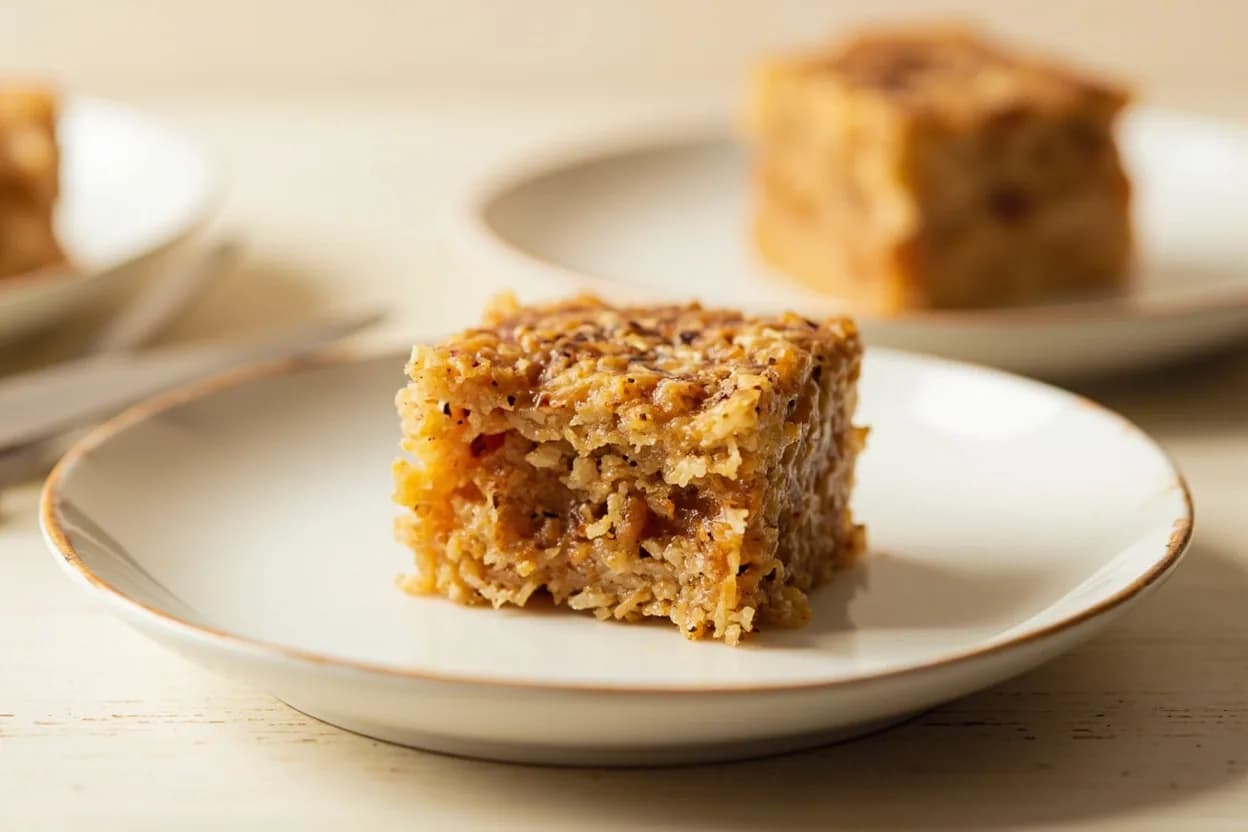
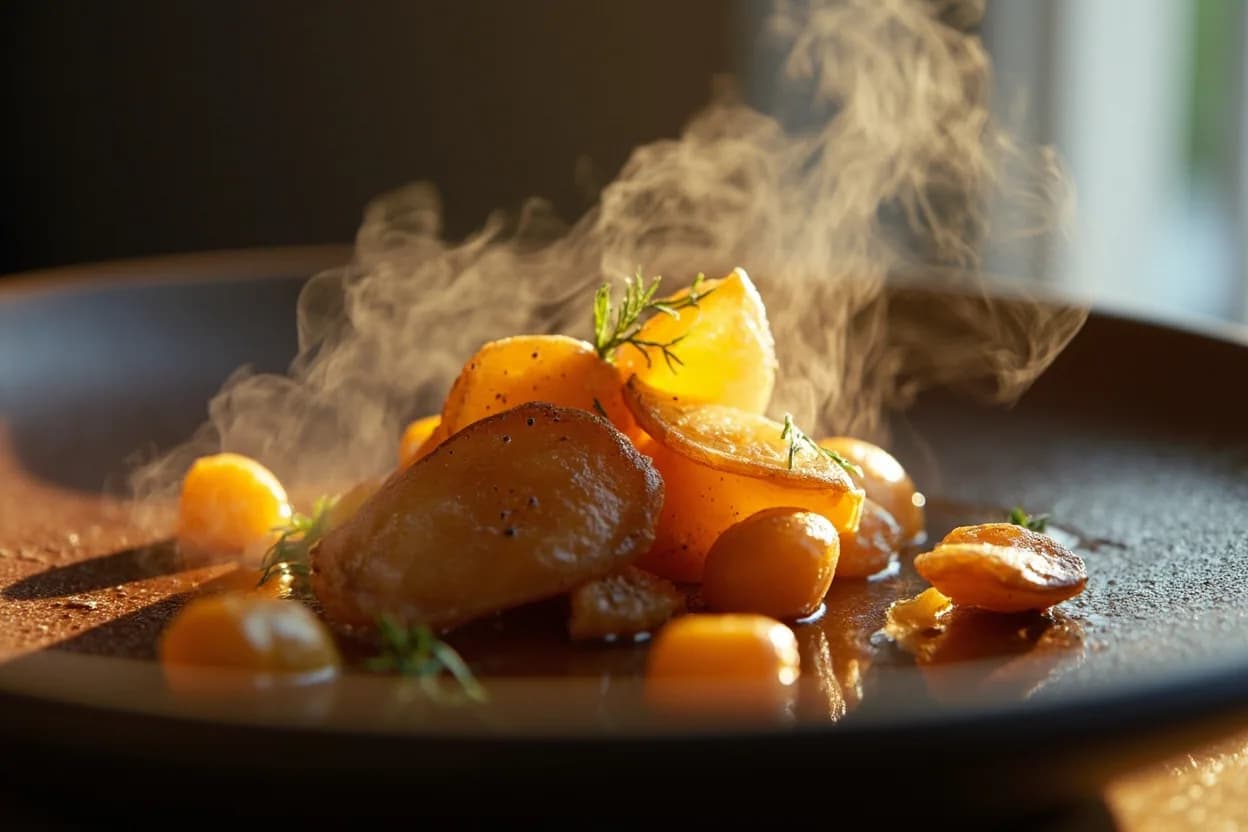
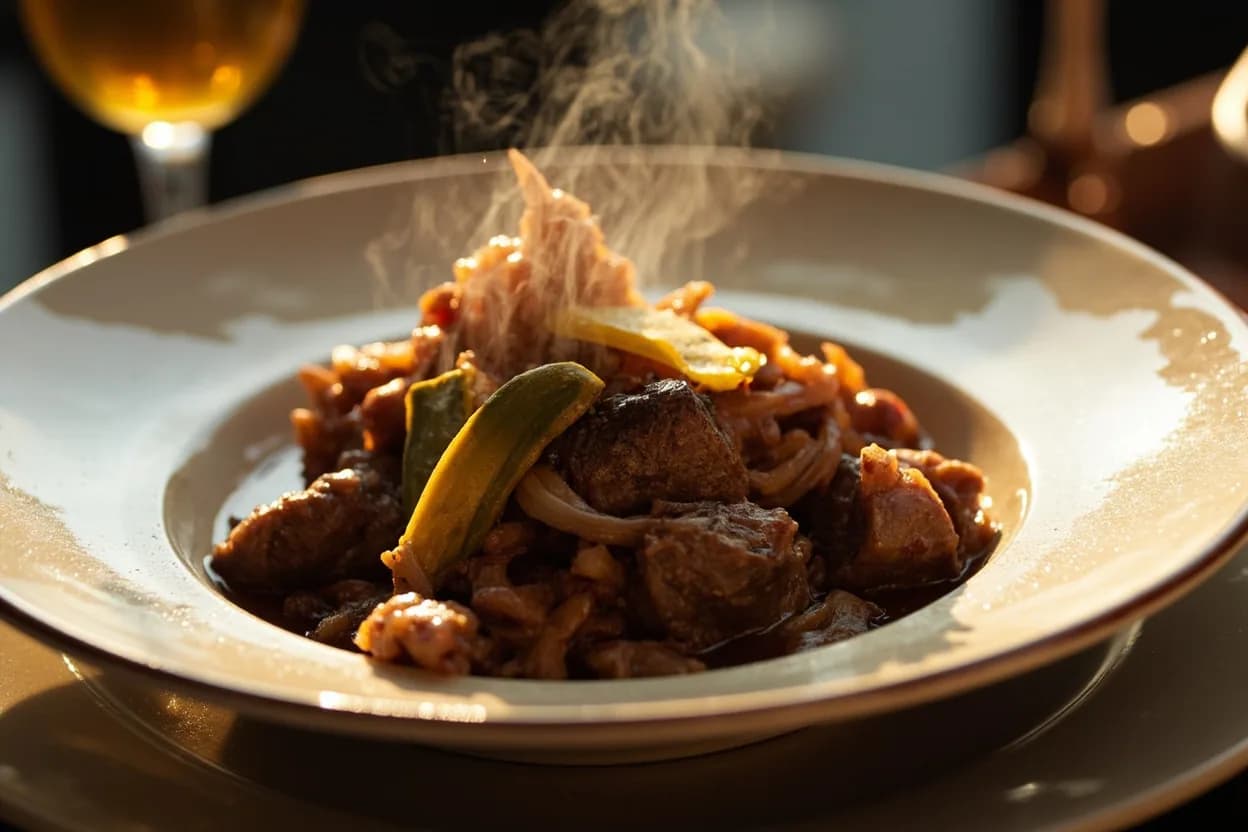
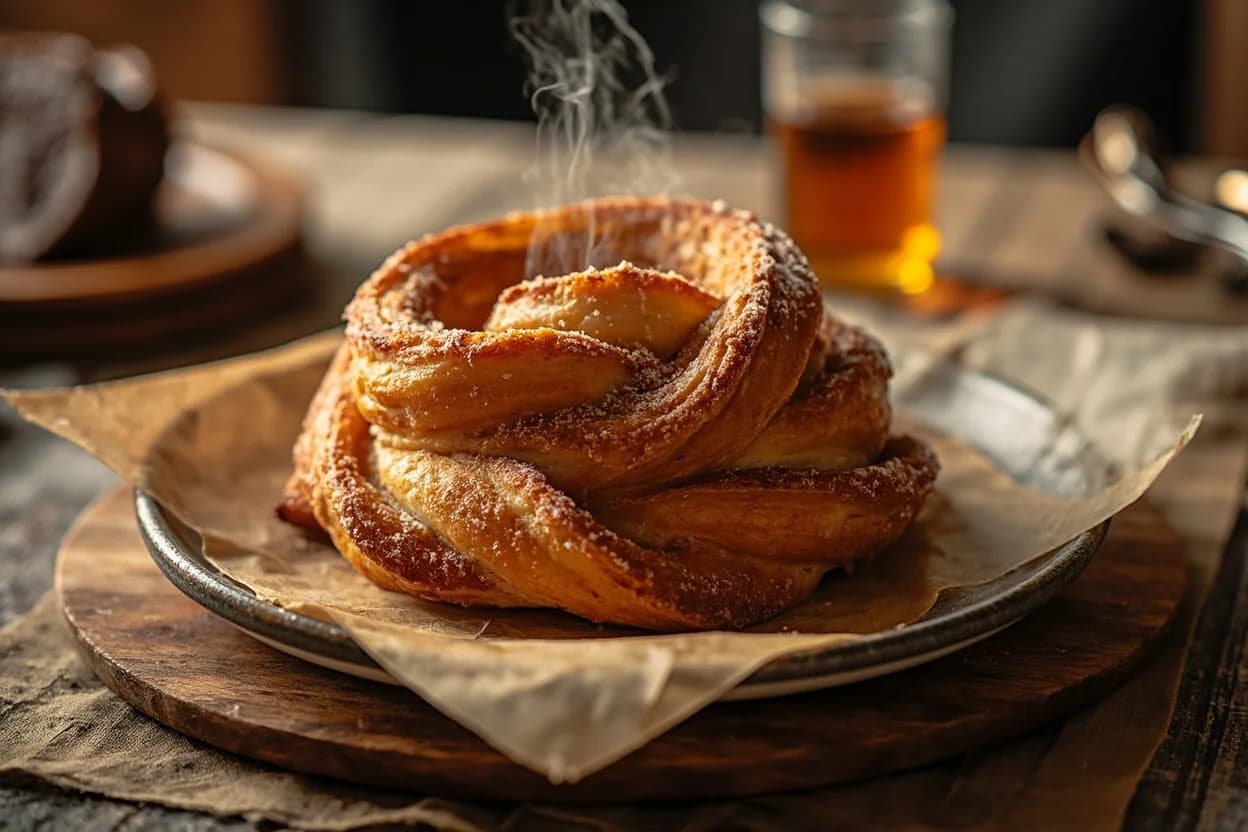
Related

Sear
Blast the surface hot for a deep-browned, savory crust

Sauté
Cook quickly in a little fat over lively heat, tossing as you go

Stir-Fry
Toss bite-sized pieces over roaring heat for fast, smoky cooking

Pan-Fry
Crisp food in a shallow layer of hot fat, turning once or twice

Deep-Fry
Submerge in hot oil for an all-over crackling crust

Roast
Cook uncovered in dry oven heat for browned edges and tender centers

Bake
Cook with steady, surrounding oven heat — the soul of bread and pastry

Broil
Hit food from directly above with fierce overhead heat