Prep & Assembly
Acid Balancing
Adjusting tartness with citrus, vinegar, or acid to brighten and balance a finished dish.
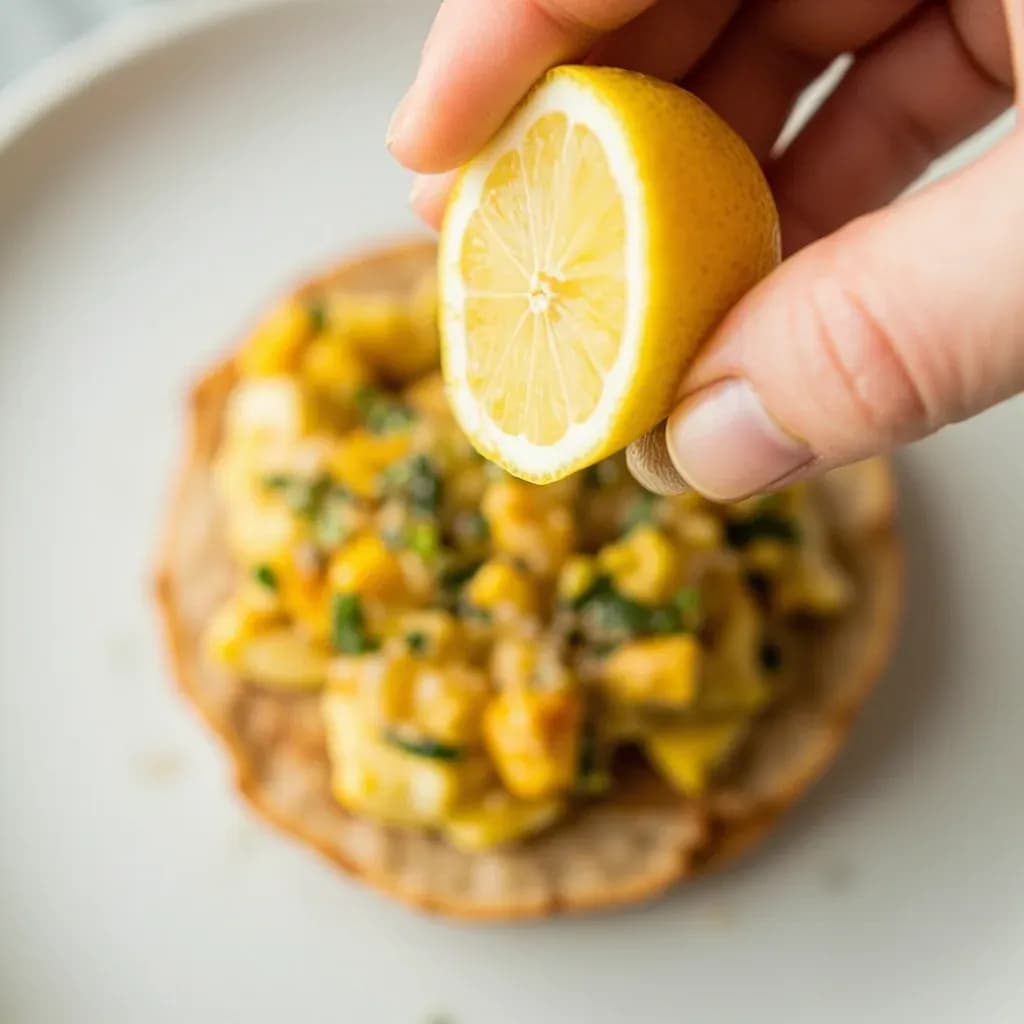
Acid balancing tastes and adjusts the level of sourness in a dish, adding citrus, vinegar, or other acids to lift flat flavors. Acid cuts richness, sharpens sweetness, and brightens the overall profile, often as a final seasoning step. Cooks add it gradually and taste between additions to avoid tipping a dish into harsh sourness. A squeeze at the end can transform a dull dish into a vivid one.
Acid balancing is the practice of introducing a small amount of an acidic ingredient — citrus juice, vinegar, verjus, sour dairy, or a dried sour fruit — to a finished or nearly finished dish in order to brighten its flavor, cut richness, and bring every other seasoning into focus. It is the last-mile counterpart to salting: just as salt makes flavors read more clearly, acid makes them feel more alive on the palate. A stew, a sauce, a bowl of beans, even a slice of cheesecake can be technically cooked to perfection and still taste flat, heavy, or cloying; a careful squeeze of lemon or a splash of sherry vinegar at the end often does more for the dish than another thirty minutes of reduction.
The principle rests on the way hydrogen ions interact with taste receptors and volatile aroma compounds. Acid amplifies perceived saltiness and lifts aromas that have gone dull with cooking; in return, a small amount of salt makes acid feel rounder and less sharp. Sugar softens the harshest edges, fat carries the acid across the palate, and bitter compounds are dampened by contrast. For this reason, acid is almost never evaluated on its own — it sits inside a four-way conversation with salt, fat, and sweetness that a cook conducts by constant tasting.
Acid balancing is a habit more than a recipe step. It is what a cook is doing when they squeeze lemon over grilled fish at the last moment, finish a pan sauce with a sliver of butter and a few drops of vinegar, or stir yogurt through a curry that has turned heavy. Once you learn to recognize the dull, heavy, cloying, or one-note quality that signals a dish needs acid, you reach for it as automatically as the salt.
- Difficulty
- Medium
Types & varieties
Lemon, lime, orange, grapefruit, yuzu, sudachi, Meyer lemon. Fresh and aromatic, always added off the heat. Pairs with fish, salads, grains, pan sauces, and desserts.
Red wine, white wine, and champagne vinegars offer clean acidity for vinaigrettes, deglazing, and braises.
Nutty, complex, slightly sweet. Classic finishing acid for gazpacho, braised greens, roasted vegetables, and pan sauces.
Traditional aged balsamic is sweet-sour with deep caramel notes. Finishing acid for strawberries, steak, caprese, and roasted squash.
Mild and slightly sweet. Standard for sushi rice, dipping sauces, and East Asian dressings where harsh acidity would dominate.
Fruity and mellow. Suited to slaws, pork, chutneys, and braises where a soft acid is wanted.
Pressed juice of unripe grapes. Gentle acidity without the harshness of vinegar — used in delicate sauces and to adjust wine-based reductions.
Sumac (Levantine), amchoor or green mango powder (India), kokum (India), and barberry (Persian) deliver sourness plus aromatic complexity.
Sweet-sour pulp central to South Asian, Thai, Mexican, and Worcestershire-style sauces. Often used in long cooking, where its sourness softens.
Yogurt, buttermilk, sour cream, and crème fraîche contribute both acid and body. Useful in marinades, dips, and finishing sauces.
How to do it
- 1
Taste the finished dish
Take a small spoonful and let it sit on the palate for a few seconds. Identify what is missing: dullness, heaviness, sweetness that needs cutting, bitterness, or one-note flatness. Confirm the dish is properly salted before adjusting — salt and acid are evaluated together.
- 2
Diagnose the imbalance
Heavy or greasy mouthfeel calls for acid to cut fat. Cloying or sweet flavors need acid for contrast. Dull or one-note profiles need acid to lift aromatics. Bitter notes (burnt greens, over-extracted coffee, underripe eggplant) soften with acid. Over-salted food is masked, not fixed, by acid — useful in a pinch, but prefer dilution or more bulk if possible.
- 3
Choose the right acid
Match the acid's flavor to the dish. Lemon and lime for freshness and Mediterranean or tropical cues. Sherry or champagne vinegar for depth without heaviness. Balsamic for sweet-sour richness. Verjus or rice vinegar for delicate sauces. Sumac, amchoor, or tamarind when you want aromatic complexity. Yogurt, buttermilk, or crème fraîche when you want both acid and body.
- 4
Add in small doses
Begin with a few drops of citrus juice or a quarter to half teaspoon of vinegar per portion. Stir through, wait 10 to 20 seconds for the flavor to integrate, then taste again. You can always add more; you cannot take it back.
- 5
Re-season with salt
After each acid addition, taste for salt. Acid makes salt read more sharply, so what felt balanced a moment ago often feels underseasoned. Add salt in the same small pinches and re-taste.
- 6
Layer for complexity (optional)
For more sophisticated finishes, combine two compatible acids — a squeeze of lemon plus a drizzle of sherry vinegar, or lime plus tamarind — to bring both brightness and depth. A small amount of fat (olive oil, butter, cream) will soften the acid if it has crept too sharp.
- 7
Final check and garnish
Taste one more time. The dish should feel complete: flavors lifted, palate cleaned between bites, no single note dominating. Finish with fresh herbs, citrus zest, flaky salt, or a final drizzle of the same acid used in the balance — both for flavor and as a visual cue to the diner.
The salt-and-acid handshake
Acid and salt do not just coexist on the palate; they push each other around. Add a splash of vinegar to a dish that was perfectly salted a moment ago and it will taste underseasoned within seconds — because the acid has sharpened the perception of every other flavor, the salt now reads as flat. Add a pinch of salt to that same acidic dish and the vinegar tastes softer and rounder. This is why every addition of acid must be followed by a re-taste and almost always by a small additional pinch of salt.
- Always re-taste for salt after each acid addition; the dish will frequently need a small adjustment upward.
- The reverse is also useful: a pinch of salt added to an over-acidic dressing or sauce can take the edge off without diluting.
- In reductions, acid concentrates along with the salt and sugar; taste in the last few minutes of cooking rather than at the start.
- When balancing a finished dish, work in pairs: a small dose of acid, then salt, then taste — repeat until the flavors feel integrated.
Common uses
Tips & pitfalls
- Always taste first. Reach for acid because the dish reads dull, heavy, cloying, or flat — not out of habit or because the recipe said so.
- Add acid in tiny increments. A few drops of citrus juice or a quarter-teaspoon of vinegar is usually enough; you can add more, you cannot remove it.
- Re-season with salt after every acid addition. Acid amplifies perceived saltiness, so the dish will almost always need a small adjustment upward.
- Match the acid to the cuisine. Lemon for the Mediterranean, lime for Latin America and Thailand, rice vinegar for Japan, sherry vinegar for Spain, sumac or verjus for the Middle East and Persia, amchoor for India.
- Citrus juice is a finishing acid. Its aromatic oils fade with heat, so add it off the burner or as a final garnish — never into a boiling sauce.
- Vinegars are more concentrated and persistent than citrus juice. When substituting vinegar for lemon, use roughly half the volume, then taste.
- Acids added during long cooking (wine, tomato) mellow and concentrate; acids added at the end (lemon, sherry vinegar) stay bright.
- A pinch of sugar with the acid can round sharp edges in tomato sauces and fruit dishes.
- For emulsified sauces (vinaigrettes, beurre blanc), add acid to the fat in droplets while whisking to stabilize.
- Acid can mask over-salting — a useful rescue, but balance it with a touch more of the main ingredient (more veg, more protein, more liquid) when possible.
- Avoid adding acid to dairy sauces that are about to boil — it can curdle. Temper the dairy first, add at low heat, or use a high-fat cultured product like crème fraîche that resists breaking.
Good to know
- Technique type
- Finishing / last-mile seasoning
- Primary purpose
- Brighten flavors, balance richness, lift a flat or heavy dish
- Core principle
- Acid interacts with salt, fat, and sweetness to recalibrate perception of all five tastes (sweet, sour, salty, bitter, umami)
- Common acids used
- Citrus juice, vinegars, verjus, sour wine, dried sour fruits (sumac, amchoor, kokum, barberry), tamarind, yogurt, buttermilk, crème fraîche
- Synergy
- Acid amplifies perceived saltiness; salt amplifies perceived sourness — re-season with salt after acidifying
- Cuisines of note
- Italian, Mexican, Indian, Thai, Vietnamese, Persian, Levantine, French, Japanese
- When applied
- Usually at the end of cooking, when a dish is otherwise finished but reads as flat, heavy, cloying, or dull
- Difficulty
- Beginner-friendly; demands tasting skill more than technical skill
- Equipment needed
- Tasting spoon, microplane or citrus reamer (optional), small bowls for diluting strong acids
- Time required
- Seconds to a few minutes per adjustment
Also called
Acidulating
Dishes that rely on it

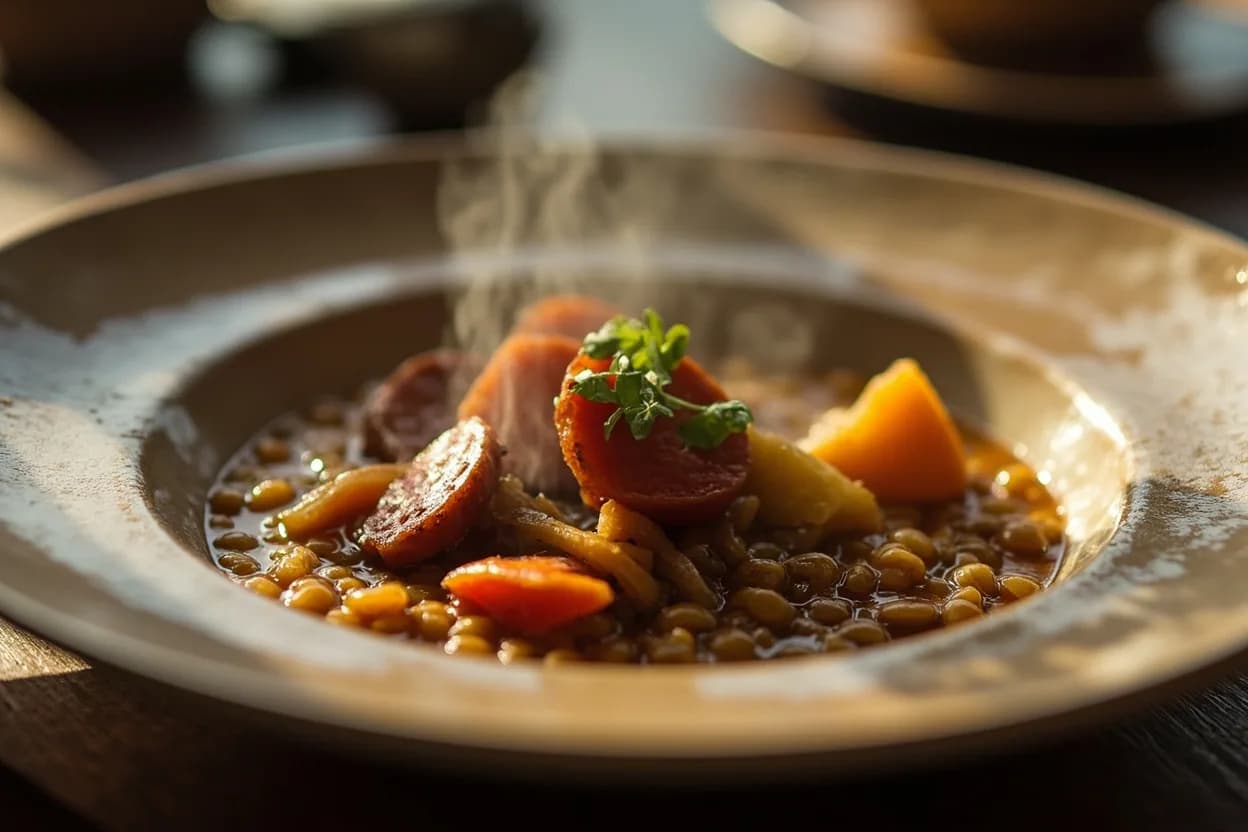
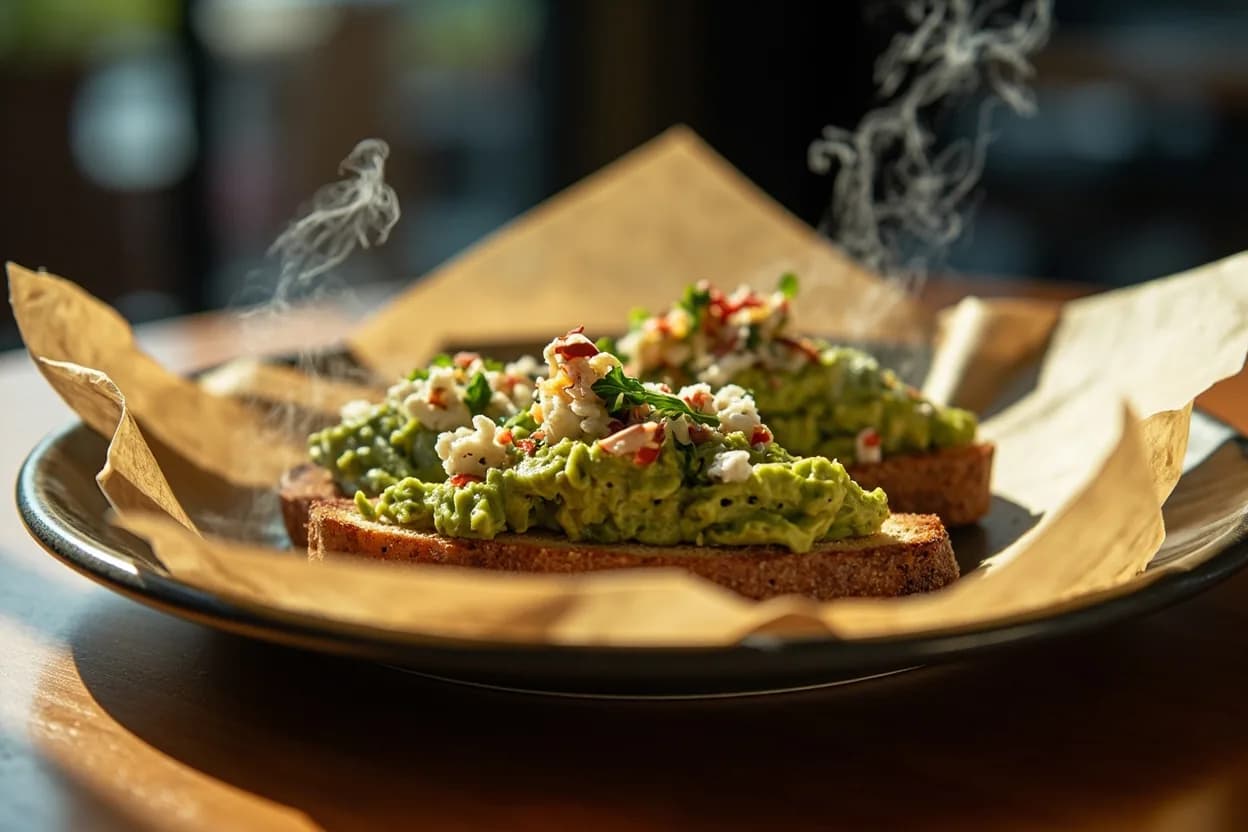
Related

Whisk
Beat ingredients smooth and aerated with a looping wire motion

Sift
Pass dry ingredients through mesh to aerate and remove lumps

Strain
Pour through mesh to separate solids from liquid for a smooth result

Filter
Pass liquid through fine material to clarify out the smallest particles

Rice
Press cooked potatoes through small holes for fluffy, lump-free texture

Mash
Crush soft cooked food into a rustic, creamy purée

Grind
Crush food into a coarse to fine texture, from spices to meat

Grate
Shred food into fine bits against a sharp-toothed surface