Transform & Preserve
Cold Fermentation (Maturazione)
Slow proofing of dough in the fridge over 24-72 hours for deeper flavor and easier digestion.
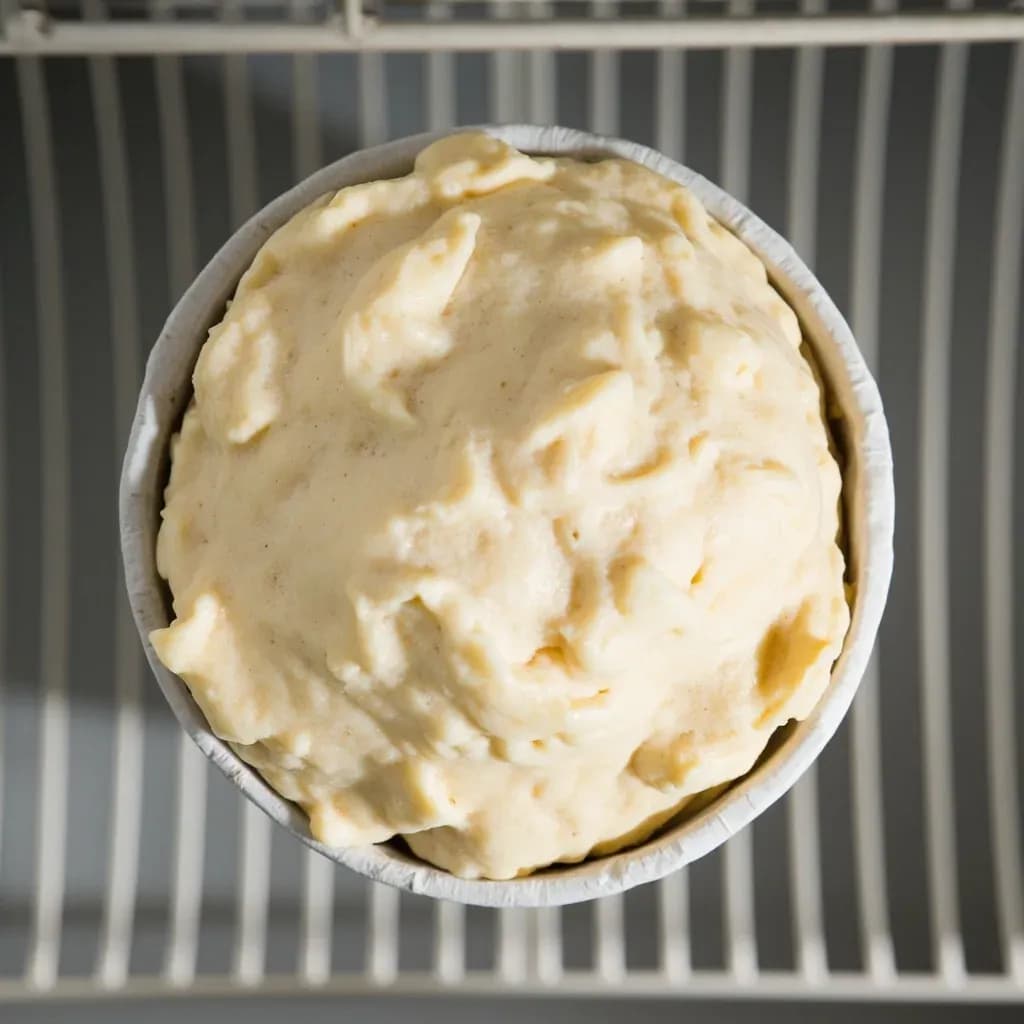
Cold fermentation retards yeast activity by holding dough at refrigerator temperatures, typically 1-4°C, so enzymes and bacteria work slowly over a day to several days. It builds complex, tangy flavor and improves extensibility and digestibility, and is central to Neapolitan pizza and artisan bread. The long, cool maturation breaks down starches and proteins that fast warm proofs never reach.
Cold fermentation — maturazione a freddo in Italian baking — is a controlled, refrigerated resting stage for yeast-leavened dough, typically held between 1.7 and 4.4°C (35–40°F) for 24 to 72 hours. Despite the name, the cold is not the point. Refrigeration acts as a brake on yeast activity, dropping CO₂ production to a fraction of its room-temperature rate, while enzymatic and bacterial processes keep quietly working: amylases continue converting starch into fermentable sugars, proteases partially hydrolyze gluten for easier extensibility, and the wild lactobacilli that ride along on flour produce lactic and acetic acid, dropping dough pH by roughly 0.3 to 0.8 units over 48 hours. The result is a dough that is colder, more relaxed, more flavorful, and easier to shape — but only marginally more gassy than when it went in.
In Italian usage, maturazione refers specifically to this cold stage and is distinct from the room-temperature puntata (the initial bulk after mixing) and the final lievitazione (the proof just before baking). Most pizzaioli treat at least 24 hours of maturazione as non-negotiable for an authentic cornicione, and 48 hours is the modern sweet spot: the cornicione browns more deeply, the crumb opens up with characteristic leopard-spotting, and the dough stretches into a thin skin with almost no spring-back. Hydration matters as much as time — the longer the cold stage, the more water the flour can fully absorb, which is why high-hydration doughs (70%+) only reach their full potential through overnight or multi-day maturation.
Practically speaking, cold fermentation is the rare technique that costs nothing but patience and reliably improves almost any yeast dough. It forgives scheduling (mix today, bake across the next three days), forgives imprecise yeast scaling (the cold slows things down so over-proofing is hard to do), and it is one of the few levers a home baker can pull that genuinely rivals a bakery result.
- Difficulty
- Medium
Types & varieties
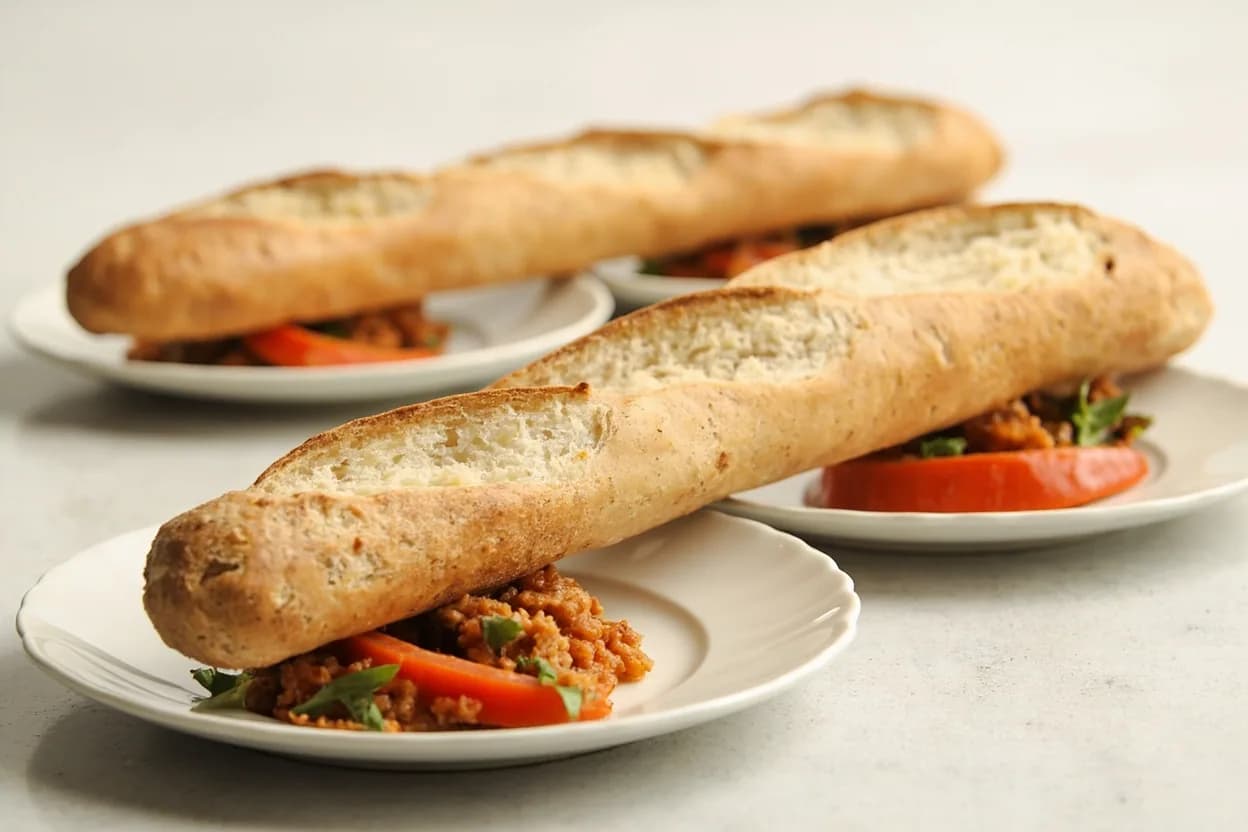
Mixed dough goes straight into the fridge with no room-temp bulk; common for baguette and ciabatta.
The whole mass ferments cold in a single covered tub, then is divided and shaped before baking.
Standard for pizza: dough is divided into individual balls (panetti) which then cold-maturate 24–72h; the form most associated with the Italian term maturazione.
A poolish, biga, or pâte fermentée is built first, then incorporated into the final dough which goes through cold maturation.
After bulk fermentation at room temp, shaped loaves proof cold overnight to deepen tang and improve blistering.
Italian panettone and colomba use multiple cold-maturation stages alongside natural levain for days-long timelines.
How to do it
- 1
Mix the dough
Combine flour, water, yeast, and salt — mix just until no dry flour remains. For a 48 h cold ferment, target about 0.15% instant dry yeast (or 0.5% fresh yeast) by flour weight. Hold back 10–20% of the water for an autolyse if your flour is strong (12%+ protein).
- 2
Develop the gluten
Knead by hand 8–10 minutes, in a stand mixer 6–8 minutes on medium, or use 3–4 sets of stretch-and-folds at 30-minute intervals. The dough should pass a windowpane test or at least feel smooth and elastic before retarding — gluten development still has to happen before the cold slows everything down.
- 3
Optional room-temp bulk (puntata)
Cover and let rest 1–2 hours at 20–24°C / 68–75°F. This jump-starts flavor and lets the yeast multiply slightly so the cold stage works efficiently. Skip this for direct cold retardation of baguette or ciabatta.
- 4
Divide and pre-shape
For pizza, divide into 200–280 g balls (panetti). For bread, pre-shape into rounds or batards. Lightly oil or flour the surface, then place in lidded containers or individual dough boxes with room to expand 1.5–2x.
- 5
Cold mature (maturazione)
Refrigerate at 3–4°C / 38–39°F for 24–72 hours. Do not disturb for at least the first 12 hours — let the dough rest. You should see visible expansion (roughly 1.5–2x) and small bubbles through the surface by the end.
- 6
Retemper before use
Remove from the fridge 1–2 hours before shaping or baking. Pizza balls should feel pillowy, slack, and almost spread slightly in the container; loaves should pass the poke test (slowly spring back when dimpled with a floured finger).
- 7
Final shape and bake
Shape as needed — stretch pizza skins, score loaves, dock focaccia. Bake hotter than you would for a room-temp dough: pizza at 250°C+ / 480°F+, bread at 220–240°C / 425–465°F with steam for the first 10–15 minutes. Expect a more deeply browned crust and more open crumb than same-day dough.
What the cold actually changes
At refrigerator temperature, yeast is working at roughly 5–10% of its pace at 25°C, but it is not the only biological actor in the dough. Three other processes keep moving:
- Amylases break starches into simple sugars, feeding both yeast and, more importantly, the Maillard reaction in the oven — this is why cold-maturated dough browns more deeply than same-day dough.
- Proteases partially hydrolyze gluten proteins, relaxing the network and making the dough easier to stretch. This is also why many people find long-fermented bread easier to digest.
- Wild lactobacilli present on the flour itself produce lactic and acetic acid, dropping pH and adding a mild, complex tang that masks the plain-alcoholic note of short-proofed dough.
- Phytic acid — the mineral-binding compound in whole grains — is partially broken down over 24+ hours, improving the bioavailability of iron, zinc, and magnesium.
Maturazione in Italian baking vocabulary
Italian bakers separate the dough's life into named stages, and confusing them is the most common source of error in recipes translated from Italian:
- Impasto: the mixing and kneading stage.
- Puntata: the first room-temperature bulk, usually 1–2 hours, when the yeast multiplies and gets a head start.
- Maturazione: the long cold stage, typically 24–72 hours in the refrigerator.
- Lievitazione: the final proof, either at room temperature or in the fridge, just before shaping and baking.
- Lievitazione finale is also the term many Italian recipes use for an overnight cold retard of a shaped loaf — a sourdough baker would call this the cold retard; an Italian baker often calls it the final lievitazione.
Scaling yeast for longer cold ferments
The single most common mistake is using the same yeast quantity as a same-day dough. A rough guide for instant dry yeast (IDY) by flour weight, assuming 60–75% hydration and a target of roughly 1.5–2x volume:
- 8–12 hours (overnight, room temp): 0.8–1.0% IDY
- 24 hours cold: ~0.25% IDY
- 48 hours cold: ~0.15% IDY
- 72 hours cold: ~0.07% IDY (about 1/8 teaspoon, or a generous pinch, per 500 g flour)
- For fresh yeast, multiply IDY by roughly 3.
- Lower yeast and longer time produces noticeably better flavor; higher yeast and shorter time gives a more neutral, mildly yeasty dough.
Common uses
Tips & pitfalls
- Use less yeast than you would for a same-day dough — about a quarter to a tenth the usual amount — so the dough doesn't over-ferment.
- Cover tightly with a lid or plastic wrap; exposed dough forms a dry skin that tears when you try to shape it, and no amount of flour fixes it.
- Lightly oil the surface of the dough or the container to prevent sticking and crusting, especially for high-hydration doughs that tend to climb the sides of the tub.
- Let very warm dough (>26°C / 78°F) cool for 30–60 minutes before putting it in the fridge; a hot tub can raise the fridge temperature and stall fermentation unevenly across the batch.
- Don't put dough in the freezer to speed things up — true cold fermentation requires the slow enzyme and bacterial activity of refrigeration, not the dormancy of the freezer.
- Watch for the signs of over-fermentation: bubbles breaking through the surface, a domed top on a ball that slumps, or a sharp alcoholic/vinegar smell. If you see them, bake sooner or punch down and re-ball.
- Always retemper (30–90 min at room temp) before baking — going straight from fridge to oven reduces oven spring and gives a pale, dense crust because the cold dough resists early expansion.
- For enriched doughs (brioche, panettone, babka), retard after the final bulk fermentation but before the final proof; the cold slows yeast enough that butter and sugar don't over-soften the dough.
Good to know
- Italian name
- Maturazione (a freddo)
- Distinct from
- Puntata (room-temp bulk) and lievitazione (final proof)
- Temperature range
- 1.7–4.4°C / 35–40°F; ideal around 3–4°C / 38–39°F
- Typical duration
- 24–72 hours; some artisan bakers extend to 4–5 days for sourdough as yeast activity declines
- Yeast level (IDY)
- Roughly 0.07–0.30% instant dry yeast by flour weight: 24h ≈ 0.25%, 48h ≈ 0.15%, 72h ≈ 0.07%
- Salt
- Typically 2.0–2.5% of flour weight
- Hydration sweet spot
- 60–80%; higher-hydration doughs benefit most from cold maturation
- pH drift
- Drops 0.3–0.8 units over 48h as lactobacilli produce lactic and acetic acid
- Origin
- Pre-dates mechanical refrigeration (Italian cantine / cellars); codified in 20th-century Neapolitan pizzaiolo practice and revived in 1980s–90s artisan bread baking
Also called
Maturazione · Cold Proofing · Retarded Fermentation
Dishes that rely on it

Related

Confit
Cook slowly submerged in fat for silky tenderness and keeping

Cure
Draw out moisture with salt and time to preserve and concentrate

Pickle
Steep in acidic brine for bright, tangy, crunchy preservation

Ferment
Let friendly microbes transform food into tangy, complex flavor

Marinate
Soak in a seasoned mix to flavor and tenderize before cooking

Brine
Soak in salt water so meat stays juicy and seasoned throughout

Dehydrate
Slowly dry out moisture to concentrate flavor and extend shelf life

Cold-Smoke
Perfume cured food with smoke without cooking it through