Water & Steam
Sour Soup Method
Building a brothy soup around a souring agent like tamarind, lime, or fermented rice for tangy depth.
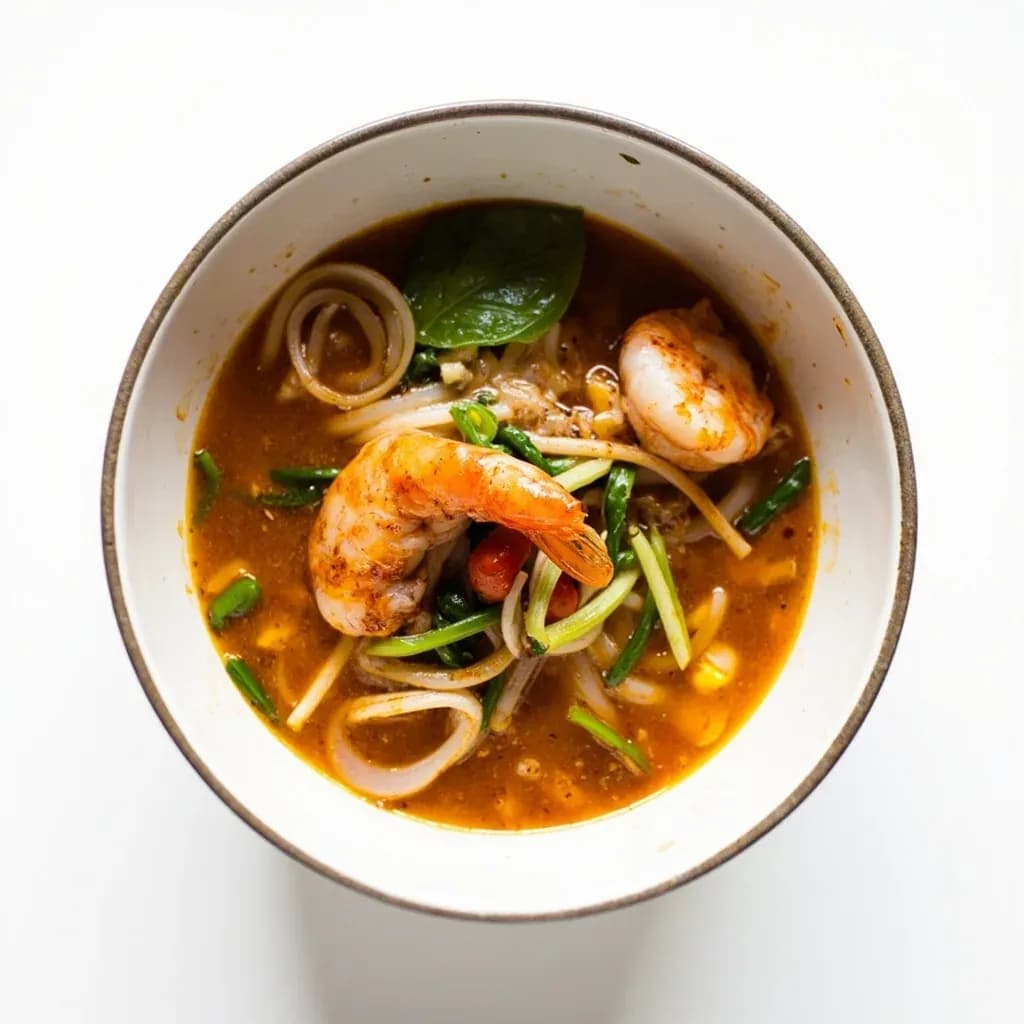
The sour soup method simmers broth with a deliberate acidic backbone from ingredients such as tamarind, green mango, lime, or fermented rice, balanced against salt and aromatics. It defines dishes like Filipino sinigang and Cambodian samlor machu, where the sourness is layered in rather than added at the end. The souring agent is often adjusted to taste during cooking so the tang stays bright without overwhelming the savory base.
Sour soup method is less a single recipe than a universal framework: build a savory broth, layer in aromatics and proteins, then drive the flavor with a deliberate dose of acid so that the final bowl balances salt, fat, umami, and tang rather than tasting flat, heavy, or one-note. The acid is the lead voice, but it cannot carry the soup alone — it needs umami underneath it (fish sauce, dried shrimp, mushroom, soy), salt to anchor it, and often a touch of sweetness to round the sharper notes. What separates a great sour soup from a merely acidic one is this layered balance, not the strength of the sour element.
The technique spans an astonishing range of traditions — Thai tom yum, Filipino sinigang, South Indian rasam, Sichuan hot and sour, Russian shchi, Yucatecan sopa de lima, Brazilian tacacá — and the variety of souring agents is just as wide: fresh citrus, tamarind pulp, kokum, fermented rice water, sauerkraut, black vinegar, yogurt, green tomato, and even fermented manioc liquid. Despite the differences, the workflow is nearly identical: stock, aromatics, hearty ingredients, acid in stages, delicate proteins, and a finishing hit of fresh acid and herbs.
Acid behaves predictably in a pot, and once you understand its rules, you can improvise any style. Fresh juice acid (lime, lemon) is volatile and goes in at the end; concentrated or fermented acids (tamarind paste, kokum, vinegar, sauerkraut) can simmer early to mellow and integrate. Acid tightens protein fibers, so delicate fish, shrimp, and tofu join the pot only after the broth is soured. And because perceived sourness shifts as liquid reduces, the broth must be tasted and adjusted at every stage rather than soured all at once at the start.
- Difficulty
- Medium
Types & varieties
Thai clear soup built on lemongrass, galangal, kaffir lime leaves, Thai chilies, fish sauce, and a generous squeeze of lime at the end
Filipino tamarind-broth soup, classically with pork belly, shrimp, daikon, kangkong, and long beans
Vietnamese sour fish soup with tamarind, pineapple, tomato, okra, and bean sprouts
South Indian pepper- and tamarind-based soup with tomato, cumin, curry leaves, and mustard-seed tempering
Sichuan pickled mustard greens simmered with white fish in a sharp, tangy broth
Chinese — Chinkiang black vinegar, white pepper, wood ear mushroom, tofu, often with pork or shiitake
Eastern European beet soup, often soured by fermentation of the beets themselves or finished with lemon or vinegar
Russian sour cabbage soup, made with sauerkraut or fermented rye starter
Russian — pickles, pickle brine, olives, capers, and lemon for a double-barreled sour and salty soup
Yucatecan — turkey or chicken broth finished with a generous pour of fresh lime and crispy tortilla strips
Amazonian Brazilian soup built on tucupi (fermented sour manioc liquid) with jambu and dried shrimp
How to do it
- 1
Build a savory broth base
Start with a stock that already has body and flavor — chicken, pork bone, shrimp shell, or a robust vegetable stock. Simmer with whole aromatics (onion, garlic, ginger, lemongrass, galangal, dried shrimp) for 30–60 minutes, then strain so you have a clean, savory canvas for the sour element. A flat or thin stock will produce a flat or thin sour soup no matter how good your acid is.
- 2
Infuse the signature aromatics
Return the strained broth to the pot and add the aromatics that define the soup's identity. For Southeast Asian styles, bruise lemongrass and galangal with the side of a knife, tear kaffir lime leaves to release their oils, and add whole dried chilies. For Sichuan hot and sour, add sliced ginger and a generous amount of white pepper. Simmer 5–10 minutes to extract flavor, then taste.
- 3
Add hard vegetables and proteins that need cooking
Sturdy ingredients go in first: daikon, carrots, potatoes, bone-in pork shoulder, or whole small fish. Simmer until nearly tender. Anything you want to stay tender or flake cleanly — shrimp, fish fillets, tofu — waits for the next step, because acid tightens protein fibers and will toughen them if added too early.
- 4
Add the souring agent in stages
Add concentrated, fermented, or paste souring elements (tamarind paste, kokum, sauerkraut, fermented rice water, black vinegar) early so they have time to mellow and integrate with the broth. Reserve fresh juice acids for the finish. Taste after each addition — sourness perception builds as the broth reduces, so add in two or three increments rather than all at once.
- 5
Season and balance
Salt aggressively with fish sauce, soy, or plain salt; the salty–sour axis is the backbone of the soup and a sour soup always needs more salt than a neutral one. If the acid tastes sharp or metallic, add a small pinch of sugar, palm sugar, or a splash of tomato to round it. Adjust heat with chilies, chili paste, or chili oil. The finished broth should taste lively and bright, not puckering.
- 6
Finish with delicate proteins and quick-cooking vegetables
Add shrimp, fish fillets, tofu, mushrooms, leafy greens, tomatoes, bean sprouts, or okra — anything that cooks in under five minutes. Keep the simmer gentle; do not boil hard once delicate protein is in or it will toughen and fall apart.
- 7
Final hit of fresh acid and herbs
Off the heat, squeeze in fresh lime or lemon, scatter cilantro, Thai basil, dill, or parsley, and add a final grind of pepper or a drizzle of chili oil. Taste one last time and adjust salt or acid before serving.
Choosing the Right Acid
The acid you pick dictates the entire herb and spice profile of the finished soup, so choose the acid before you choose the aromatics — not the other way around. Each major souring agent carries a distinct character beyond mere tartness, and pairing it correctly is what separates a recognizable regional soup from a generic sour broth.
- Tamarind brings sweetness, body, and a dark fruit note; it pairs with tomato, curry leaves, mustard seeds, and long-simmered pork or shrimp (sinigang, rasam, canh chua).
- Lime brings pure aromatic sharpness with no sweetness; it pairs with lemongrass, galangal, kaffir lime leaves, cilantro, and chilies (tom yum, sopa de lima).
- Black vinegar (Chinkiang) brings malty, smoky depth with moderate acid; it pairs with white pepper, ginger, wood ear, tofu, and pork (Sichuan hot and sour).
- Fermented vegetables (sauerkraut, suan cai) bring lactic tang plus built-in salt and umami; they pair with fatty pork, white fish, dill, and caraway (kislye shchi, suan cai yu).
- Kokum and amchur are subtle and slightly floral; they suit delicate seafood broths and lightly spiced lentil soups where tamarind would overpower.
- Yogurt and buttermilk bring lactic softness with low acid punch; they pair with rice, chickpeas, mint, and toasted spices, and must never be boiled.
The Salt–Sour Axis
Salt and sour are not independent variables in a soup — they live on the same balancing line, and every change to one demands a recalibration of the other. A sour soup without enough salt tastes thin, sharp, and metallic, almost like drinking vinegar water. A well-salted sour soup tastes bright, savory, and rounded even when the acidity is high.
- Always salt the broth before or alongside the acid, never after — acid makes salt taste sharper, so under-salting up front is a common and unrecoverable mistake.
- Fish sauce, soy sauce, shrimp paste, and miso all deliver salt and umami simultaneously and are the most forgiving seasonings for sour soups because they round the acid.
- If the soup puckers, the answer is almost always more salt before it is more sugar or less acid.
- A small pinch of sugar or a splash of tomato is the right fix for a sourness that tastes harsh or metallic even after salting; do not reach for water, which only dilutes.
Timing the Acid
Not all acids behave the same way in a simmering pot. Fresh juice acids are volatile and aromatically driven — heat destroys their brightness. Concentrated and fermented acids are mellowed and integrated by simmering, and many of them (tamarind paste, sauerkraut, black vinegar) actually improve with 10 to 20 minutes of gentle cooking.
- Add tamarind paste, kokum, sauerkraut, suan cai, and vinegar early so they can simmer and mellow.
- Add lime, lemon, calamansi, and other fresh juice acids only after the pot comes off the heat or in the final 30 seconds of cooking.
- Yogurt and buttermilk must be tempered with hot broth before they go in, and the soup must be kept below a boil afterward or the dairy will curdle into unpleasant white flakes.
- Taste at every step: sourness perception grows as liquid reduces, and a soup that tastes balanced at 6 cups may taste aggressively sour at 4.
Common uses
Tips & pitfalls
- Add fresh citrus juice off the heat or in the last 30 seconds — boiling it dulls the aroma and flattens the brightness.
- Tamarind paste, kokum, and other concentrated or fermented acids can be simmered early to extract body and depth.
- Salt and sour live on the same axis: a sour soup almost always needs more salt than a neutral one to taste balanced.
- Add a small amount of sugar or palm sugar when the sourness reads as harsh or metallic; this rounds the acid without making the soup sweet.
- Acid tightens proteins: add delicate fish, shrimp, or tofu only after the broth is already soured and seasoned, and keep the simmer gentle.
- For clear broths like canh chua or tom yum, strain tamarind pulp through a fine-mesh sieve rather than leaving bits floating in the bowl.
- Build umami first — fish sauce, dried shrimp, shrimp paste, or mushroom — so the sourness has something savory to lift.
- Bruise lemongrass and tear kaffir lime leaves before adding so they release their oils; remove the woody lemongrass stalk before serving.
- A spoon of fat (coconut cream, chicken skin, pork back fat) softens aggressive sourness without diluting it.
- Do not boil yogurt- or buttermilk-based soups — temper with hot broth first and finish on low heat to prevent curdling.
Good to know
- Also called
- Sour-broth soups, tangy soups, acid-led soups
- Origin / tradition
- Worldwide — strong traditions in Southeast Asia (tamarind, lime), South India (tamarind, kokum), the Philippines (tamarind), China (black vinegar), Eastern Europe (fermented cabbage, beet kvass), and Mexico (lime)
- Core principle
- An acid element is added to a savory broth to lift flavor, cut richness, and balance salt, fat, umami, and heat
- Flavor profile
- Tangy and savory, often aromatic; balanced with salt and umami, sometimes a touch of sweetness
- Souring agent categories
- Fresh citrus juice (lime, lemon); fermented fruits (tamarind, bilimbi); fermented vinegars (rice, palm, coconut); fermented vegetables (sauerkraut, suan cai); black vinegar (Chinkiang); preserved fruits (kokum, amchur, preserved lemon); dairy (yogurt, buttermilk); and unripe fruit (green tomato)
- Typical cook time
- 30–60 minutes for most brothy versions; long-simmered variants (borscht, shchi) can run 2+ hours
- Difficulty
- Easy to moderate — most of the skill lives in balance, not technique
- Equipment
- Stockpot or Dutch oven; mortar and pestle for herb/aromatic paste; fine-mesh strainer for clear tamarind broths
- Storage
- Refrigerate 3–4 days; freezes well for 2–3 months (add fresh acid and herbs after reheating)
- Yield
- Approximately 4–6 cups from a standard 3-quart pot
Also called
Sour Soup Making (Samlor) · Sour Soup Method (Sinigang) · Sour Soup · Soup Making (Samlor) · Sinigang Method
Related

Boil
Cook in vigorously bubbling liquid at full rolling heat

Simmer
Hold liquid at a gentle shimmer for tender, unhurried cooking

Poach
Cook gently in barely-trembling liquid for silky, tender results

Steam
Cook in rising vapor to keep color, nutrients, and shape intact

Blanch
Plunge briefly in boiling water, then shock cold to lock color

Braise
Sear, then cook slow in a little liquid until fall-apart tender

Stew
Simmer bite-sized pieces fully submerged into a rich, unified pot

Sous-Vide
Seal and cook in precise warm water for edge-to-edge doneness