Knife Skills
Dicing
Cutting food into uniform cubes for even cooking and consistent appearance.
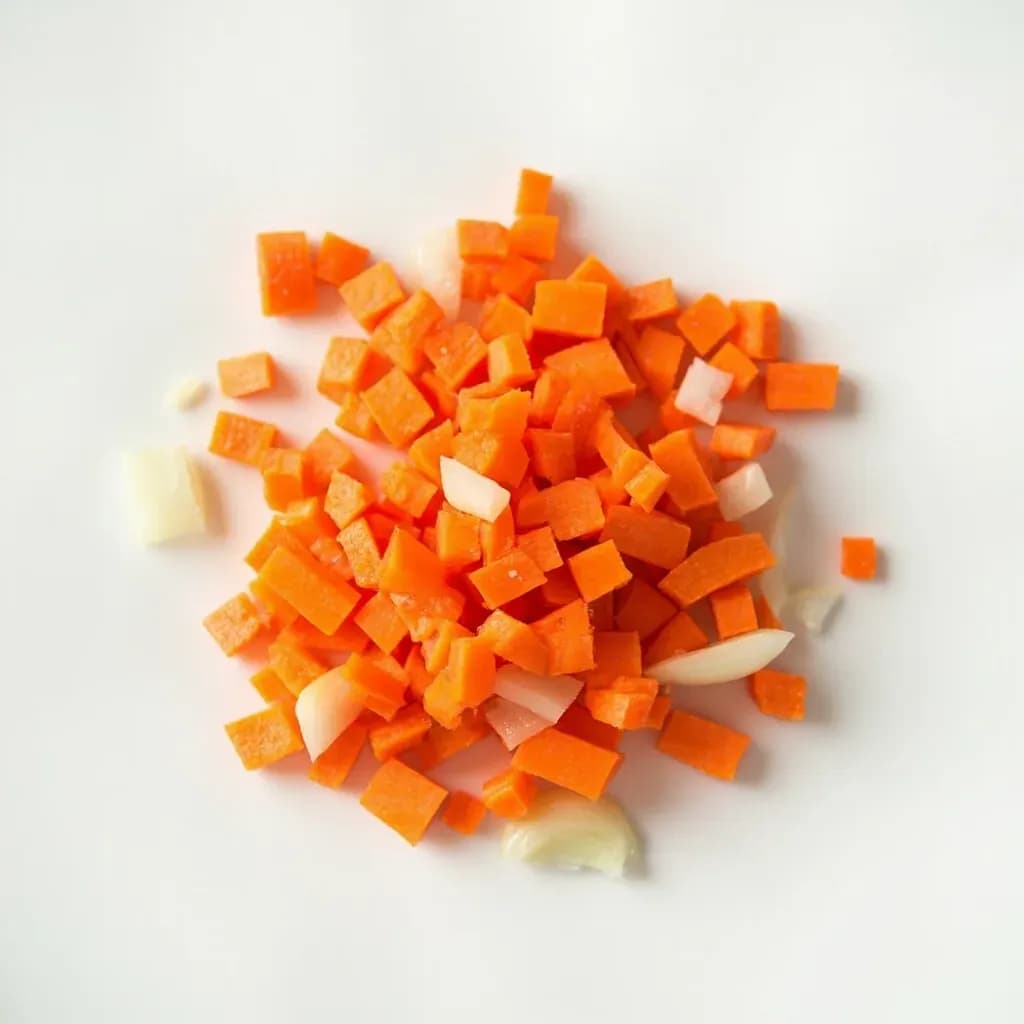
Dicing is cutting food into evenly sized cubes, achieved by first slicing into planks, then into sticks, then crosswise into cubes. Uniform size means everything cooks at the same speed and the dish looks deliberate, which matters for the aromatic 'trinity' bases, mirepoix, and tidy garnishes. Cooks specify small, medium, or large dice depending on whether the cubes should melt away or stay distinct.
Dicing is the foundational knife cut of professional cooking: precise, uniform cubes produced by stacking parallel slices and cross-cutting them at matching intervals. In classical French cuisine, the cut sits in the middle of the size hierarchy — finer than a chop, coarser than a mince — and its defining quality is consistency. When every piece falls within a millimeter or two of the target dimension, the pieces finish cooking at the same moment, look intentional on the plate, and absorb sauces evenly.
The size of the dice is dictated by the dish. Garnishes call for the tiniest cube, the brunoise, while long-braised stews and pot-au-feu use large dice that can hold their shape through hours of simmering. A cook who internalizes this pairing — the longer the cook, the larger the dice — quickly stops thinking about dicing as a single skill and starts thinking of it as a family of cuts that answer to the same geometry.
Because the cut is geometric rather than gestural, it rewards a small amount of setup: squaring the ingredient into a stable block before any slicing begins. That single act of trimming is what separates a confident, even dice from a ragged collection of chunks, and it is the step most home cooks skip. Get the block right and the rest is repetition; skip the block and the cuts will never line up no matter how fast the knife moves.
- Difficulty
- Easy
Types & varieties
Finest standard dice, ~3 mm (1/8 in) cubes. Classically produced from a fine julienne cut across at the same interval. Used for garnishes and delicate sautés where pieces should barely wilt.
~6 mm (1/4 in) cubes. The size for a classic macédoine of vegetables and for the vegetable component of a consommé garniture.
~1.25 cm (1/2 in) cubes. The workhorse size for stocks, soups, pilafs, and short braises.
~2 cm (3/4 in) cubes. Used for long-cooking stews, pot-au-feu, and root vegetables destined for roasting.
Larger dice (~2–3 cm) named after Antoine-Augustin Parmentier; the potato cube in beef bourguignon and pot-au-feu.
How to do it
- 1
Stabilize the item
Trim a thin slice from one side so the vegetable sits flat on the board without rocking. Halve an onion through the root and peel it; for a carrot or turnip, cut a segment and trim a flat side.
- 2
Square it into a block
Trim the remaining rounded faces to form a neat rectangle. The block's width determines the size of the dice, so shape the rectangle to roughly the cube size you want — about 1.25 cm wide for a medium dice, for example.
- 3
Make parallel length-wise cuts
With your guiding hand in a claw, make evenly spaced parallel slices along the length of the block, each cut the width of the target cube. Keep the tip on the board and rock the blade for control.
- 4
Stack and cross-cut
Gather the slices into a neat stack — or leave them in place if the block is still on the board — and cut across them at the same spacing as the length-wise cuts.
- 5
Finish and check
Loosen the cubes with the blade, sweep them aside, and check that all pieces fall within the target size. Re-group the largest pieces and trim them down rather than accepting a mixed batch.
Sizing the Dice to the Cooking Method
The most useful principle in dicing is that cube size should track cooking time. The longer the cook, the larger the dice — a piece that holds its shape through two hours of braising would be powder by the end of a minute in a hot pan. The pairing below is a reliable working guide.
- Brunoise (~3 mm): 30-second sauté, clear garnish for a consommé, raw applications where a delicate texture is wanted.
- Macédoine / small dice (~6 mm): quick sautés, vegetable medleys, garnishes for plated soups.
- Medium dice (~1.25 cm): stocks, pilafs, braises under an hour, the everyday size for mirepoix in pan sauces.
- Large dice (~2 cm): stews, pot-au-feu, long-simmered ragùs, roasted root vegetables.
- Parmentier (~2–3 cm): the potato cube for pot-au-feu and beef bourguignon, where it must remain identifiable after hours of cooking.
The Brunoise, Done Properly
The brunoise is the most demanding dice because there is nowhere for sloppy knife work to hide. The classical method is to cut the vegetable into a fine julienne (~3 mm strips), gather the strips into a tight bundle, and cross-cut them at the same interval. A faster method is to square the vegetable into a thin block, slice it into 3 mm planks, stack the planks, and cross-cut. In both cases, the knife should be very sharp, the guiding hand firmly clawed, and the rocking stroke restrained — high, fast cuts produce a mix of cubes and shards. Brunoise-cut carrots, celery, and leek are the classical clear garnish for a consommé; a refined piperade or similar composed vegetable preparation can also be cut in brunoise for a neat, uniform finish.
Working with Round Vegetables
Onions, turnips, beets, and round potatoes refuse to sit flat on a board, and that is the first problem to solve. Halve an onion through the root end — keeping the root intact holds the layers together during slicing — peel it, and lay each half flat. For a carrot, turnip, or beet, cut the item into a working segment and trim a single flat side before further squaring. A damp towel under the cutting board will keep a wood board from sliding; on a polyethylene board, a few drops of water do the same job. Once the item is stable and the block is squared, the rest of the work is geometry, not strength.
Common uses
Tips & pitfalls
- Square the item first: trim a flat face so it cannot rock, then shape the rest into a rectangular block whose width sets the cube size. Skipping this step is the single most common reason for uneven dice.
- Use a true claw grip — fingertips tucked under, knuckles riding the side of the blade — so the width of every cut is set by feel and the fingertips are protected.
- For long pieces, keep the tip on the board and use a controlled tip-to-heel rocking stroke; switch to a full push cut only for short items where the heel can reach the board.
- A sharp knife is the single biggest variable in producing even dice. Hone before service and sharpen regularly; a dull blade crushes cell walls, tears the surface, and slips more easily than a sharp one.
- Match the dice to the cooking time: the longer the cook, the larger the dice. Brunoise for a 30-second sauté, medium dice for a 30-minute simmer, large dice for a two-hour braise.
- Anchor round items (onion, turnip, beet) with a flat base before any other cut, and lay a damp towel under the board to stop it sliding on the counter.
- Common mistakes: pressing straight down instead of drawing the knife back; skipping the squaring step; lifting the knife too high between cuts and losing rhythm; mixing cube sizes in the same batch and accepting it.
Good to know
- Category
- Knife skill / Mise en place
- Origin
- Standardized in classical French cuisine; codified in Escoffier's Le Guide Culinaire (1903)
- Standard sizes
- Brunoise ~3 mm (1/8 in); small dice / macédoine ~6 mm (1/4 in); medium dice ~1.25 cm (1/2 in); large dice ~2 cm (3/4 in)
- Primary tool
- Chef's knife, 20–25 cm (8–10 in) blade
- Supporting tools
- Stable wood or high-density polyethylene board; optional blade guide
- Skill level
- Beginner to intermediate; uniformity is the benchmark
- Time
- Roughly 1–2 minutes per vegetable once the motion is learned
- Uniformity goal
- All cubes within ~1–2 mm of each other for even cooking
Also called
Dice (Tagliare a Dadini) · Cubing · Dicing the Trinity
Dishes that rely on it
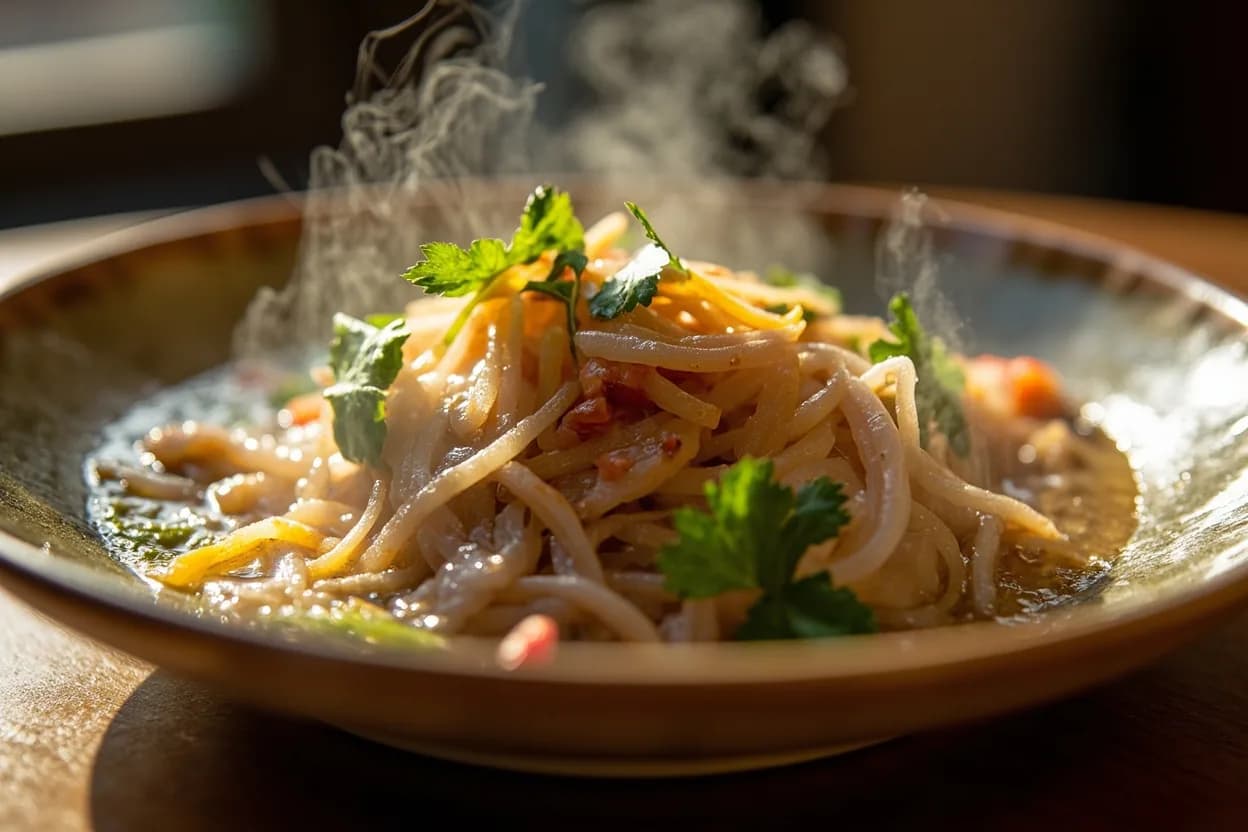
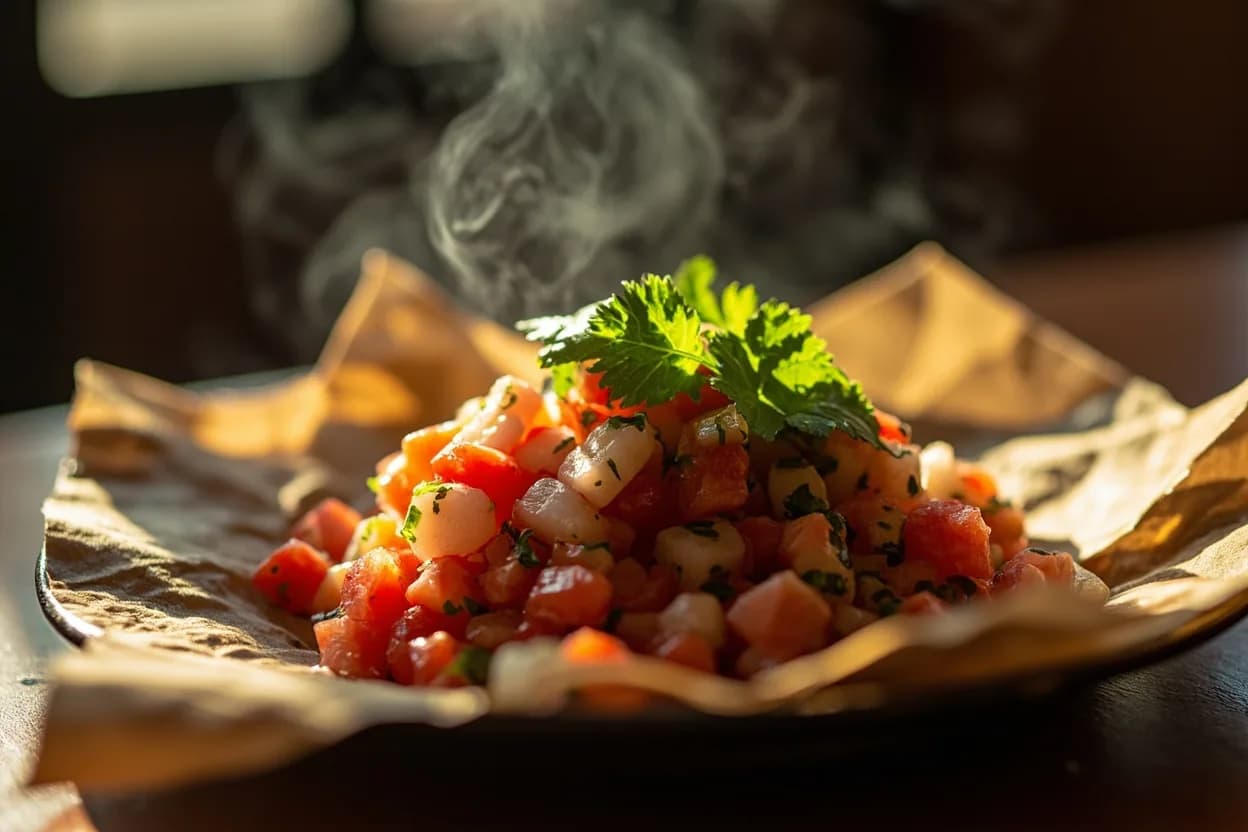
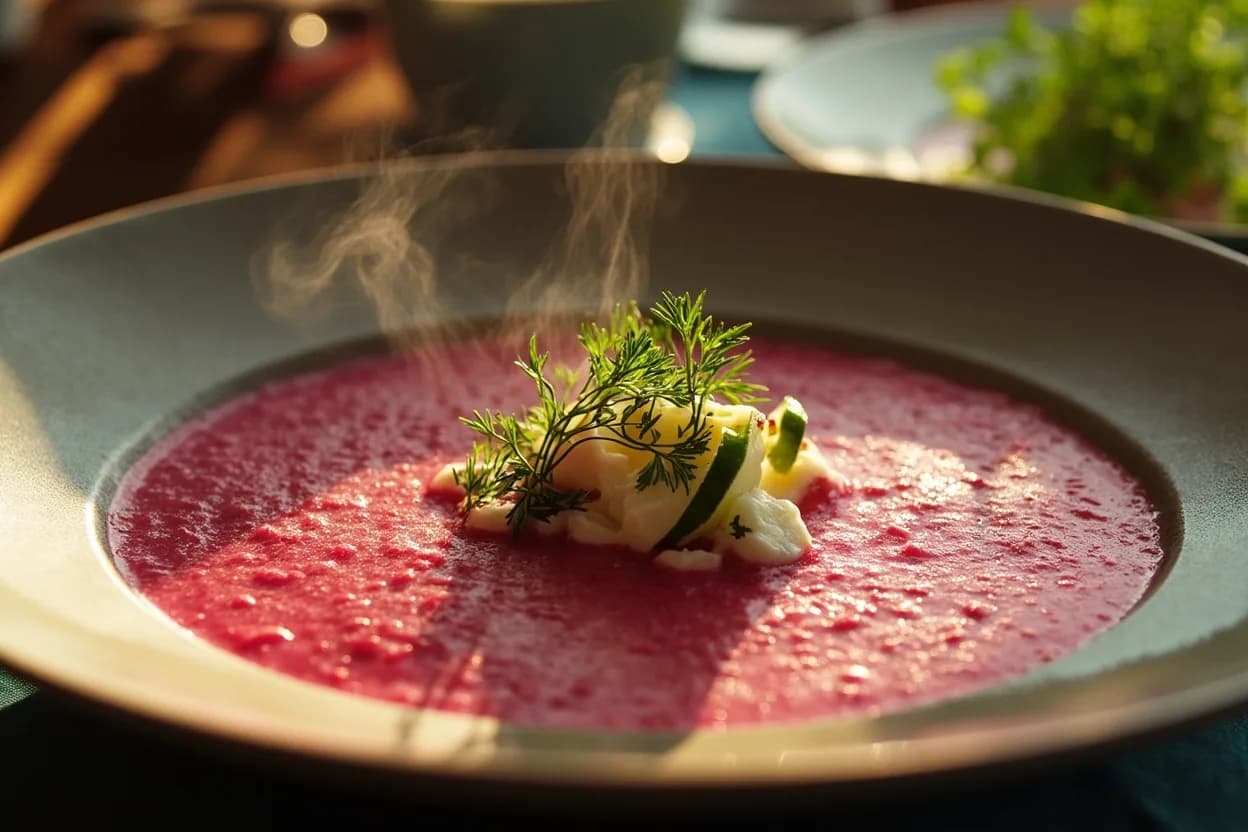
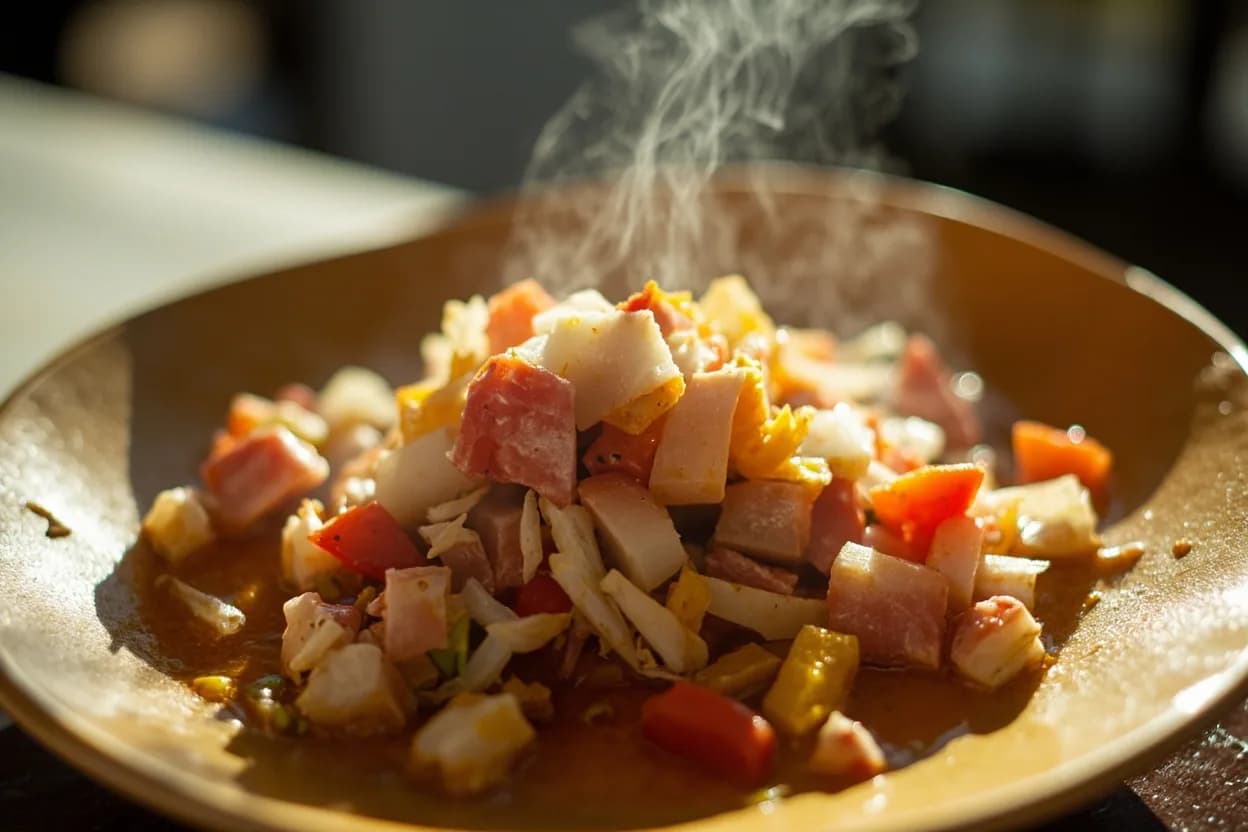
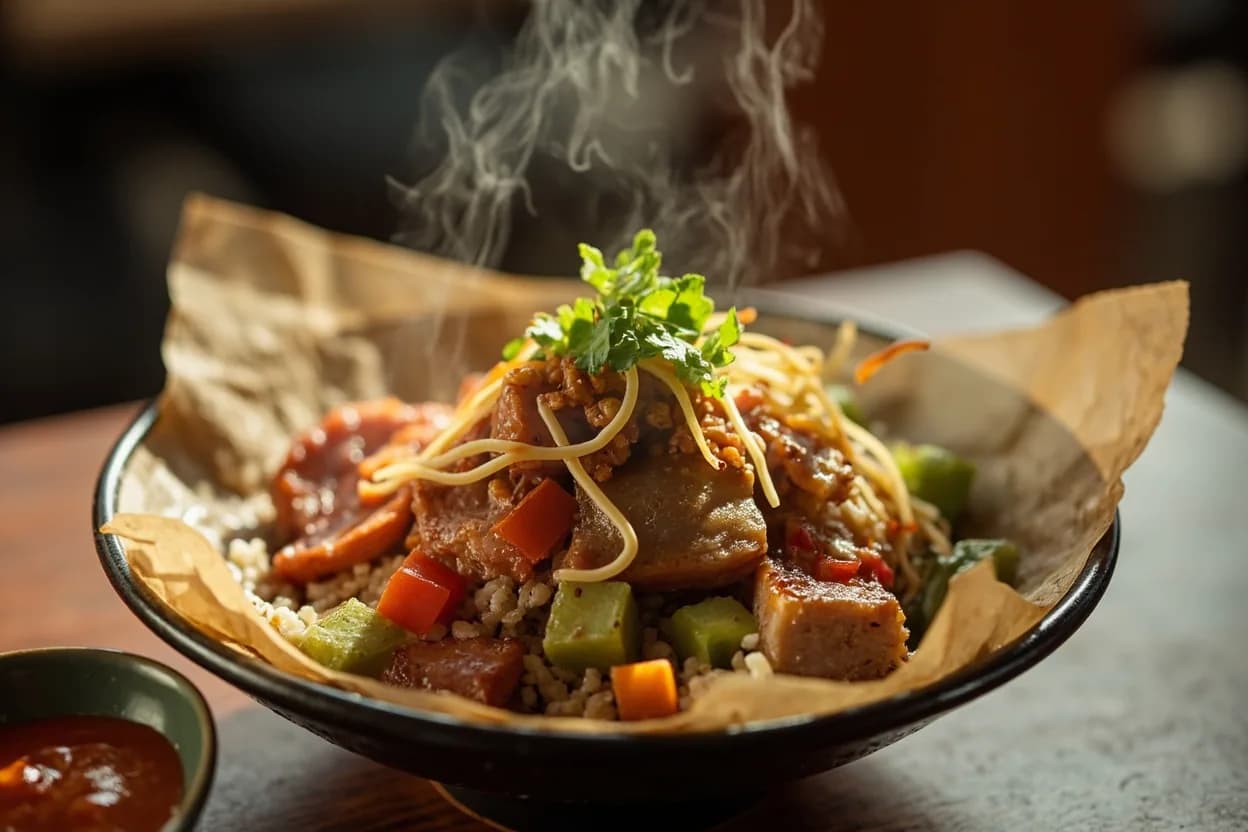
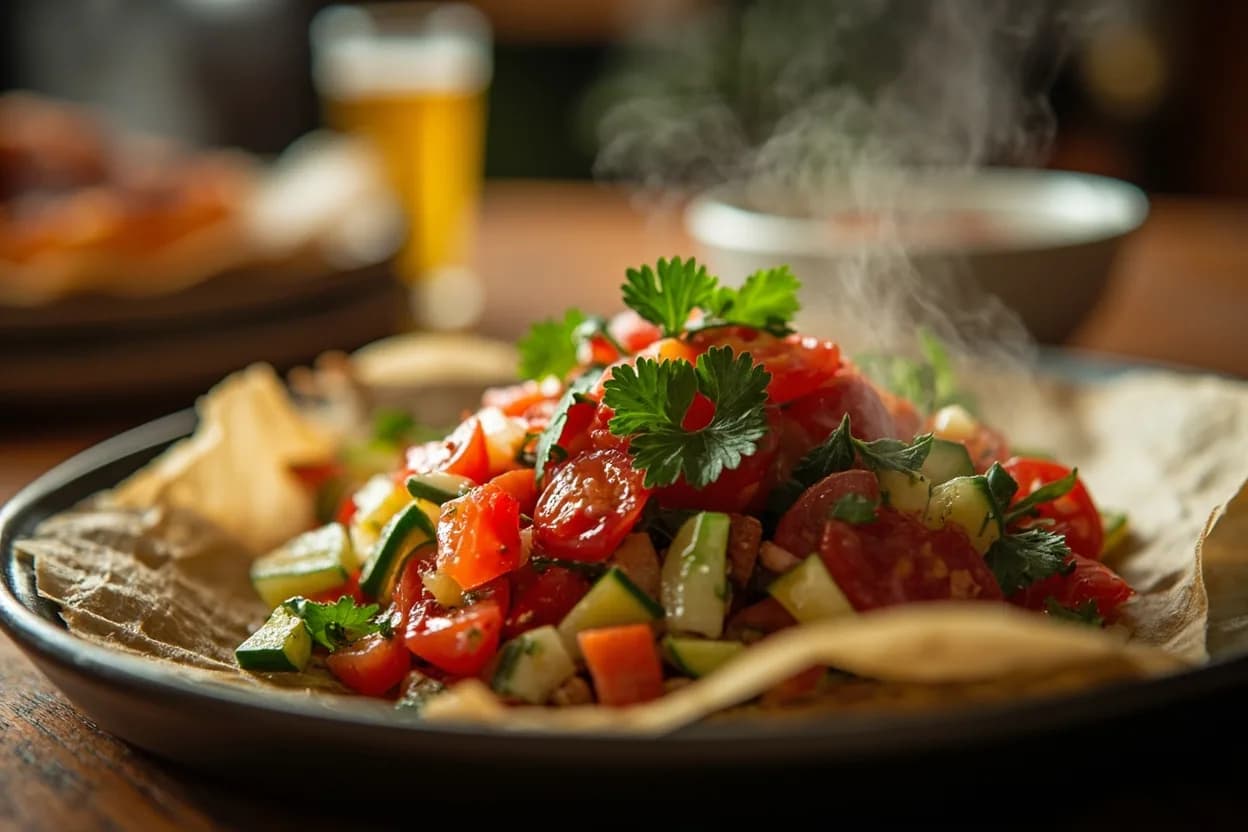

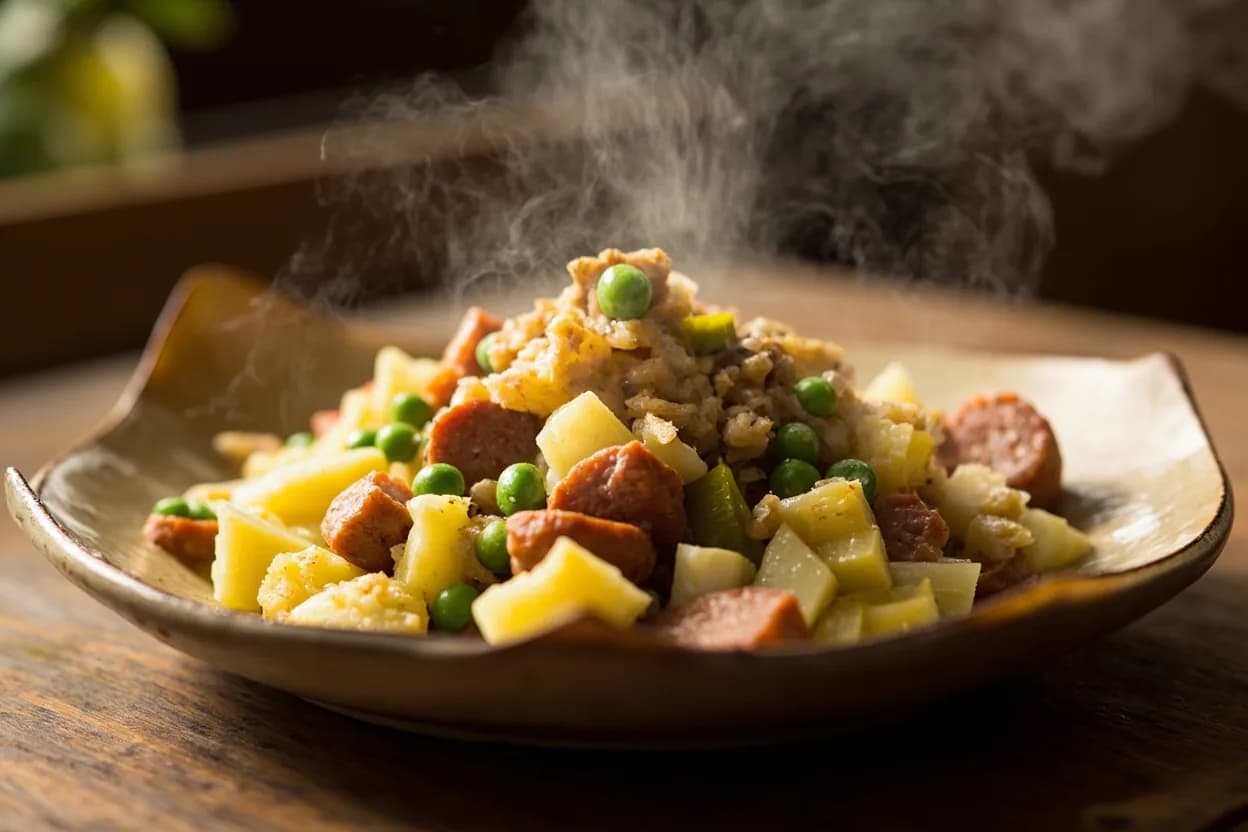
Related

Chop
Cut into rough, irregular pieces — the everyday workhorse cut

Dice
Cut into uniform cubes for even cooking and a tidy look

Mince
Cut as fine as possible so flavor melts evenly into the dish

Slice
Cut into even, flat pieces for consistent cooking and presentation

Julienne
Cut into thin matchsticks for fast cooking and elegant garnish

Brunoise
Cut into tiny, precise cubes — the finest dice in the kitchen

Chiffonade
Roll and slice leafy greens into delicate ribbons

Batonnet
Cut into tidy sticks, thicker than julienne — think classic fries