Prep & Assembly
Degreasing
Removing excess fat from the surface of stocks, sauces, and braises.
Degreasing skims or separates the fat that pools on top of stocks, soups, and pan sauces to lighten the dish and refine its texture. Methods include spoon-skimming, blotting, using a fat separator, or chilling so the fat solidifies for easy removal. It produces a cleaner mouthfeel and clearer flavor without the grease.
Degreasing is the finishing step that separates rendered fat from the water-based liquid it floats on, turning a cloudy, greasy braise into a clear, focused stock or a sauce that reads clean on the plate. Because animal and vegetable fats are less dense than broths and pan juices, they migrate upward and coalesce into a discrete layer that can be lifted, poured off from beneath, or wiped away. The technique is what allows a long-simmered veal stock to read as translucent amber rather than a milky puddle, and what allows a red-wine pan sauce to cling cleanly to the meat rather than pooling as grease.
The choice of method — hot or cold, mechanical or absorptive — is dictated by volume, vessel, and the dish in front of you. Cold degreasing, in which the liquid is chilled until the fat cap firms into a solid raft, is the most thorough and forgiving: a flexible spatula slides under the cap and lifts it away whole, with virtually no loss of broth. Hot skimming is faster but messier, demanding a steady hand and a flat ladle. Between the two sits a small toolkit of clever shortcuts — bulb basters, fat separator pitchers, paper-towel wicks, and the classical bread swipe — each with a specific niche where it outperforms the rest.
Degreasing also has a second life as a harvesting technique. The fat skimmed from a pot of cassoulet or a roast-chicken pan is often more valuable than the stock itself: rendered poultry fat, beef tallow, and pork leaf lard are traditional cooking mediums in their own right, prized for frying potatoes, confit, and sautéing greens. A cook who pours that fat down the drain is leaving flavor, money, and centuries of kitchen tradition behind.
- Difficulty
- Easy
Types & varieties
Refrigerate the liquid until the fat forms a solid white cap, then lift it off in one piece with a spatula or slotted spoon. The cleanest method for stocks and large batches.
Scoop liquid fat from the surface of a warm broth or sauce with a shallow ladle, bulb baster, or flat skimmer. Useful when you cannot chill the dish or need to keep it at service temperature.
A pitcher with a low spout set below the rim; pour off the defatted liquid from beneath the floating fat layer. Ideal for gravies and pan sauces where speed matters.
Lay plain, unprinted paper towels flat on the surface to wick up fat in seconds. A fast emergency fix for a thin residual film.
Classic French technique: drag a slice of crustless bread or a crisp lettuce leaf across the surface; the porous material absorbs fat without removing the underlying liquid.
Wrap an ice cube in cheesecloth and draw it across the surface; the cold firms the fat and the cloth picks it up. Best for small volumes of delicate sauces.
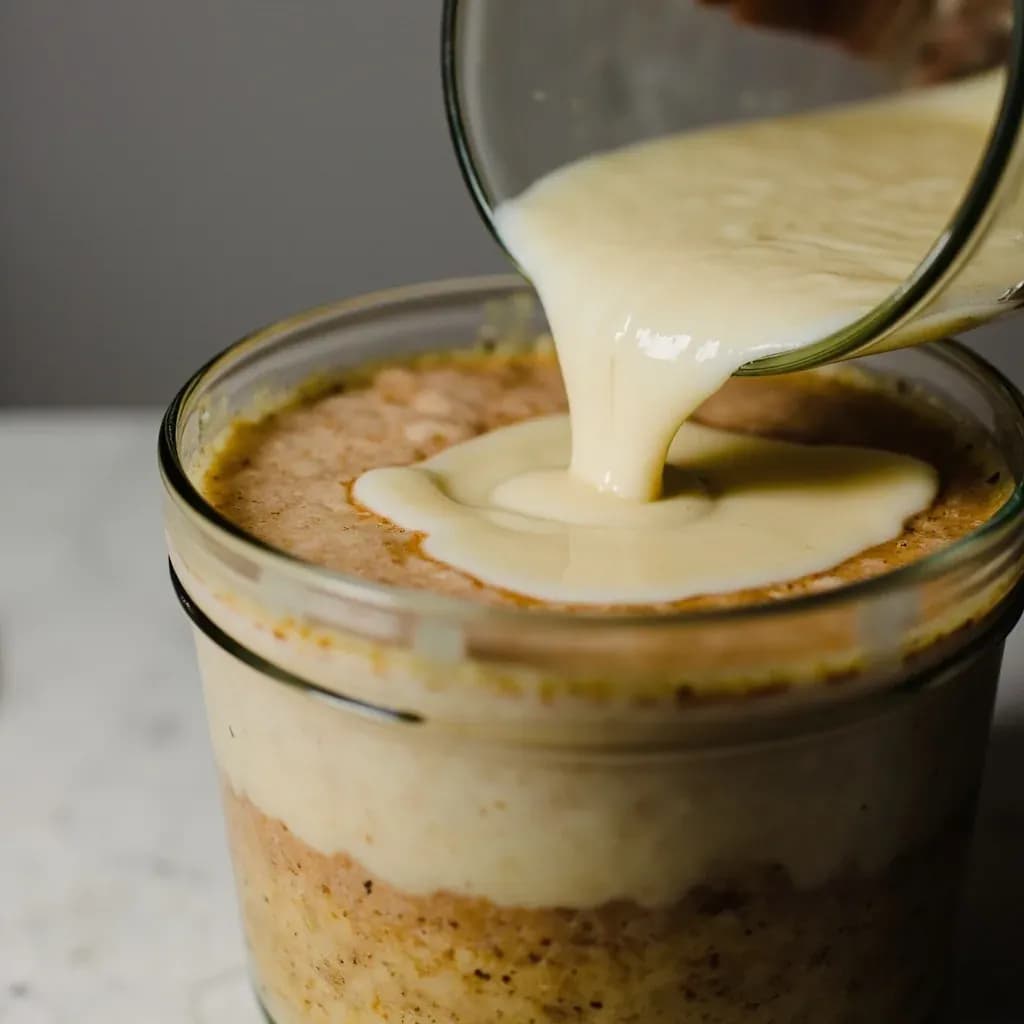
Tilt the vessel slowly so the watery base pours out while the lighter fat stays behind. Works best in vessels with openings smaller than their bodies, such as canning jars.
How to do it
- 1
Settle the liquid
Stop the heat and let the pot rest undisturbed. Fat rises and consolidates into a coherent layer in 2–5 minutes for thin sauces, longer for thick stews. For the cleanest result, transfer the liquid to a wide, shallow container and refrigerate 4–12 hours, until the fat is firm enough to hold its shape.
- 2
Identify the fat layer
Hot, the fat reads as a translucent golden or amber film on top. Cold, it is a firm, opaque white-to-yellow cap that pulls cleanly away from the gel below. Press a spoon into the cap: it should meet resistance, while the broth underneath yields.
- 3
Choose the removal method
Large batches and overnight stocks: cold-lift the solid cap. Mid-sized sauces and pan juices: pour through a fat separator pitcher. Small volumes or last-minute fixes: paper-towel absorption, bulb baster, or bread swipe.
- 4
Remove the fat
Cold method: slide a flexible spatula under the cap and lift it out whole, letting the liquid drain back into the pot before transferring the fat to a bowl. Hot method: hold a shallow ladle flat, push it forward just under the surface, and tip the fat into a waiting bowl; repeat in overlapping passes until the surface is clear. Separator method: pour slowly from the bottom spout, watching the fat line stay behind in the pitcher.
- 5
Finish with a strain
Pass the defatted liquid through a fine-mesh sieve, or a chinois lined with cheesecloth, to catch stray fat globules and any solids. This is the step that takes a stock from 'mostly defatted' to truly clear.
- 6
Store the liquid and the fat separately
Refrigerate the defatted stock in containers with headspace, or freeze in measured portions for later use. Strain the reserved fat through cheesecloth while still warm and store in a sealed jar — it keeps for months refrigerated and is a ready-made cooking medium.
Degreasing, skimming, and clarification
These three terms are often used interchangeably, but in the classical kitchen they describe distinct operations. Skimming is the act of removing a surface layer — foam, scum, or fat — and is one of the tools used to degrease. Degreasing is the specific goal: separating fat from a water-based liquid so the dish can be reduced, sauced, or served clean. Clarification is the more rigorous descendant: a clear consommé is degreased first, then passed through a protein raft (a mixture of ground meat, egg whites, and aromatics) that traps not only the remaining fat but also suspended solids, producing a crystal-clear broth. For most home cooking, a thorough cold-degrease followed by a cheesecloth strain is clarification enough.
Collecting and storing the fat
The fat you remove is a finished ingredient, not waste. Strain it through cheesecloth while still warm to catch solids, then pour into a clean jar and refrigerate. Most rendered animal fats keep for several months refrigerated and indefinitely in the freezer. Use them in the same way you would olive oil or butter, but with a flavor profile of their own.
- Poultry fat: classic for roasting potatoes, frying eggs, or sautéing greens; softens at room temperature.
- Beef tallow: high smoke point, ideal for searing steaks and frying; becomes firm when chilled.
- Pork fat (leaf lard or back fat): neutral and silky, prized for pastry, biscuits, and confit.
- Lamb fat: strongly flavored; reserve for traditional dishes like shepherd's pie or roast potatoes.
- Duck and goose fat: rich and savory; the gold standard for confit, pommes sarladaises, and crisp-roasted vegetables.
Common uses
Tips & pitfalls
- Reserve the fat you remove — poultry fat, beef tallow, and pork fat are prized cooking mediums in their own right, not waste.
- Refrigerate overnight whenever time allows; the cold-method cap lifts cleanly in one piece and is almost foolproof.
- Use a wide, shallow storage container for stocks so the fat layer is thin and easy to remove in a single lift.
- Skim gently: dragging a ladle through the broth pulls liquid back into the fat layer and makes the job harder, not easier.
- For pan sauces meant to cling to meat, stop short of removing every trace of fat — emulsified fat is what gives a glossy sauce its velvet mouthfeel.
- Use plain white, unprinted, unscented paper towels for absorption; printed or recycled towels can bleed dyes or fiber into the dish.
- Do not add water to push fat aside — you will dilute the flavor of a stock you just spent hours building.
- A bulb baster is the fastest tool for hot skim work on a small surface (1–2 cups of liquid).
Good to know
- Type
- Wet-prep finishing technique
- Primary purpose
- Remove excess rendered fat from stocks, sauces, braises, and stews
- Underlying principle
- Fat is less dense than water-based cooking liquids, so it floats and forms a discrete surface layer
- Working temperature
- Hot (active skimming on a warm liquid) or cold (after chilling until fat solidifies)
- Cold-method time
- 4–12 hours of refrigeration, typically overnight, until the fat cap is firm
- Key tools
- Flat-edged ladle, shallow skimmer, bulb baster, fat separator pitcher, paper towels, cheesecloth, fine-mesh strainer
- Yield impact
- No loss of liquid when done correctly; fat is removed as a separate phase
- Origin
- Classical French cuisine (the 'dégraissage' of a fond or braise); bread-swipe method attributed to classic French saucier practice
Also called
defatting · fat skimming
Dishes that rely on it
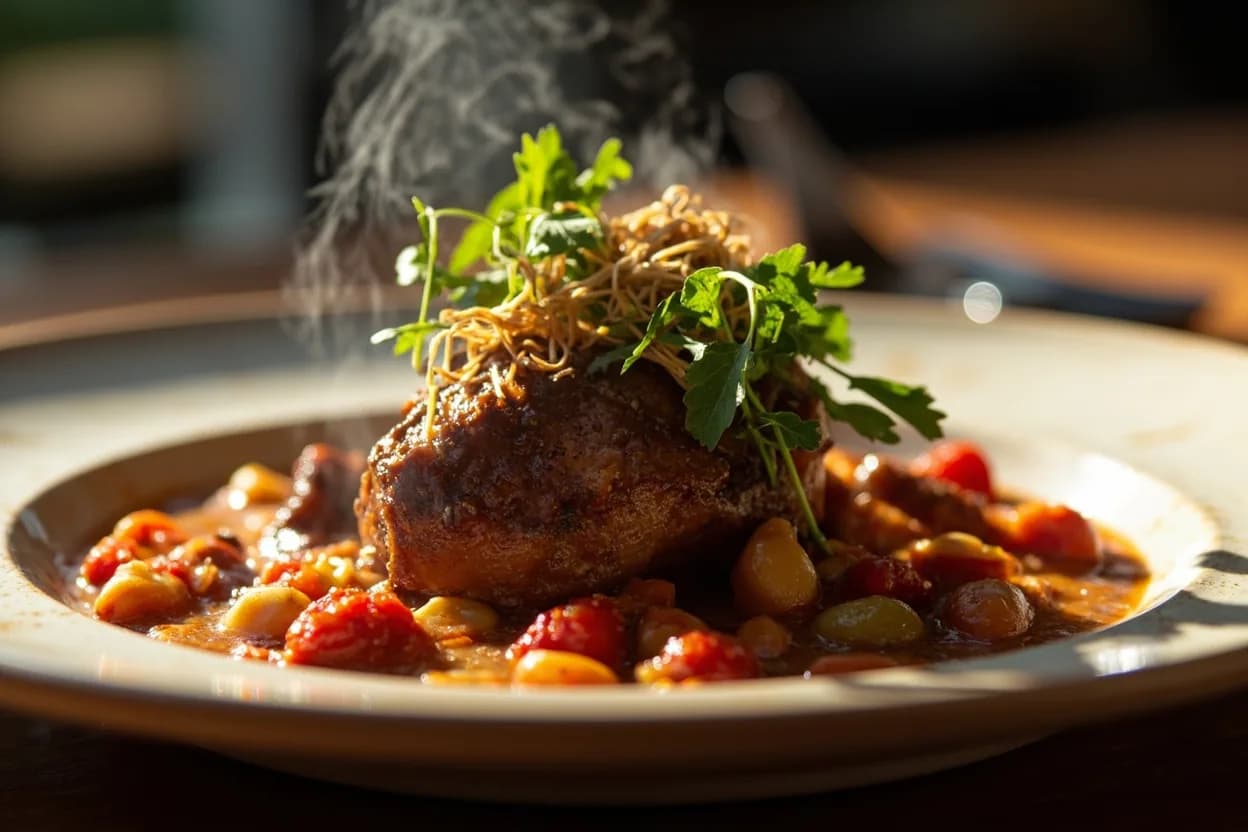
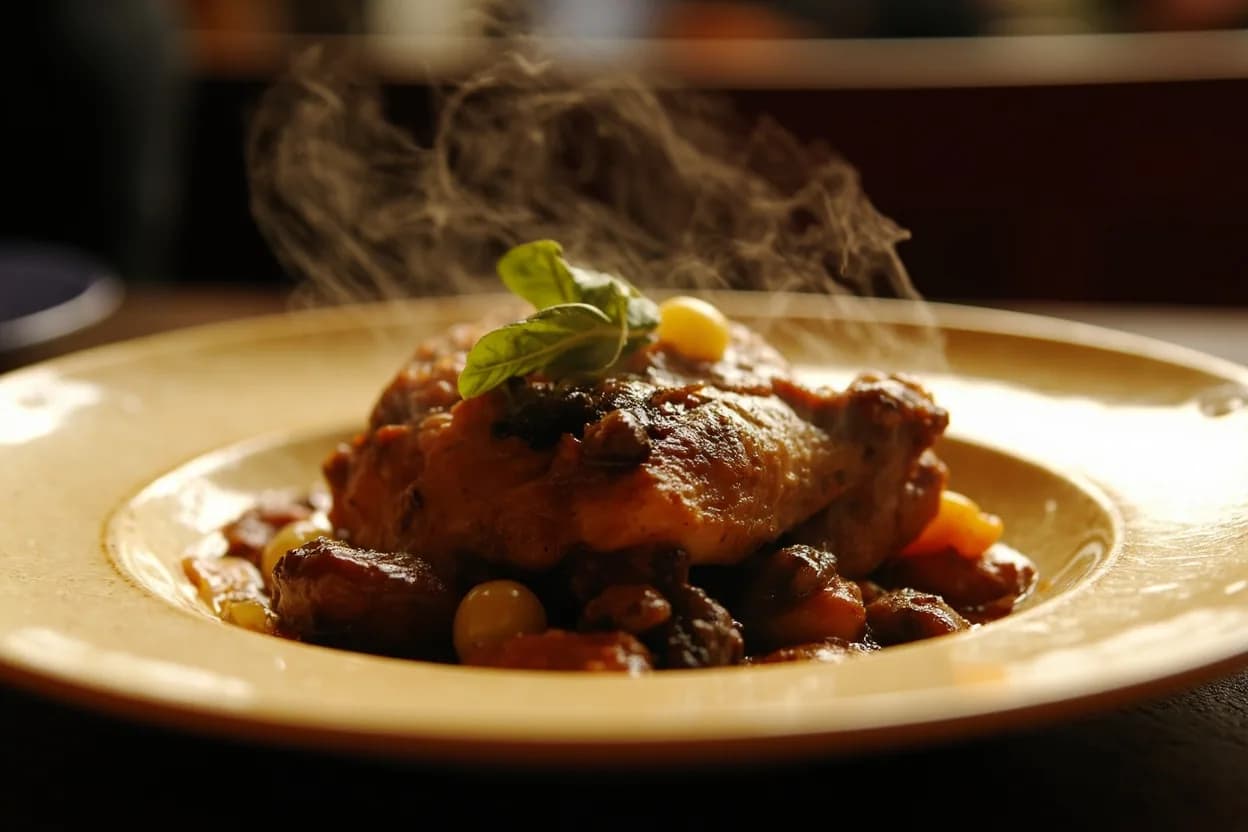
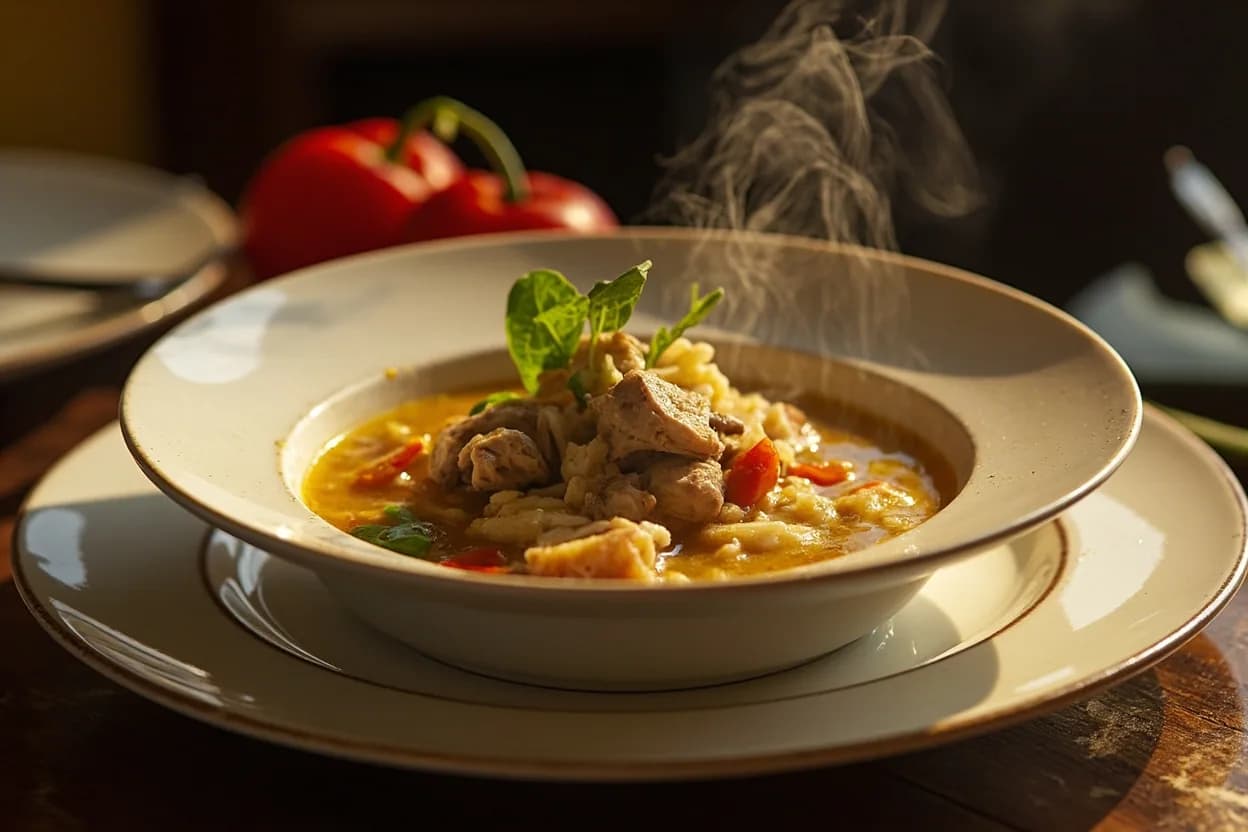
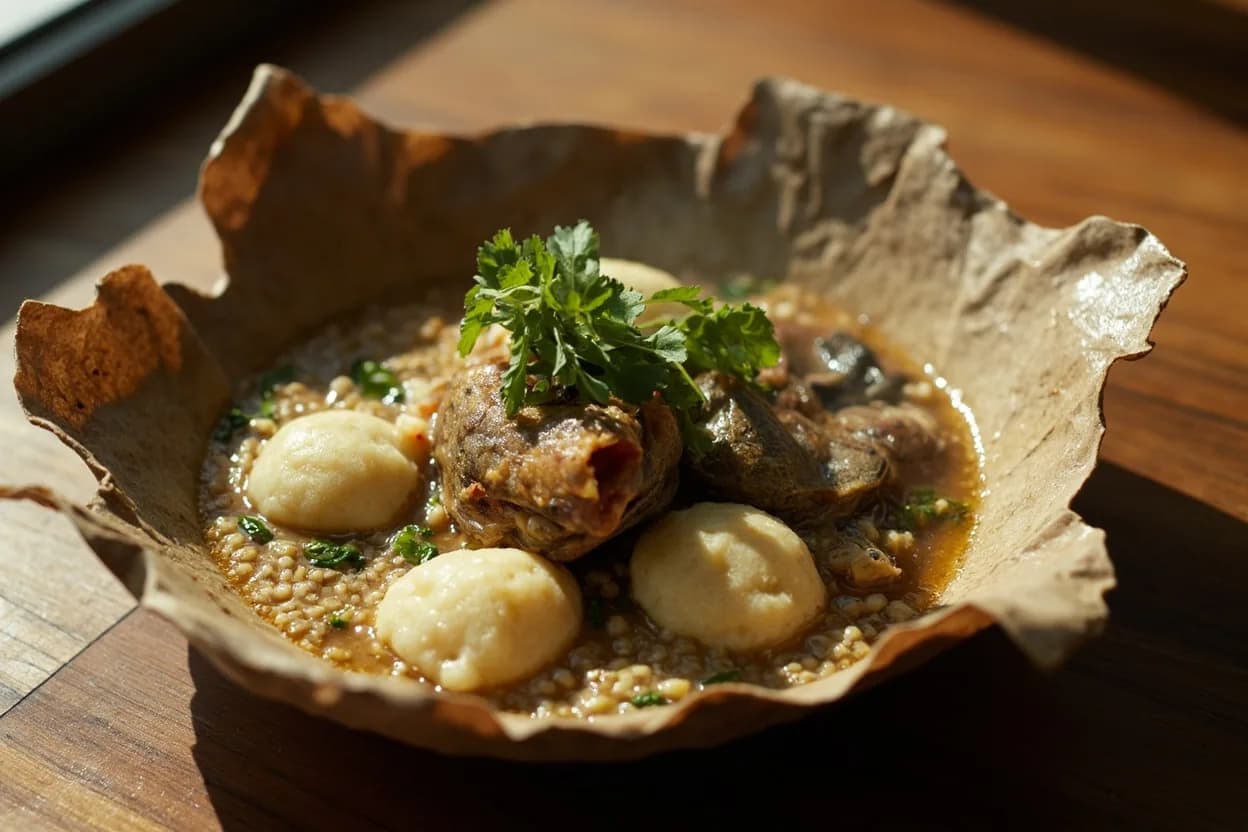
Related

Whisk
Beat ingredients smooth and aerated with a looping wire motion

Sift
Pass dry ingredients through mesh to aerate and remove lumps

Strain
Pour through mesh to separate solids from liquid for a smooth result

Filter
Pass liquid through fine material to clarify out the smallest particles

Rice
Press cooked potatoes through small holes for fluffy, lump-free texture

Mash
Crush soft cooked food into a rustic, creamy purée

Grind
Crush food into a coarse to fine texture, from spices to meat

Grate
Shred food into fine bits against a sharp-toothed surface