Heat & Fire
Blind Baking
Pre-baking an empty pastry crust so it stays crisp under a wet filling.
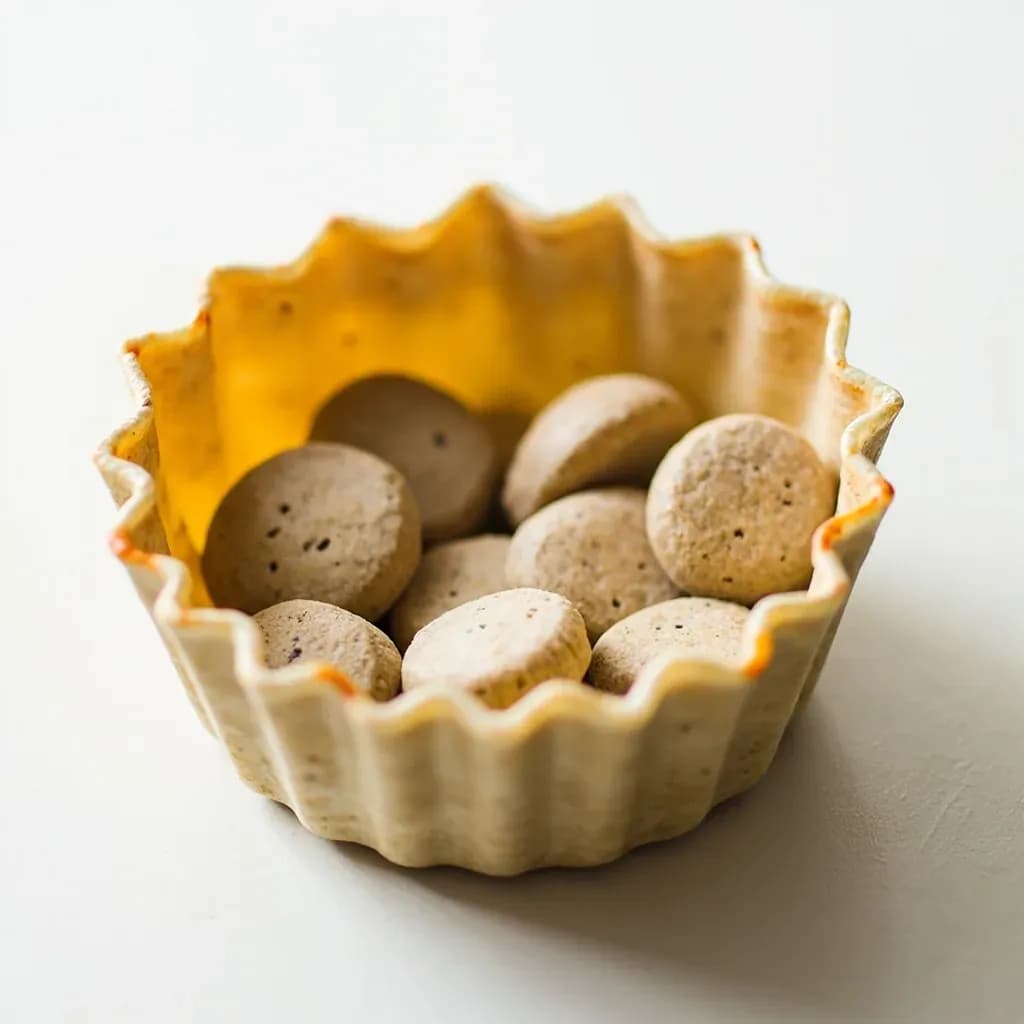
Blind baking bakes a pie or tart shell before adding the filling, usually with the crust lined and weighted down with dried beans or pie weights to stop it from puffing or slumping. It is essential for custard, cream, and fresh-fruit tarts where the filling won't bake long enough to set the crust. Docking the dough and chilling it first further prevent shrinkage and bubbling.
Blind baking — baking a pastry shell empty, usually weighted down — is the single most important insurance against a soggy-bottomed tart. The goal is to drive moisture out of the butter or shortening and to set the flour's starch before a wet filling ever touches the dough, so the crust can stand up to custard, cream, fruit juices, or curd without going limp or gummy. Without it, almost every tart with a wet filling will leak liquid into the pastry and turn the base from crisp to rubbery in minutes.
The technique is really a piece of heat management. Cold, rested dough resists shrinkage; weights hold the sides and base flat against the tin while the fat melts and the structure sets; a finishing spell without weights dries the base and browns it. How far you take it depends on the filling: a par-bake for custards that finish cooking in the shell, a full blind bake for anything that will be poured in cold or at room temperature.
The two failures that drive most cooks mad — a shrunken, slumping crust and a damp, pale base — are both solvable with discipline: chill the lined tin until it is truly cold, weight the sides as well as the base, and never skip the final uncovered bake that drives the last of the moisture out.
- Difficulty
- Medium
Types & varieties
Crust is baked all the way through and golden; required for fillings that will not be cooked further, such as pastry cream, lemon curd, chocolate ganache, or fresh fruit.
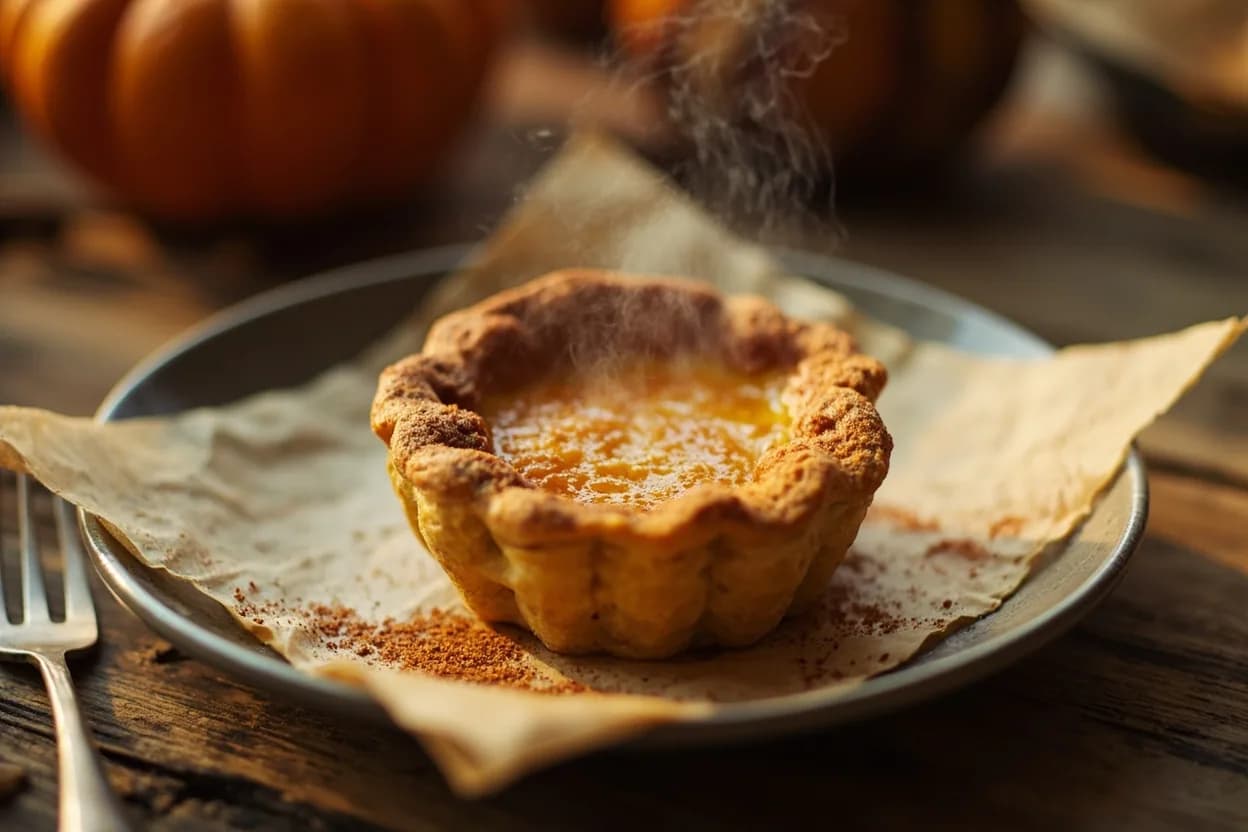
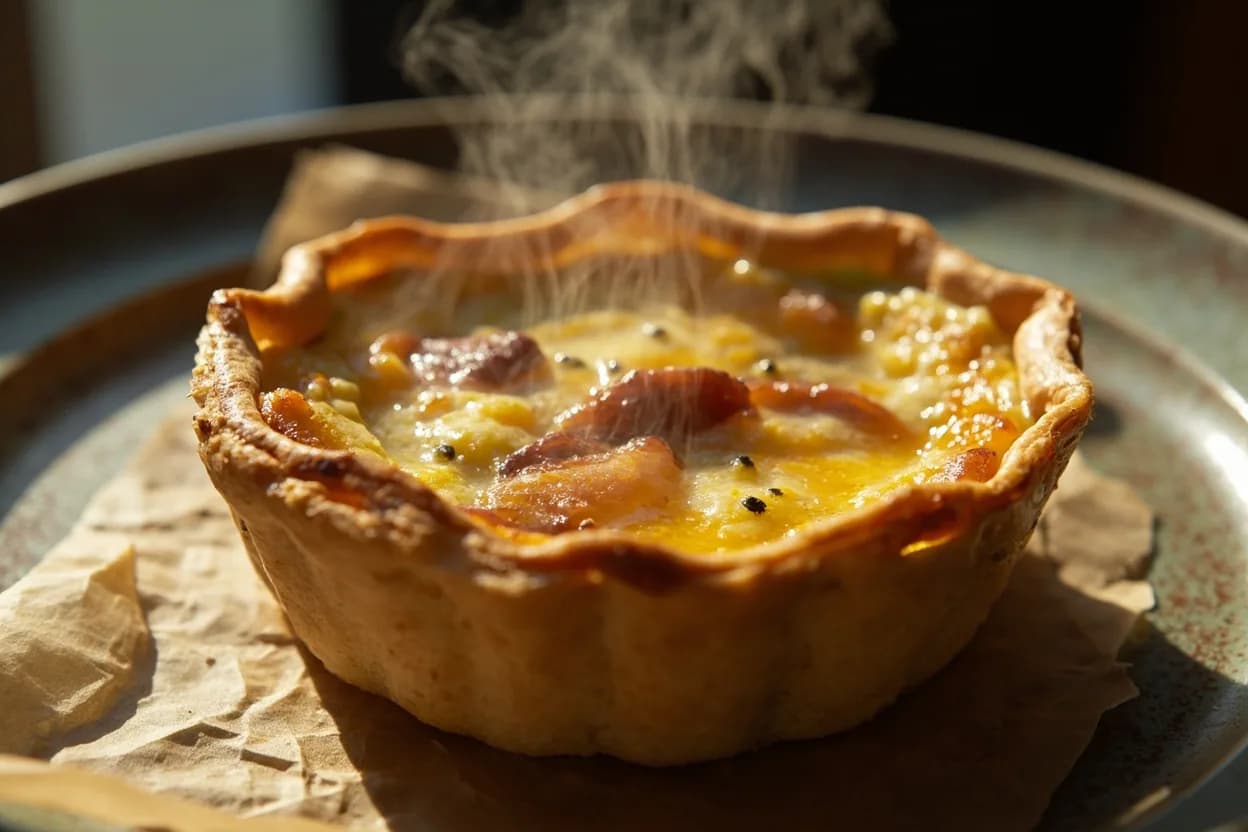
Crust is baked just until set and pale gold; used for fillings that need more oven time, like pumpkin pie, pecan pie, and quiche custard.
Parchment-lined crust filled with ceramic, metal, or dried-bean weights to prevent puffing and shrinking; the standard approach for deep or filled tarts.
Base pricked with a fork and baked without weights; only reliable in shallow, low-sided tins where the sides are not at risk of slumping.
After baking, the hot crust is brushed with beaten egg white and returned to the oven for two minutes to waterproof it against very wet fillings.
How to do it
- 1
Chill the lined tin
Roll out your pastry, line the tin, trim, and chill in the fridge for at least 20–30 minutes (10 minutes in the freezer if short on time). Cold fat melts slowly in the oven, which is the single biggest defence against shrinkage.
- 2
Line with parchment
Press a piece of parchment firmly into the chilled shell so it hugs the base and runs up the sides. Leave generous overhangs so you can lift the weights out cleanly later.
- 3
Fill with weights
Pour in ceramic, metal, or dried-bean/rice weights until the crust is at least two-thirds full, spreading them into the corners and up the sides. The sides need weight as much as the base does.
- 4
Bake weighted
Set the tin on a preheated baking sheet and bake at 180–200°C / 350–400°F for 15–25 minutes, until the pastry at the edges looks set and lightly coloured and the base has lost its raw, doughy look.
- 5
Remove weights and parchment
Lift the weights out by the parchment corners (save them for next time) and return the crust to the oven. Don't rush this step — even five minutes of extra weighted time buys you a flatter base.
- 6
Finish uncovered
Bake a further 5–15 minutes: about 5 minutes for a par-bake, longer for a fully blind-baked shell, until the base looks dry, sandy, and evenly gold. If the edges darken too fast, tent with a ring of foil or drop the rack a level.
- 7
Optional seal for wet fillings
For particularly juicy fillings (fresh fruit, lemon curd, cream-heavy tarts), brush the hot base with beaten egg white and return to the oven for two minutes. The protein sets into a thin waterproof film that slows liquid migration.
Why blind baking works
Pastry is a fragile architecture of flour, fat, and a little water. In a hot oven the fat melts before the starch has set, so the dough briefly goes plastic — it slumps, shrinks, and puffs. Blind baking controls that window. Weights hold the pastry in contact with the tin and stop it from buckling; chilling beforehand keeps the fat solid long enough to minimise shrinkage; and the uncovered finish dries the base so it can resist moisture from a filling. Once the starch is fully gelatinised and most of the free water has evaporated, the crust is effectively a dry, brittle biscuit that will only go soft if liquid can physically reach it.
Choosing weights
- Ceramic or metal pie weights give the most even, repeatable result and can be reused indefinitely.
- Dried rice, dried beans, or split pulses are the traditional home substitute — cheap and effective, though they dent the dough more visibly.
- Always keep a layer of parchment between dough and weights; without it the fat melts around the weights and welds them to the base.
- Do not cook with rice or beans that have been used as weights — they absorb pastry fat and smell strongly of it after a single use.
Choosing the right tin
- Thin, light-coloured metal tins conduct heat evenly and give the crispest, palest base — ideal for blind baking.
- Dark or non-stick tins brown the pastry faster; expect a deeper colour and reduce the temperature by 10°C if you swap.
- Glass dishes are slow to heat and can leave the base under-baked even when the edges look done.
Common uses
Tips & pitfalls
- Chill the lined tin until it is properly cold — rushing this step is the most common cause of a shrunken crust.
- Always put parchment between dough and weights; pastry fat will fuse to bare weights and tear the base when you lift them.
- Weight the sides as well as the base. The bottom of a tart rarely slumps on its own — the walls do.
- Bake on a preheated baking sheet to crisp the base faster and reduce sogginess.
- Remove the weights partway through and finish uncovered. Skipping the uncovered bake leaves the centre under-dried and prone to weeping.
- For very wet fillings, brush the hot crust with beaten egg white and bake two more minutes to waterproof it.
- If the rim browns too quickly, tent with foil or lower the oven rack — don't turn the temperature down, the base still needs heat.
- Don't reuse rice or beans that have been used as weights for cooking; once they have absorbed pastry fat they will taint whatever you make with them.
Good to know
- Also known as
- Baking blind, pre-baking
- Primary purpose
- Sets and dries pastry before a wet filling is added
- Typical temperature
- 180–200°C / 350–400°F (initial bake sometimes up to 220°C / 425°F)
- Weighted bake time
- 15–25 minutes, depending on crust thickness
- Uncovered finish
- 5–15 minutes, until the base looks dry and sandy-gold
- Equipment
- Tart or pie tin, parchment, pie weights (ceramic, metal, or dried rice/beans)
- Best doughs
- Shortcrust, pâte sucrée, pâte brisée, pâte sablée
- Term origin
- British "baking blind" — baking without a visible filling
Also called
Cuire à Blanc · Pre-Baking
Dishes that rely on it
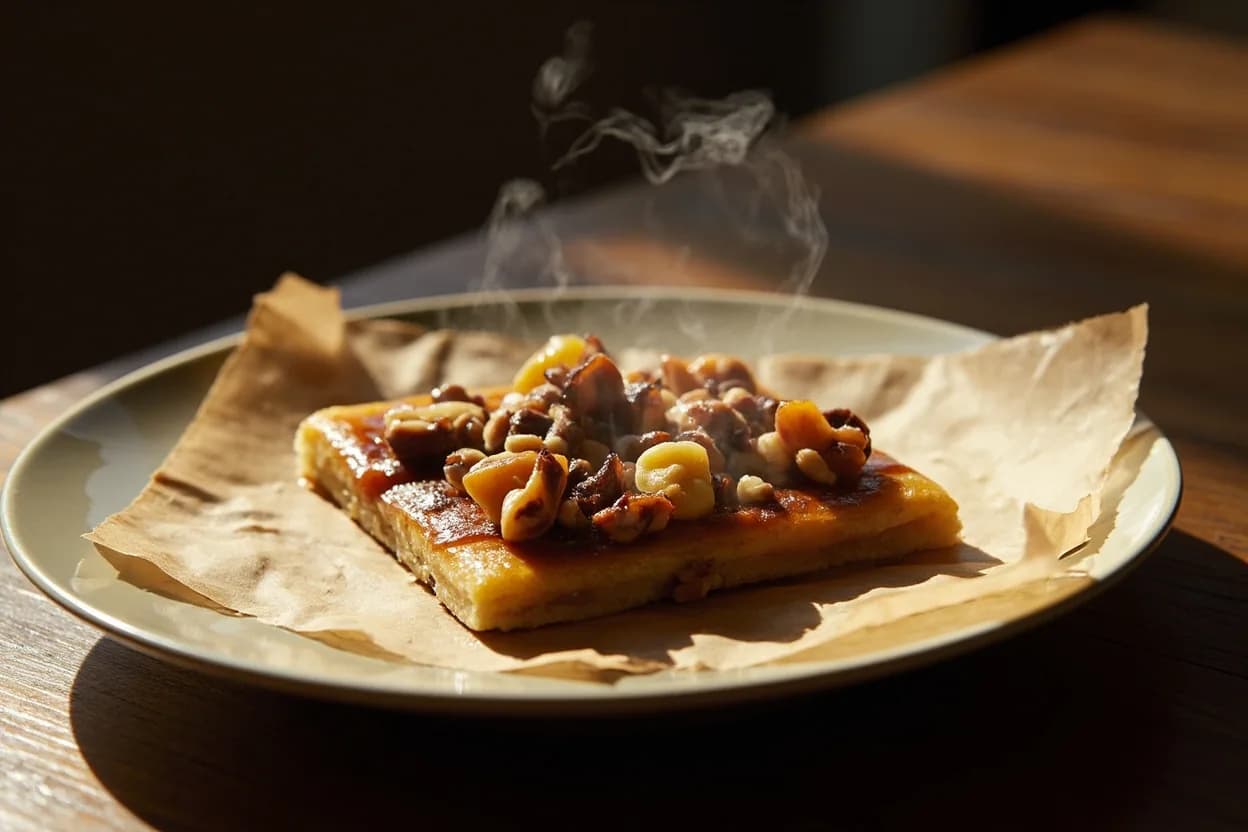
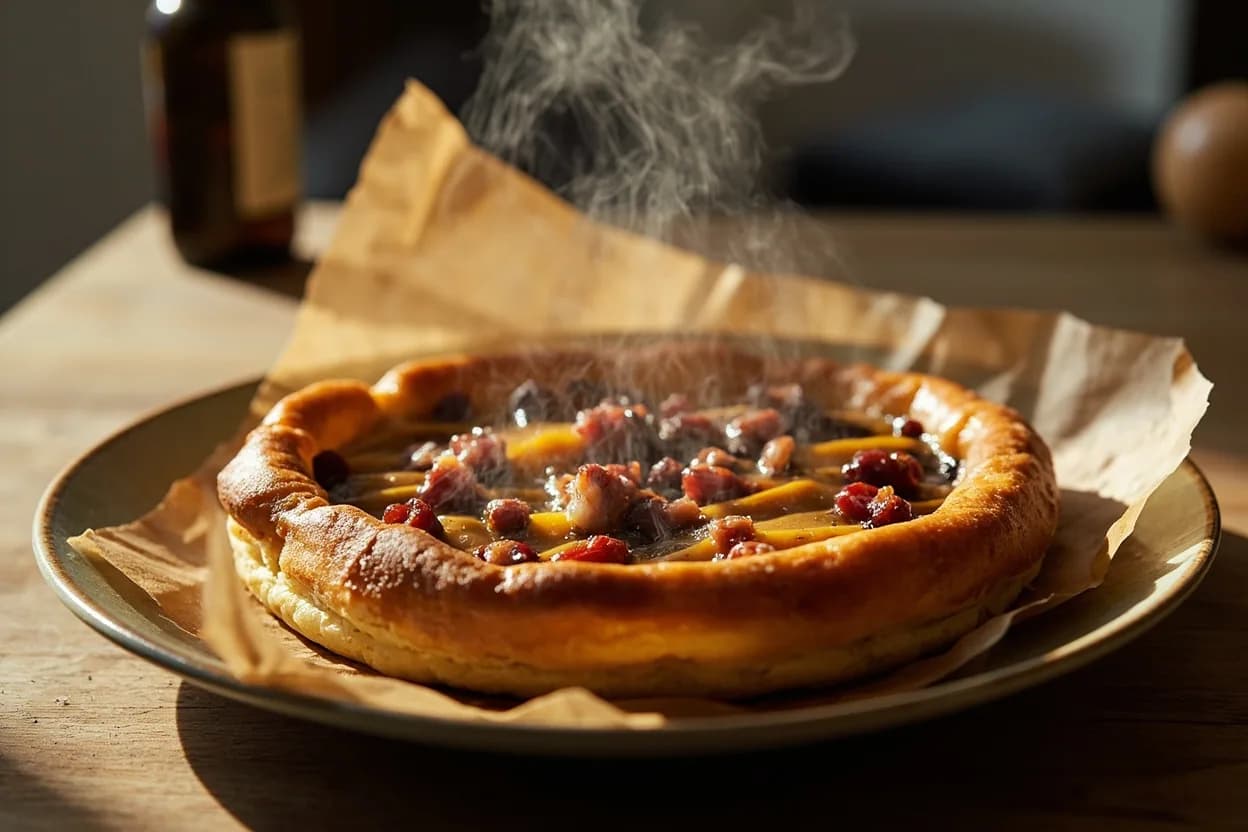
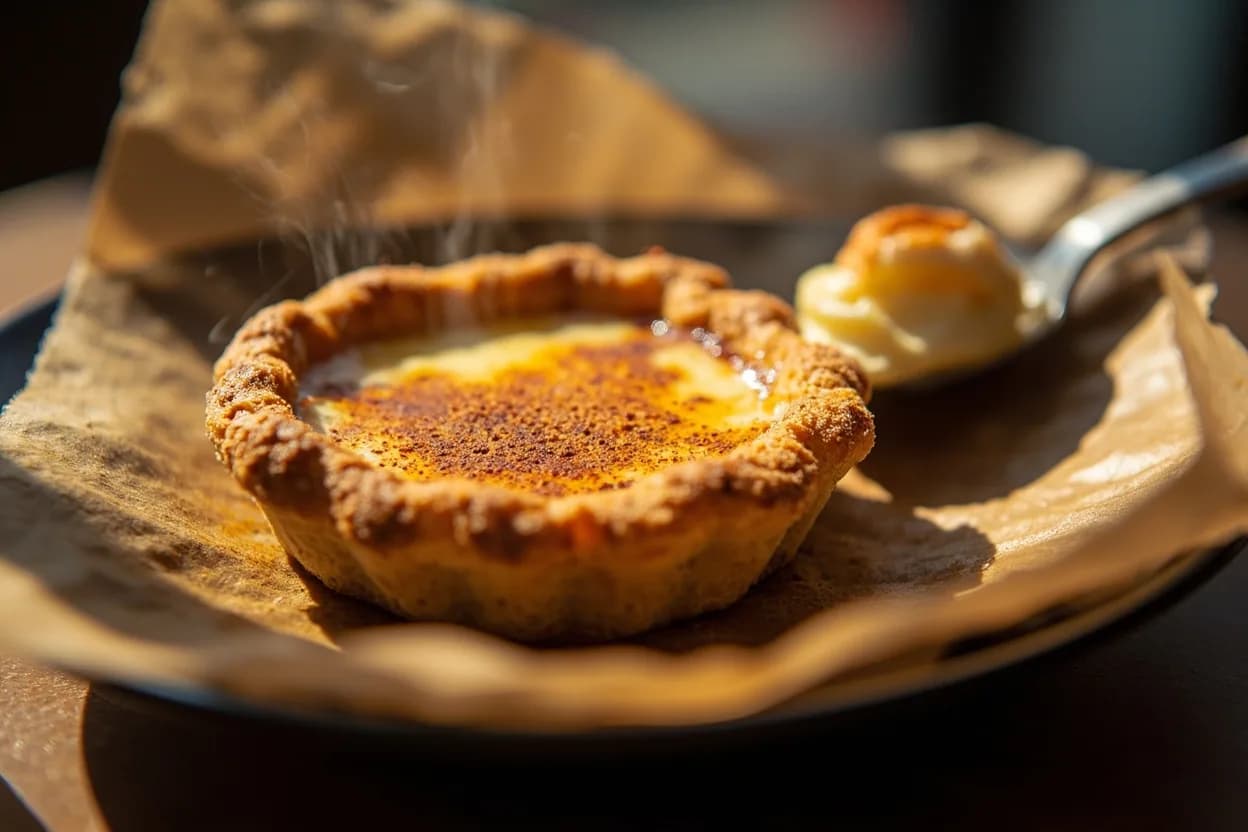
Related

Sear
Blast the surface hot for a deep-browned, savory crust

Sauté
Cook quickly in a little fat over lively heat, tossing as you go

Stir-Fry
Toss bite-sized pieces over roaring heat for fast, smoky cooking

Pan-Fry
Crisp food in a shallow layer of hot fat, turning once or twice

Deep-Fry
Submerge in hot oil for an all-over crackling crust

Roast
Cook uncovered in dry oven heat for browned edges and tender centers

Bake
Cook with steady, surrounding oven heat — the soul of bread and pastry

Broil
Hit food from directly above with fierce overhead heat