Prep & Assembly
Tamarind / Sour Souring
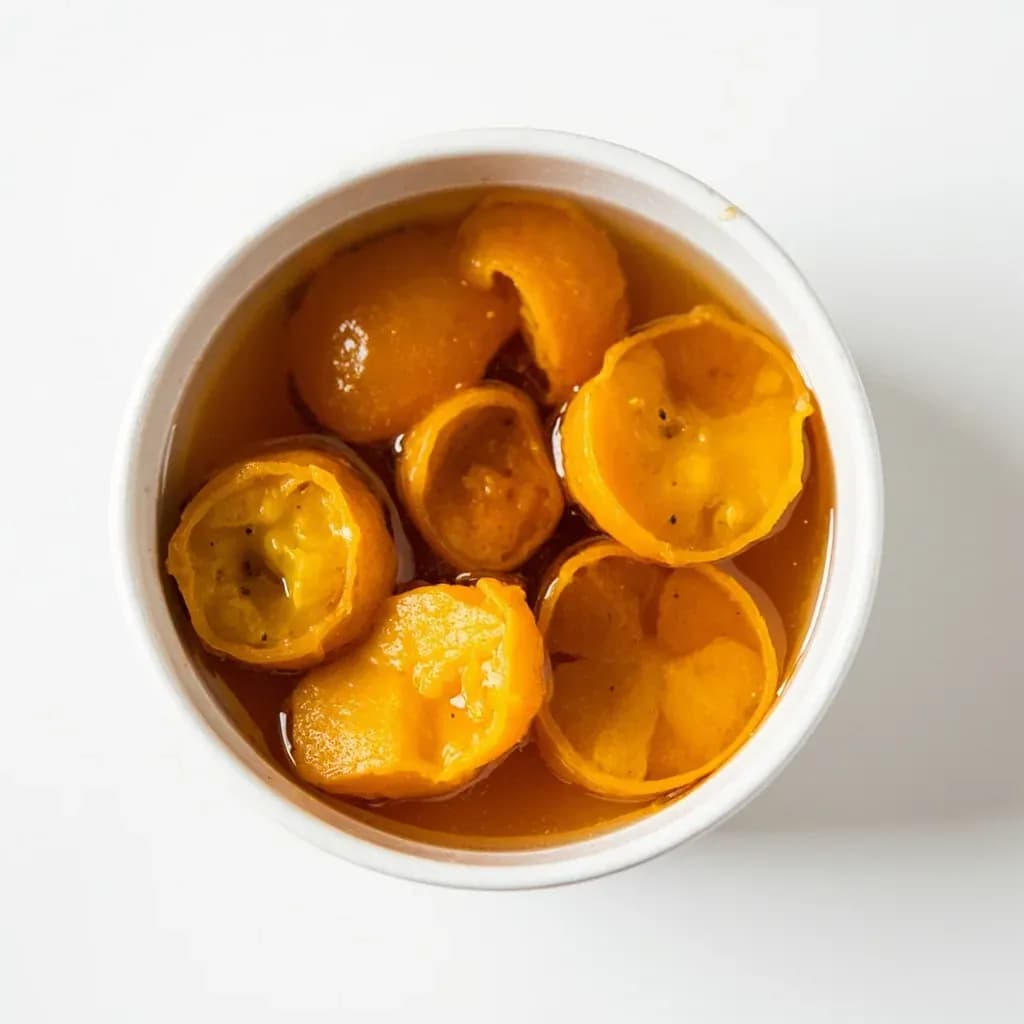
Soaking tamarind, kokum, or other souring agents to extract tangy acid for curries and broths.
Souring with tamarind and related agents soaks the dried pulp or fruit in warm water, then strains the tangy extract used to brighten and balance dishes. Tamarind, kudampuli, borș, and air asam each lend a distinct sour note across Indian, Romanian, and Southeast Asian cooking. The acidity not only seasons but also tenderizes proteins and rounds out rich, spicy sauces.
Tamarind and the broader family of tropical souring agents — kokum, dried lime, amchur, and raw mango among them — are extracted into a pourable, intensely tangy pulp by soaking, mashing, and straining. It is one of the most fundamental prep steps in South and Southeast Asian cooking, and a quietly important move in Mexican, Persian, and Gulf cuisines as well. The result is not just acid: tamarind in particular carries a deep, almost caramel-fruity backbone that brightens a broth, balances a curry, or cuts through fried richness in a way that bottled lemon juice and vinegar cannot match.
The key to understanding tamarind is that its acid is primarily tartaric (roughly 8–14% of the pulp), which behaves very differently from the citric acid in citrus or the acetic acid in vinegar. Tartaric acid is unusually heat-stable and persistent, which is why tamarind can be added early in a long-simmered dal or stew and still taste balanced at the end, while lemon juice added at the start of the same braise would go flat. This heat stability also means tamarind mellows and integrates rather than turning sharper the longer it cooks — a quality cooks exploit deliberately in sambar, rasam, and Thai gaeng som.
The technique itself is forgiving and follows a single template: portion the souring agent, cover with warm water, soak, mash, and strain. That same workflow applies, with minor adjustments, to kokum rinds and dried amla; black/dried limes are the outlier because their acid is locked in the dried peel rather than a soluble pulp, so they are cracked and simmered whole. Once you understand the template, you can move between souring agents and between cuisines with confidence, and you will know when a recipe is asking for a quick bright hit of acid versus a slow-integrated one.
- Difficulty
- Easy
Types & varieties
Dark, sticky, very sour; the workhorse for sambar, rasam, and most South Indian tamarind water. Dissolves well in warm water.
Often slightly sweeter and lighter; the pods/blocks are mixed and seeds reserved, with pulp soaked off.
Brittle brown shells with sticky pulp; shells cracked and strings discarded. Best flavor but short winter–spring season in the tropics.
Wet, seedless concentrate with a balanced sweet-sour profile; ready to use without soaking.
Strained, often slightly sweetened; substitute 1:1 for soaked pulp in most recipes.
Naturally low-acid cultivar eaten as a fruit or snack; not used as a souring agent in cooking.
Dried dark-purple rinds soaked like tamarind; milder, cooling sourness favored in Goan fish curries and Konkani dals. Similar soak ratio.
Boiled-and-sun-dried limes; cracked and simmered whole rather than soaked and strained. Common in Persian and Gulf soups and stews.
Dried green mango powder; whisked directly into liquids or sprinkled at the end — no soaking needed.
How to do it
- 1
Inspect and portion the tamarind
Weigh or eyeball the amount called for. For pressed block, slice off any outer fiber and break the dark pulp into 1–2 cm chunks with your hands or a knife — smaller pieces extract faster and more evenly. Reserve a few seeds if you want to drop them into stocks for a subtle back-note.
- 2
Cover with warm water
Place the chunks in a small bowl and add warm (not boiling) water at roughly 4–6 parts water to 1 part pulp by volume. Stir once so the pieces are submerged.
- 3
Soak until softened
Let sit 10–20 minutes for warm water, or 30–60 minutes for cold water. The pulp should feel pliable and the water should turn a deep, opaque brown. Press a chunk with a finger — it should smear easily.
- 4
Mash and squeeze
Use clean hands, a fork, or a small potato masher to crush the softened chunks. Rub the pulp against the bowl wall to release the sticky flesh from the fibers and any remaining seed skins.
- 5
Strain the first pass
Tip the contents into a fine-mesh sieve set over another bowl. Press firmly with the back of a spoon or your palm to push as much pulp through as possible. Discard the fibrous strings and seed coats left in the sieve.
- 6
Re-soak the residue if needed
Return the leftover fiber to the bowl, add a smaller amount of warm water, soak 5 minutes, and squeeze again. A second soak recovers another 10–15% of pulp — useful when working with a tight budget of tamarind.
- 7
Adjust strength and add
You should have a smooth, pourable, dark-brown pulp about the thickness of heavy cream. Thin with more water if the recipe needs a lighter broth; concentrate by simmering briefly if the dish is a thick gravy. Add at the stage the recipe calls for — late for clear or sour soups, early for slow-cooked dals and stews.
- 8
Store leftovers
Pour leftover pulp into a jar, press plastic wrap to the surface, and refrigerate up to a week, or freeze in ice cube trays and transfer cubes to a freezer bag for several months. Thaw in a small saucepan over low heat.
When to add tamarind
The single biggest decision when cooking with tamarind is timing, and it is dictated by the dish and the protein. For clear, sour-forward broths — rasam, tom yum, canh chua, sinigang — add the strained pulp in the last 5–10 minutes of cooking so the acid remains assertive and the color stays bright. For slow-simmered dals, sambar, and braises where you want the sourness to knit into the sauce, add it earlier, sometimes with the tamarind-water itself used as part of the cooking liquid. Acid firms proteins, so for delicate fish, shrimp, and eggs, add tamarind late or risk a chalky texture.
The souring family — substitutions and swaps
Tamarind is the most flexible member of the group, but the workflow below extends across the family. Kokum rinds use the same soak-and-strain method at roughly the same ratio, but soak them in cool water to avoid pulling bitterness from the outer skin. Amchur skips the soak entirely: whisk the powder into a little water to make a slurry, or sprinkle it in at the end for a fresh, fruity tang. Black/dried limes do not soak; they are cracked with the back of a knife, simmered whole for 20–40 minutes, and often removed before serving. When substituting lemon or vinegar for tamarind, do not do so 1:1 in long-cooked dishes — add the citrus at the end instead, and taste as you go.
Storing for weeknight cooking
Soaked tamarind pulp is one of the most useful make-ahead ingredients in a busy kitchen. Freeze strained pulp in ice cube trays, pop the cubes into a freezer bag, and drop one or two straight into a simmering curry or broth — a single cube is roughly equivalent to 1 tablespoon of concentrate. Pressed block keeps for 1–2 years in a cool, dry cupboard, so buying in larger pieces is rarely wasteful.
Common uses
Tips & pitfalls
- Break the block into small 1–2 cm chunks before soaking — large slabs take far longer to soften and extract unevenly.
- Use warm (not boiling) water for a faster extraction; boiling can flatten the aroma and muddy the color of clear broths.
- Strain twice through a fine-mesh sieve for clear, glossy broths (tom yum, rasam); one pass is fine for rustic gravies.
- Toast a small piece of the block dry in a skillet for 30–60 seconds before soaking to deepen the caramel notes — especially useful for chutneys.
- Add tamarind late when cooking delicate seafood or eggs — acid firms proteins and can make fish flesh chalky.
- For dals and slow gravies, add earlier so the sharp edge cooks off and integrates with the sauce.
- A small pinch of jaggery or palm sugar rounds the sourness without making the dish sweet — a common finishing move in pad thai and sambar.
- Avoid substituting lemon or vinegar 1:1 for tamarind in long-simmered dishes — citrus fades and acetic acid reads harsh; add lemon at the end instead.
- Taste before salting: tamarind and salt magnify each other, and an oversalted sour broth is hard to rescue.
- Frozen tamarind pulp cubes are the most practical weeknight shortcut — one cube is roughly equivalent to 1 tablespoon of concentrate.
Good to know
- Primary souring agent
- Tamarind pulp (Tamarindus indica), with kokum, amchur, dried lime (loomi), sumac, and raw mango as parallel souring agents using the same workflow.
- Acid responsible
- Tartaric acid (~8–14% of pulp), with smaller amounts of malic and citric acid — notably heat-stable, unlike citrus.
- Common commercial forms
- Pressed seedless block, whole pods, frozen pulp slabs, jarred concentrate, and Thai-style sweetened paste.
- Standard soak ratio
- Roughly 1 part pulp to 4–6 parts warm water; 1 heaped tablespoon of block yields about ¼–⅓ cup strained pulp.
- Soak time
- Hot water: 10–20 minutes. Cold water: 30–60 minutes for a brighter, less cooked flavor.
- Yield guideline
- About 30–40 g of seedless pressed block ≈ ½ cup strained pulp.
- Flavor profile
- Aggressive sourness with caramel/fruity depth (ripe) or grassy sharpness (young/green); dark blocks are more molasses-like, light Indian blocks more sour.
- Storage
- Pressed block keeps 1–2 years cool and dry; soaked pulp keeps 5–7 days refrigerated, or months frozen in ice cube trays.
Also called
Tamarind / Kudampuli Souring · Souring with Borș · Tamarind Soaking (Air Asam) · Tamarind Extraction
Dishes that rely on it
Related

Whisk
Beat ingredients smooth and aerated with a looping wire motion

Sift
Pass dry ingredients through mesh to aerate and remove lumps

Strain
Pour through mesh to separate solids from liquid for a smooth result

Filter
Pass liquid through fine material to clarify out the smallest particles

Rice
Press cooked potatoes through small holes for fluffy, lump-free texture

Mash
Crush soft cooked food into a rustic, creamy purée

Grind
Crush food into a coarse to fine texture, from spices to meat

Grate
Shred food into fine bits against a sharp-toothed surface