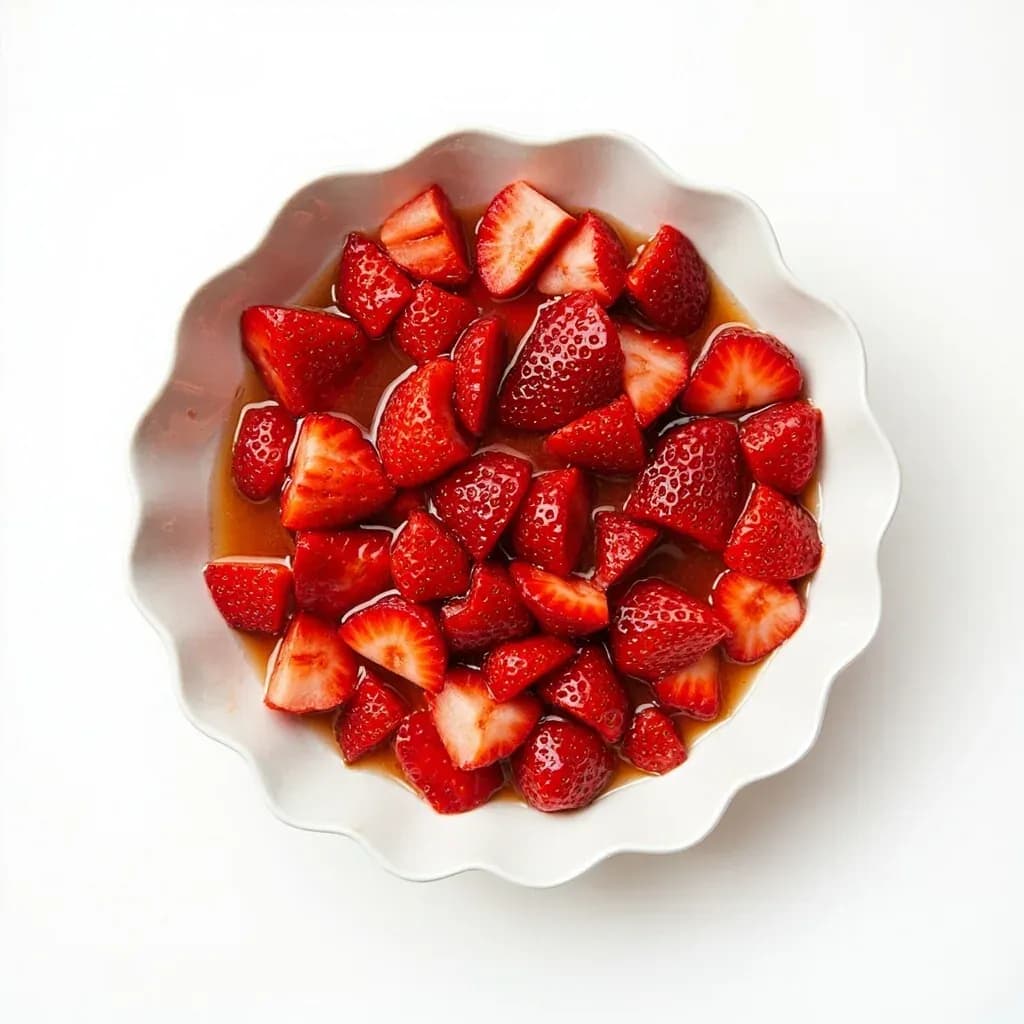
Transform & Preserve
Macerating
Soaking fruit or vegetables in sugar, acid, or liquid to soften them and draw out their juices.
Maceration steeps fruit or vegetables in sugar, salt, alcohol, or an acid so the cells release juice and the pieces soften and absorb flavor. Sugar pulls liquid out by osmosis, creating a flavorful syrup often used for desserts and drinks. The technique both seasons and partially preserves the food while building a ready-made sauce from its own juices.
Maceration is the cold, no-cook technique of softening food by bathing it in sugar, salt, alcohol, or acid and letting osmosis do the work. The medium draws moisture out of the cells of the fruit or vegetable while seeping in, concentrating flavor on both sides of the bowl. Because no heat is required for most forms, it is the gentlest way to turn ripe peaches or strawberries into something glossy, syrupy, and intensely flavored.
The byproduct matters as much as the fruit itself: the syrupy juice that pools in the bowl is essentially a free sauce. A handful of berries tossed with a spoonful of sugar and left for thirty minutes will surrender enough liquid to dress a cake, a pavlova, or a scoop of ice cream. Maceration is equally useful in savory cooking — salting eggplant and zucchini before cooking pulls out bitter water and prevents a soggy sauté, and a quick vinegar bath turns sliced onions into a condiment in minutes.
Maceration lives in the short, sweet middle ground between raw and preserved — minutes to overnight — where texture softens, flavors mingle, and the cook is rewarded almost immediately. Pickling preserves food for weeks or months with stronger acid and salt; brining works on meat via salt diffusion; poaching uses gentle heat. If a recipe tells you to soak something for twenty minutes, it is macerating; if it tells you to pack it in a jar for a month, it is pickling.
- Difficulty
- Easy
Types & varieties
Tossing fruit with granulated or superfine sugar; sugar pulls out juice by osmosis to create a natural syrup. The classic treatment for strawberries, raspberries, and sliced peaches.
Steeping fruit in liqueur, wine, brandy, or rum. Used for fruitcakes, English trifle, baba au rhum, and boozy summer fruit salads. Alcohol inhibits microbial growth and helps fruit hold its texture for days under refrigeration.
Soaking in vinegar or citrus juice to tenderize and brighten. Common in quick-pickled salads, slaws, and ceviche-style raw preparations.
Salting vegetables such as eggplant, cucumber, and zucchini to draw out water and bitterness before cooking. Usually 1–2% salt by weight, followed by a rinse and pat-dry.
Gentle warming of fruit with sugar or wine to accelerate softening, then cooling. Used in compotes and some poached-fruit preparations when time is short.
Refrigerated steeping, the preferred method for delicate berries and herb- or spice-infused liqueurs where clarity and fresh color matter.
How to do it
- 1
Select and prepare the fruit or vegetable
Choose ripe but firm produce. Wash, hull, peel, pit, and cut into uniform pieces so everything softens at the same rate. Smaller pieces macerate faster; leave dense fruit like pears or apples in larger chunks.
- 2
Choose your macerating medium
Decide between sugar, alcohol, acid, or salt, and match the strength to the ingredient. Berries want sugar or a light fortified wine; peaches, plums, and cherries can take brandy or red wine; eggplant and zucchini want salt; onions and quick-pickle vegetables want vinegar or citrus.
- 3
Combine in a non-reactive bowl
Toss the fruit gently with the medium in a glass, ceramic, or stainless steel bowl. Never use aluminum or copper for acidic macerations — the metal reacts, discolors the fruit, and imparts a metallic taste.
- 4
Cover and rest
Cover the bowl with plastic wrap or a tight lid. Refrigerate delicate berries and anything acid-based; sturdier fruit in alcohol can sit at cool room temperature for an hour or two without harm.
- 5
Stir once or twice
Give the contents a gentle turn partway through to redistribute the accumulating syrup and ensure even contact with the medium. Do not mash — you want intact pieces in a pool of liquid, not jam.
- 6
Test and stop at the right moment
Taste and feel for the texture you want. Berries need 15 to 30 minutes; sliced stone fruit and apples usually want 1 to 2 hours; an alcoholic bath for cake or trifle can run overnight. Over-macerated fruit turns pulpy, so err on the early side and check.
- 7
Drain or reserve the juice
Lift the fruit out with a slotted spoon if you want clean pieces, or reserve both fruit and syrup together. The syrup is concentrated fruit flavor — perfect for drizzling, reducing briefly into a sauce, or splashing into a cocktail.
- 8
Use the same day or store briefly
Macerated fruit is at its best within a few hours. Cover and refrigerate up to 2 to 3 days; if storing longer, drain off the liquid so the pieces do not turn soggy, and save the syrup separately for another use.
Choosing the right medium
Matching the strength of the medium to the delicacy of the fruit is the single most important decision in maceration. Berries bruise easily and collapse in alcohol, so they take best to a brief sugar maceration or a light touch of fortified wine. Stone fruit and apples are sturdier and can stand up to brandy, red wine, or a heavier sugar load. Acid maceration is a different beast: it both softens and preserves, but overdoes it quickly, turning crisp onions into something floppy. Salt is reserved almost entirely for vegetables where water removal — not flavor infusion — is the goal.
- Sugar is the universal default; it works on nearly any ripe fruit.
- Liqueurs and fortified wines suit dense fruit and dried fruit; clear spirits can taste harsh if left too long.
- Citrus juice brightens but also softens — use it in small amounts for short baths unless a softer texture is the goal.
- Salt at 1–2% of the vegetable's weight is the standard for eggplant, cucumber, and zucchini.
Maceration versus pickling and brining
The lines between these techniques are real but porous. Maceration is short and low in salt or acid; pickling aims for long-term stability and uses stronger brine, often with added aromatics like dill, peppercorns, or garlic. Brining is essentially salt maceration applied to meat, where salt diffuses into protein to hold moisture during cooking. If a recipe tells you to soak something for twenty minutes, it is macerating; if it tells you to pack it in a jar for a month, it is pickling.
- Maceration: minutes to overnight, low salt or low acid, fresh texture.
- Pickling: days to months, higher acid and salt, often heat-processed for shelf stability.
- Brining: hours to overnight, salt only, used on meat and firm tofu.
- Ceviche pushes acid maceration to its limit — the acid 'cooks' the protein by denaturing it.
Common uses
Tips & pitfalls
- Use superfine or caster sugar on delicate berries so it dissolves almost instantly; coarser sugar works well on firmer fruit where you want a slow, syrupy release.
- Never macerate acidic fruit in aluminum or copper bowls — the metal reacts, turning the fruit gray or metallic and ruining the bowl's finish over time.
- Resist the urge to leave berries in sugar for hours; past 30 to 60 minutes they collapse into a pulpy compote with no shape left to hold.
- After salt-macerating eggplant, cucumber, or zucchini, rinse and pat the pieces dry before cooking so the finished dish tastes seasoned rather than cured.
- Save every drop of the syrupy juice — it is essentially a free dessert sauce that can be drizzled as is or reduced with a splash of the same alcohol for a glossy finish.
- For alcoholic maceration of dried fruit (fruitcakes, steamed puddings), cover and refrigerate overnight so the fruit rehydrates evenly and plumps up properly.
- Add a squeeze of lemon juice sparingly; too much acid will break down pectin and turn the fruit to mush unless that soft texture is the goal.
- Layer fruit and sugar in stages rather than dumping it all at once; this gives the sugar time to draw juice before the next layer is added, producing a more even syrup.
Good to know
- Etymology
- From the Latin 'macerare', meaning to soften or steep by soaking.
- Primary mechanism
- Osmosis — sugar, salt, or acid pulls moisture out of cells while the medium seeps in, concentrating and infusing flavor.
- Common macerating mediums
- Granulated or superfine sugar, liqueurs, wine, brandy, rum, fruit juice, vinegar, citrus juice, and dry salt.
- Typical duration
- 15 minutes for delicate berries up to overnight for dried fruit in alcohol; firmer fruit like apples or stone fruit can take 1–2 hours.
- Best candidates
- Strawberries, raspberries, peaches, plums, cherries, citrus segments, apples, and melon for sweet maceration; eggplant, cucumber, and zucchini for salt maceration.
- Temperature
- Cold (refrigerated) for delicate fruits and food safety; brief room-temperature rests are fine for alcoholic and sugar macerations on sturdy fruit.
- Equipment
- Non-reactive bowl — glass, ceramic, or stainless steel. Never aluminum or copper for acidic macerations, as the metal will react and discolor.
- Yield bonus
- The syrupy liquid that pools in the bowl is concentrated in fruit flavor and sugar, and works as a sauce, soak, or cocktail base.
Also called
Maceration · Steeping Fruit
Dishes that rely on it
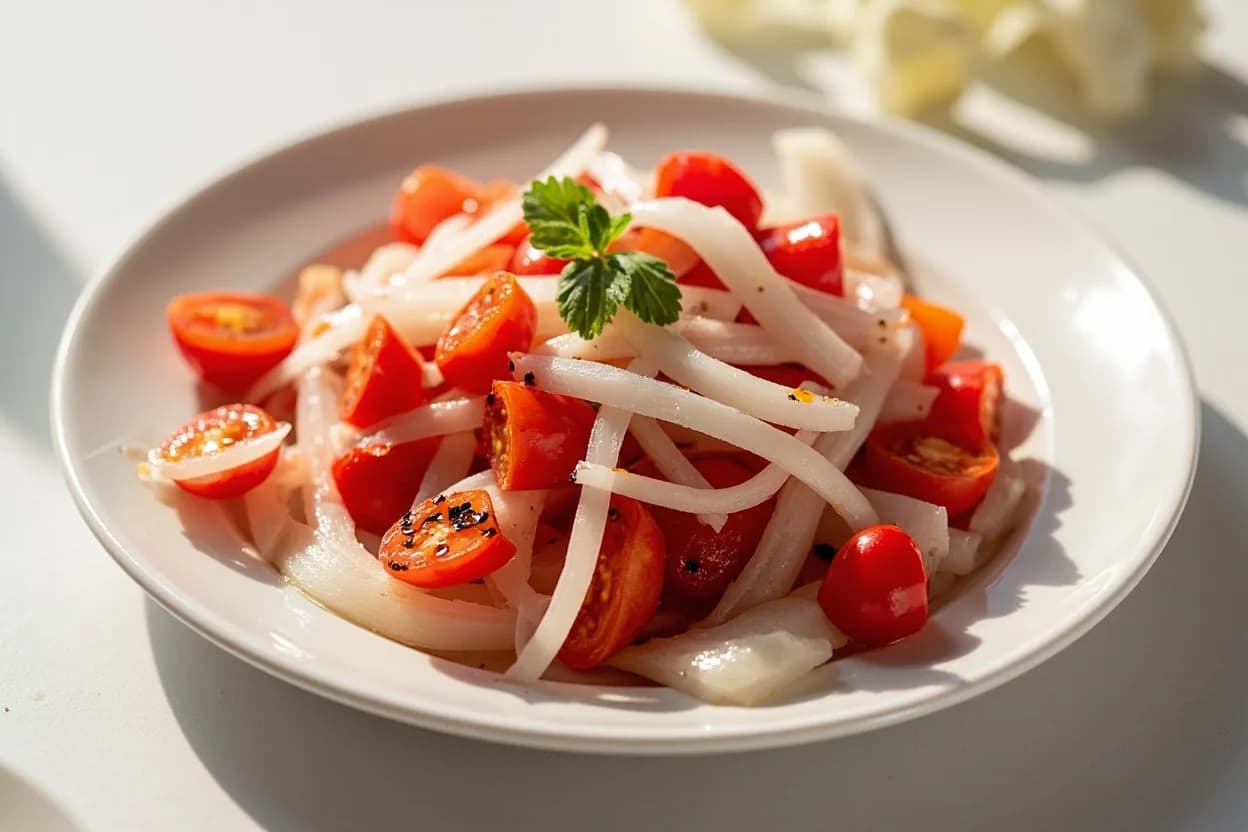
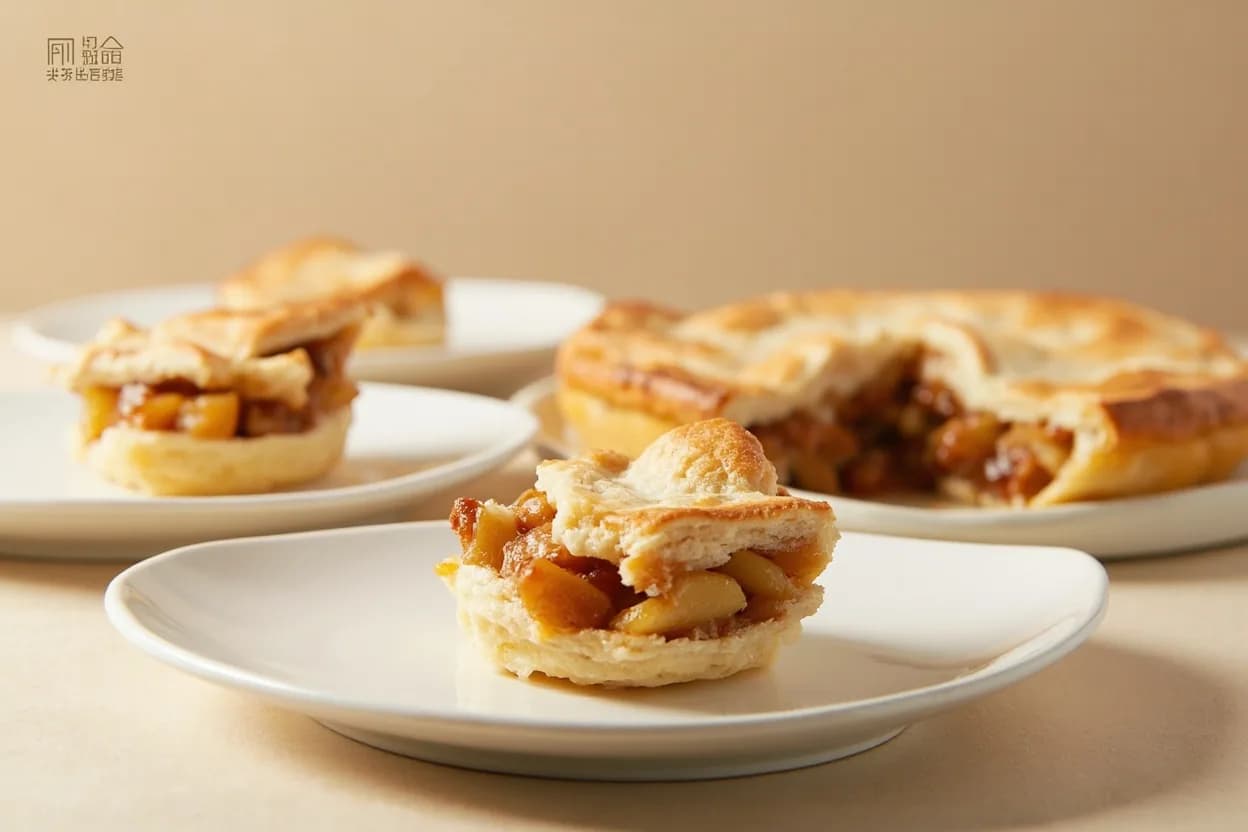
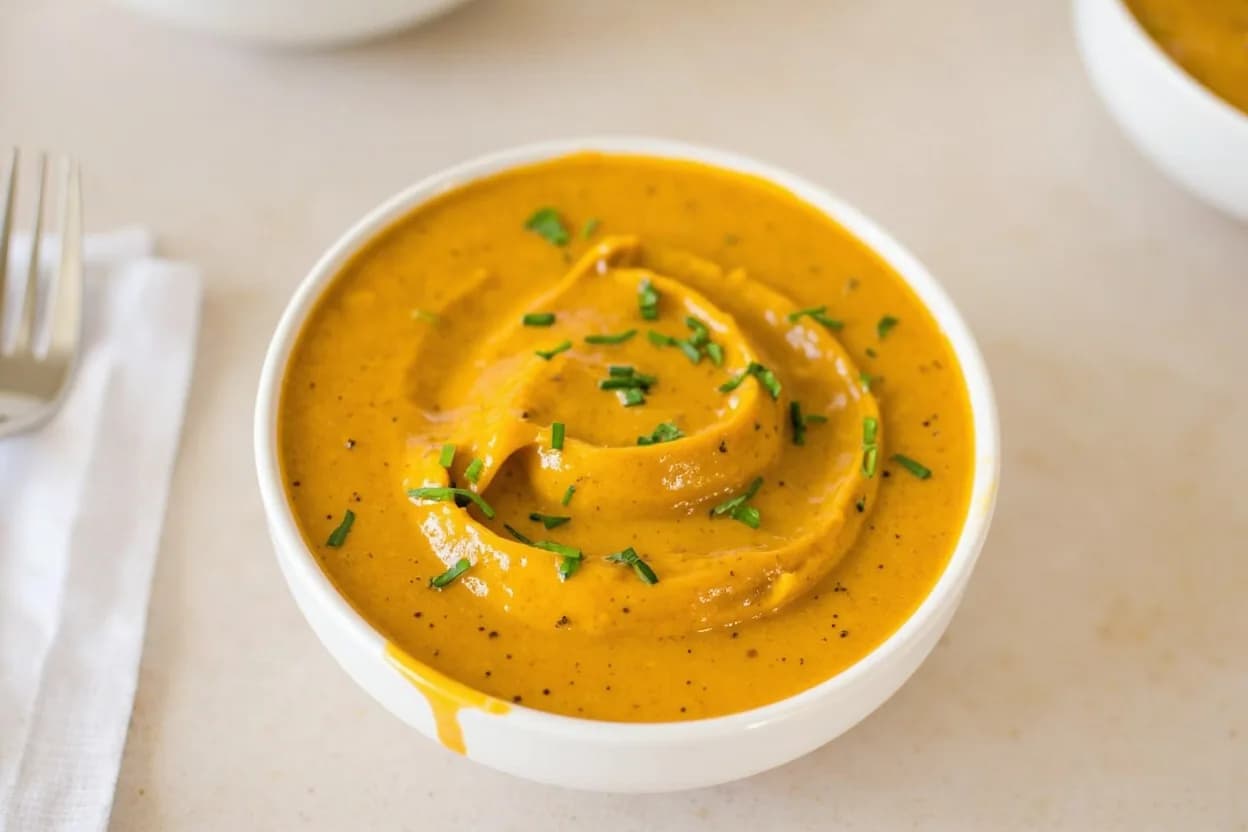
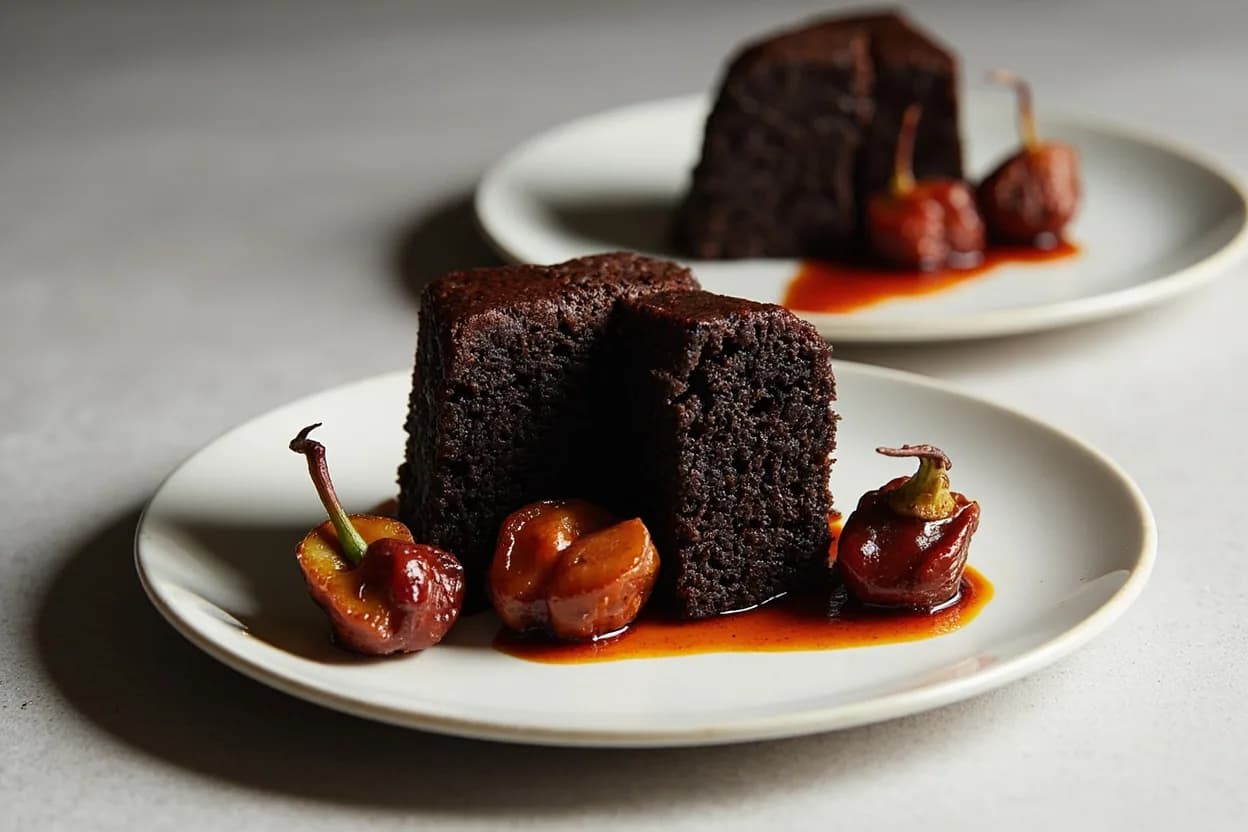
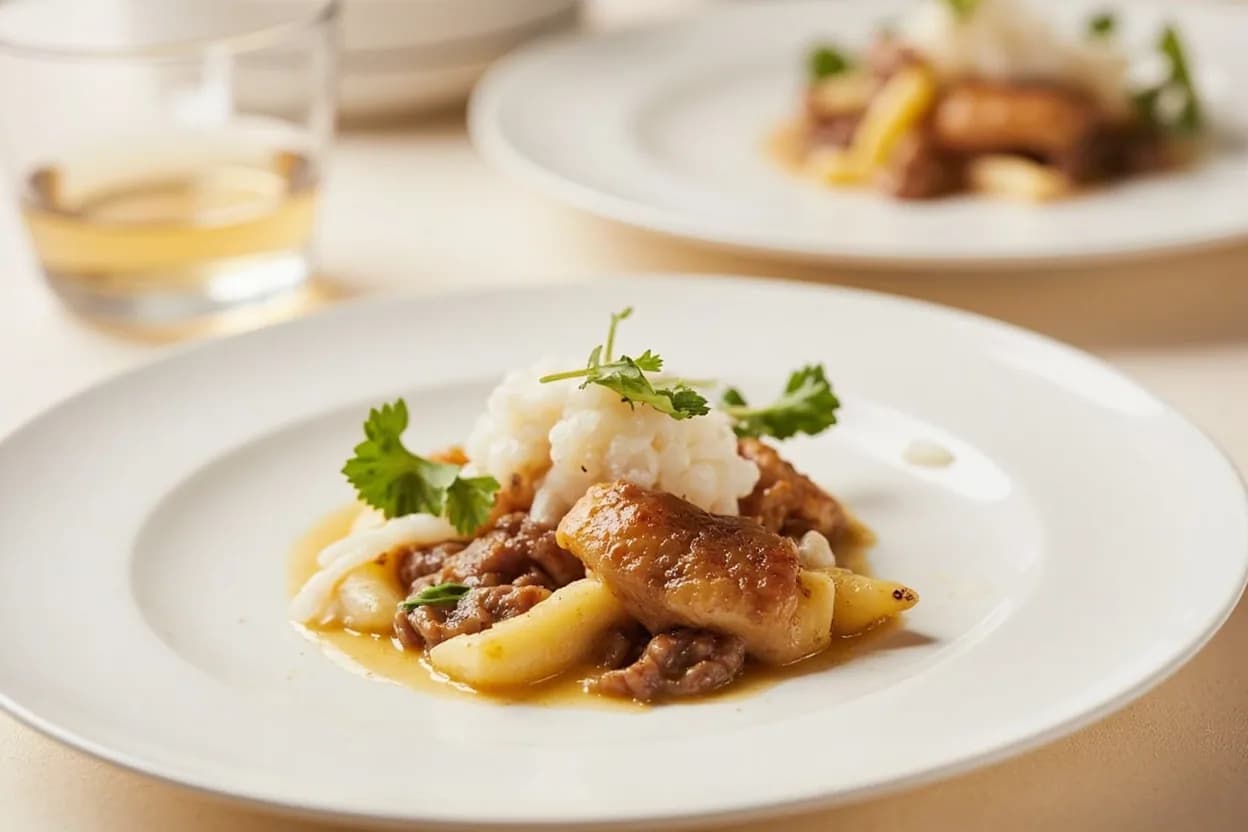
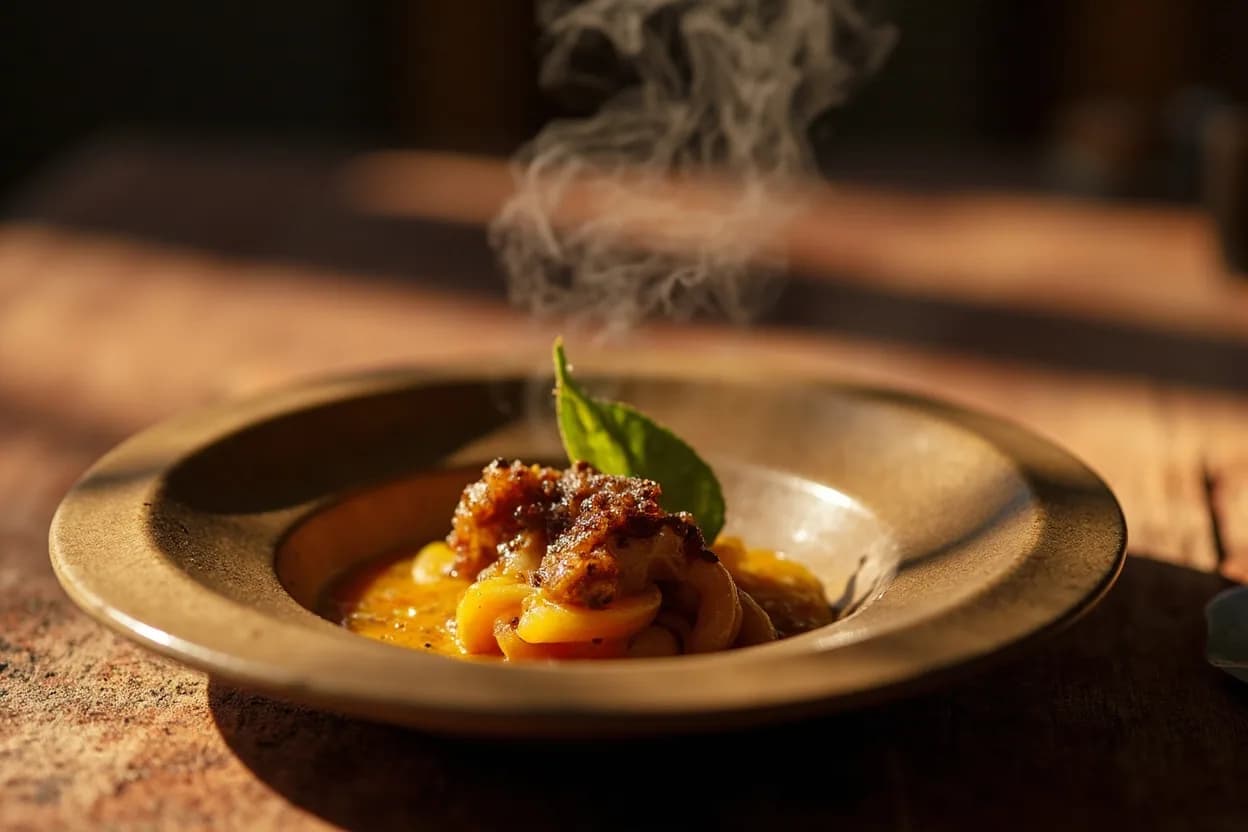
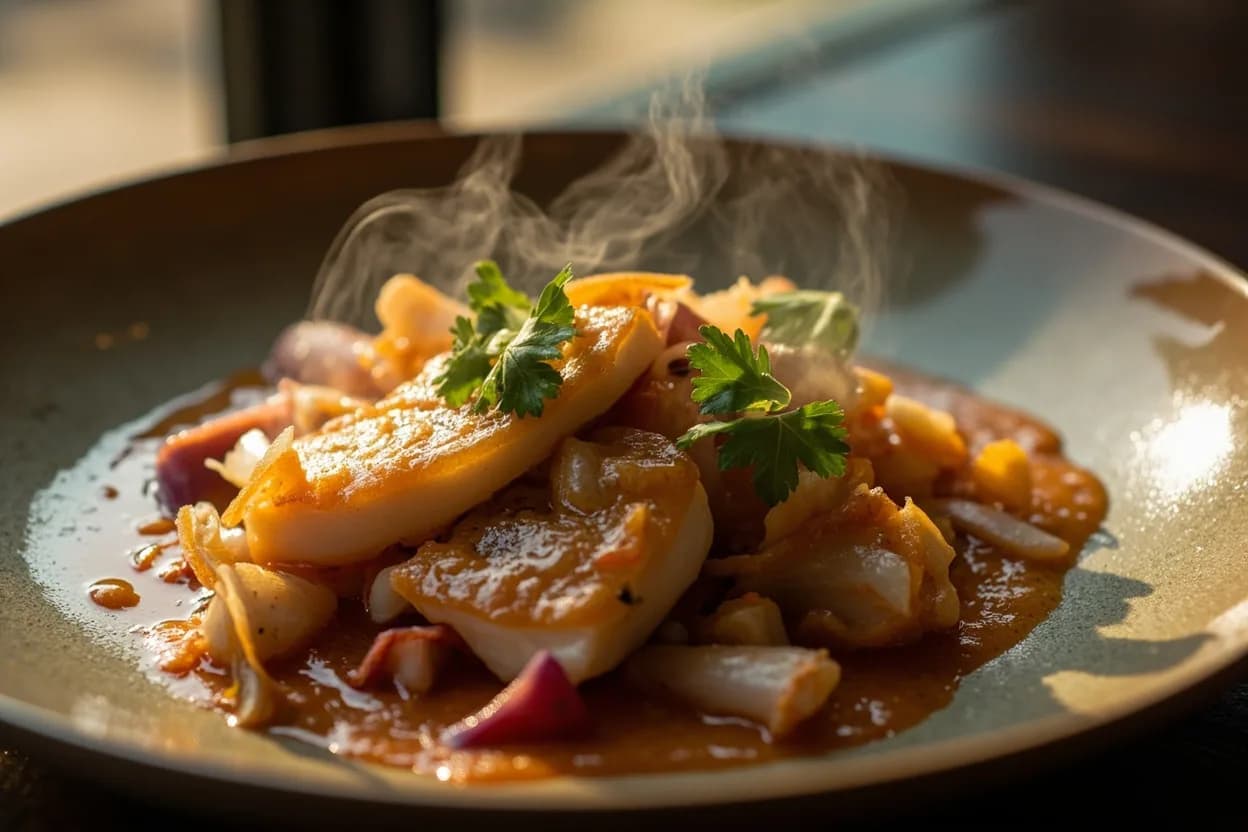
Related

Confit
Cook slowly submerged in fat for silky tenderness and keeping

Cure
Draw out moisture with salt and time to preserve and concentrate

Pickle
Steep in acidic brine for bright, tangy, crunchy preservation

Ferment
Let friendly microbes transform food into tangy, complex flavor

Marinate
Soak in a seasoned mix to flavor and tenderize before cooking

Brine
Soak in salt water so meat stays juicy and seasoned throughout

Dehydrate
Slowly dry out moisture to concentrate flavor and extend shelf life

Cold-Smoke
Perfume cured food with smoke without cooking it through