Heat & Fire
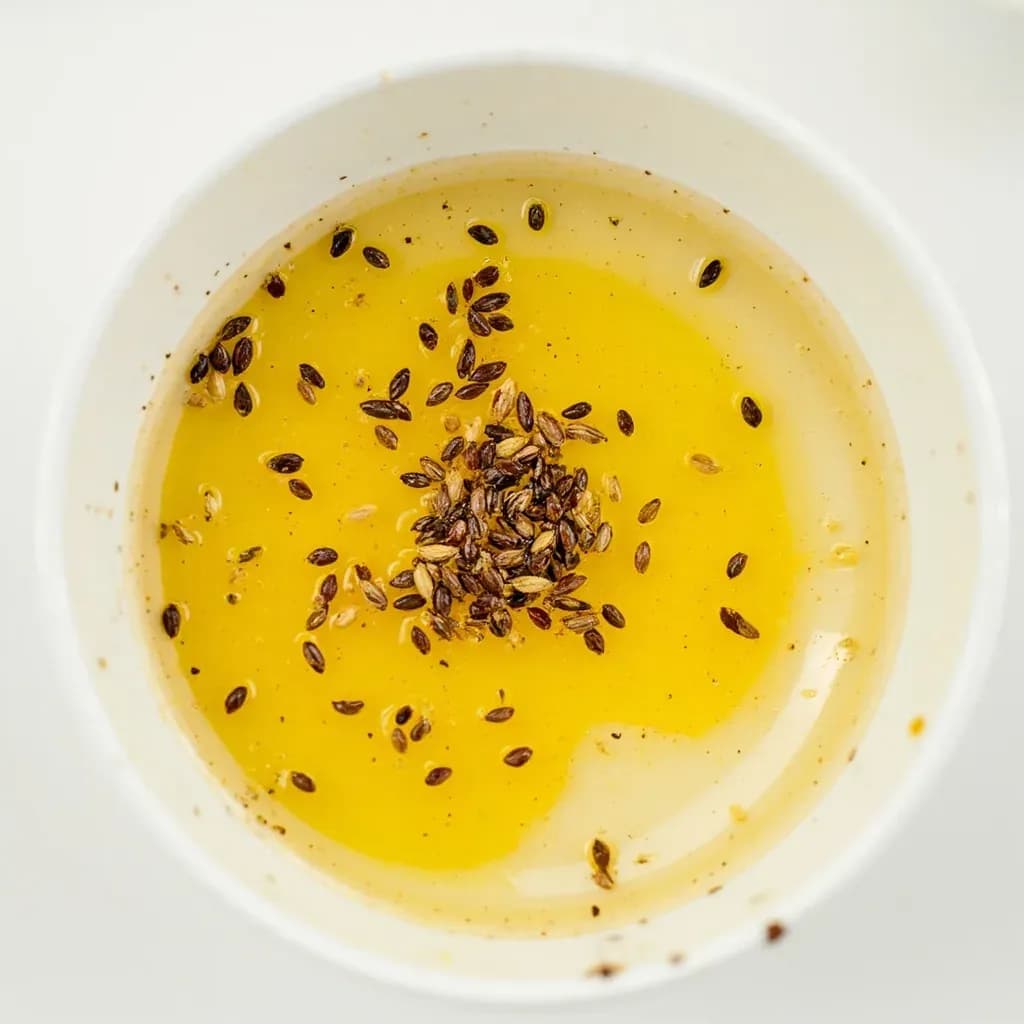
Blooming Spices in Oil
Frying whole or ground spices in hot fat to release their aroma and flavor.
Blooming spices toasts them briefly in hot oil or ghee so their fat-soluble aromatic compounds dissolve into the fat and intensify. It is the foundation of Indian tadka, where cumin, mustard seeds, and chilies sizzle in ghee before being poured over a dish. The spices should be cooked only until fragrant, as a few seconds too long turns them bitter and burnt.
Blooming spices in oil — also called tempering, tadka, chaunk, or phodni — is the practice of briefly frying whole or ground spices in hot fat to extract their fat-soluble aromatic compounds. Unlike water-based simmering, hot fat rapidly ruptures the seed coat and liberates volatile oils such as cuminaldehyde from cumin, allyl isothiocyanate from mustard, and linalool from coriander and fennel. The result is a deeper, rounder, more immediate aroma than any amount of dry-roasting or boiling can achieve.
The technique sits at the foundation of South Asian, Middle Eastern, Chinese, and parts of African and Latin American cooking, and mastering it is one of the highest-leverage skills in a home kitchen. A few seconds of well-timed contact between spices and fat can transform a flat dal, a quiet curry, or a plain pot of rice into something that smells and tastes of intention. The skill lives almost entirely in the timing: whole seeds need 5 to 30 seconds to release their aroma before they scorch, while ground spices can go from fragrant to bitter in as little as 5 to 15 seconds.
Food science now confirms what traditional cooks understood long ago — that fat dramatically increases the bioavailability of curcumin from turmeric, capsaicin from chilies, and many other active compounds in the spice rack. Blooming is therefore both a flavor step and a way of making a dish more nourishing. The whole exercise takes under two minutes per batch, is forgiving if you pay attention, and rewards repetition more than any special equipment.
- Difficulty
- Medium
Types & varieties
Hard seeds like cumin, mustard, fennel, nigella, fenugreek, or ajwain fried until they pop, darken, or release aroma
Ground turmeric, Kashmiri chili, cumin, coriander, or garam masala bloomed briefly in oil; very fast, with high burn risk
Spices dry-toasted in a pan with no fat before grinding or before oil is added — a related but distinct technique
Fresh curry leaves, dried chilies, garlic, ginger, asafoetida, or bay leaves bloomed alongside seeds for layered aroma
Classic finishing technique in North Indian and Mughlai cooking using ghee instead of oil; adds nutty depth
Traditional in Bengali, Bihari, and South Indian cooking; oil is heated to smoking point first to remove raw pungency
Standard in Kerala, Sri Lankan, and broader South Indian cooking; carries spice aroma into coconut-based dishes
Spiced oil poured over a finished dish (dal, khichdi, raita, soup) at the table for last-mile aroma
Spices bloomed at the start of cooking to build the foundation of a curry, stir-fry, or pilaf
How to do it
- 1
Choose your fat and spices
Select a fat appropriate to the cuisine: ghee for North Indian and Mughlai dishes, coconut oil for South Indian and Sri Lankan, mustard oil for Bengali, neutral vegetable oil for most other applications. Decide between whole seeds (best for clarity and texture), ground spices (best for even dispersion and color), or a combination.
- 2
Heat the fat in a small pan
Place 1–4 tablespoons of fat in a small heavy-bottomed skillet or tempering ladle over medium heat. Allow it to warm until shimmering or until a single test seed sizzles immediately on contact. The fat should be hot but not smoking.
- 3
Add whole spices in order of density
Drop in the hardest seeds first — fenugreek, mustard, or cumin — and listen for the first pop or sizzle. Within seconds, add medium seeds like coriander or fennel, then softer aromatics such as nigella, ajwain, or panch phoron blends.
- 4
Add aromatics and ground spices
Once whole seeds have darkened slightly and released their aroma (usually under 30 seconds), add sliced garlic, ginger, dried red chilies, curry leaves, or bay leaves, followed immediately by ground spices like turmeric, Kashmiri chili, or garam masala. Bloom ground spices for only 5–15 seconds.
- 5
Watch for the visual cues
Mustard seeds will pop and sputter. Cumin turns a shade darker and becomes fragrant. Curry leaves crisp. Turmeric releases its color into the oil. The moment you smell full aroma, the tempering is ready.
- 6
Pour into the target dish
Working quickly, pour the bloomed oil and spices over the finished dish, into the base of a simmering curry, or over rice. The sizzle and steam are part of the effect. For maximum impact, finish at the table.
The science: why fat changes everything
Spice flavor lives mostly in fat-soluble compounds — essential oils, oleoresins, and pigments that do not dissolve readily in water. When whole seeds hit hot oil, the thermal shock cracks their seed coat and the fat acts as a solvent, drawing these compounds out in seconds. The same compounds released by simmering in water take far longer to extract and produce a flatter, less aromatic result. Blooming also matters nutritionally: curcuminoids in turmeric, capsaicinoids in chilies, and allyl isothiocyanate in mustard seeds are all markedly more bioavailable when paired with fat — a fact modern research has caught up to but traditional kitchens understood long ago.
- Cumin: cuminaldehyde — earthy, warm, slightly bitter
- Mustard seed: allyl isothiocyanate — sharp, pungent, sinus-clearing
- Coriander and fennel: linalool — floral, citrusy, sweet
- Turmeric: curcuminoids — golden pigment and active antioxidant
- Chilies: capsaicinoids — heat plus the warming aroma that bloomed chilies release
Common uses
Tips & pitfalls
- Heat the oil until a test seed crackles instantly on contact — too cool and the spices absorb oil and turn gummy; too hot and they scorch before flavor releases.
- Add whole spices in order of density: hardest seeds first (fenugreek, mustard), then cumin, fennel, and nigella; soft aromatics like curry leaves and garlic go in last.
- Stand by with the target dish ready before you start — bloomed spices should be poured within 10–20 seconds of being added to hot oil.
- Cover the pan briefly when adding curry leaves or dried chilies; the trapped steam intensifies aroma and prevents splatter.
- Use a small ladle (a true tadka ladle with a long handle) to sizzle and pour — it concentrates heat in a small amount of oil.
- Bloom ground spices only for 5–10 seconds; they go from fragrant to bitter in moments.
- If a tempering burns, discard it and start over — there is no rescuing scorched oil or spices.
- Bloom in ghee for a nuttier, more rounded flavor; bloom in neutral oil when you want the pure spice character to dominate.
Good to know
- Also known as
- Tempering, tadka, tarka, chaunk, vaghaar, phodni
- Typical fat
- Neutral oil (vegetable, canola, sunflower), ghee, mustard oil, coconut oil, or butter depending on cuisine
- Optimal oil temperature
- Around 150–180°C (300–350°F); hot enough to sizzle immediately, cool enough to avoid scorching
- Whole seed blooming time
- 5–30 seconds once spices hit the oil
- Ground spice blooming time
- 5–15 seconds; burns rapidly
- Equipment
- Small heavy-bottomed skillet, tempering ladle (tadka ladle), or small saucepan
- Key flavor compounds released
- Cuminaldehyde (cumin), allyl isothiocyanate (mustard), linalool (coriander/fennel), thymol (ajwain), curcuminoids (turmeric)
- Storage of leftover bloomed oil
- Refrigerate up to 1 week in a sealed jar; reheat gently before use
Also called
Tempering Spices · Tadka · Tarka
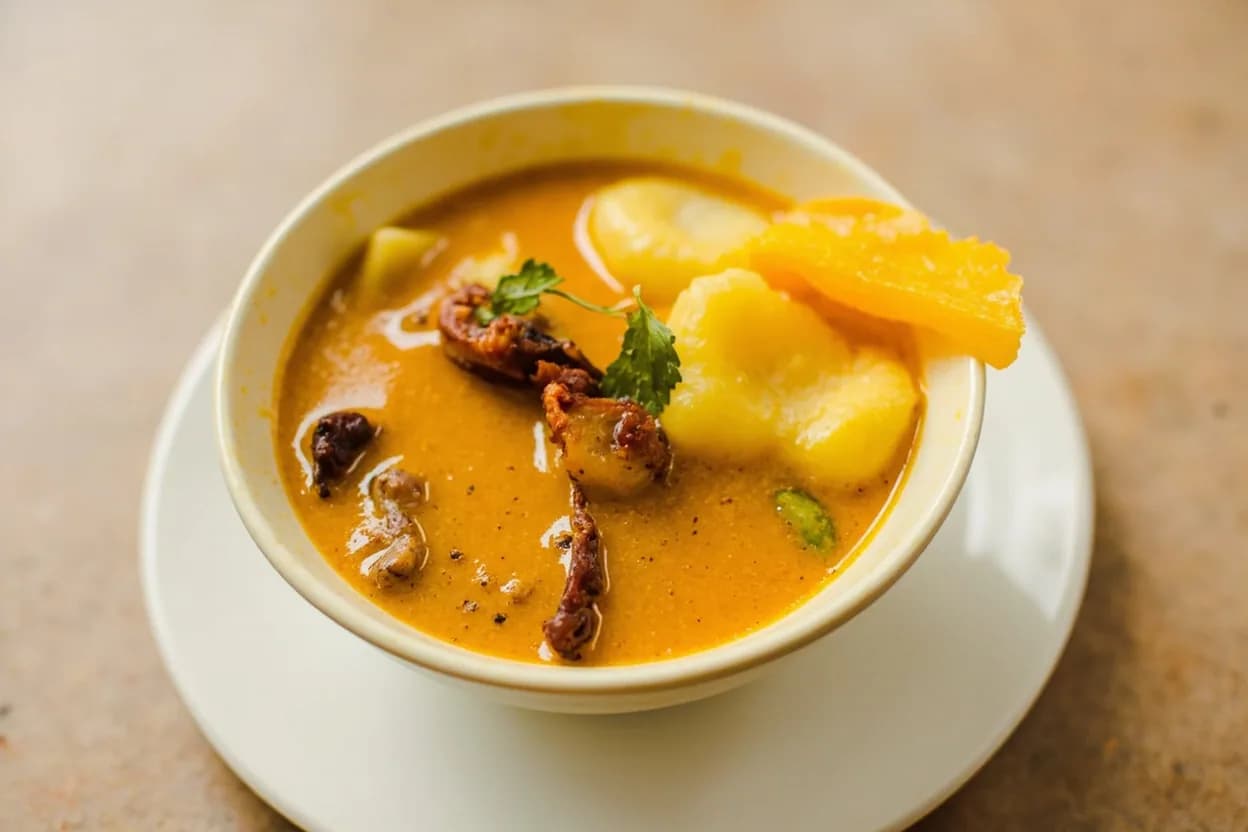
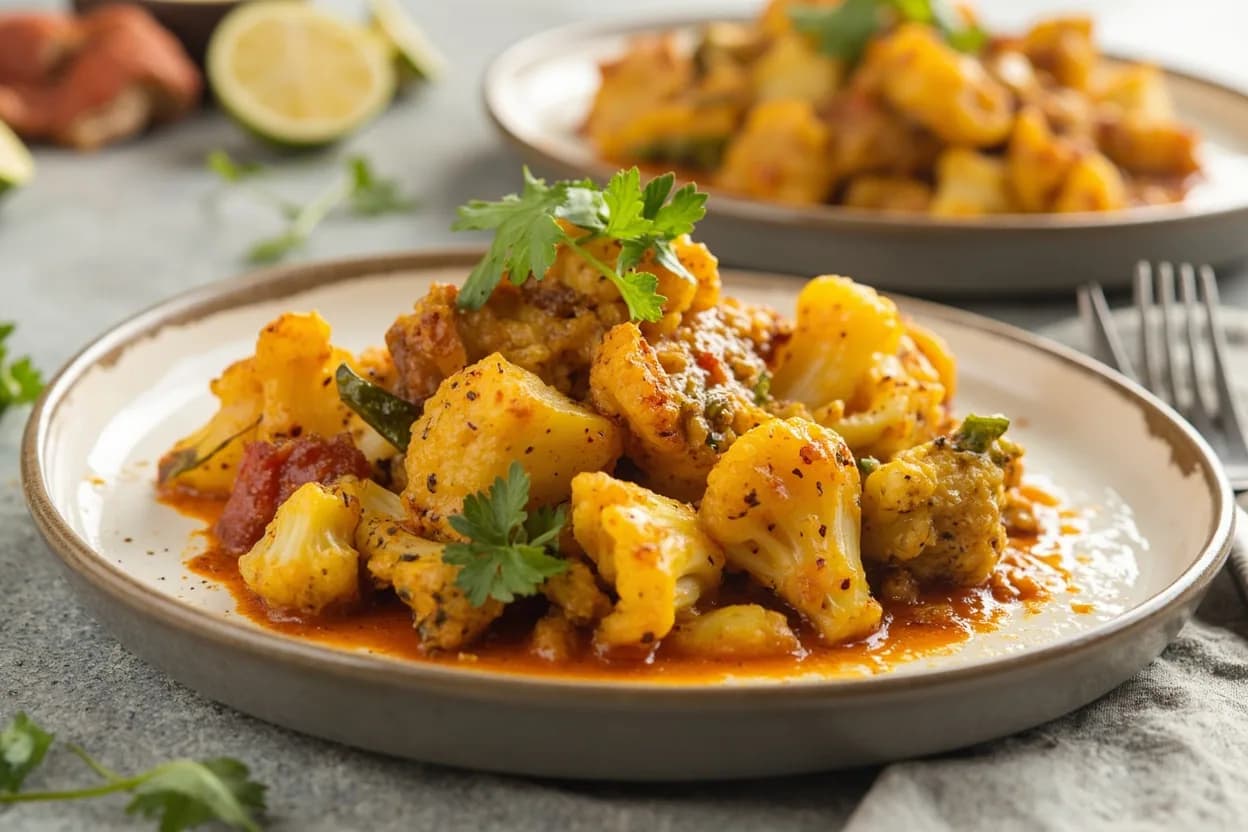
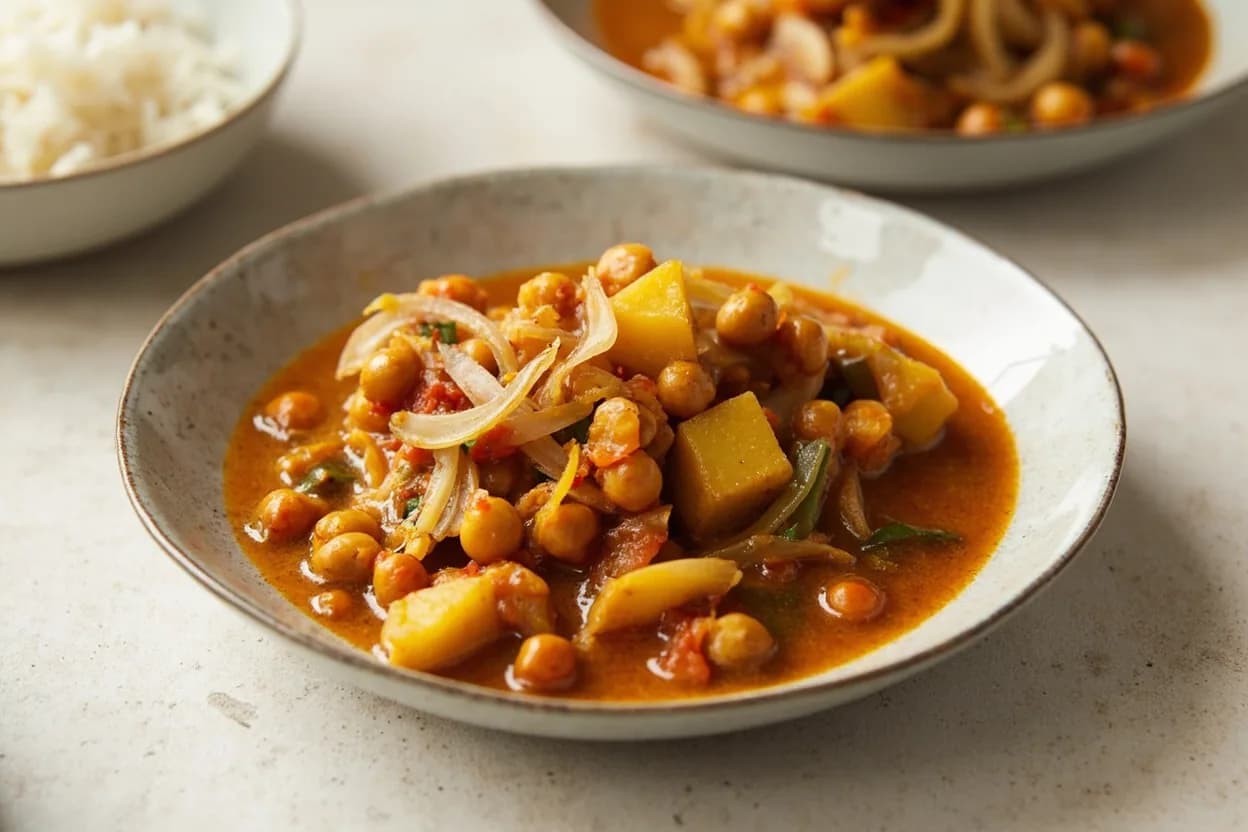
Dishes that rely on it
Related

Sear
Blast the surface hot for a deep-browned, savory crust

Sauté
Cook quickly in a little fat over lively heat, tossing as you go

Stir-Fry
Toss bite-sized pieces over roaring heat for fast, smoky cooking

Pan-Fry
Crisp food in a shallow layer of hot fat, turning once or twice

Deep-Fry
Submerge in hot oil for an all-over crackling crust

Roast
Cook uncovered in dry oven heat for browned edges and tender centers

Bake
Cook with steady, surrounding oven heat — the soul of bread and pastry

Broil
Hit food from directly above with fierce overhead heat