Water & Steam
Fumet (Fish Stock) Making
Gently simmering fish bones and aromatics into a delicate, light stock.
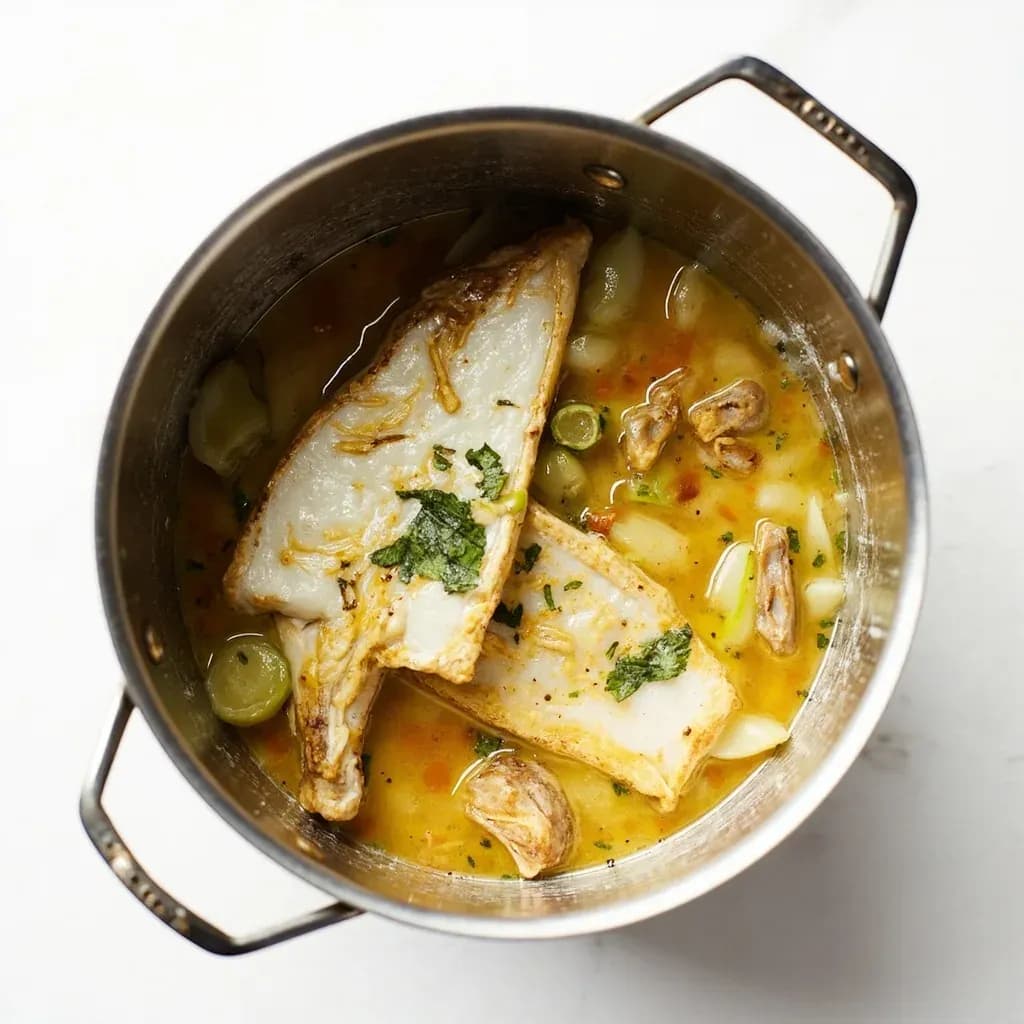
Fumet is a quick, lightly aromatic fish stock made by sweating bones and trimmings with onion, leek, and wine before barely simmering them for a short time. Unlike meat stock, fumet cooks only 20 to 30 minutes to keep it clean and avoid bitterness or cloudiness. It forms the base for fish soups, sauces, and risottos and should never be boiled hard.
Fumet is the lightest, most refined of all culinary stocks — a quick-cooking, wine-accented broth built from the bones of lean white-fleshed fish. The name is French for "aroma," which tells you almost everything about what this stock is meant to do: carry perfume rather than weight. Where a chicken or beef stock is simmered for hours to extract deep collagen and body, fumet is deliberately short — 20 to 30 minutes from cold to finished — because fish bones are small, porous, and quick to give up their flavor. Push past that window and the same bones that yielded clean, briny perfume start leaching bitter, chalky compounds that no amount of skimming can undo.
What separates fumet from a generic fish stock is restraint. There is no roux, no long reduction of vegetables, no aggressive simmer. Bones, cold water, a splash of dry white wine, a little mirepoix, parsley stems, a bay leaf, and peppercorns are brought up to a bare, lazy simmer, skimmed, and strained within half an hour. The result is a clear, pale, faintly golden liquid with a clean sea smell — exactly the kind of building block that lets a beurre blanc, a fish velouté, or a delicate seafood risotto shine without competing for attention. It is the stock you reach for when fish is the point of the dish, not a backdrop for it.
Fumet is also, in practical terms, one of the most forgiving and least forgiving stocks a cook can make. Forgiving because the cook time is short and the ingredient list is small. Unforgiving because the difference between a perfect fumet and a cloudy, fishy one comes down to a few degrees of temperature and a few minutes of clock. A bare simmer, not a boil. Twenty-five minutes, not fifty. Strained by gravity, never pressed. Honored, in other words, for what it is: a delicate thing made fast.
- Difficulty
- Medium
Types & varieties
The classical version — fish bones, cold water, dry white wine, mirepoix, parsley stems, bay leaf, and white peppercorns; the standard base for delicate fish sauces.
Water-based with no wine; lighter and more neutral, used when wine would clash with the final dish or when the cook wants the cleanest possible flavor of the fish itself.
Simmered-down version reduced by about a third after straining; intensely flavored and used in classical kitchens as the base for rich Normandy-style and suprême sauces.
How to do it
- 1
Select and prepare the bones
Start with 3–4 lb of bones and trimmings from a single lean, white-fleshed fish such as sole, turbot, halibut, cod, haddock, or sea bass. If using heads, cut off and discard the gills and eyes, and trim away any dark belly membrane or blood line along the spine. Rinse the bones under cold running water and drain well.
- 2
Combine bones, liquid, and aromatics cold
Place the bones in a wide, heavy-bottomed stockpot. Add cold water to cover by about 1 inch (roughly 1.5–2 quarts). Add 1 sliced onion, 1–2 stalks of celery, 1 leek (white part only, washed and sliced), a small handful of parsley stems, 1 bay leaf, 6–8 white peppercorns, and 1 cup dry white wine. Starting cold lets impurities rise slowly so they can be skimmed away cleanly.
- 3
Bring up to a bare simmer
Place the pot over medium-low heat and warm gradually. As the temperature climbs, a grayish foam will collect on the surface — skim it off with a flat spoon or fine skimmer before the liquid boils. The target is a barely-moving surface with a few lazy bubbles breaking here and there, never a rolling simmer.
- 4
Skim and simmer gently
Hold the fumet at this gentle simmer, uncovered or with the lid slightly ajar, skimming as needed, for 20–30 minutes. Total cook time should not exceed 45 minutes. Beyond that, the bones release calcium and bitter compounds, and the delicate aroma turns muddy.
- 5
Strain without pressing
Set a fine-mesh strainer over a clean pot or heatproof bowl; for extra clarity, line it with a single layer of damp cheesecloth. Pour the fumet through and let it drain by gravity. Do not press or stir the solids — squeezing the bones forces fat and sediment back into the stock and clouds it.
- 6
Cool rapidly and store
Set the pot of strained fumet into a larger bowl of ice water and stir occasionally until it drops below 70°F. Transfer to a covered container, leaving a small headspace. Refrigerate for up to 2–3 days, or freeze in measured portions for up to 3 months. Salt only at the moment of use.
Fumet vs. Court-Bouillon
These two liquids look similar and are sometimes confused, but they are built for different jobs and behave differently in the pan. Fumet is a wine-based stock, cooked briefly and strained, designed to be a building block for sauces and soups. Court-bouillon is an acidic poaching liquid — typically water with vinegar or lemon juice, plus mirepoix and bouquet garni — used to cook whole fish or large pieces of seafood gently, then largely discarded. The acid in court-bouillon firms the flesh and seasons it from the outside; the wine in fumet extracts flavor from bones for further cooking. Reach for fumet when you need a liquid to build from; reach for court-bouillon when you need a bath to cook in.
A Note on Salmon Heads
Salmon is technically a fatty fish and not classical fumet material, but it has become a common exception in modern kitchens. A fumet made from salmon heads and frames will be richer, slightly pink, and noticeably more pronounced in flavor than a classic sole or cod fumet. Many cooks embrace this as a separate category — a salmon fumet, used for salmon-based sauces and chowders, rather than a substitute for a white-fumet base. If you go this route, keep the simmer time on the short end (around 20 minutes) and skim with extra care; salmon releases oil faster than lean white fish.
Common uses
Tips & pitfalls
- Start in cold water — slow heating draws out proteins gradually so they can be skimmed away for a clear stock.
- Never let the stock boil, even briefly; a true bare simmer is the difference between a glossy clear fumet and a cloudy one.
- Do not stir once simmering — agitation breaks the calm surface and emulsifies fat into the stock.
- Use bones from a single species of white fish when possible; mixing species muddles the flavor into something generic.
- Ask the fishmonger to save bones when buying fillets, or break down whole fish yourself — the head, frame, and tail carry the most flavor.
- Remove gills, eyes, and the dark belly membrane from any heads; they impart bitter, muddy notes.
- Skip the salt until the end — fumet is a building block, and oversalting limits how it can be used later.
- Strain without pressing the solids; pressing releases fat and sediment that cloud the stock.
- Cool the strained fumet rapidly over an ice bath, not just by leaving it on the counter — both clarity and food safety suffer from a slow cool.
- Make a small batch — fumet loses its delicate character past 30 minutes, so an oversized pot of bones goes flat.
- If the stock smells fishy rather than briny and clean, it has been overcooked or made with the wrong fish — start over, do not try to fix it.
- Freeze fumet in 1-cup portions so you can pull exactly what a recipe needs.
Good to know
- Origin
- French classical cuisine; fumet literally means "aroma" or "smell" in French
- Best bones
- Lean, white-fleshed fish — sole, turbot, halibut, cod, haddock, sea bass, snapper, flounder
- Avoid
- Oily fish (mackerel, sardines, bluefish, herring) and dark-fleshed species — their oils turn the stock cloudy and bitter
- Simmer time
- 20–30 minutes total; never longer than 45 minutes
- Temperature
- Bare simmer only — boiling emulsifies fat and clouds the stock
- Ratio
- 3–4 lb bones to roughly 1.5–2 quarts cold water, with about 1 cup dry white wine
- Yield
- Approximately 1–1.5 quarts finished fumet from 3–4 lb bones
- Salting
- Traditionally unsalted during cooking; seasoned only at the moment of use to keep the stock versatile
- Storage
- Refrigerate up to 2–3 days or freeze up to 3 months in measured portions
- Difficulty
- Intermediate — short cook time, but very sensitive to heat and duration
Also called
Fish Stock · Fish Fumet
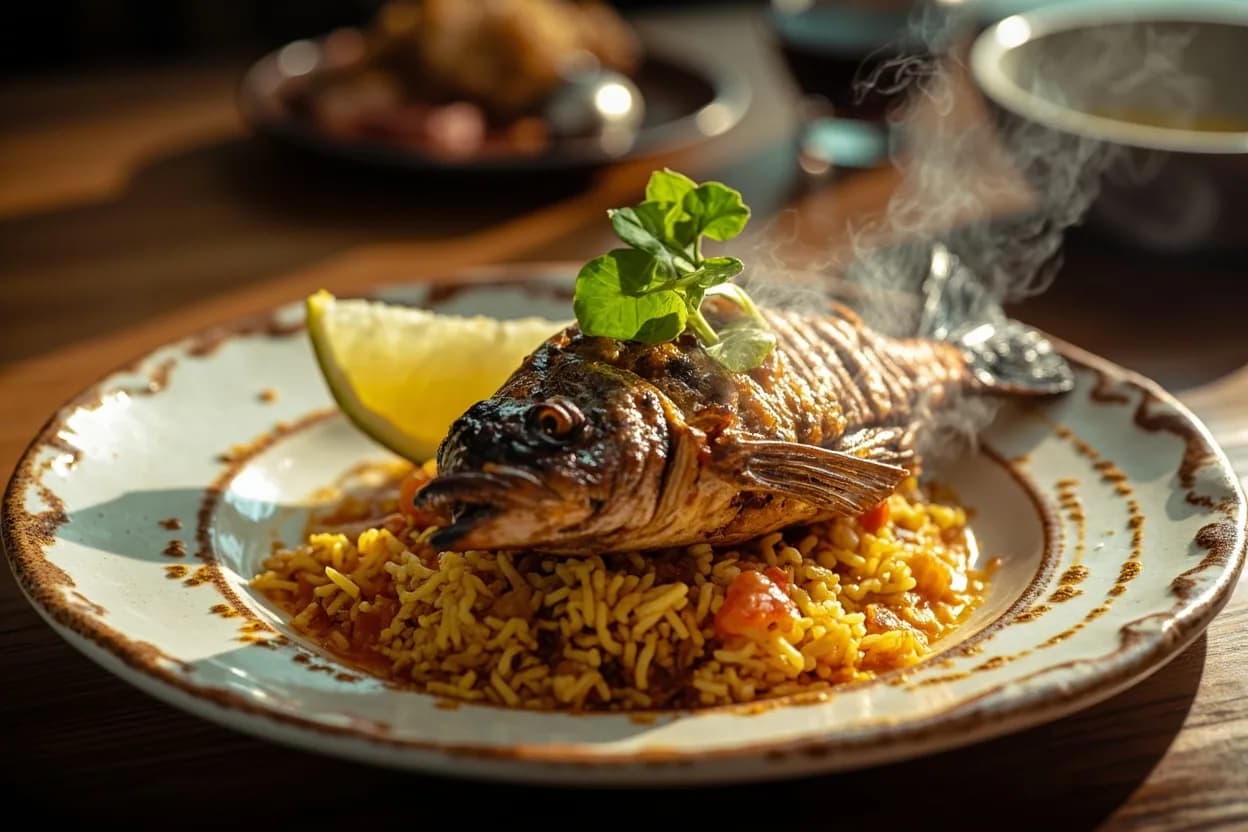
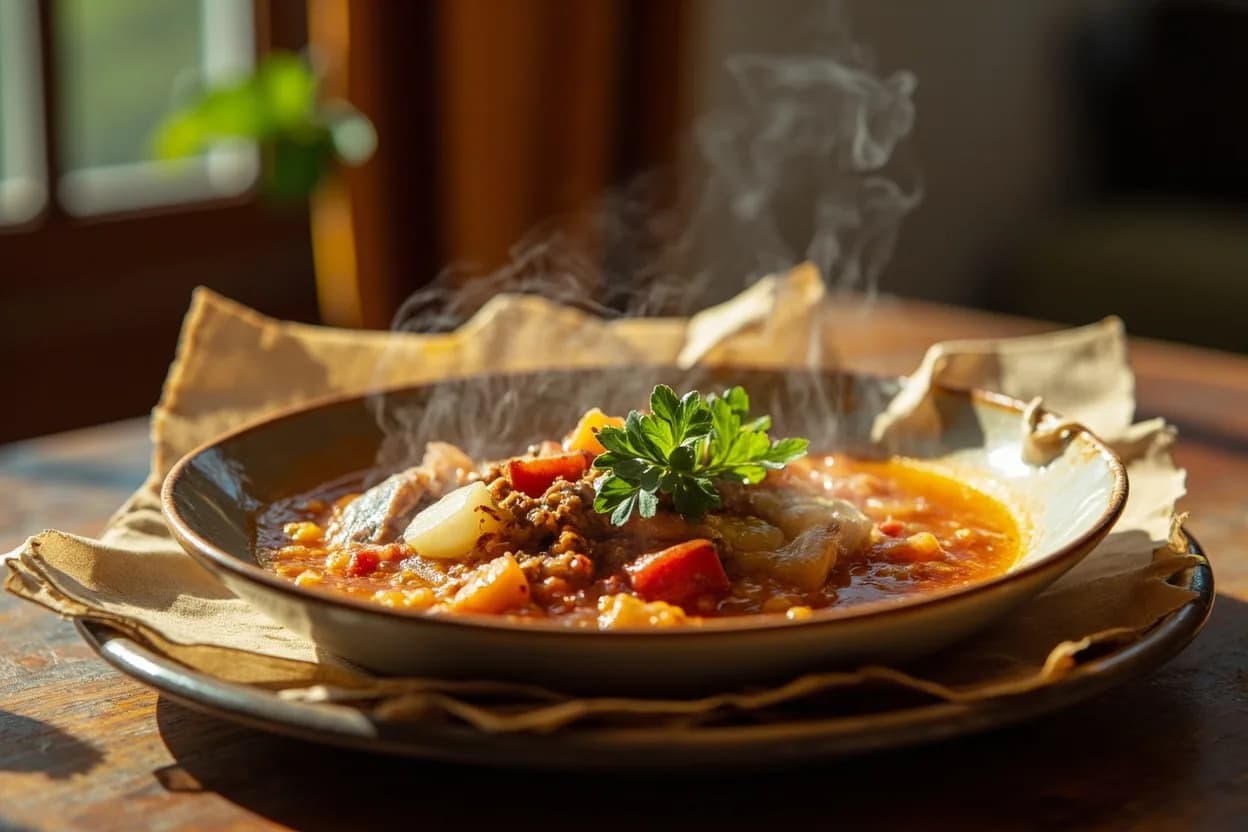
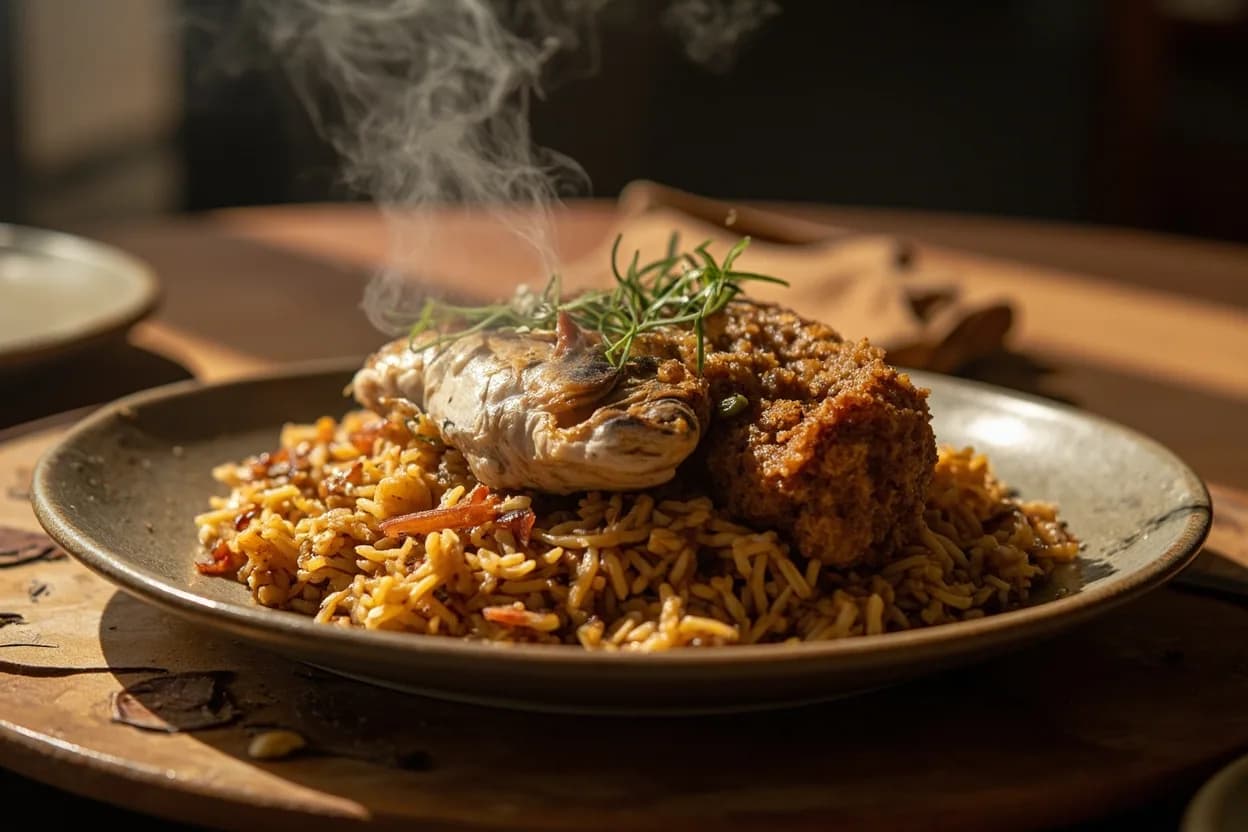
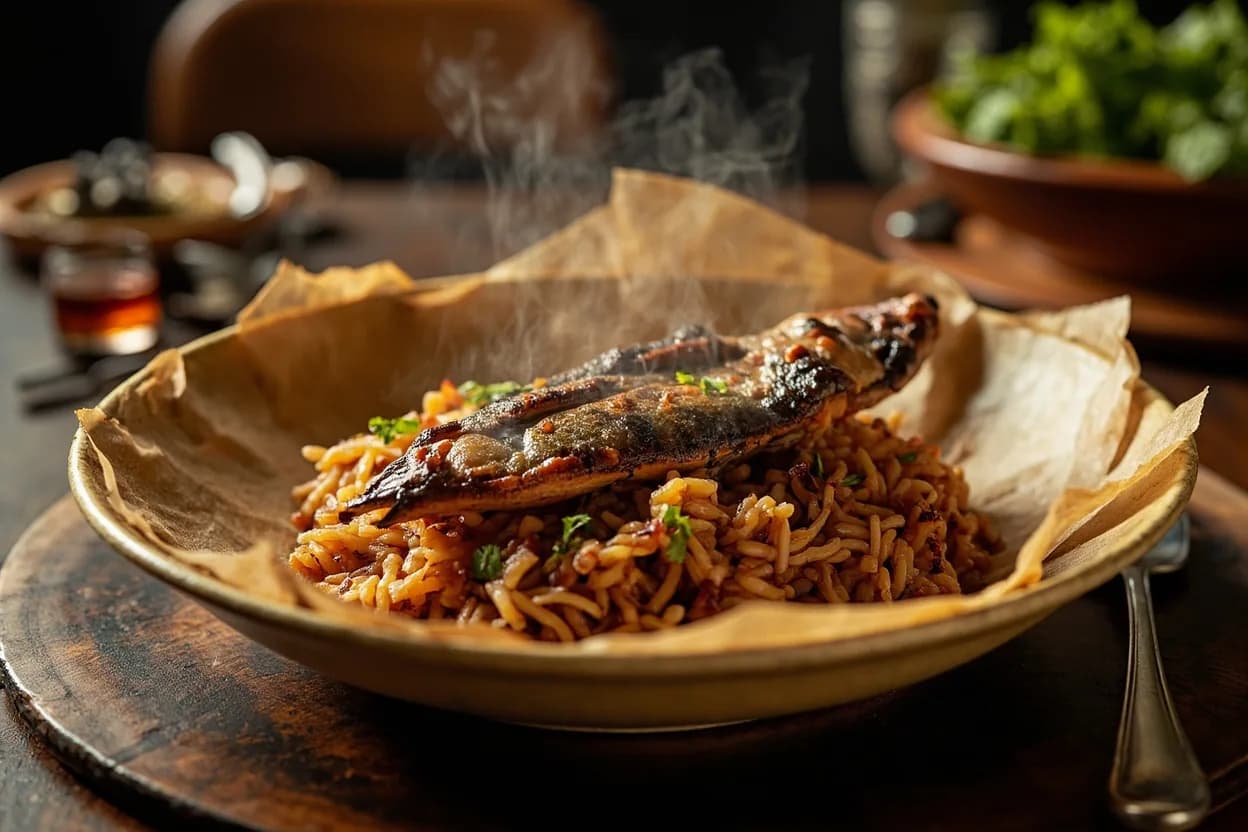
Dishes that rely on it
Related

Boil
Cook in vigorously bubbling liquid at full rolling heat

Simmer
Hold liquid at a gentle shimmer for tender, unhurried cooking

Poach
Cook gently in barely-trembling liquid for silky, tender results

Steam
Cook in rising vapor to keep color, nutrients, and shape intact

Blanch
Plunge briefly in boiling water, then shock cold to lock color

Braise
Sear, then cook slow in a little liquid until fall-apart tender

Stew
Simmer bite-sized pieces fully submerged into a rich, unified pot

Sous-Vide
Seal and cook in precise warm water for edge-to-edge doneness