Prep & Assembly
Overnight Soaking
Steeping grains, legumes, seeds, or oats in liquid for hours to hydrate and soften them.
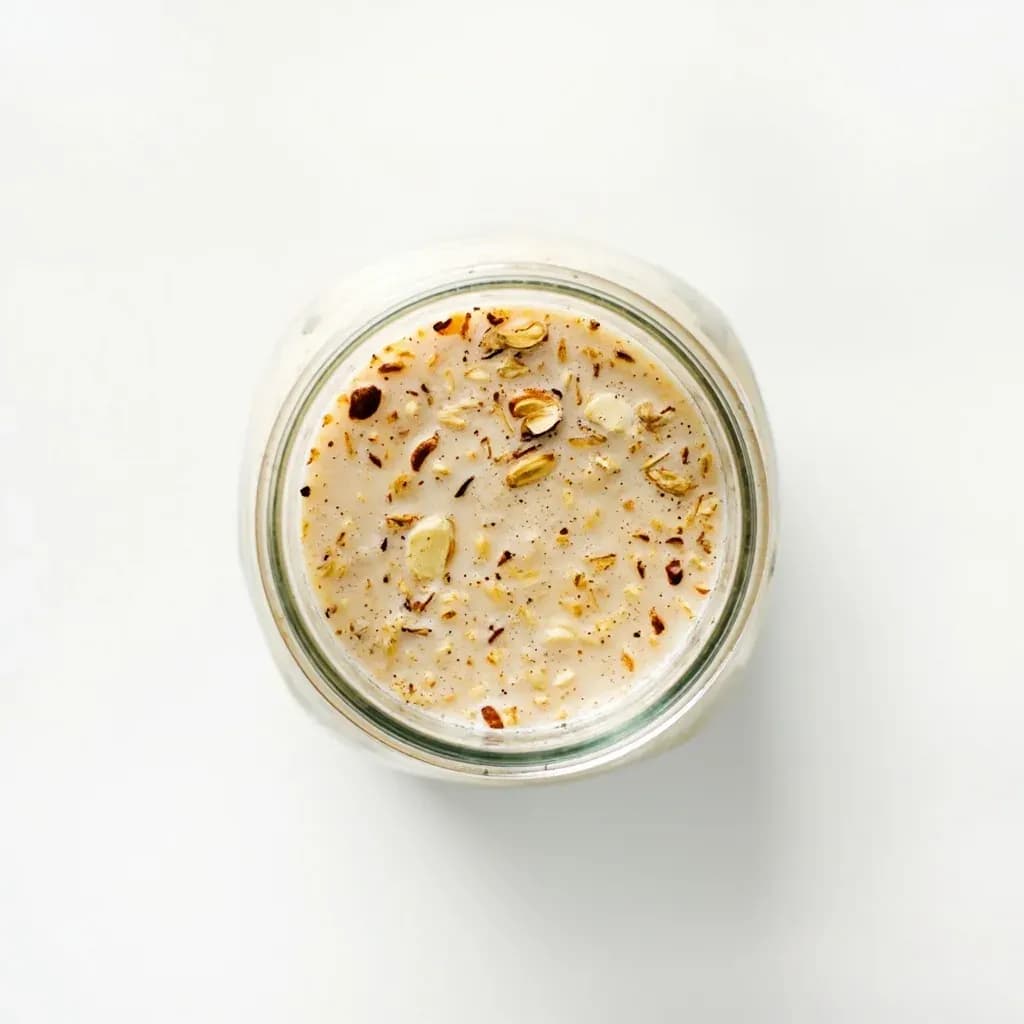
Overnight soaking submerges dried ingredients like beans, grains, chia, or oats in water or milk for several hours so they fully hydrate before cooking or eating. It shortens cook times, softens texture, and for legumes helps break down indigestible sugars and phytic acid that cause bloating. Soaked oats and chia swell into a ready-to-eat pudding, while soaked beans cook more evenly and gently.
Overnight soaking is the simplest piece of prep in the kitchen: submerge dried legumes, grains, seeds, or oats in liquid, walk away for 8–12 hours, and return to a hydrated ingredient that cooks faster, more evenly, and often more digestibly than its dry counterpart. It works because dried seeds are essentially dormant packets of starch and protein wrapped in a tough seed coat; given time and water, they absorb moisture through that coat, swelling the interior until it softens enough to cook through without a hard center.
The practical payoff is real. A soaked bean cooks in a third to half the time of an unsoaked one, with creamier interiors and fewer split skins. Whole grains like farro, spelt, and wheat berries can drop from a 30–45 minute simmer to about 20, and overnight oats need no cooking at all. Soaking also leaches oligosaccharides such as raffinose and stachyose — the sugars that cause flatulence in beans — into the soak water, and it begins to break down phytic acid modestly, which can otherwise bind minerals and slow their absorption. A long soak is, in effect, a head start on cooking disguised as a passive step.
The two variables that matter most are temperature and water chemistry. Cool water (under 70°F/21°C) is the safe default; warmer water speeds the process but invites fermentation and off flavors if the soak stretches past a few hours. Salt and acid both slow water uptake through the seed coat, so they lengthen total time even as they season. For most kitchens, the simplest rule covers almost every case: cover the ingredient with plenty of cool water, refrigerate 8–12 hours, drain, rinse, and cook in fresh water.
- Difficulty
- Easy
Types & varieties
The classic method: dried item submerged in cool water 8–12 hours. Best for beans, chickpeas, whole grains, and steel-cut or rolled oats.
Same as the cold-water method but held at 38–40°F (3–4°C); recommended in warm climates or for anything soaking beyond 8 hours. Produces cleaner, sweeter flavor.
1–2 tablespoons kosher salt per quart of water. Some cooks report plumper skins and more even cooking; salt does slow initial water uptake, so it lengthens total soak time slightly.
Water with a splash of vinegar, whey, lemon juice, or buttermilk. Common for buttermilk-soaked grains or pickled preparations. Acid noticeably slows softening, so reserve it for items that don't need to become tender.
About 1/16 teaspoon per quart for very old, hard-to-soften beans. Raises pH of the seed coat and speeds water penetration. Too much turns beans mushy and soapy-flavored; do not combine with salt.
Overnight oats, bircher muesli, and similar breakfast preparations use dairy or plant milk — often with yogurt, fruit, and sweetener — for both hydration and flavor.
Used for grains destined for pilafs or grain salads to begin seasoning them from within.
How to do it
- 1
Sort and rinse
Spread the dried ingredient on a sheet pan or in a wide bowl and pick out any debris, shriveled pieces, or off-color items. Transfer to a fine-mesh strainer and rinse under cool running water until the water runs clear.
- 2
Choose the right vessel
Use a non-reactive bowl, jar, or pot (glass, stainless, ceramic, or food-grade plastic) large enough to hold the dry ingredient plus 3–4 times its volume in water. Reactive metals like aluminum or copper can discolor beans and impart a metallic taste.
- 3
Cover with cold water
Add cool (60–70°F) water at 3–4 times the volume of the dry ingredient. Optionally add 1–2 tablespoons kosher salt per quart for a salt-brine soak; skip salt if speed matters. Do not add vinegar, citrus, tomatoes, or other acid at this stage.
- 4
Cover and rest
Cover the vessel with a lid, plate, or plastic wrap. Leave at cool room temperature (under 70°F) for 8–12 hours, or refrigerate for 12–24 hours. In warm kitchens or for long soaks, the refrigerator is the safer choice.
- 5
Check hydration
Well-soaked beans and chickpeas are visibly plump and split easily between thumb and forefinger with no hard center. Whole grains should be tender to the bite with a slight chew, and oats should be soft and creamy.
- 6
Drain, rinse, and proceed
Pour the contents into a colander, drain off the soaking liquid, and rinse well under cool water. Cook in fresh water, or — for oats and breakfast grains — stir in the remaining ingredients and serve or chill.
Water chemistry: salt, acid, baking soda, and hard water
Four water-related variables meaningfully change how a soak behaves, and most home cooks discover them only by accident. Understanding them turns a rote overnight step into a deliberate choice.
- Salt slows initial water uptake by tightening the seed coat proteins. The benefit is seasoning and, anecdotally, plumper beans; the cost is a slightly longer soak. Add salt to the cooking water if speed matters.
- Acid (vinegar, citrus, tomato, wine) slows softening noticeably, sometimes dramatically. It is best reserved for soaks where tenderness is not the goal — pickled preparations, buttermilk-soaked oats, flavoring grains for a salad.
- Baking soda raises the pH of the seed coat and lets water in faster. Useful for very old beans that refuse to soften, but easy to overdo: excess soda turns the texture mushy and the flavor soapy. Use well under 1/8 teaspoon per quart, and never in combination with salt.
- Hard water (high in calcium and magnesium) can slow softening. If beans stay tough despite a long soak, try filtered water or add a tiny pinch of baking soda to the cook water, not the soak.
Common uses
Tips & pitfalls
- Sort and rinse the dried product first: pick out shriveled, split, or discolored pieces and any small stones; a float-and-skim in cool water lifts fines.
- Use plenty of water — at least 3–4 times the volume of the dry ingredient — because most expand substantially overnight.
- Cover the container. Ants, dust, and airborne yeasts find uncovered soaks quickly; a plate, lid, or cheesecloth is enough.
- In a warm kitchen, soak in the refrigerator rather than on the counter. Above roughly 70°F (21°C), bacteria and wild yeasts can ferment the water within hours, producing off flavors and a sour smell.
- Discard the soaking water for beans, chickpeas, and most grains. The liquid leaches the gas-causing oligosaccharides and can taste flat or bitter; reserve it only for very mild grains or for a stock you intend to cook further.
- Don't add salt or acid to the soak if you want the fastest rehydration; both slow water uptake through the seed coat. Add salt to the cooking water instead.
- A pinch of baking soda (under 1/8 teaspoon per quart) helps only very old, stubborn beans; overdo it and the texture turns mushy and the flavor soapy.
- Don't soak legumes more than about 24 hours even in the refrigerator; beyond that they begin to ferment and lose their shape.
Good to know
- Typical duration
- 8–12 hours overnight; shorter hot-water soaks of 1–2 hours exist but operate by different kinetics.
- Liquid-to-dry ratio
- About 3:1 to 4:1 by volume; dried legumes roughly double and grains swell 1.5–2×.
- Water temperature
- Cold or cool (under 70°F/21°C) for the traditional overnight method; refrigerate if the kitchen is warm or the soak exceeds 8 hours.
- Effect on cooking time
- Cuts legume cook time by roughly 30–50% and yields more even texture.
- Effect on digestibility
- Lowers oligosaccharides (raffinose, stachyose) that cause gas; discard the soak water to remove them.
- Effect on phytic acid
- Reduces phytic acid modestly; full deactivation usually requires longer sprouting.
- Storage of soaked product
- Drained, covered, and refrigerated; use within 24 hours for safety, or freeze for longer keeping.
- Food safety note
- Soaking at room temperature above ~70°F for more than 4 hours risks fermentation and bacterial growth; cold soaking is safer.
Also called
Soaking Oats · Soaking Chia · Pre-soaking
Dishes that rely on it


Related

Whisk
Beat ingredients smooth and aerated with a looping wire motion

Sift
Pass dry ingredients through mesh to aerate and remove lumps

Strain
Pour through mesh to separate solids from liquid for a smooth result

Filter
Pass liquid through fine material to clarify out the smallest particles

Rice
Press cooked potatoes through small holes for fluffy, lump-free texture

Mash
Crush soft cooked food into a rustic, creamy purée

Grind
Crush food into a coarse to fine texture, from spices to meat

Grate
Shred food into fine bits against a sharp-toothed surface