Transform & Preserve
Kettle Souring
Quickly acidifying beer wort with Lactobacillus before boiling to make a tart, sour brew.
Kettle souring is a brewing technique where unhopped wort is inoculated with Lactobacillus and held warm for a day or two to drop the pH and develop a clean, lemony tartness. Once the desired sourness is reached, the wort is boiled to kill the bacteria before regular fermentation, giving a controlled, fast sour beer. It is favored for Berliner Weisse and Gose because it is faster and more predictable than barrel souring.
Kettle souring is the brewer's shortcut to clean lactic acidity. After mashing and collecting the wort, you cool it into the warm-souring range (roughly 95–115°F), pitch Lactobacillus — most commonly L. plantarum or L. brevis — and let the bacteria convert sugars into lactic acid directly inside the kettle. Once the pH drops to the target for your style, a vigorous boil halts the bacteria, sterilizes the wort, and lets you proceed exactly as you would with any clean ale: pitch neutral yeast, ferment, condition, package. The technique turns what used to require months or years of barrel aging into a two- or three-day affair.
The result is a distinctly lactic, bright sourness — sharper and more one-dimensional than the layered complexity of mixed-fermentation or wood-aged beers, but also cleaner and more predictable. Berliner Weisse, Gose, fruited contemporary sours, and quick mixed-fermentation bases all lean on kettle souring because the brewer controls the timeline rather than the microflora controlling it. For home and craft brewers who want tart beer without dedicating fermenters to long-term sour programs, kettle souring is the most accessible path there is.
The trade-off is honesty: kettle souring delivers acidity fast, but it cannot manufacture the funk, brett, horsey phenolics, or sherry-like depth that time and wild microbes produce. Treat it as a precise, repeatable tool for building a sour backbone, not a substitute for the patient work of a foeder or a solera.
- Difficulty
- Hard
Types & varieties
Classic German wheat-beer approach; moderate sour, light body, sometimes finished with lactic acid for layered acidity.
Lacto-driven sour with added salt and coriander; kettle souring fits the historical process and lands around pH 3.4.
Modern craft category; often soured lower (pH ~3.0–3.2) and conditioned with fruit purée or concentrate.
Older method relying on lactobacilli already present in malt; unpredictable, less common today.
Budget homebrew method using unpasteurized live yogurt as the lacto source; works, but slower and less consistent than a pure culture.
How to do it
- 1
Mash and collect wort
Mash in as usual for your base style — often a high proportion of wheat for Berliner Weisse or Gose. Collect the sweet wort and bring it to a brief 5–10 minute boil, or simply hold it hot, to sanitize the kettle and break down any DMS precursors.
- 2
Cool wort to the lacto range
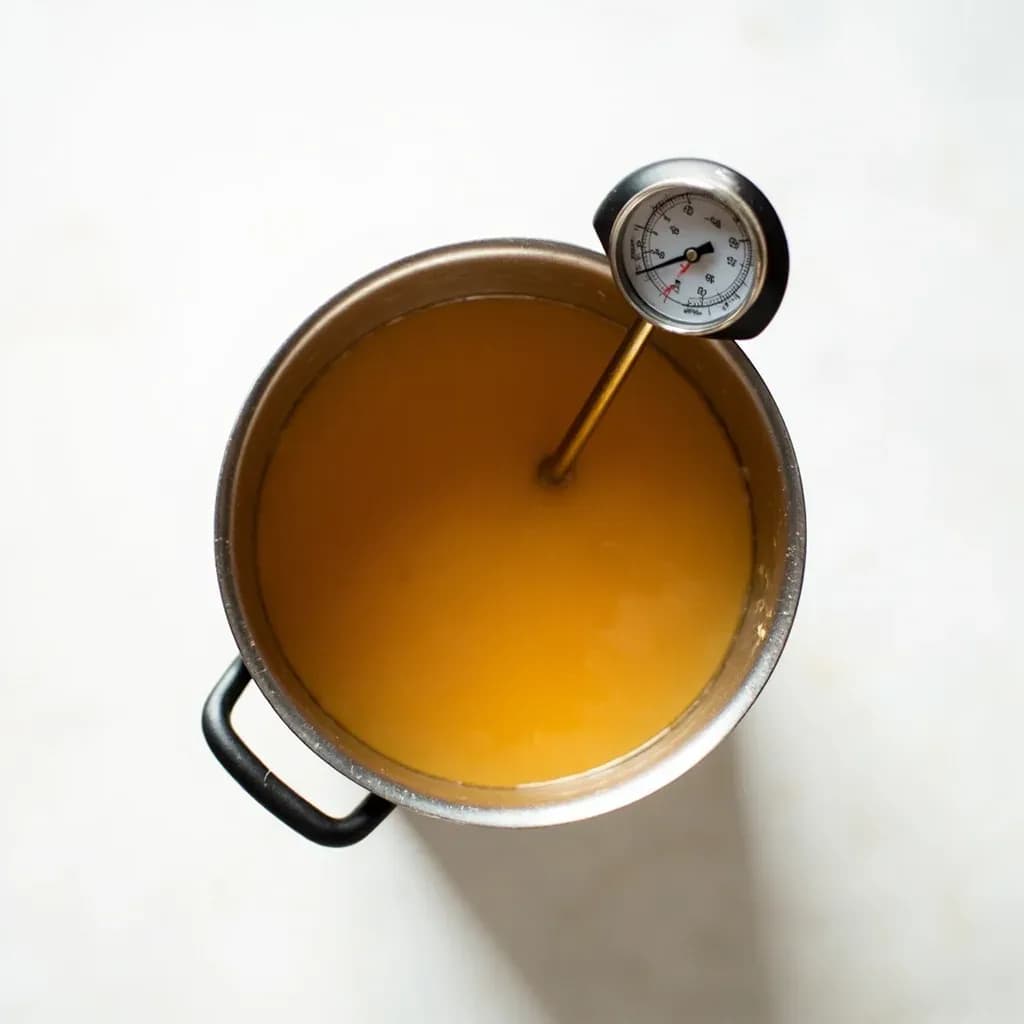
Cool the wort to 100–110°F (38–43°C). The higher end favors L. plantarum and speeds the sour; the lower end is gentler and slower, useful if you want more time to taste along the way. A wort chiller or ice bath is fine — you are not chasing cold break at this stage.
- 3
Pitch Lactobacillus
Add a pure lacto culture according to the supplier's rate (commonly 1–2 g per gallon or a slant-equivalent), or stir in a small amount of live, unpasteurized yogurt as a budget option. Stir gently to distribute without aerating.
- 4
Hold warm and covered
Maintain 95–110°F (35–43°C) for 12–48 hours using a low burner, heating belt, or insulated wrap. Cover with a sanitized lid or foil to keep out wild yeasts and molds, but do not seal it airtight — limited CO2 from any residual yeast needs to vent.
- 5
Monitor pH
Check pH after about 12 hours and every few hours after. Berliner Weisse typically lands at 3.4–3.6; Gose around 3.2–3.4; fruited American sours often push lower to 3.0–3.2. Stop when the acid taste matches your target — do not 'set and forget,' because a 10°F temperature swing can double or halve the remaining souring time.
- 6
Boil to halt souring
Bring the soured wort to a full, rolling boil. Hold it at least 15 minutes — long enough to kill the Lactobacillus and drive off DMS — and longer if your recipe's hop schedule calls for it. Add kettle hops, salt (for Gose), or other boil-time ingredients here.
- 7
Cool and pitch primary yeast
Rapidly cool the wort to yeast-pitching temperature — typically 65–70°F (18–21°C) for clean ale strains or lower for lager. A long, warm cool-down invites contamination and DMS buildup, so work quickly.
- 8
Ferment, condition, and package
Ferment to completion with a neutral strain so the lacto character stays clean and lactic rather than masked. Add fruit, herbs, or salt post-fermentation if the style calls for it; these flavors read better on a stable, fully attenuated sour base. Carbonate and condition as you would any clean ale.
Why kettle souring is not the same as barrel souring
Kettle souring isolates one microbe — Lactobacillus — and gives it a controlled window to do one job: produce lactic acid. Barrel aging and mixed-fermentation programs invite dozens of microbes over months or years, and the resulting beer carries that breadth of activity: brett-derived funk, acetic sharpness, oxidative sherry notes, and woody vanillins from the barrel itself. Kettle-soured beers taste clean and lactic because that's all the fermentation ever was.
- Time and complexity are inversely related in souring: kettle souring is fast and one-note, barrel aging is slow and layered.
- A kettle-soured Berliner Weisse will taste crisply tart; a foeder-aged Berliner will taste that, plus deeper malty acidity and a soft, funky edge.
- If you want brett, horsey phenolics, or oxidative character, kettle souring is only the first step — plan on a secondary fermentation with the right microbes.
Reading the pH and the taste together
A pH meter tells you when to boil; your palate tells you when the beer will taste right. The two don't always line up. A wort at pH 3.4 soured mostly by L. plantarum will taste clean and lactic; the same pH reached through acetic-acid-producing contaminants will taste sharp and vinegary. Always pull a small cooled sample and taste it before boiling — once you boil, the flavor is locked in.
- Berliner Weisse typically finishes at pH 3.4–3.6; fruited American sours often push to 3.0–3.2.
- L. plantarum produces mostly lactic acid (clean); L. brevis produces lactic plus a touch of acetic (sharper).
- Tasting the cooled sample also reveals DMS, diacetyl precursors, or off-aromas you can still correct with a longer boil.
Common uses
Tips & pitfalls
- Use a calibrated pH meter — titratable intuition is unreliable, and you can overshoot your target in as little as 12 hours.
- Pitch a known pure culture (L. plantarum is hardy and fast) rather than relying on ambient grain flora, which gives unpredictable results.
- Hold the temperature steady; a 10°F swing can double or halve the remaining souring time and throw your schedule off.
- Cover the kettle with a sanitized lid or foil, but never seal it airtight — limited CO2 from any residual yeast needs to vent, and pressure can build.
- Boil vigorously for at least 15 minutes once you reach target pH; this step is non-negotiable for halting the bacteria and protecting the downstream yeast.
- Cool the soured wort quickly to pitching temperature; a long, warm cool-down invites contamination and DMS buildup.
- Sanitize everything that touches the soured wort before the boil — sour wort is a contamination magnet for downstream equipment.
- Do not try to over-sour 'just in case' — extra time rarely improves flavor and can produce sharp, acetic off-notes if other organisms creep in.
- Pull a small cooled sample and taste before boiling; if the acidity feels one-dimensional, you can extend a few hours, but once you boil, the flavor is locked in.
- If using a heating element or burner, keep it on the lowest setting or use an insulation wrap to avoid scorching the trub on the kettle bottom.
Good to know
- Technique type
- Biological acidification of wort prior to boil
- Organism used
- Lactobacillus (most often L. plantarum or L. brevis)
- Souring temperature
- 95–115°F (35–46°C); ideal ~100–110°F (38–43°C)
- Souring time
- 12–48 hours, typically 18–36 hours
- Starting pH
- Wort around 5.2–5.5
- Target pH
- 3.2–3.8 depending on style and taste
- Equipment
- Mash/kettle tun, pH meter, heat source or insulation, lid or cover
- Origin tradition
- German mashing/fermentation practices (Berlin, late 1800s)
- Modern revival
- U.S. craft brewing, ~2010s, as a 'fast' alternative to barrel aging
- Difficulty
- Beginner-friendly but pH- and sanitation-sensitive
- Post-sour step
- Full boil to halt souring and sterilize wort
- Yeast stage
- Neutral ale or lager yeast pitched after the boil
Also called
quick souring · sour worting
Related

Confit
Cook slowly submerged in fat for silky tenderness and keeping

Cure
Draw out moisture with salt and time to preserve and concentrate

Pickle
Steep in acidic brine for bright, tangy, crunchy preservation

Ferment
Let friendly microbes transform food into tangy, complex flavor

Marinate
Soak in a seasoned mix to flavor and tenderize before cooking

Brine
Soak in salt water so meat stays juicy and seasoned throughout

Dehydrate
Slowly dry out moisture to concentrate flavor and extend shelf life

Cold-Smoke
Perfume cured food with smoke without cooking it through