Sauces & Pastes
Miso
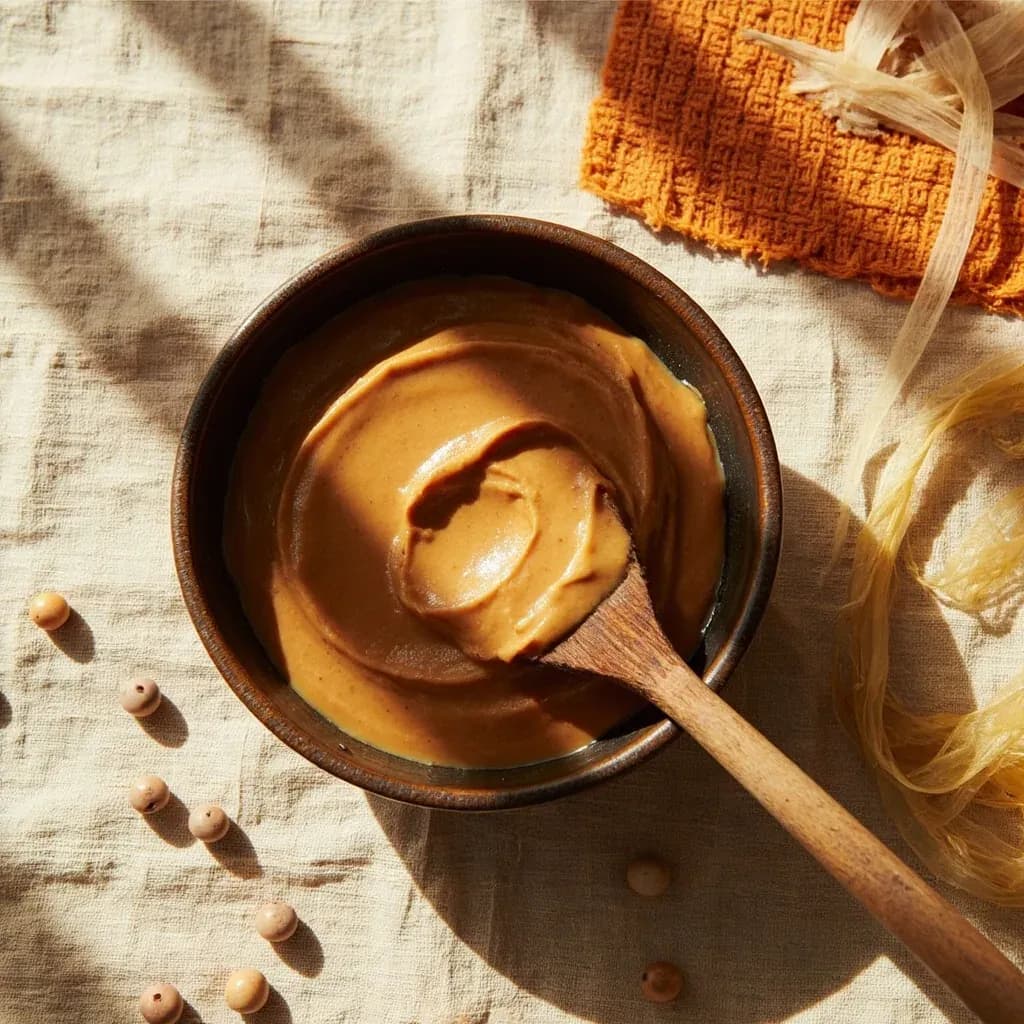
Fermented soybean paste that carries savory depth into soups, glazes, and marinades; stir into hot liquid off the boil so live cultures and aroma survive.
Miso is a fermented paste built from three non-negotiable elements: cooked soybeans, salt, and kōji — a mold (typically Aspergillus oryzae or A. sojae) cultured onto rice, barley, or soybeans, which supplies the enzymes that break proteins into savory free glutamates and starches into mild sugars. The result is a dense, salty paste that behaves somewhere between a condiment, a seasoning, and a stock concentrate, capable of carrying deep umami into anything from a bowl of broth to a chocolate dessert. Its origin lies in Chinese fermented soybean pastes (jiang), but the form we know today matured in Japan through the Kamakura period, where regional climate, grain choice, and aging length produced the wide spectrum now on shelves worldwide.
In the kitchen, miso behaves less like a spice and more like a finishing seasoning. It dissolves readily in warm liquid, blooms fat into emulsified sauces, and caramelizes quickly under heat. Because its aromatic compounds and any live cultures are heat-sensitive, the universal rule is to add it late — stirred into broth off the boil, whisked into a warm dressing, or brushed on in the final minutes of grilling. Salt content varies dramatically by style, so any dish built on miso should be tasted and adjusted before reaching for additional salt.
Beyond traditional Japanese cooking, miso is now a versatile Western pantry workhorse: a body-builder for vegan sauces, a glaze base for roasted vegetables and oily fish, a quick pickle brine, and a quiet substitute for anchovies or aged cheese. A single 400–500 g tub can season dozens of meals, and it keeps for months in the refrigerator, making it one of the most economical and forgiving umami sources a home cook can keep on hand.
- Measured in
- g
- Storage
- Refrigerate
Allergens
Find it in
Suits
Types & varieties
Highest rice-kōji ratio, shortest fermentation; pale, sweet, mild. Ideal for dressings, light soups, glazes, and desserts.
Kyoto specialty with extra rice kōji and a long, low-salt ferment; exceptionally sweet and creamy; the traditional glaze for saikyō-yaki (Kyoto-style grilled cod).
Balanced medium ferment; amber color, moderate salt and sweetness; the all-purpose supermarket default across much of Japan.
Longer ferment with a higher soy-to-grain ratio; deep reddish-brown, salty and assertive. Built for hearty stews, ramen broths, and red braises.
100% soybeans with no grain, aged 2+ years; almost black, dense, intensely savory. From Hatchō village in Okazaki, Aichi.
Kōji grown on barley; common across Kyushu. Nutty, mildly sweet, mid-color; a sturdy everyday miso for soups and vegetables.
Kōji grown on unpolished brown rice; deeper, earthier, slightly rustic; favored in macrobiotic cooking.
Buckwheat-kōji base; rare, fragile, deeply nutty. A specialty of Nagano and northern regions.
Chunky style with whole grains, vegetables, and sometimes kombu; eaten more as a condiment than a soup seasoning.
The dark liquid that separates from aging miso; thin, intensely savory; historically the precursor of soy sauce.
Regional style inoculated with Bacillus subtilis; sticky, pungent, found in Tohoku and Hokkaido.
Short-fermented, rice-heavy miso that is pale, sweet, and mild; the gentle base for dressings, light dashi soups, and delicate fish glazes where you want savor without color.
Long-aged, deeply fermented miso that is dark, salty, and assertive; stands up to hearty braises, ramen broths, and rich glazes—use a lighter hand than with white miso.
How miso is made
Every variety follows the same arc: cooked soybeans are mashed and combined with salt and a grain that has been inoculated with kōji spores. The mixture is packed into wooden vats or modern stainless tanks and left to ferment — sometimes for a few weeks, sometimes for years. Three variables drive the final flavor: the ratio of soybeans to kōji grain (more kōji means sweeter and paler), the type of grain (rice for sweetness, barley for nuttiness, soybean for intensity), and the length of aging. Long, cool fermentations develop deeper color, funkier aromatics, and more concentrated salt; short, warm fermentations stay pale and sweet. This is why a single ingredient can taste like dessert or like a stock concentrate depending on which tub you open.
Choosing and storing miso
Buy by use, not by default. A cook who reaches for miso in salad dressings and quick soups will find white miso indispensable; one who braises pork or seasons ramen broth will lean on red. Most home cooks benefit from keeping one sweet tub and one assertive tub side by side. Once opened, miso is remarkably resilient: refrigeration and a layer of plastic wrap pressed directly onto the surface will keep it serviceable for many months, with the top darkening and flavor intensifying as fermentation continues. If the tub smells off — cheesy, yeasty, or alcoholic beyond its style — discard it; otherwise darkening is normal. For long storage, freeze in ice-cube trays, then transfer the cubes to a bag for perfectly portioned doses for soups and dressings.
Common uses
Tips & pitfalls
- Temper, do not boil: stir miso into a ladle of warm broth off the heat, then return it to the pot. This protects the aromatics and any live cultures from degrading above ~70 °C / 160 °F.
- Taste before salting: miso's own salt varies from about 5% to 13% by weight, and it concentrates as a sauce reduces. Season at the end, not the beginning.
- For clear soups, strain dissolved miso through a fine-mesh sieve so the broth stays bright rather than cloudy.
- Press plastic wrap directly onto the surface of the tub before closing the lid; this limits oxygen and keeps the top layer from browning and crusting.
- Bloom aromatics first: cook garlic, ginger, or scallion whites in oil, then add miso briefly to deepen flavor without scorching it.
- Brush glazes on in the last 2–3 minutes of cooking — the sugars in miso caramelize and burn quickly over high heat.
- Marinate in glass or food-grade plastic, never reactive metal; the salt content can pit aluminum and react with copper.
- Balance sweet white miso with acid (rice vinegar, citrus, or yuzu) so dressings don't read as flat or one-dimensional.
Nutrition
Energy
828 kJ · per 100 g
Where the calories come from
Protein
12.8g
26% DV
Carbs
25.4g
9% DV
Fat
6g
8% DV
Fiber
5.4g
19% DV
Sugars
6.2g
of which
Sodium
3728mg
162% DV
Source · USDA FoodData Central · Miso
View on FDC →In the shops
Matched grocery products
No matched grocery products for Miso yet.
Good to know
- Origin
- Japan, descended from Chinese fermented soybean pastes; modern form developed through the Kamakura period (1185–1333)
- Core ingredients
- Soybeans, salt, and kōji (Aspergillus oryzae or A. sojae) cultured on rice, barley, or soybeans
- Fermentation time
- Weeks for sweet white styles; 2–3+ years for dark, intense styles like Hatchō
- Salt content
- Roughly 5–13% by weight; red and Hatchō-style are the saltiest
- Color range
- Pale cream-yellow (white) through amber (yellow) to reddish-brown and near black (long-aged)
- Heat sensitivity
- Aromatics and live cultures degrade above ~70 °C / 160 °F; add near the end of cooking
- Storage (opened)
- Refrigerate 6–12 months; press plastic wrap to the surface to limit oxidation
- Storage (long-term)
- Freezes well for 6+ months; portion into ice-cube trays for easy dosing
Substitutes
- Korean doenjang — Closest cousin — fermented soybean paste, but typically more pungent, coarser, and saltier. Works roughly 1:1 in soups; adds a funkier, more rustic profile to glazes.
- Chinese doubanjiang (Pixian style) — Fermented broad bean and soybean paste with chili. Better treated as a flavor shift than a 1:1 swap — it brings heat and a different aromatic.
- Tahini plus soy sauce — Rough approximation when you need body and umami in dressings or sauces — about 1 tablespoon tahini per 1 tablespoon miso, with a splash of soy to lift savoriness.
- Soy sauce with rice vinegar and a pinch of sugar — A liquid umami boost when texture does not matter; loses the creamy, fermented depth of real miso.
- White bean purée with soy sauce and nutritional yeast — Vegan stand-in for body and umami in Western applications; not appropriate for traditional Japanese cooking.
Pairs with
Also called
fermented soybean paste
Appears in these dishes
Related
Soy Sauce
Salty, savory umami base for stir-fries and marinades
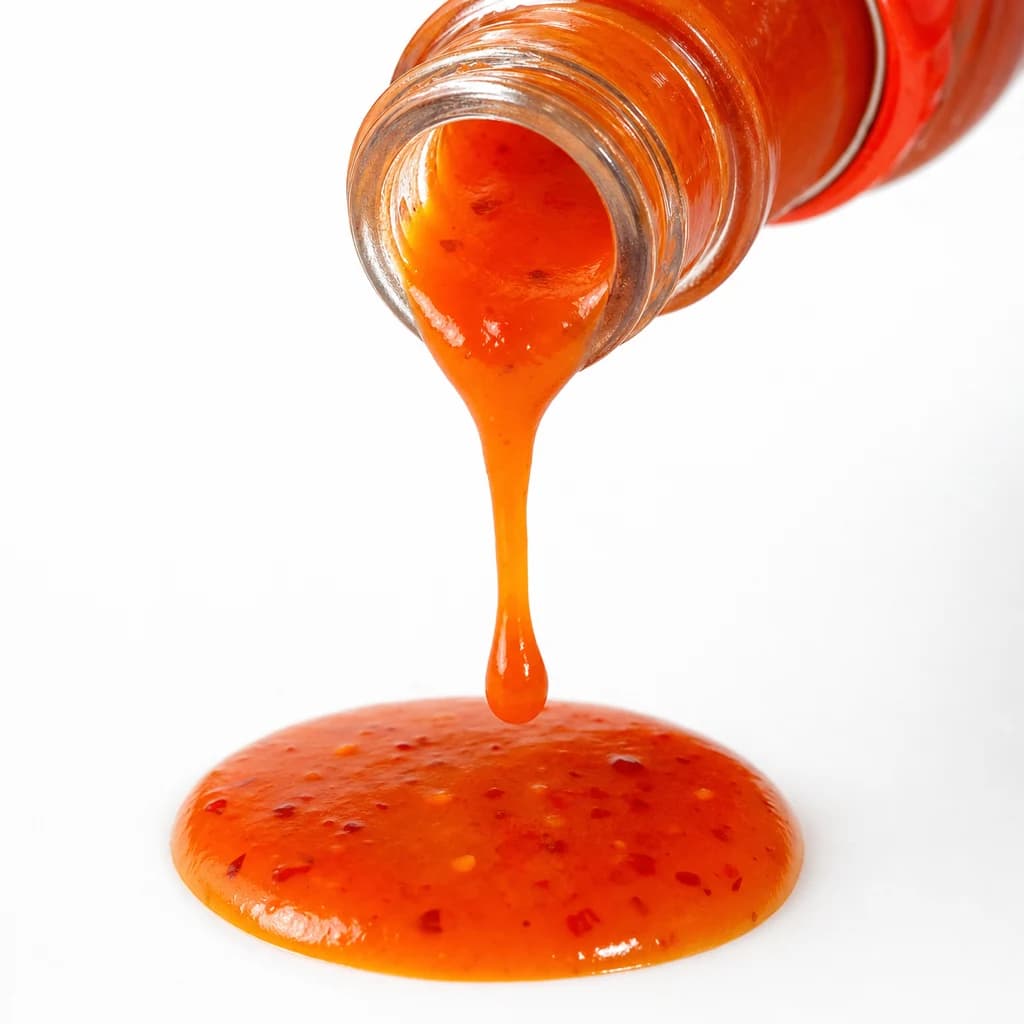
Hot Sauce
Tangy, fiery splash for eggs, tacos, and anything dull
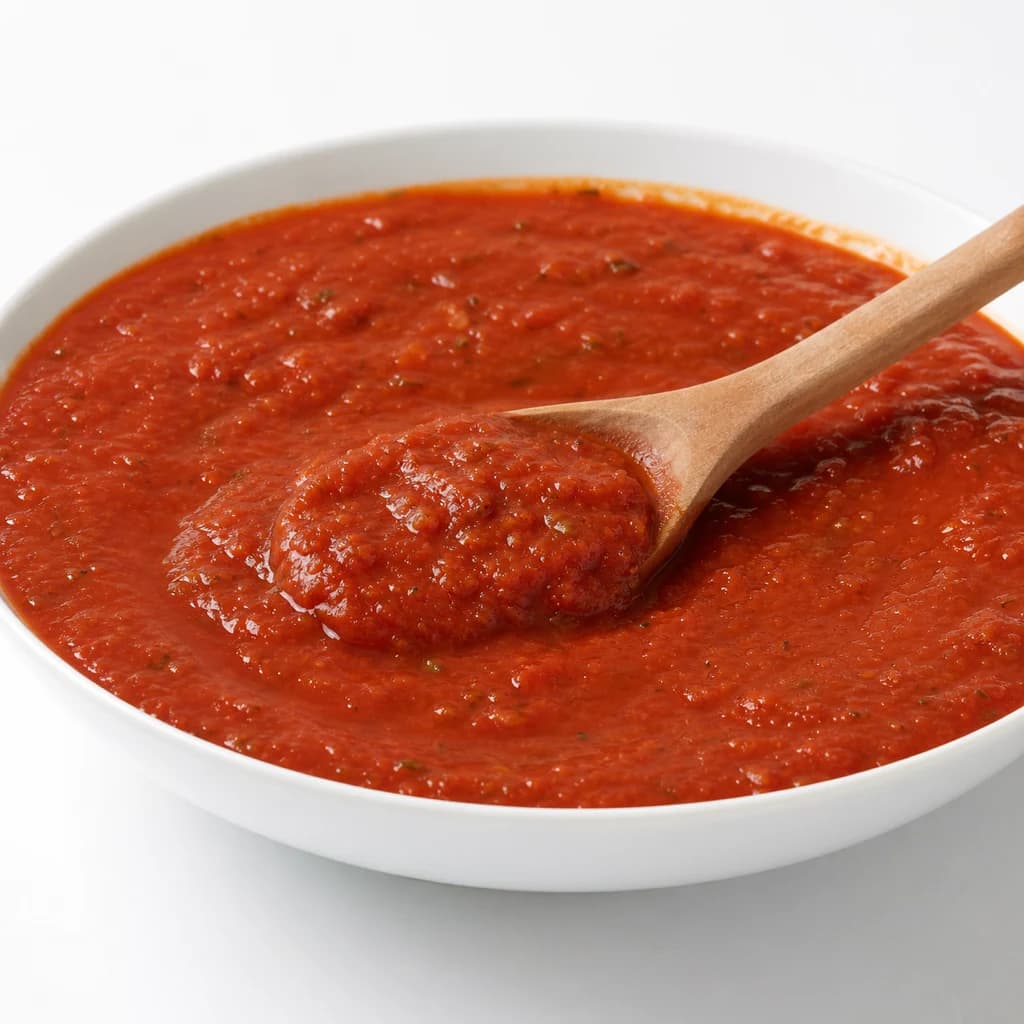
Tomato Sauce
Simmered tomato base for pasta, pizza, and braises
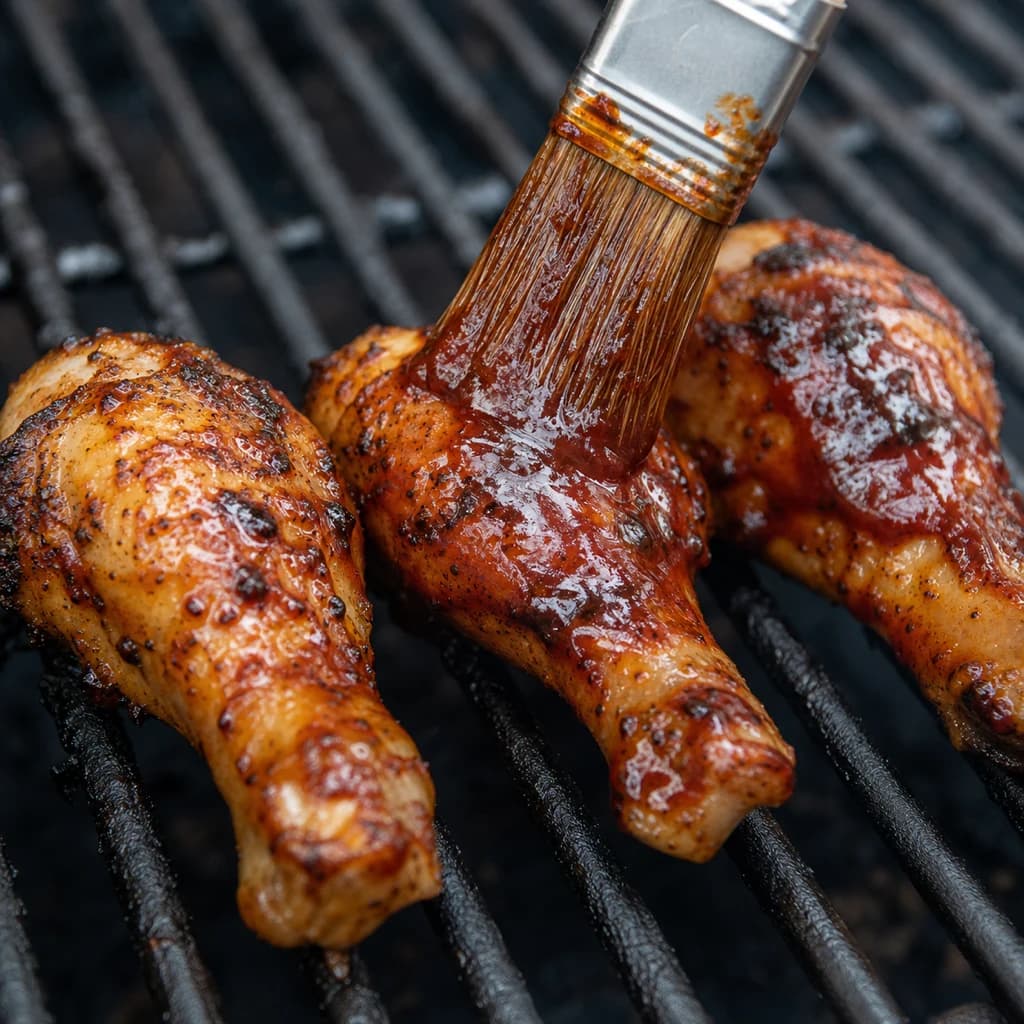
Barbecue Sauce
Smoky-sweet sauce for grilling, glazing, and dipping
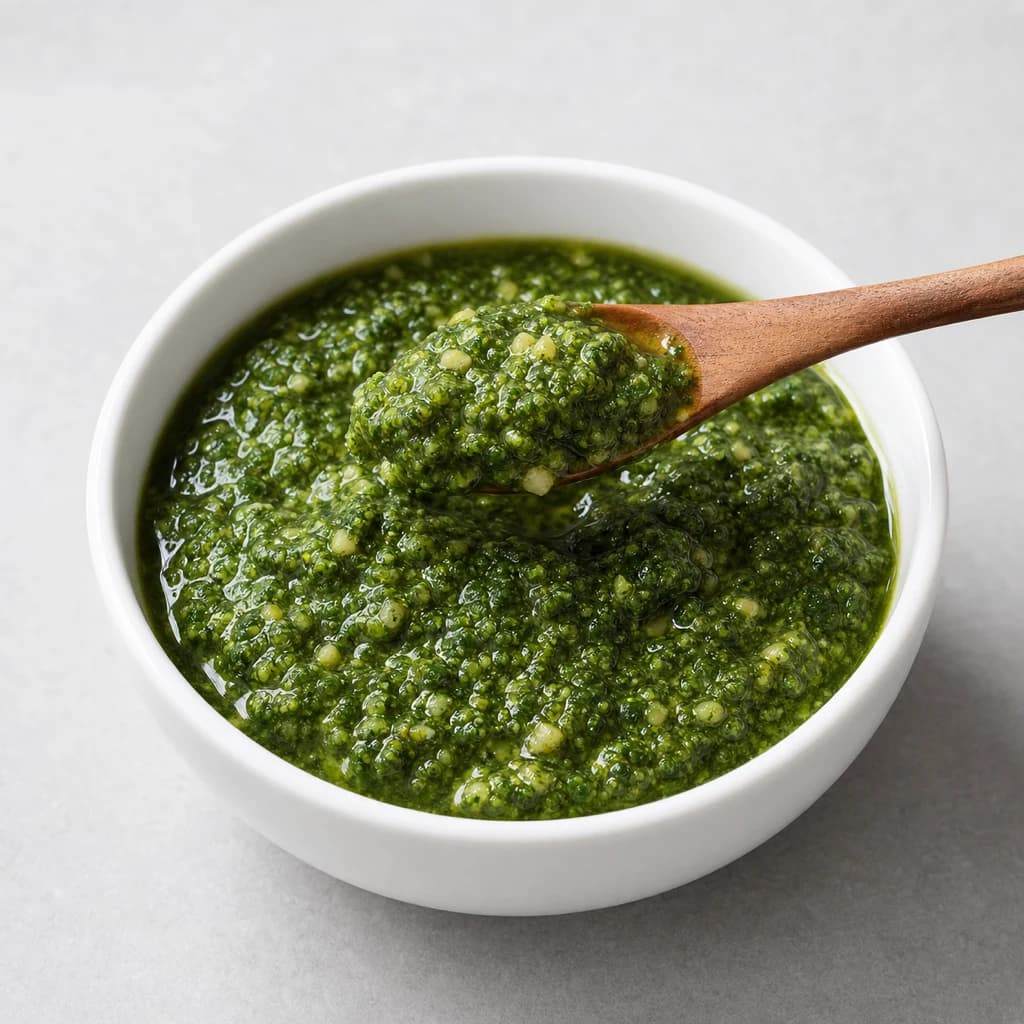
Pesto
Vibrant basil-and-pine-nut sauce for pasta and beyond

Fish Sauce
Funky, salty essence that brings deep umami to SE Asian dishes
Worcestershire Sauce
Tangy, savory umami splash for marinades, stews, and Caesar

Sriracha
Garlicky chili sauce with sweet heat for drizzling and dipping