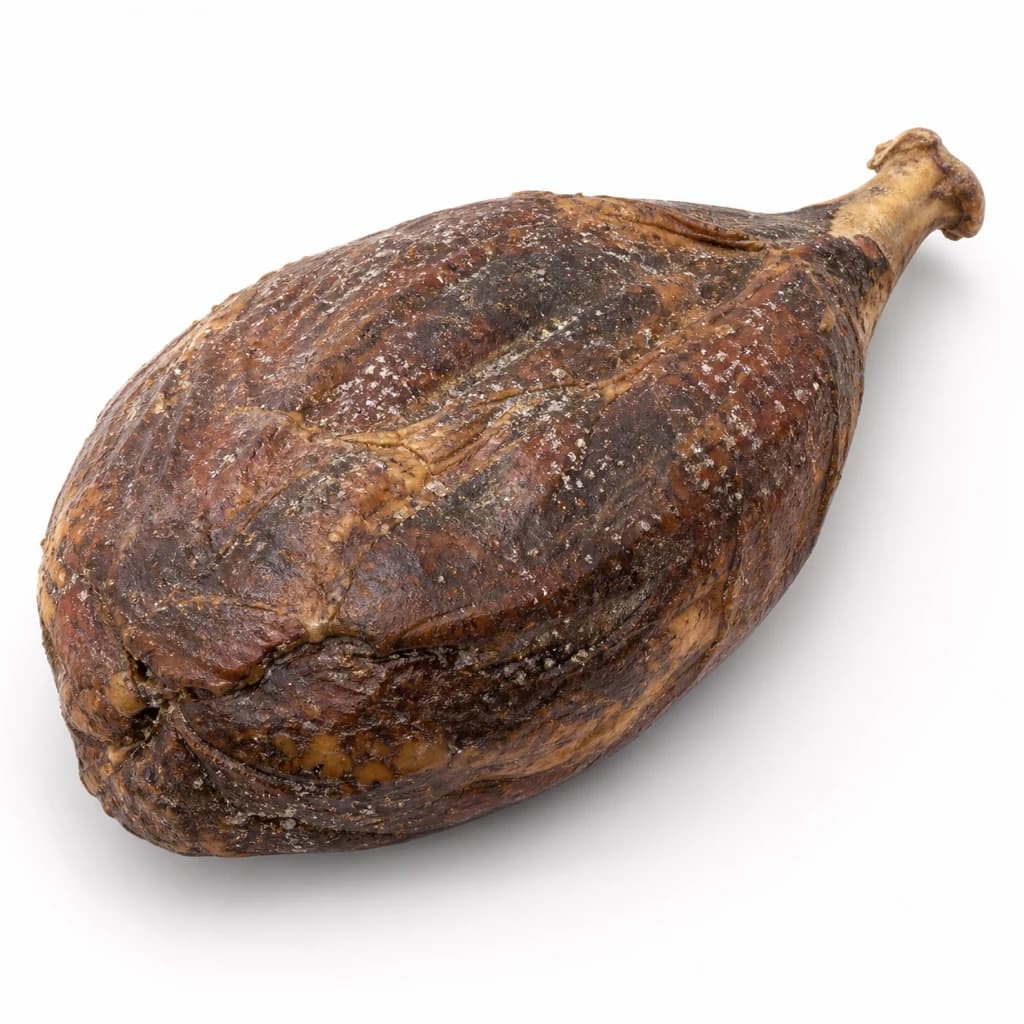
Natural form
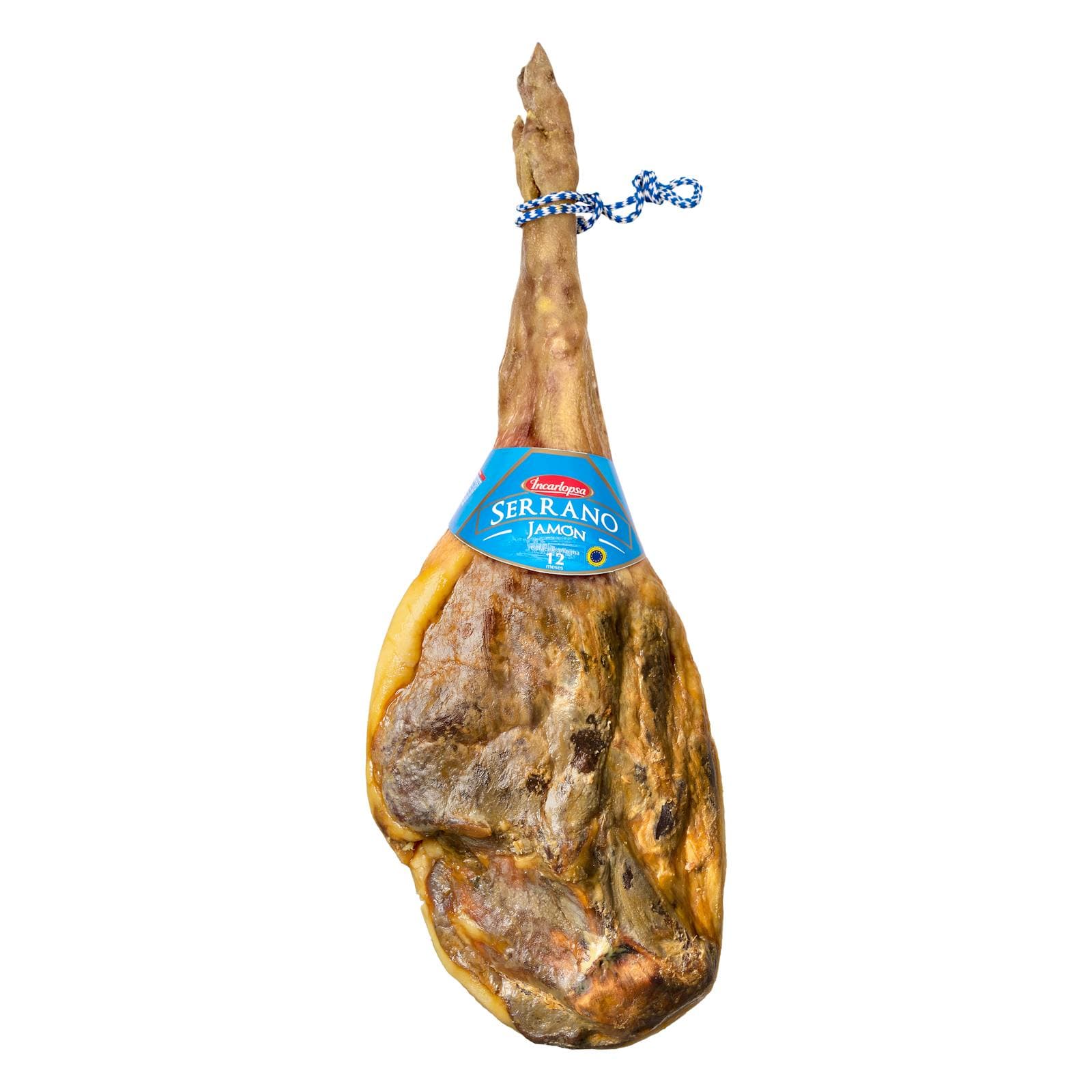
A whole bone-in cured ham showing its characteristic dark outer rind and rounded shape.
Shows readers the whole uncut form, rind color, and bone structure that identify a cured ham.
Proteins
Ham
Cured pork for sandwiches, boards, and folding into dishes
Salty-sweet and ready to eat, ham layers into sandwiches, drapes a board, and adds savor to a frittata or pasta. Keep it cold and tightly wrapped.
Ham is pork from the pig's hind leg, cured — and sometimes smoked, cooked, or air-dried — into one of the most varied preserved meats in the kitchen. The category splits two ways: cooked/wet-cured hams (the sliceable pink ham for sandwiches, the glazed bone-in centerpiece, gammon) and dry-cured raw hams (prosciutto, Serrano, jamón ibérico) that are aged for months to years and eaten in paper-thin, silky slices without cooking. Salt is the through-line — ham is salty, so it both seasons dishes and needs a light hand elsewhere. From a holiday glazed ham to prosciutto draped over melon, it spans everyday and luxury.
- Measured in
- g
- Storage
- Refrigerate
- Shelf life
- 7 days
Find it in
Types & varieties
Wet-cured, pink, ready to eat — sandwiches and salads.
The holiday centerpiece; score and glaze, heat through.
Raw cured leg (British); must be cooked, often boiled then roasted.
Spain’s everyday dry-cured ham; sliced thin, eaten uncooked.
Premium dry-cured ham from ibérico pigs — de bellota (acorn-fed) tops the price ladder over cebo.
The cooked, mild sandwich ham (jamón de york).
Italian dry-cured raw ham; sliced thin, eaten uncooked.
For flavoring soups, beans, and stocks.
How to choose
Know whether your ham is fully cooked (ready to eat or just reheat) or raw-cured like gammon (must be cooked). For sandwiches, choose moist, pink cooked ham. For boards, seek well-aged dry-cured hams sliced paper-thin. A bone-in ham has more flavor for a centerpiece; a hock is for the soup pot.
How to store / food safety
Refrigerate cooked and sliced ham and use within about 3–5 days of opening; whole cured hams keep longer. Dry-cured hams are shelf-stable whole but best refrigerated once sliced. Heat pre-cooked ham to about 60°C if serving warm; cook raw gammon to 71°C. Ham is salty — soak very salty gammon or hocks if needed.
How to cook
For a glazed centerpiece, score the fat in a diamond pattern, stud with cloves, brush with a sweet-savory glaze (honey, mustard, brown sugar), and bake just to heat through and caramelize. Boil-then-roast gammon for moist results. Don't 'cook' dry-cured ham — its flavor lives in being served raw and thin. Use ham hocks and ends to deepen split-pea soup, beans, and stocks.
Common uses
Tips & pitfalls
- Score and glaze a bone-in ham, then bake just to heat and caramelize.
- Soak very salty gammon or hocks before cooking to mellow them.
- Don't cook prosciutto or jamón — serve it raw and paper-thin.
- Use ham hocks and bones to flavor soups, beans, and stocks.
- Season dishes lightly; ham brings plenty of salt.
Nutrition
Energy
1100 kJ · per 100 g
Where the calories come from
Protein
16.3g
33% DV
Carbs
1.8g
1% DV
Fat
20.7g
27% DV
Fiber
0g
0% DV
Sugars
0g
of which
Sodium
1245mg
54% DV
Source · USDA FoodData Central · Ham, minced
View on FDC →In the shops
Matched grocery products
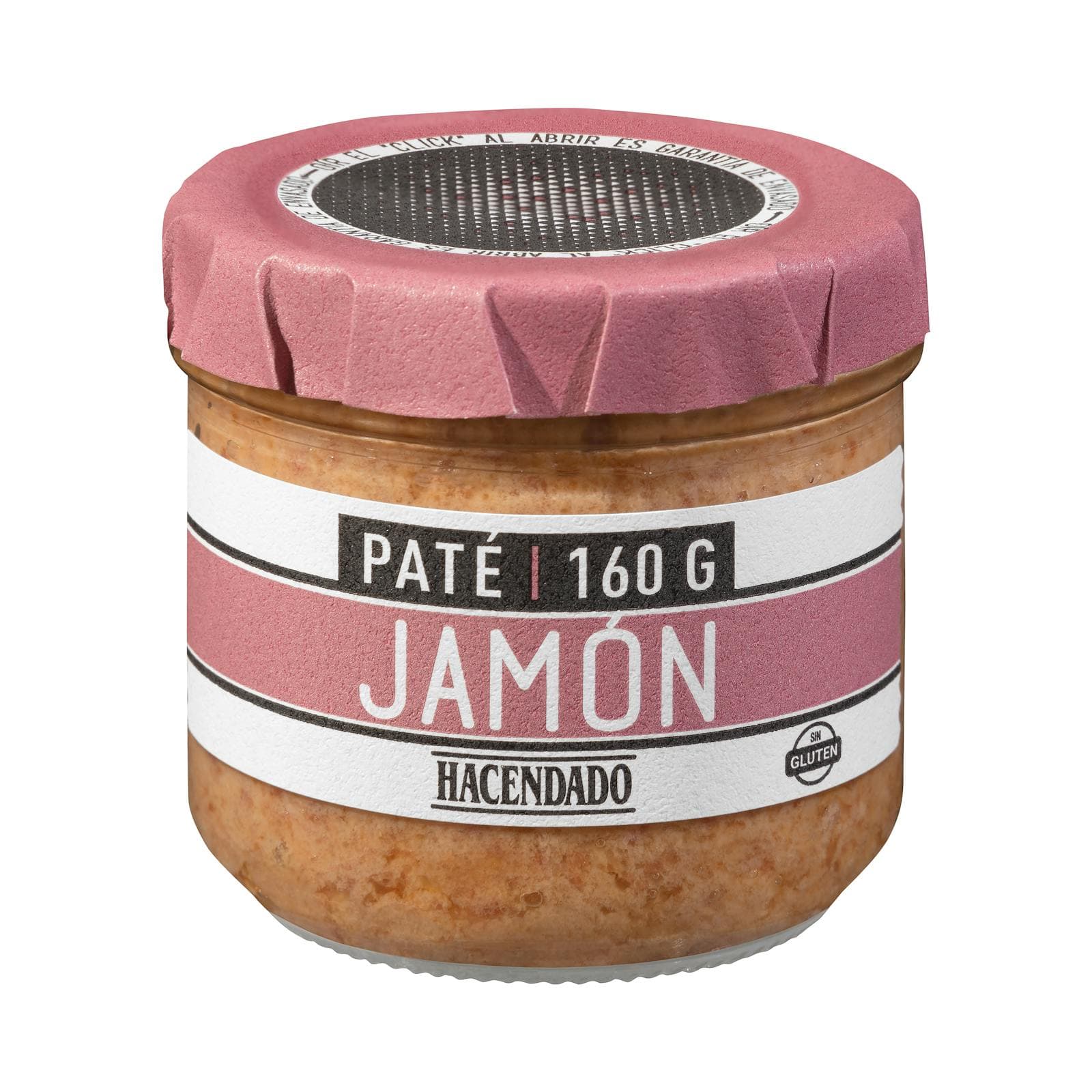 €1.10
€1.10Ham Pâté
Hacendado · 160 g · Mercadona
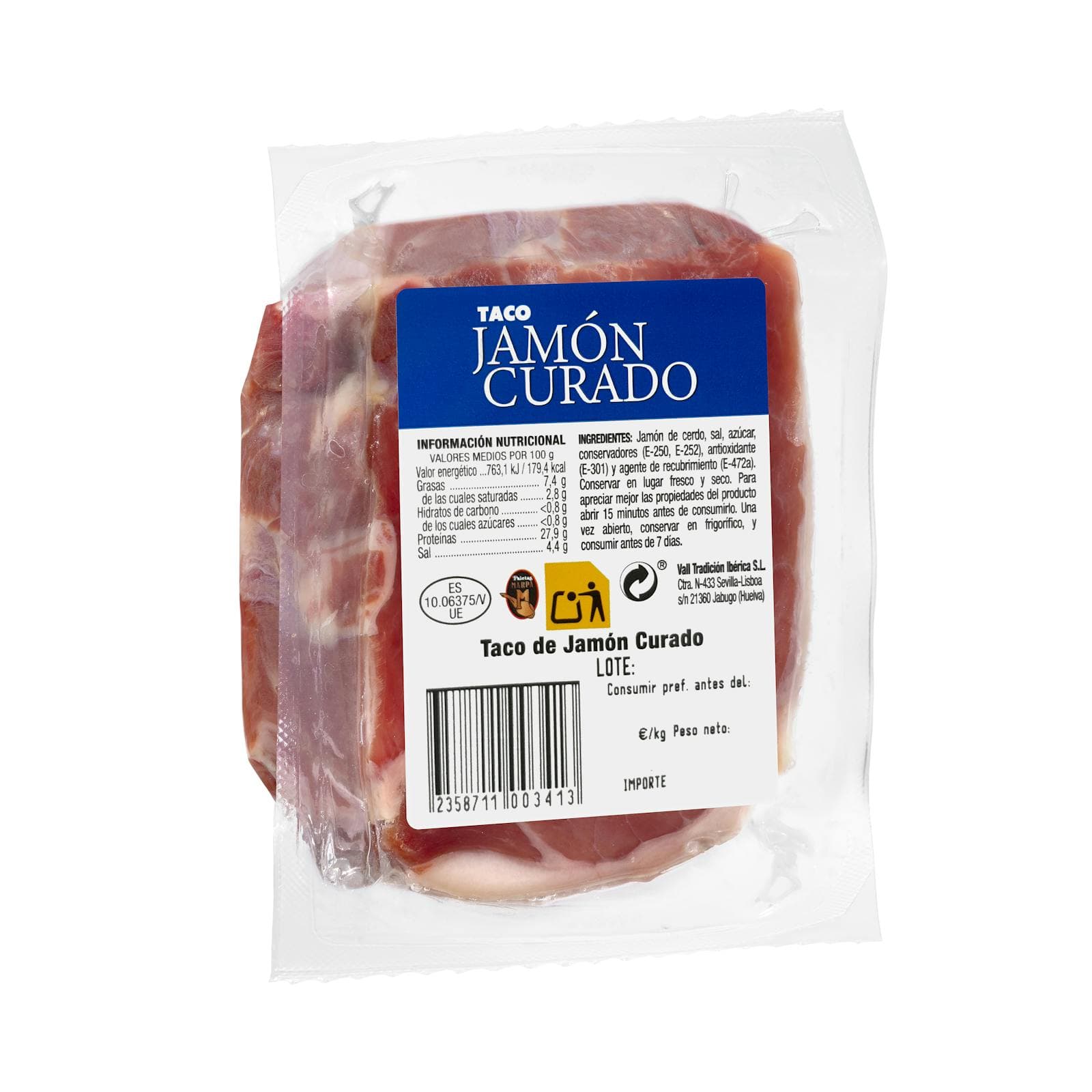 €3.85
€3.85Cured Ham Portion
220 g · Mercadona
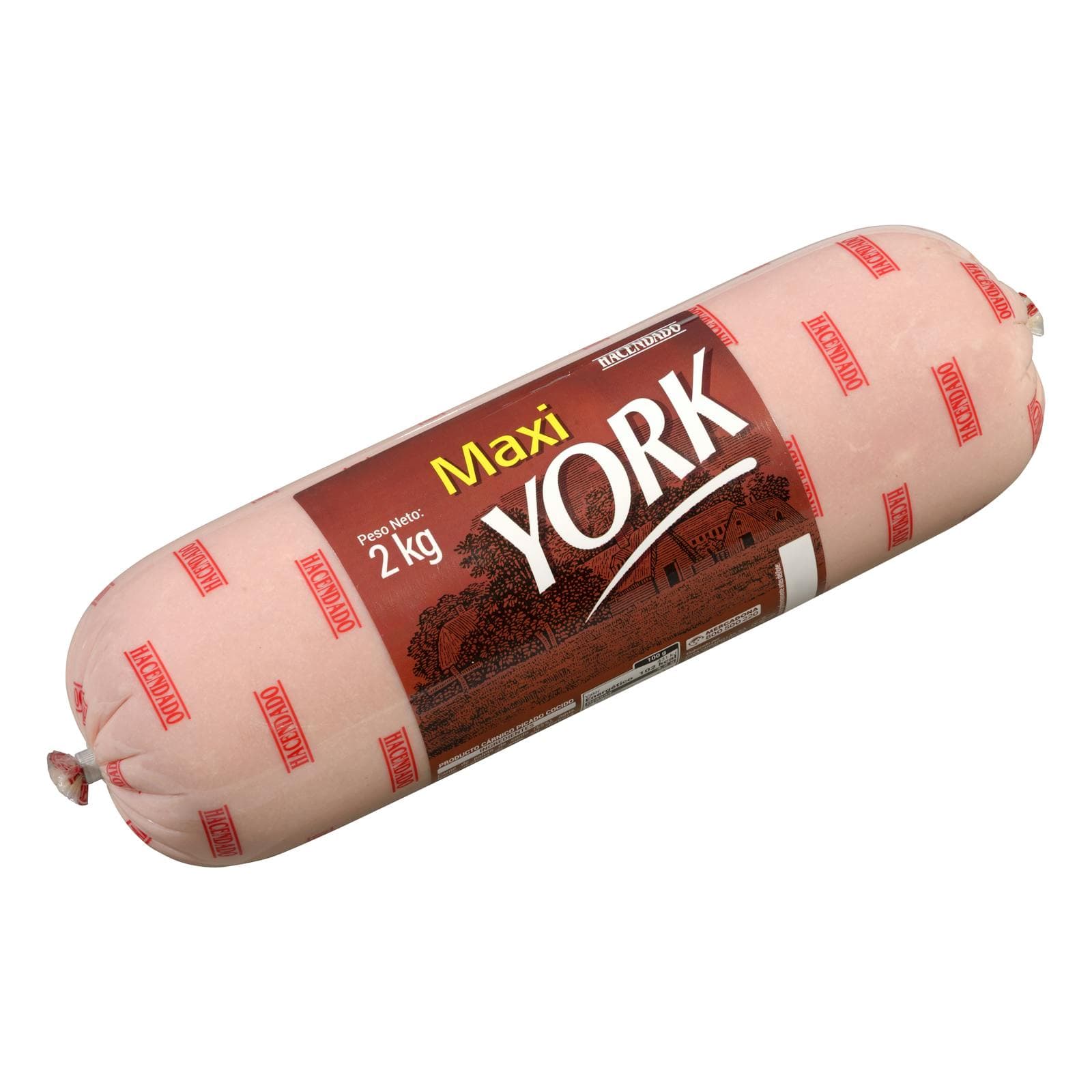 €5.95
€5.95Maxi York Ham
Hacendado · 2 kg · Mercadona
 €6.75
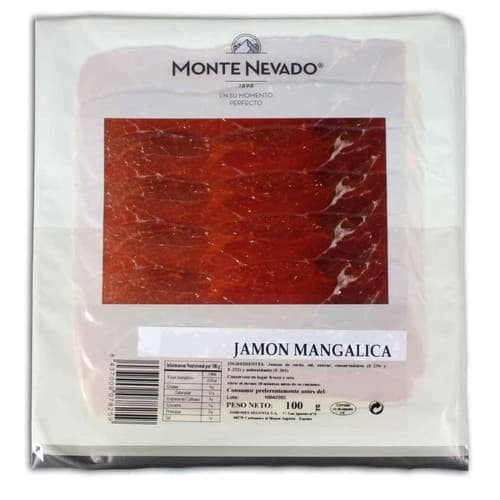
€6.75Mangalica Ham
MONTE NEVADO · kg · Bonpreu
 €65.00
Serrano Ham Incarlopsa
Incarlopsa · 7.5 kg · Mercadona
 €3.85
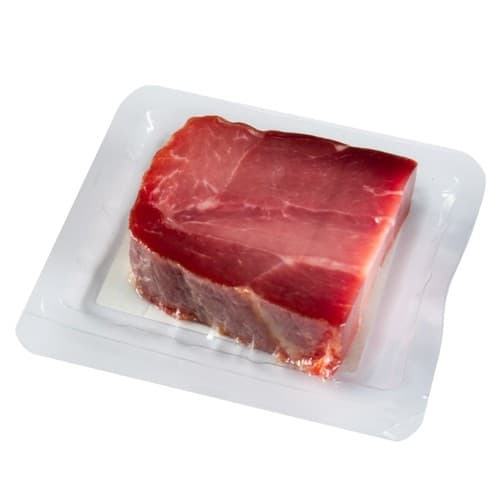
€3.85Cured Ham Block
ESPUÑA · kg · Bonpreu
Good to know
- Cut/type
- Cured pork leg; cooked/wet-cured or dry-cured raw
- Flavor
- Salty, savory; sweet-glazed or nutty-aged
- Cook to
- Pre-cooked: heat to 60°C; raw gammon: 71°C
- Nutrition
- Lean ~145 kcal/100g, ~21g protein, ~6g fat; regular cured ham ~165–200 kcal, ~9–12g fat
- Buy
- Pink moist cooked ham; well-aged dry-cured for boards
Appears in these dishes
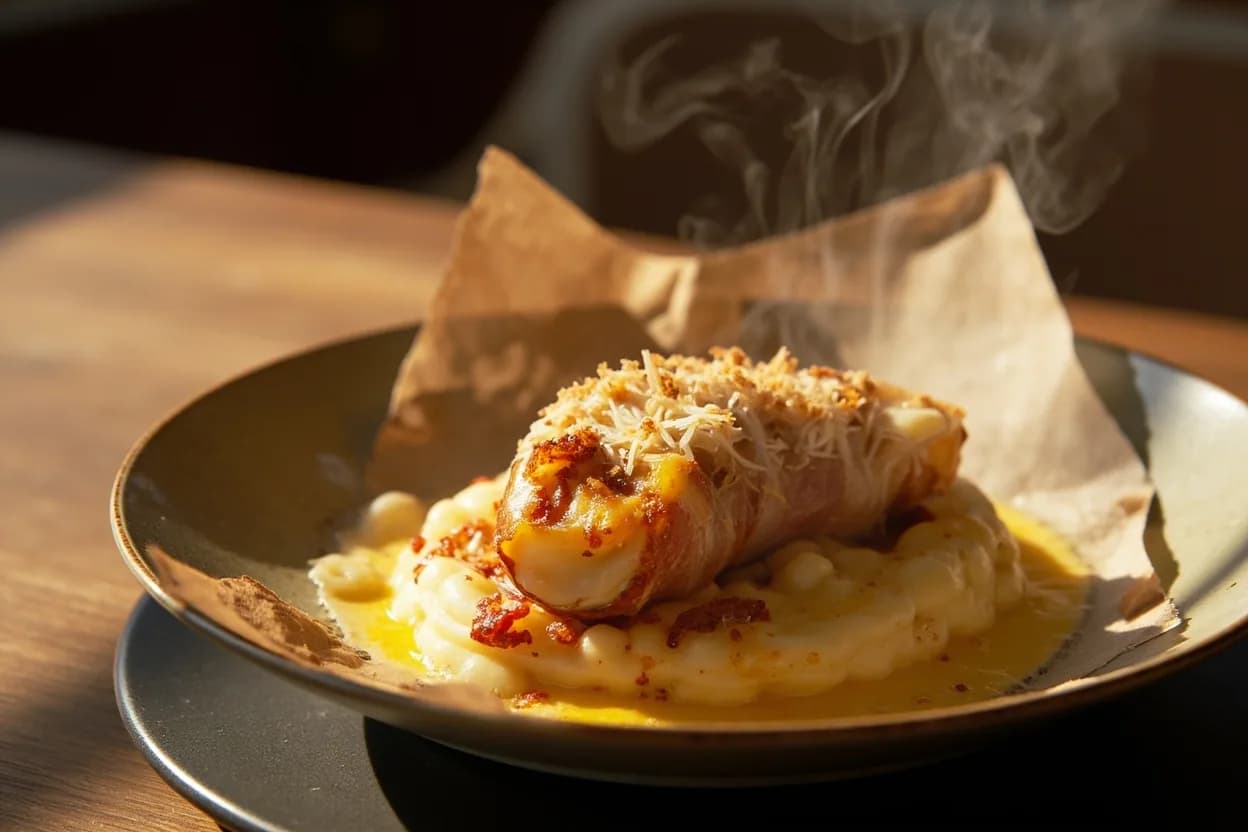
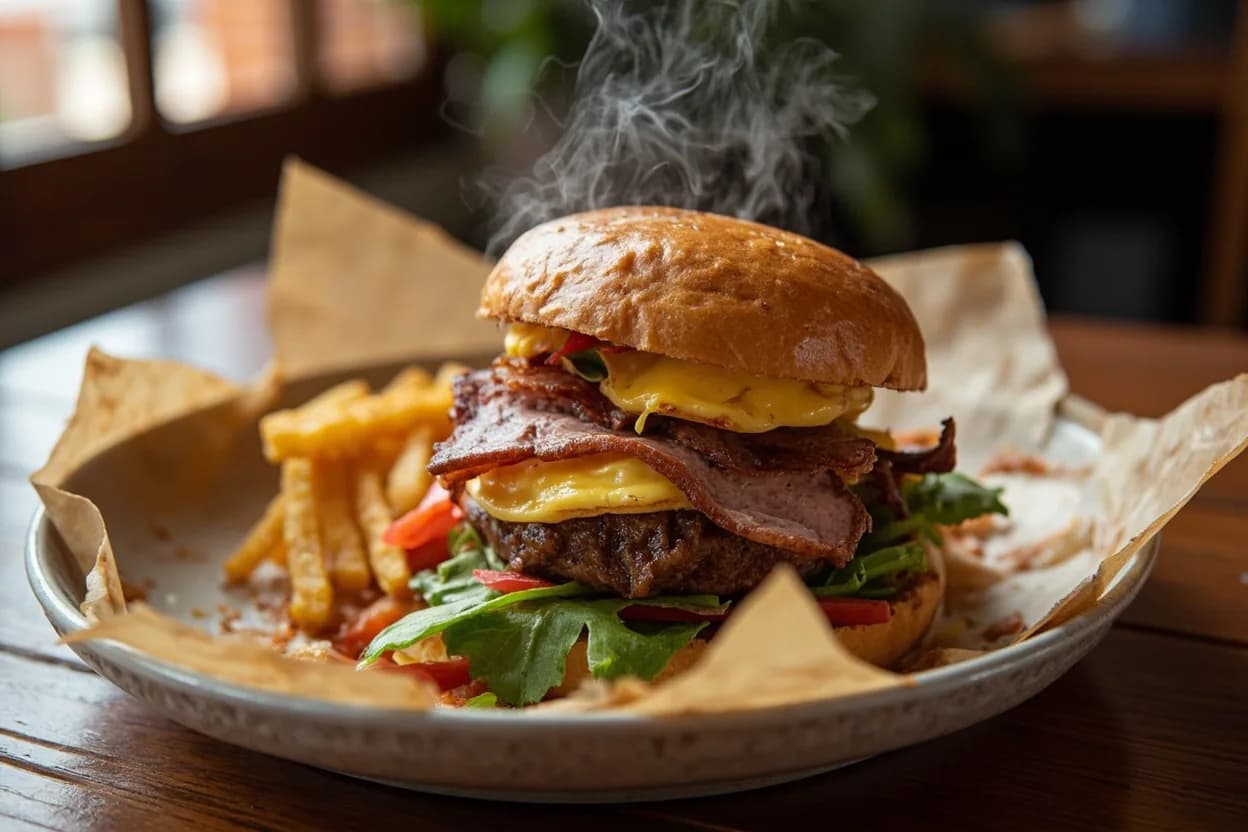
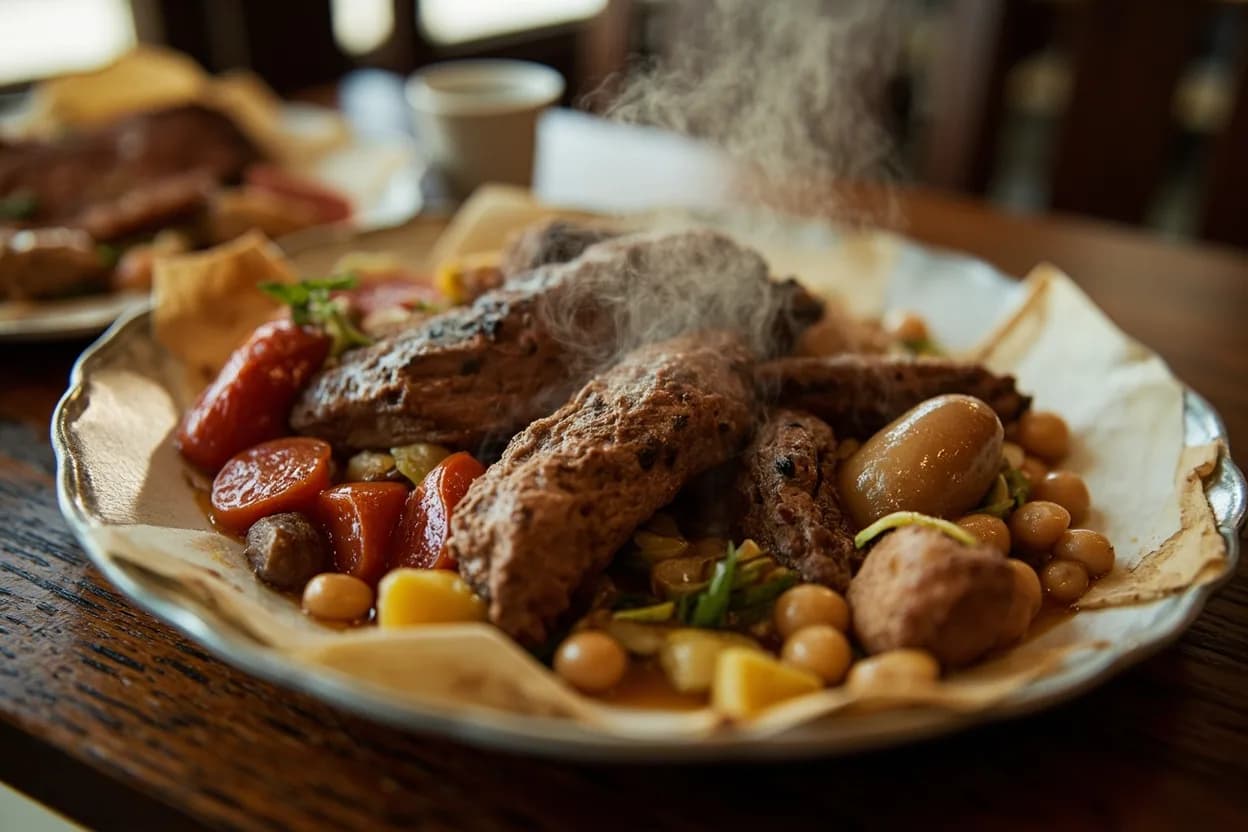
Related

Egg
The kitchen's everything ingredient — bind, leaven, enrich, or fry

Chicken Breast
Lean, quick-cooking white meat for everyday dinners

Ground Beef
Versatile minced beef for burgers, ragù, tacos, and meatballs

Pork Loin
Lean, tender roasting cut that stays juicy with care

Salmon
Rich, rosy fish that roasts, grills, or cures beautifully

Egg White
Pure protein that whips to airy peaks for meringue and more

Egg Yolk
Rich, golden yolk for custards, mayonnaise, and pasta

Quail Egg
Tiny, speckled eggs for garnishing and elegant bites