Proteins
Ibérico Ham (Jamón Ibérico)
Spain's prized acorn-fed black Iberian pig ham, aged for years and served in melt-in-mouth slices.
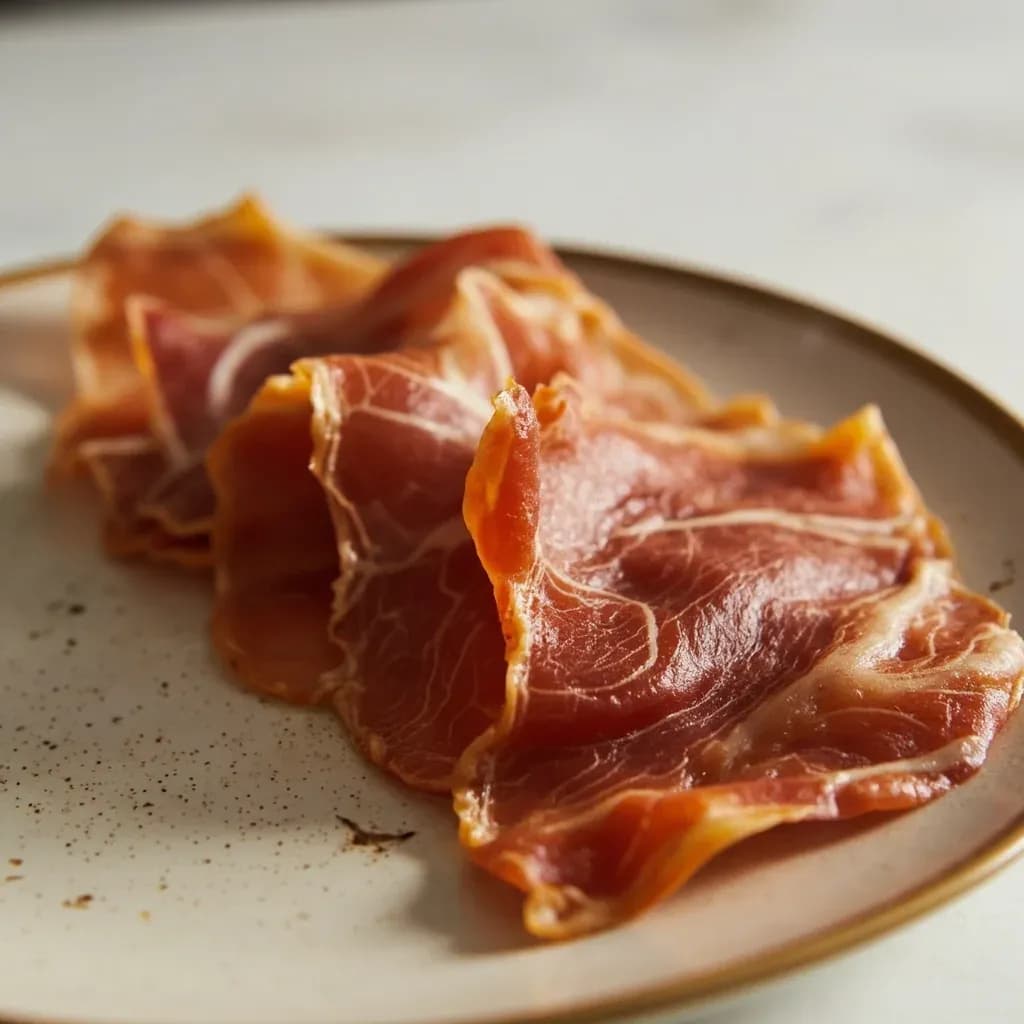
Jamón ibérico is a premium Spanish cured ham from black Iberian pigs, the finest grade (bellota) fattened on acorns, then dry-cured and aged for two to four years. It is served in thin, hand-cut slices that melt on the tongue, prized for its marbled fat, nutty depth, and complex savory-sweet flavor. It is eaten on its own as the centerpiece of a charcuterie spread, never cooked.
Jamón Ibérico is Spain's most celebrated cured meat, produced from the Black Iberian pig (Cerdo Ibérico), a breed native to the Iberian Peninsula. Unlike conventional cured hams, Ibérico is distinguished by its extraordinary marbling—intramuscular fat that infiltrates the muscle tissue, creating the melt-in-mouth texture the ham is prized for. This fat, particularly rich in oleic acid when pigs are acorn-fed, keeps the meat tender during the long aging process and delivers the signature silky mouthfeel. The ham is produced from both the hind leg (pernil) and foreleg (paleta), with the hind leg yielding the prized centre-cut slices prized in tapas bars.
The quality of Ibérico ham hinges on three factors: the pig's genetic purity (minimum 50% Iberian blood for the designation), its diet during the montanera season, and the aging time. The dehesa—Spain's oak woodland ecosystem—provides the essential environment, with holm oaks and cork oaks dropping acorns in autumn that fatten the free-ranging pigs. The finest grade, Jamón Ibérico de Bellota, requires pigs to roam the dehesa during acorn season, reaching 14–18 months of age before slaughter, then aged a minimum of 36 months. This combination of breed, diet, and time produces a ham with profound complexity—nutty sweetness and lingering umami depth that bears no resemblance to commercial cured meats.
When sliced paper-thin at room temperature, properly cured Ibérico yields a slight translucency and a glossy sheen from its fat. The aroma is intensely porky with notes of toasted nuts and dried fruit. If the fat appears waxy or the aroma is dull, the ham is too cold—always bring to room temperature before serving. Under EU Protected Designation of Origin regulations, four regions produce certified Ibérico: Guijuelo, Dehesa de Extremadura, Jamón de Huelva, and Los Pedroches. Each leg carries an official seal (precinto) verifying its origin and quality tier.
- Measured in
- g
- Storage
- Pantry
Types & varieties
The pinnacle. Pigs roam free in the dehesa, fattening on acorns (bellotas) during autumn/winter montanera. Minimum 36 months aging. Available as 100% or 75% Iberian bloodline. Look for the red band on the leg.
Pigs receive acorns plus compound feed during montanera. Less common, indicates transitional feeding. Requires at least 36 months aging. Offers complexity between bellota and cebo.
Pigs raised outdoors in the dehesa but fed primarily compound feed. Minimum 24 months aging. Solid quality at a more accessible price point than bellota.
Pigs raised indoors or in outdoor pens, fattened on compound feed (cereals, legumes). Minimum 12 months aging. The most common commercial grade; look for the white label.
The Dehesa Ecosystem
The dehesa is the ecological foundation of Ibérico ham. This semi-natural landscape of open woodland, primarily holm oak (Quercus ilex) and cork oak, spans the western and southwestern provinces of Spain. During the montanera season (October to February), acorns fall in abundance and the free-ranging pigs consume 6–10 kg daily, along with wild herbs and grasses. This seasonal diet imprints the ham with its distinctive nutty sweetness and high oleic acid content. The dehesa also provides the pigs space to exercise, developing their muscle structure and allowing fat to infiltrate evenly. Strict sustainable management keeps the dehesa healthy; each pig requires roughly one hectare of woodland. This ecosystem is irreplaceable—no other region produces ham with identical characteristics.
- Holm oak and cork oak acorns are the primary fat source during montanera
- Each pig requires approximately one hectare of dehesa woodland
- Montanera season runs October through February
- Sustainable dehesa management is essential for the breed's future
Reading the Labels and Bands
Spain's Ibérico labeling system uses color-coded bands on the ham's leg to indicate breed purity and diet. The black hoof itself confirms 100% Iberian pig. A red band signifies 100% Iberian breed; a green band indicates 50–74% Iberian blood; and a white or black band denotes cebo (feed-fed). Within bellota grade, only red-band legs come from 100% Iberian pigs roaming free; green-band bellota must still meet the 75% minimum. DOP seals from the governing council appear as colored plastic precints embedded in the fat. For Guijuelo, the seal is yellow; for Dehesa de Extremadura, green; for Jamón de Huelva, blue; for Los Pedroches, red. If buying whole legs, ensure the precinto is intact and matches the labeling on the vendor's documentation.
- Black hoof = 100% Iberian breed genetics
- Red band on leg = 100% Iberian; Green band = 50-74% Iberian
- White/black band = cebo (feed-fed) classification
- DOP seals: Yellow (Guijuelo), Green (Dehesa de Extremadura), Blue (Jamón de Huelva), Red (Los Pedroches)
Carving a Whole Leg
A whole pernil (hind leg) yields approximately 60–80 usable portions when sliced paper-thin; a paleta (foreleg) yields 40–50 portions. The ham rests point-down in a jamonero holder. Begin at the wide top side (maza), slicing vertically downward toward the narrow tip, rotating the leg as you work. The most prized meat sits in the maza—the wide, fatty centre that produces the most beautiful slices. Once the maza is exhausted, the bone can be cleaned and used to flavor stews and bean dishes. The exposed end (punta) is denser and better suited for chopping into fragments for cooking rather than raw service. A long, flexible fiambre or jamonero knife (25–30 cm blade) is essential; keep it sharp and let the blade do the work. Serve immediately after slicing—exposed ham oxidizes within hours.
- Use a jamonero holder to secure the leg point-down
- Slice from the wide top side (maza) downward toward the tip, rotating as you work
- Reserve the dense punta end for cooking; serve the maza raw
- Slice 1–2 mm thick; serve immediately after cutting
Common uses
Tips & pitfalls
- Always serve at room temperature (20–22°C). Cold dulls the aroma and firms the fat, making it waxy rather than unctuous. Remove from refrigerator 30–45 minutes before serving.
- Slice by hand with a long flexible knife (fiambre or jamonero knife) against the grain into translucent pieces 1–2 mm thick. A mechanical slicer works for larger quantities but risks overheating the fat and bruising the meat.
- Use the exposed end (punta) after carving for cooking; reserve the denser centre (maza) for slicing raw service. Mixing uses wastes the premium texture of the centre cuts.
- Look for the black hoof on whole legs. A red band on the leg indicates 100% Ibérico; a green band indicates 50–74% Ibérico. The black hoof confirms 100% Iberian breed purity—useful for distinguishing premium bellota from standard grades.
- Do not confuse Jamón Ibérico with Jamón Serrano. Serrano is from white pigs cured 7–18 months; Ibérico is from the Iberian breed with fundamentally different fat composition and flavor complexity. The price difference reflects genuine quality.
- When buying pre-sliced packets, ensure vacuum-sealing and look for the DOP seal and breed percentage. Avoid packages with excessive liquid (weep) or oxidized grey edges—signs of poor storage or age.
- Once cut, wrap tightly and refrigerate; consume within 2–3 weeks for optimal flavor. Whole legs store at cool room temperature (15–20°C) for months, but the exposed cut should be protected with a cloth or ham glove.
Nutrition
Energy
1100 kJ · per 100 g
Where the calories come from
Protein
16.3g
33% DV
Carbs
1.8g
1% DV
Fat
20.7g
27% DV
Fiber
0g
0% DV
Sugars
0g
of which
Sodium
1245mg
54% DV
Source · USDA FoodData Central · approx. Ham, minced
View on FDC →In the shops
Matched grocery products
No matched grocery products for Ibérico Ham (Jamón Ibérico) yet.
Good to know
- Primary Breed
- Black Iberian pig (Cerdo Ibérico), minimum 50% Iberian blood for Jamón Ibérico designation
- Aging Period
- 12–48 months; minimum 12 months for cebo, 24 months for cebo de campo, 36 months for bellota classification
- Whole Ham Weight
- 7–9 kg for paleta (foreleg); 8–11 kg for pernil (hind leg)
- Meat Color & Fat
- Deep ruby-red with fine, creamy white intramuscular fat that infiltrates the muscle (infiltración grasa)
- Flavor Profile
- Complex, nutty, sweet with toasted acorn and dried fruit notes; melt-in-mouth texture when properly cured
- Fat Composition
- High in monounsaturated oleic acid from acorn diet; fat renders at body temperature, creating unctuous mouthfeel
- Denomination
- EU Protected Designation of Origin (Jamón de Huelva, Dehesa de Extremadura, Los Pedroches, Guijuelo)
- Serving Temperature
- Always serve at room temperature (20–22°C). Cold fat firms and dulls aroma.
Substitutes
- Prosciutto di Parma DOP — Italian dry-cured ham from white Large White or Landrance pigs. Less intensely marbled, milder and sweeter with a lighter texture. Use 1:1 in raw applications.
- Prosciutto San Daniele — Italian counterpart with slightly sweeter, more delicate flavor. Cured 13–15 months minimum. Comparable tender texture but lacks the acorn-fed depth and complex nuttiness of Ibérico.
- Presunto de Alentejo (Portugal) — Portuguese Alentejo ham from Alentejano pigs. Similar oak-gland and acorn feeding tradition in the montado ecosystem. Comparable quality to mid-tier Ibérico cebo de campo.
Pairs with
Also called
Iberico Ham · Jamón Ibérico · cured-jamon · cured ham · jamon · Pata Negra
Appears in these dishes
Related
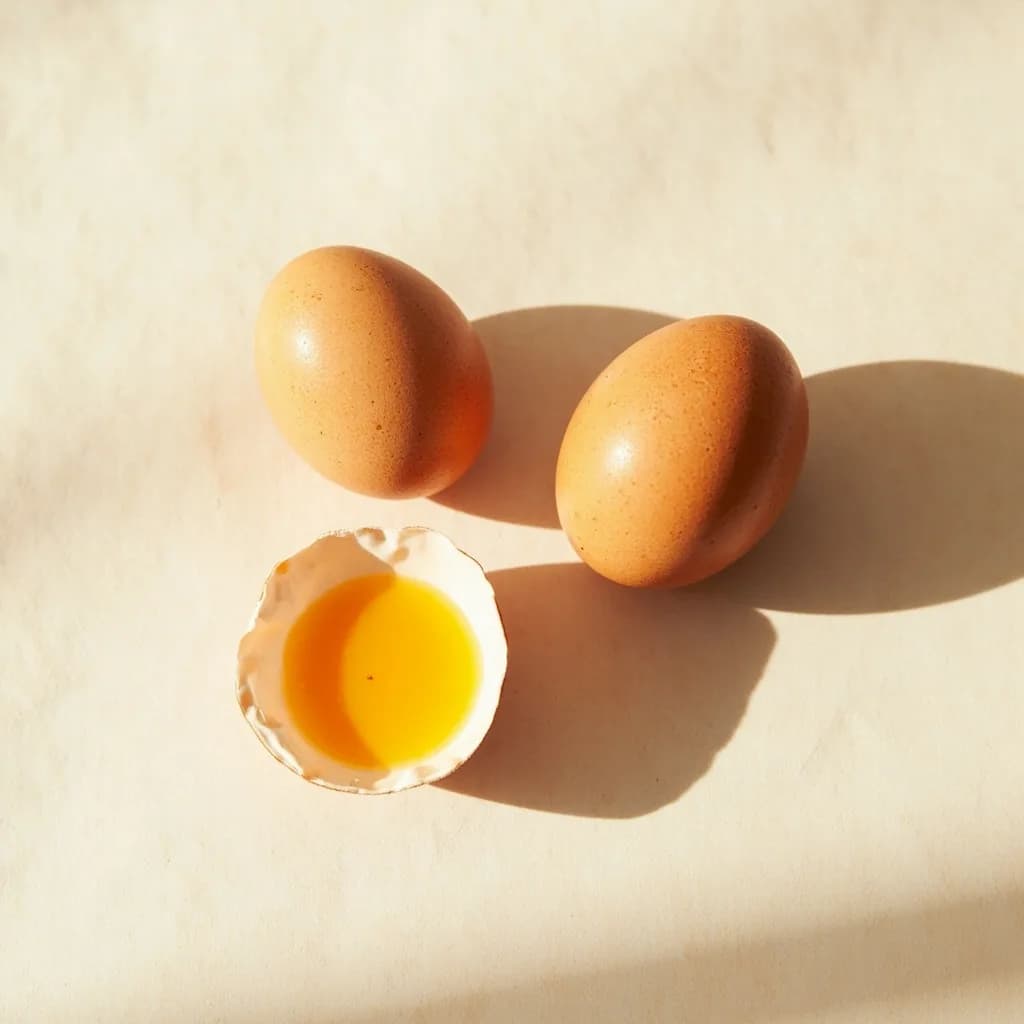
Egg
The kitchen's everything ingredient — bind, leaven, enrich, or fry
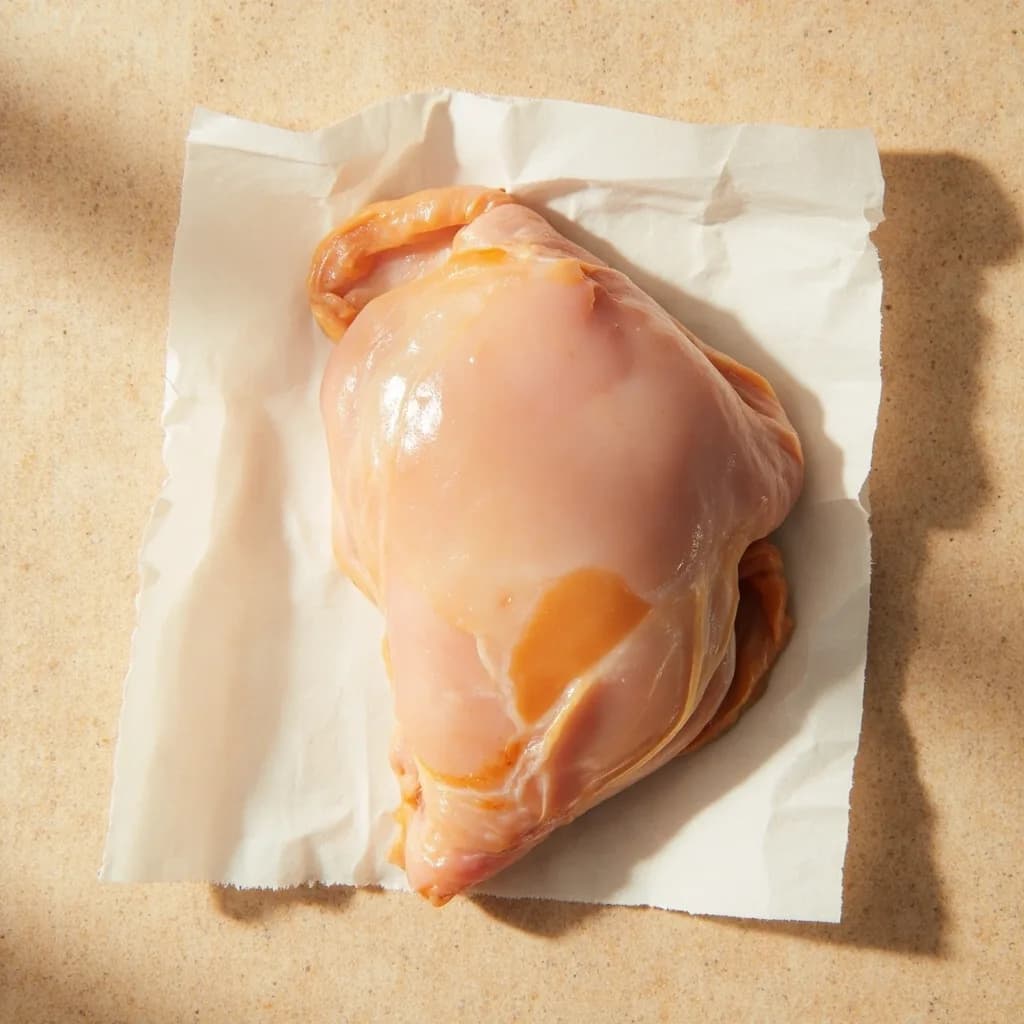
Chicken Breast
Lean, quick-cooking white meat for everyday dinners

Ground Beef
Versatile minced beef for burgers, ragù, tacos, and meatballs
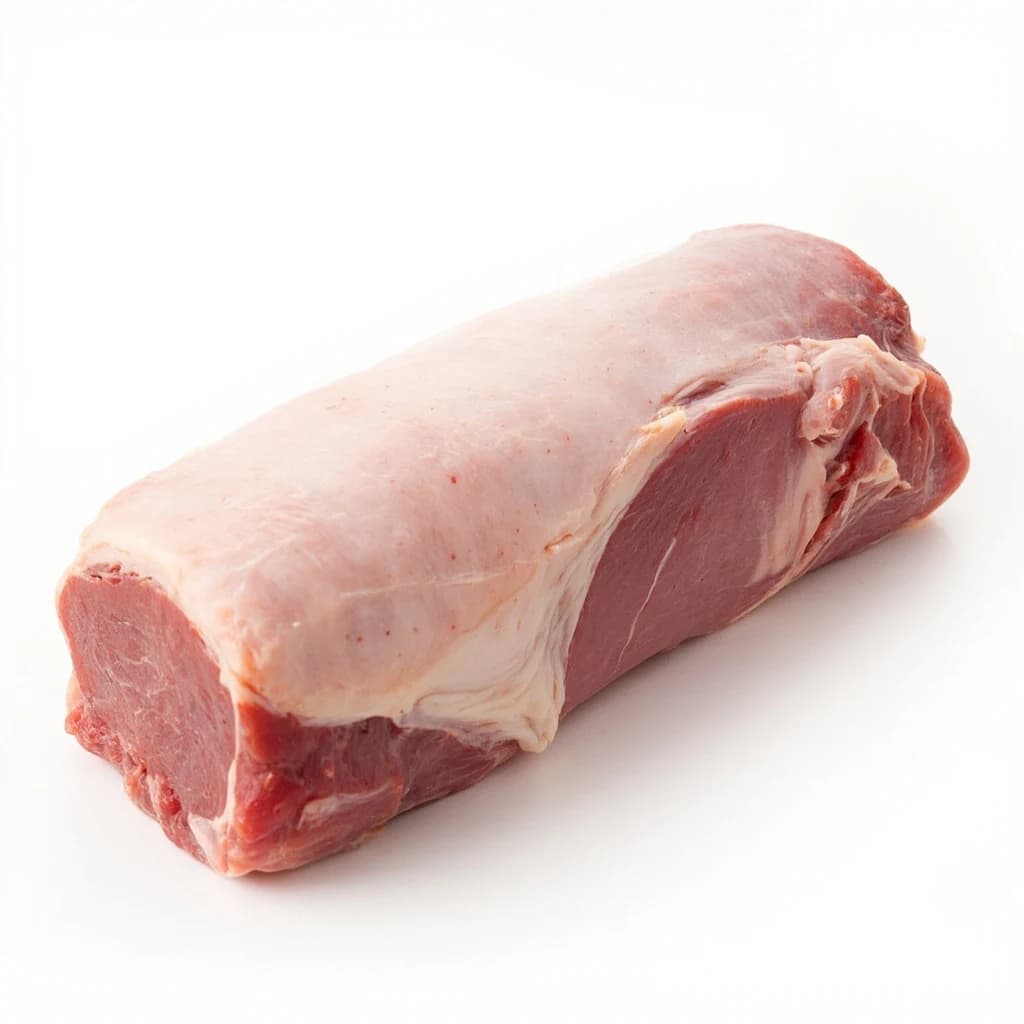
Pork Loin
Lean, tender roasting cut that stays juicy with care
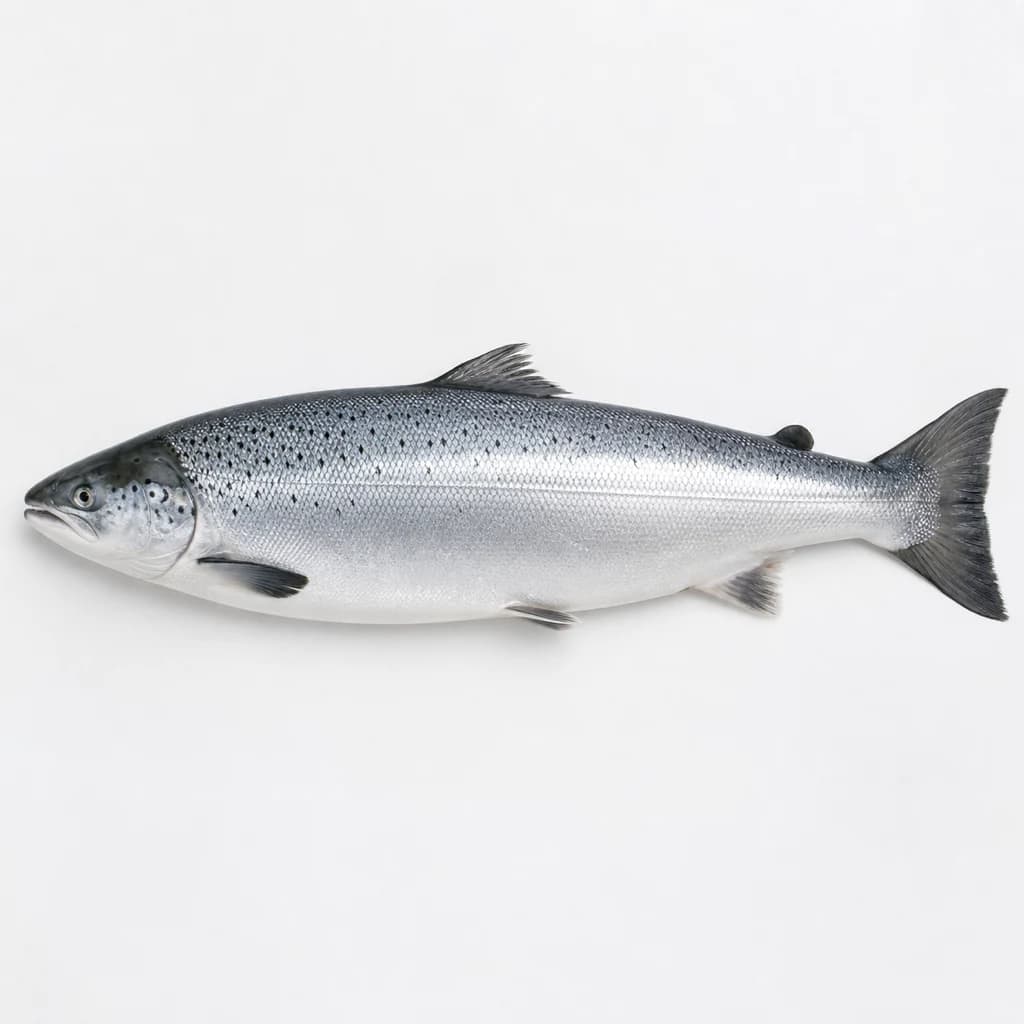
Salmon
Rich, rosy fish that roasts, grills, or cures beautifully

Egg White
Pure protein that whips to airy peaks for meringue and more

Egg Yolk
Rich, golden yolk for custards, mayonnaise, and pasta

Quail Egg
Tiny, speckled eggs for garnishing and elegant bites