
Natural form
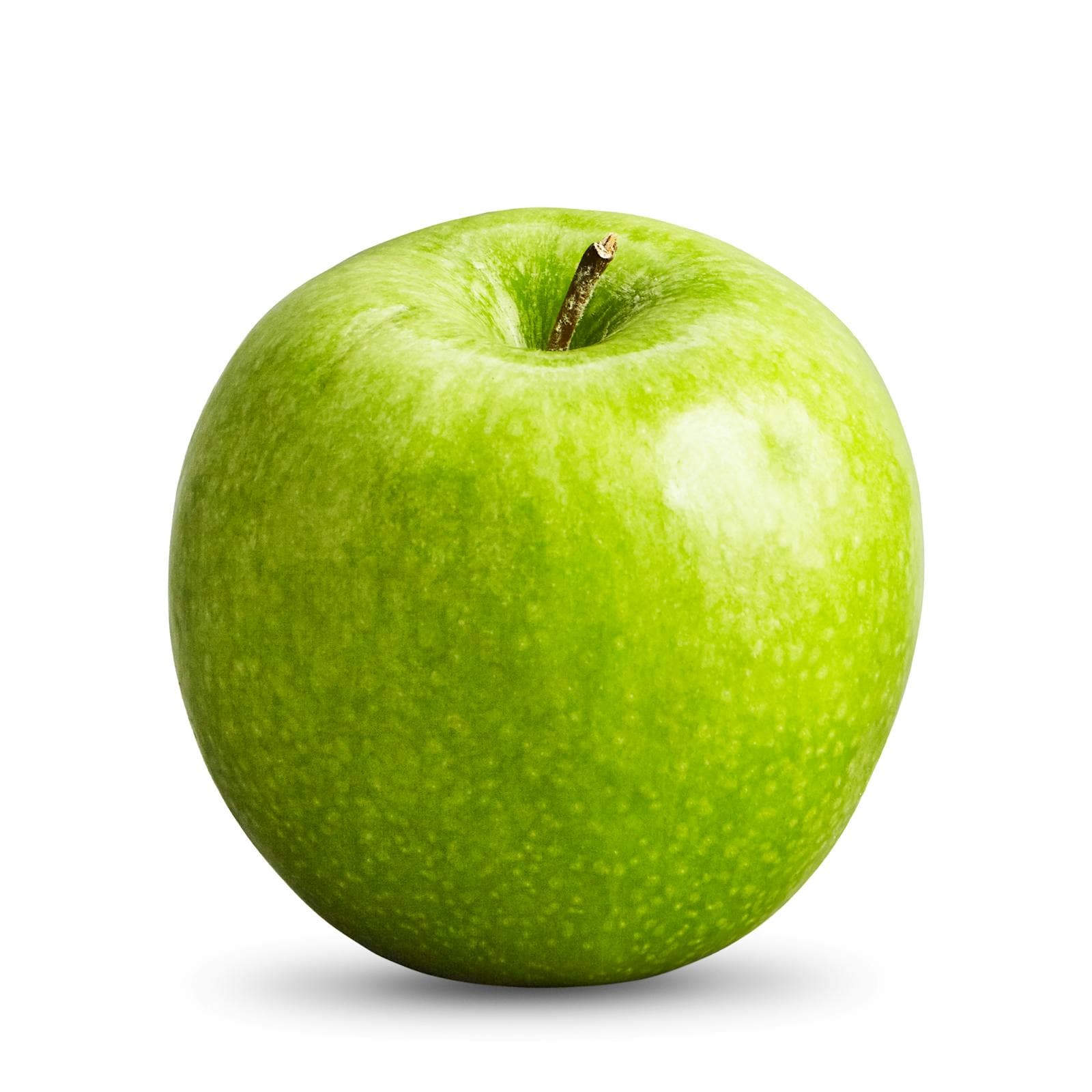
Whole Granny Smith apples showing their characteristic bright green skin and firm round shape.
Establishes the unmistakable visual identity of green apples — color, size, and surface texture that readers need to recognize them.
Produce
Green Apple
Tart, firm apple eaten raw or baked; prized for its crisp bite and bright acidity.
Green apples, such as the Granny Smith variety, are firm, pale-green apples with a sharp, tart flavor. They hold their shape well when cooked, making them a favorite for pies, tarts, and chutneys, while their crispness suits raw slaws and salads. Their high acidity also helps balance rich or sweet dishes.
Green apples are defined not by a single variety but by their green skin at peak ripeness and characteristically high acidity—typically ranging from pH 3.3 to 3.9. Unlike their sweeter cousins, green apples deliver a bright, pronounced tartness that makes them indispensable in both raw and cooked applications. Their firm, snappy flesh resists structural breakdown when heated, making them the reliable backbone of pies, tarts, and compotes that would collapse with a softer apple.
What sets green apples apart is their resistance to enzymatic browning. When cut and exposed to air, most apples oxidize and turn brown within minutes; green varieties maintain their clean, pale flesh considerably longer. This quality, combined with their structural integrity, makes them the superior choice for fresh preparations like composed salads and cheese boards where appearance matters as much as flavor. In classical French cuisine, green apples were considered essential for providing what the French call "coup de fouet"—the brightening acidity that cuts through rich, fatty, or sweet preparations and brings balance to a dish.
Cooking transforms green apple acidity into a softer, more rounded tartness. Raw, they deliver a sharp, clean bite; baked or simmered, that sharpness mellows into a sophisticated depth. This duality explains why serious cooks keep green apples stocked year-round: they are the workhorse of the fruit drawer, equally at home in a weeknight applesauce as in an elaborate Tarte Tatin.
- Measured in
- piece
- Storage
- Fridge
Types & varieties
Bright green skin, very tart, extremely firm; the standard green apple for cooking and eating; originated in New South Wales, Australia, circa 1860s
Single tree bearing multiple green apple varieties for extended harvest and varied tartness levels
British cooking apple, pale green with red blush; exceptionally sharp acidity; collapses to fluffy texture when cooked; ideal for pies and sauces
American heirloom, greenish-yellow skin; complex, wine-like acidity; excellent keeper; prized by colonial Americans for baking and cider
Old American variety, dull green skin; very tart, firm flesh; traditional New England cooking apple since the 1600s
Yellow-green cooking apple; firm, slightly aromatic; holds shape well in tarts; popular in Victorian-era cookery
French heirloom, pale green ribbed skin; tangy, rich flavor; the classic French tart apple since the 16th century
Technically yellow-green; sweeter than true greens but still firm; softer texture than Granny Smith; best for fresh eating
Common uses
Tips & pitfalls
- Buy firm apples that feel heavy for their size; avoid any with soft spots or wrinkled skin, which indicate age or damage.
- Refrigerate unwashed in a plastic bag with holes; wash just before use to prevent moisture-promoted decay.
- For pies, combine Granny Smith with a sweeter apple (like Fuji or Honeycrisp) in roughly a 1:1 ratio to balance tartness and prevent an excessively sharp filling.
- To prevent browning when cutting for salads, drop pieces briefly in water with a squeeze of lemon juice, then drain thoroughly before using.
- When baking whole or stuffed, score the skin deeply around the equator to prevent explosive splitting in the oven.
- For a brighter, cleaner tartness in sauces, add a small amount of lemon juice even when using naturally acidic varieties.
- Green apples caramelize more slowly than sweeter varieties due to lower sugar content; plan for slightly longer cooking times when making caramelized preparations.
Nutrition
Energy
218 kJ · per 100 g
Where the calories come from
Protein
0.3g
1% DV
Carbs
13.8g
5% DV
Fat
0.2g
0% DV
Fiber
2.4g
9% DV
Sugars
10.4g
of which
Sodium
1mg
0% DV
Source · USDA FoodData Central · approx. Apples, raw, with skin (Includes foods for USDA's Food Distribution Program)
View on FDC →In the shops
Matched grocery products
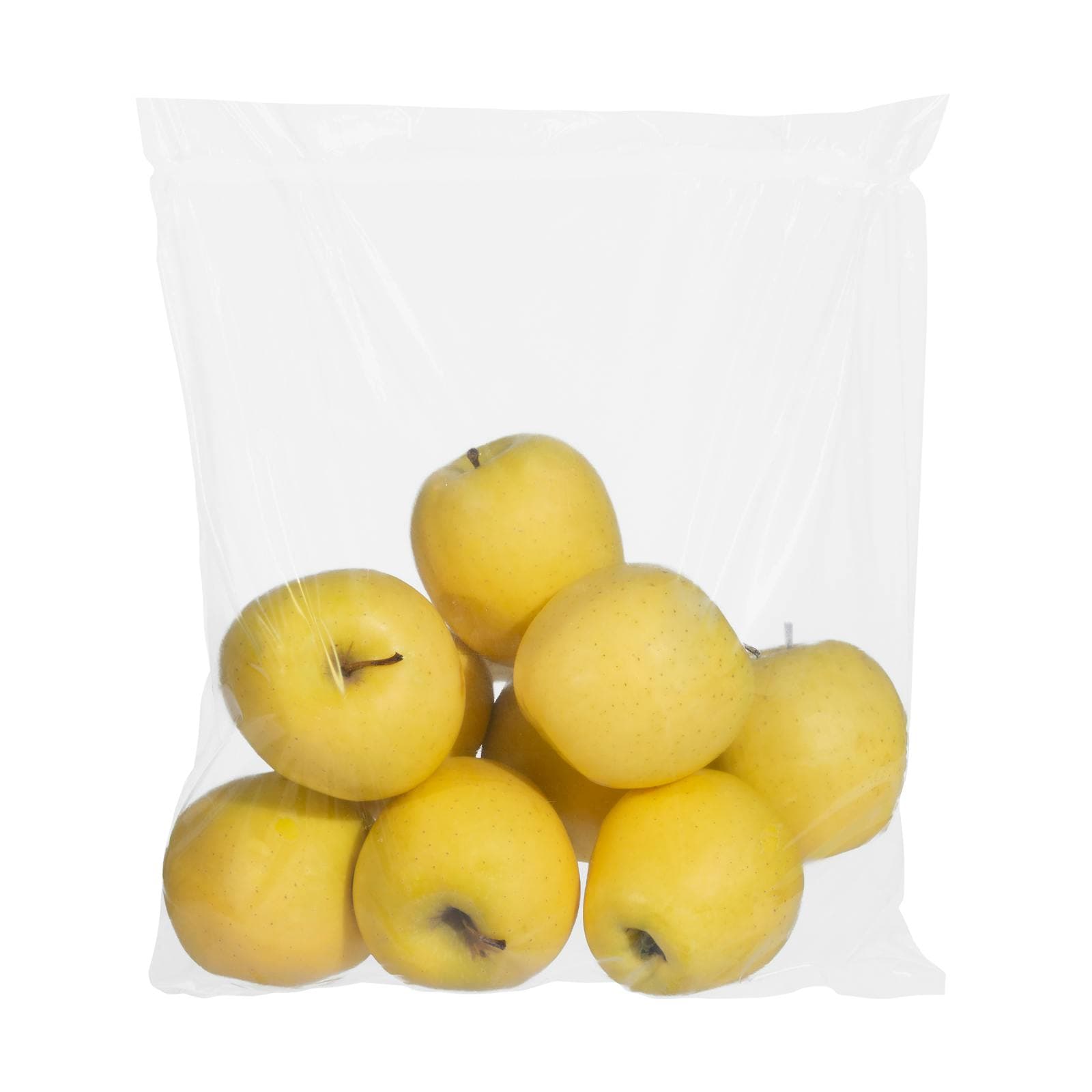 €2.84
€2.84Golden Apples
1.58 kg · Mercadona
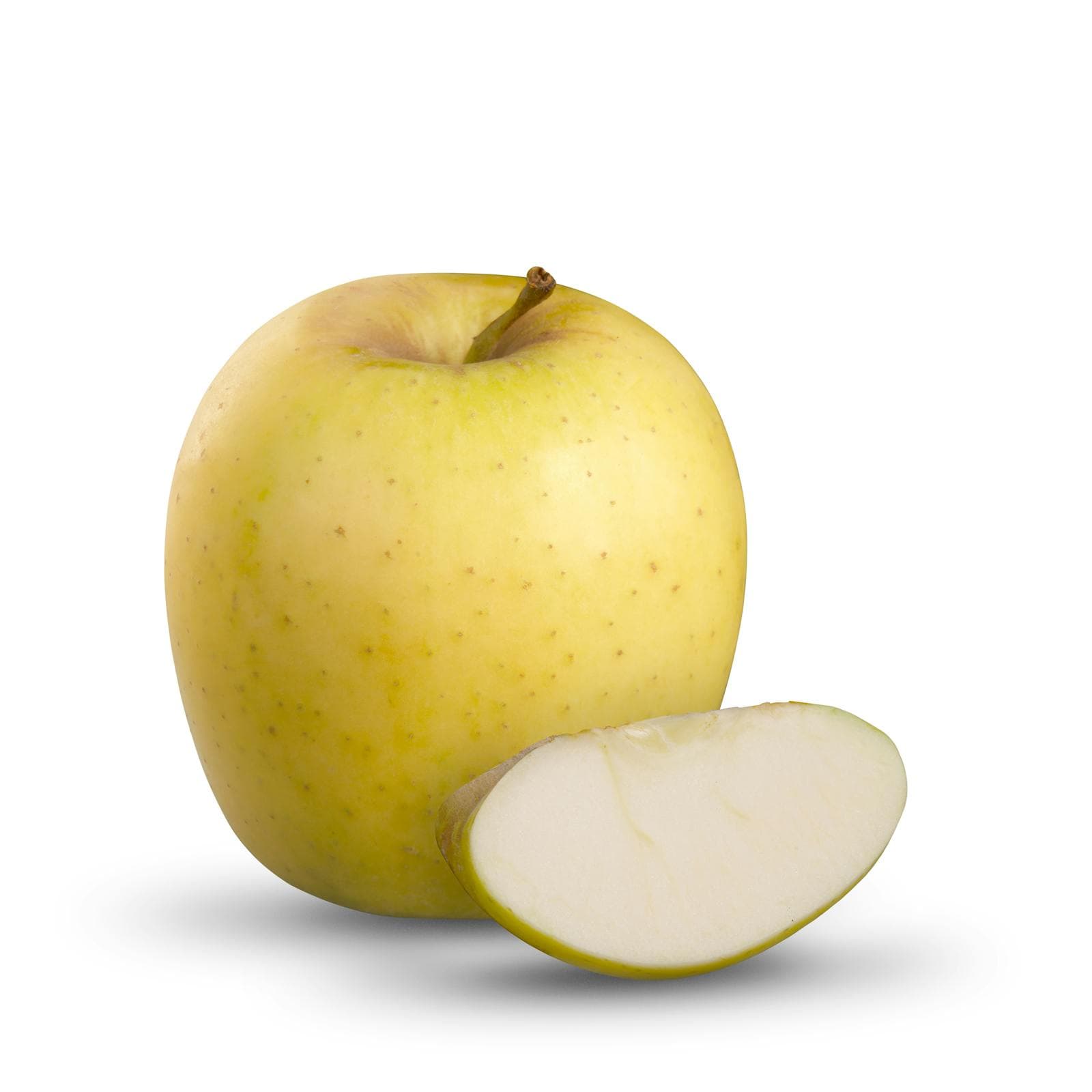 €0.44
€0.44Golden Apple
200 g · Mercadona
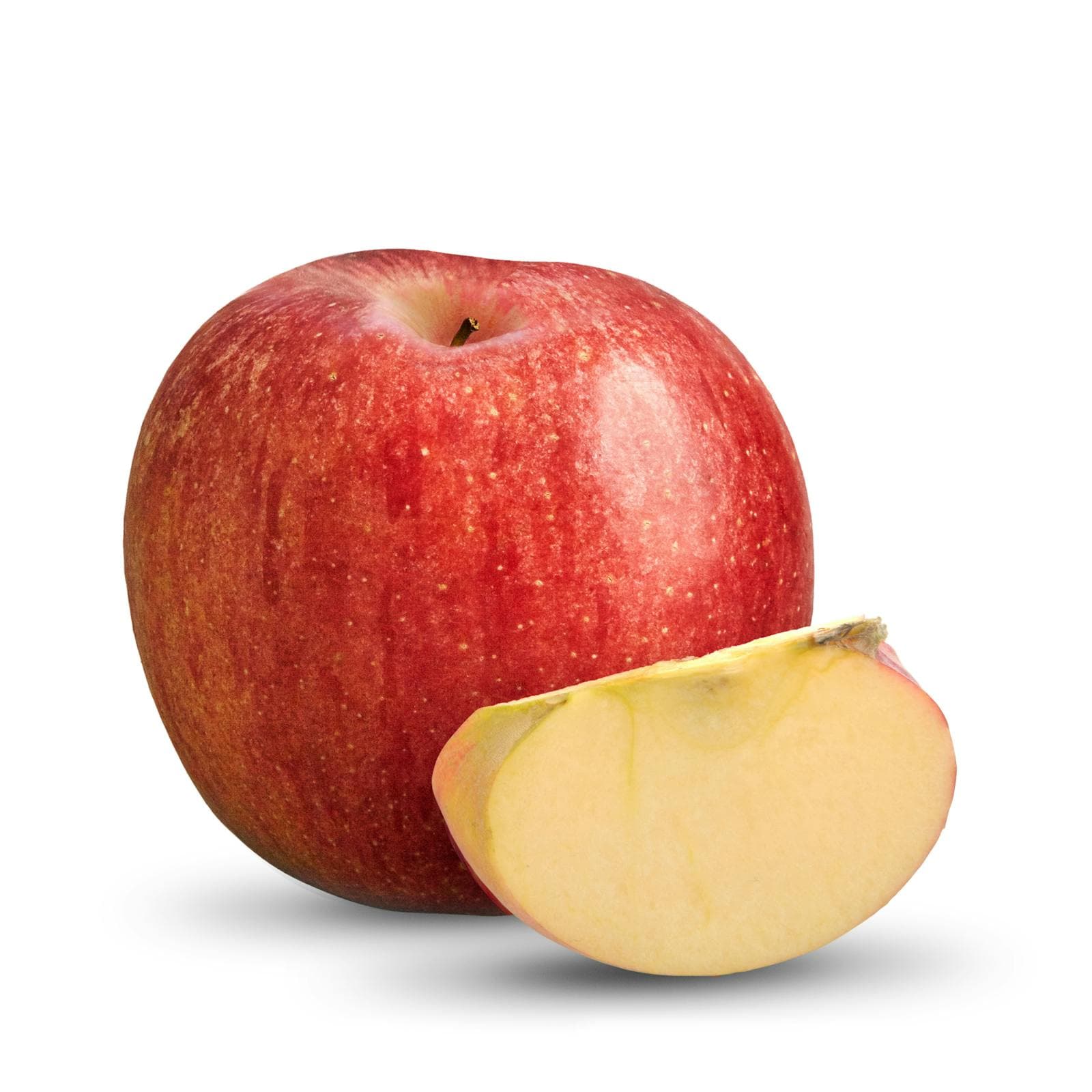 €0.62
€0.62Red Sweet Apple
230 g · Mercadona
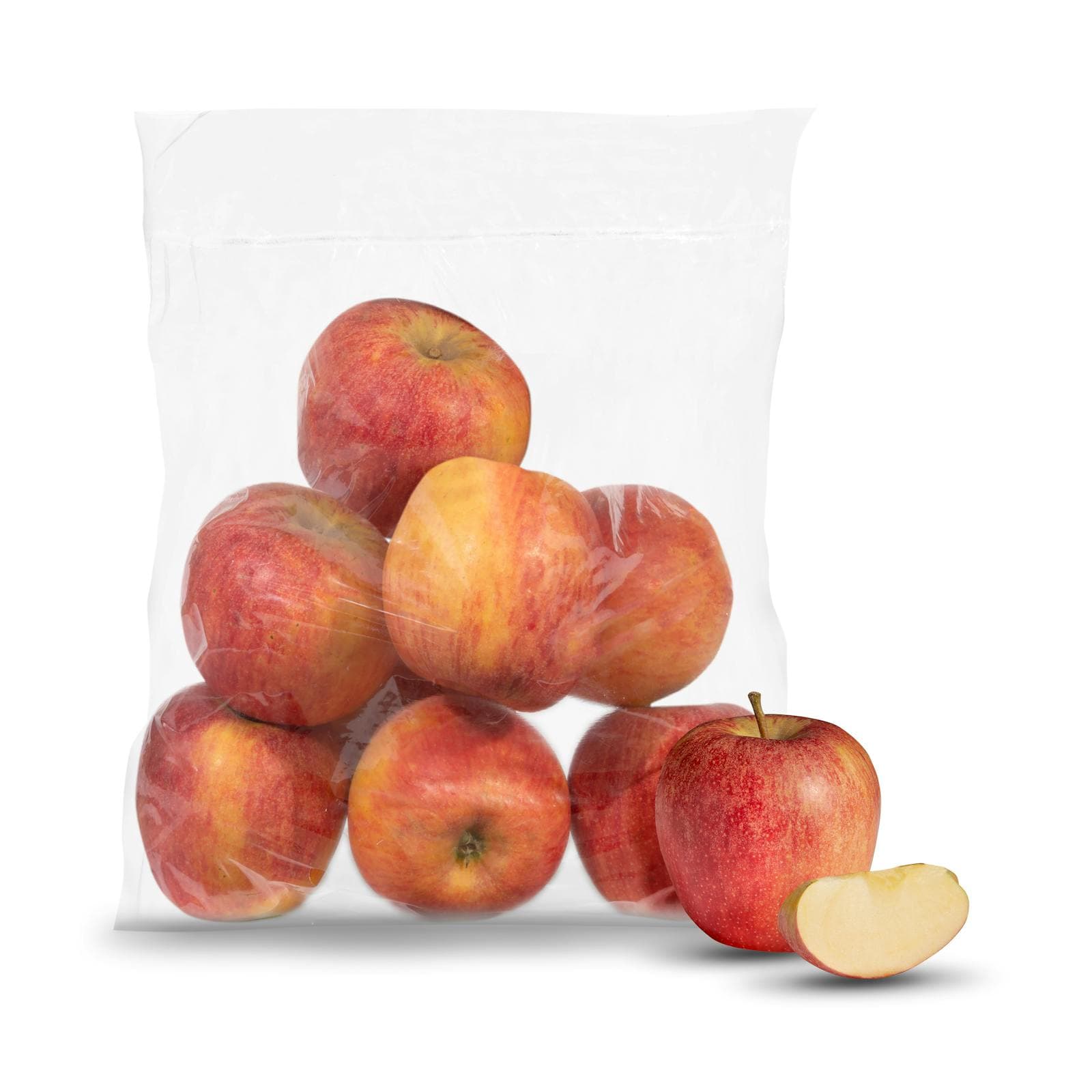 €3.77
€3.77Sweet Red Apples
1.57 kg · Mercadona
 €0.43
€0.43Granny Smith Apple
180 g · Mercadona
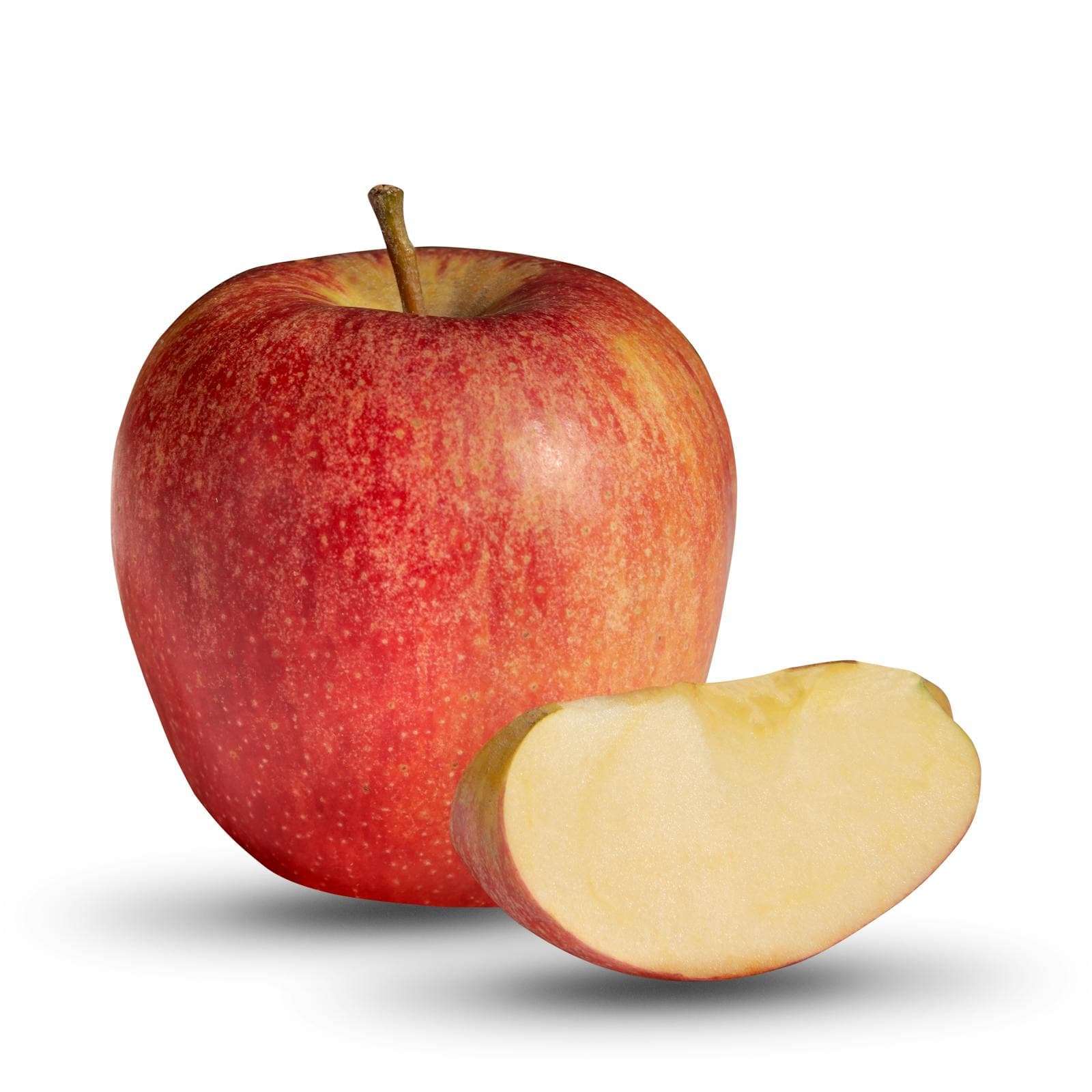 €0.59
€0.59Semi-Sweet Red Apple
220 g · Mercadona
Good to know
- Origin
- Globally cultivated; Granny Smith originated in Australia (1860s) from a chance seedling planted by Mary Ann Smith
- Season
- Harvest late summer through winter depending on variety; best fall through early spring for storage
- Flavor
- Bright, pronounced acidity with variable sweetness; firm, snappy texture that holds when cooked
- pH Range
- 3.3–3.9 (highly acidic); tartness varies by variety
- Storage
- Refrigerate at 32–38°F; store away from other produce (ethylene-sensitive); keeps 4–6 weeks
- Primary Uses
- Fresh eating, baking, sauces, salads, juicing, and preserving
- Key Advantage
- Firm flesh resists browning when cut; maintains structure when cooked
Substitutes
- Granny Smith — Most direct substitute; identical in firmness and tartness for most applications
- Bramley — Excellent cooking substitute; even more acidic, produces fluffier texture when baked; reduce cooking time slightly
- Asian Pear — Only for fresh applications; similar crisp texture but significantly sweeter and less acidic
- Fresh Lemon Juice + Sugar — Rough substitute for pure tartness in dressings or light sauces; add sugar to approximate sweetness
- Cranberries — Provides comparable acidity and color contrast in sauces and chutneys; much smaller and softer
Pairs with
Also called
Granny Smith
Related
Tomato
Juicy, sun-sweet fruit for sauces, salads, and slow-cooked depth
Yellow Onion
The aromatic backbone of soups, sofritos, and braises
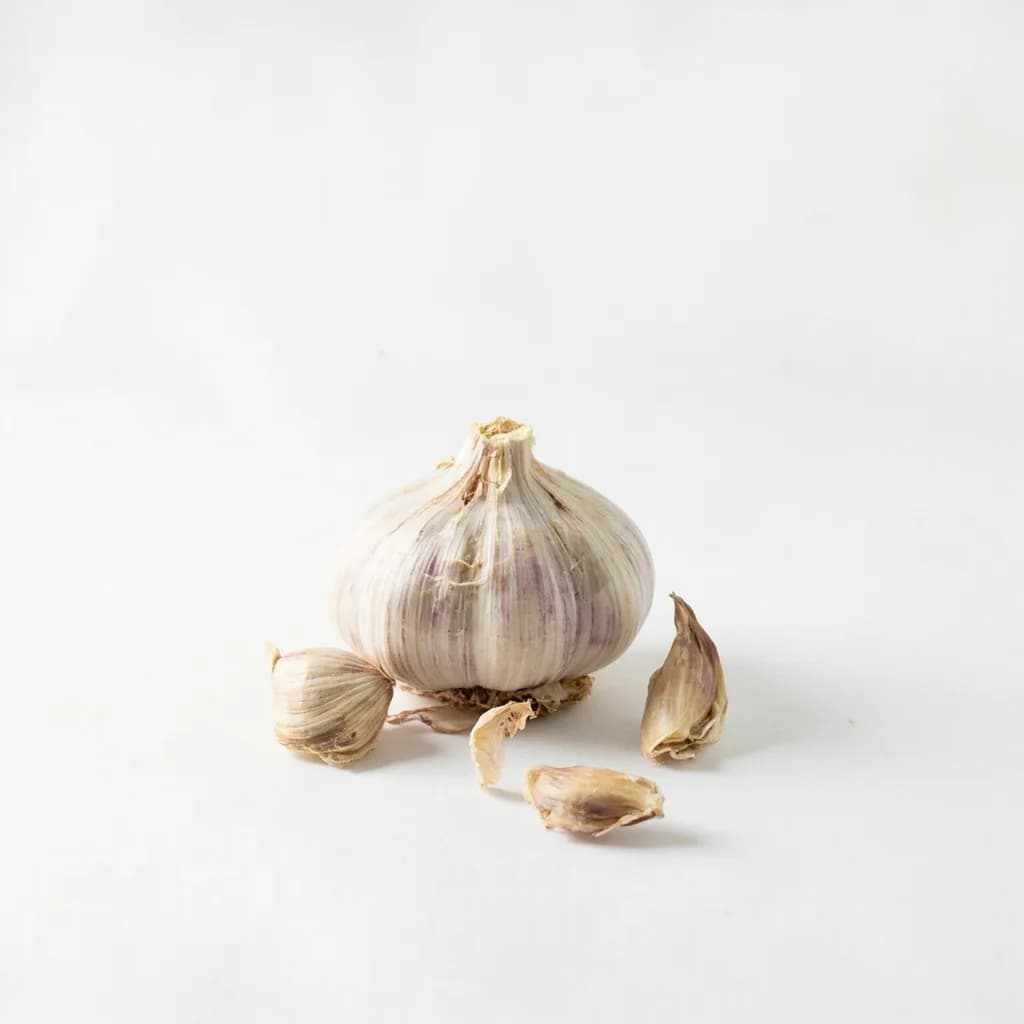
Garlic
Pungent cloves that perfume nearly every savory dish
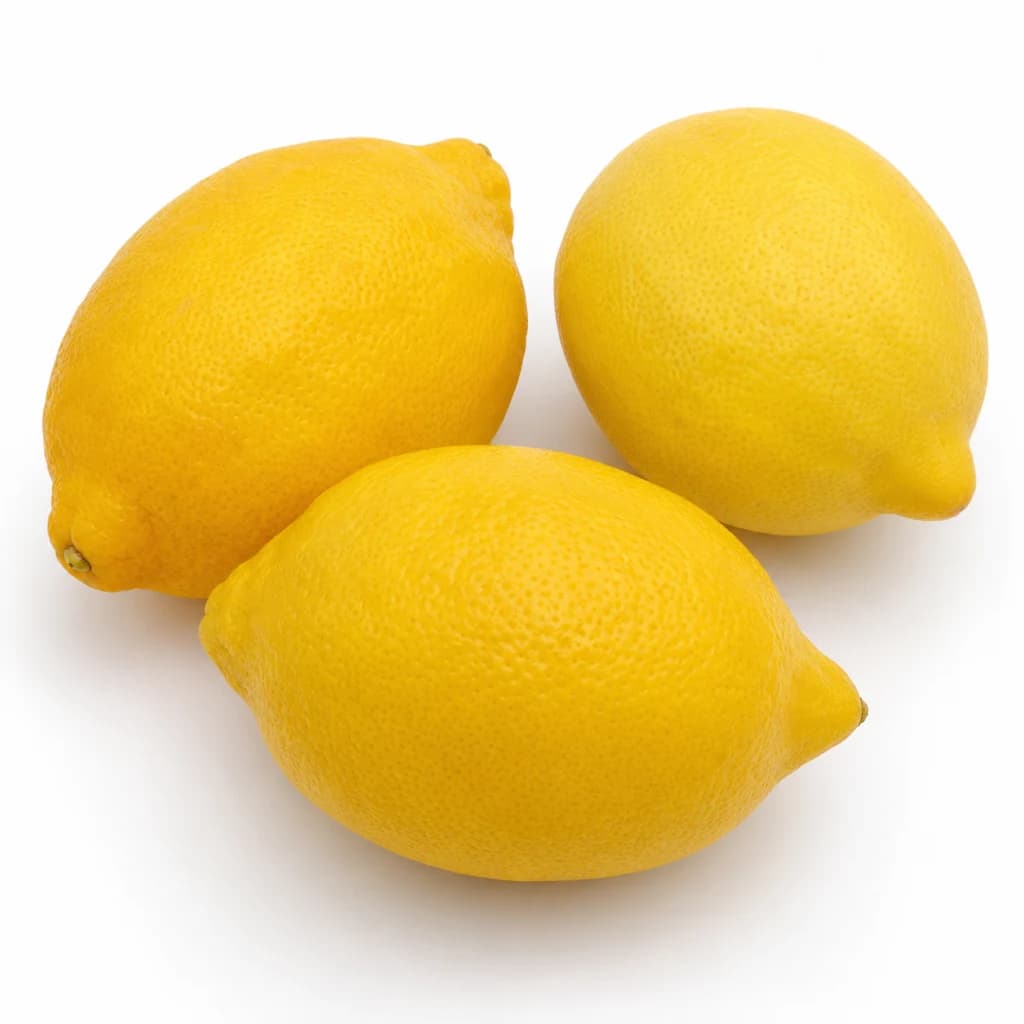
Lemon
Bright, acidic citrus that wakes up almost any dish
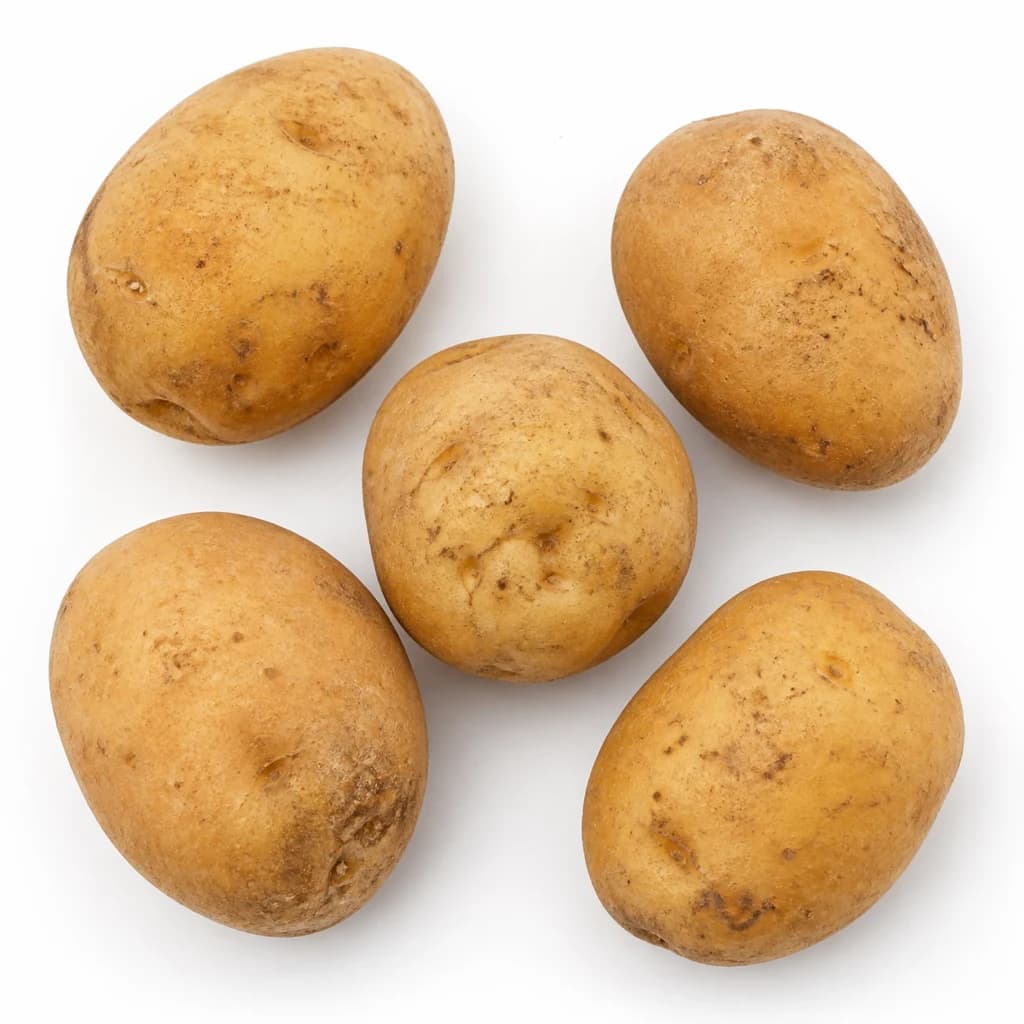
Potato
Humble, hearty staple — roast, mash, fry, or boil
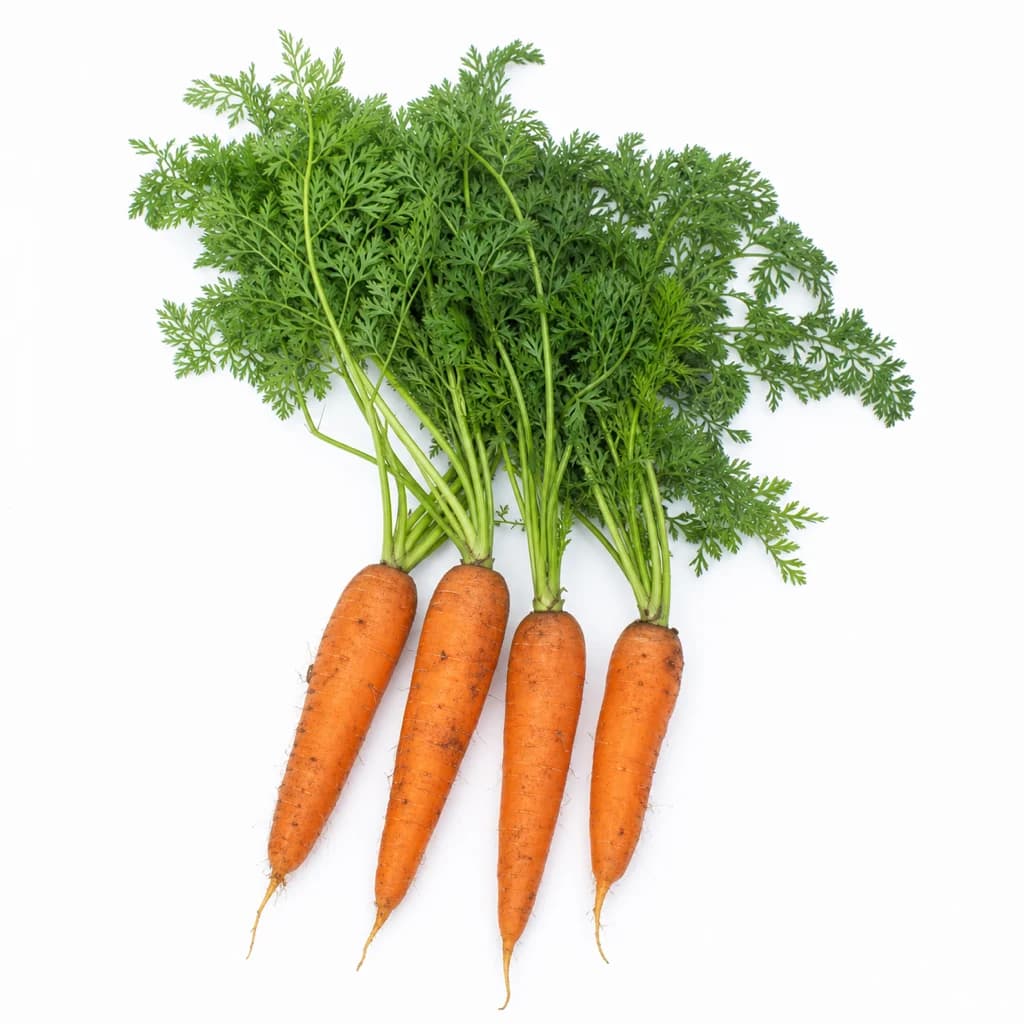
Carrot
Sweet, crunchy root — raw, roasted, or the base of a sofrito
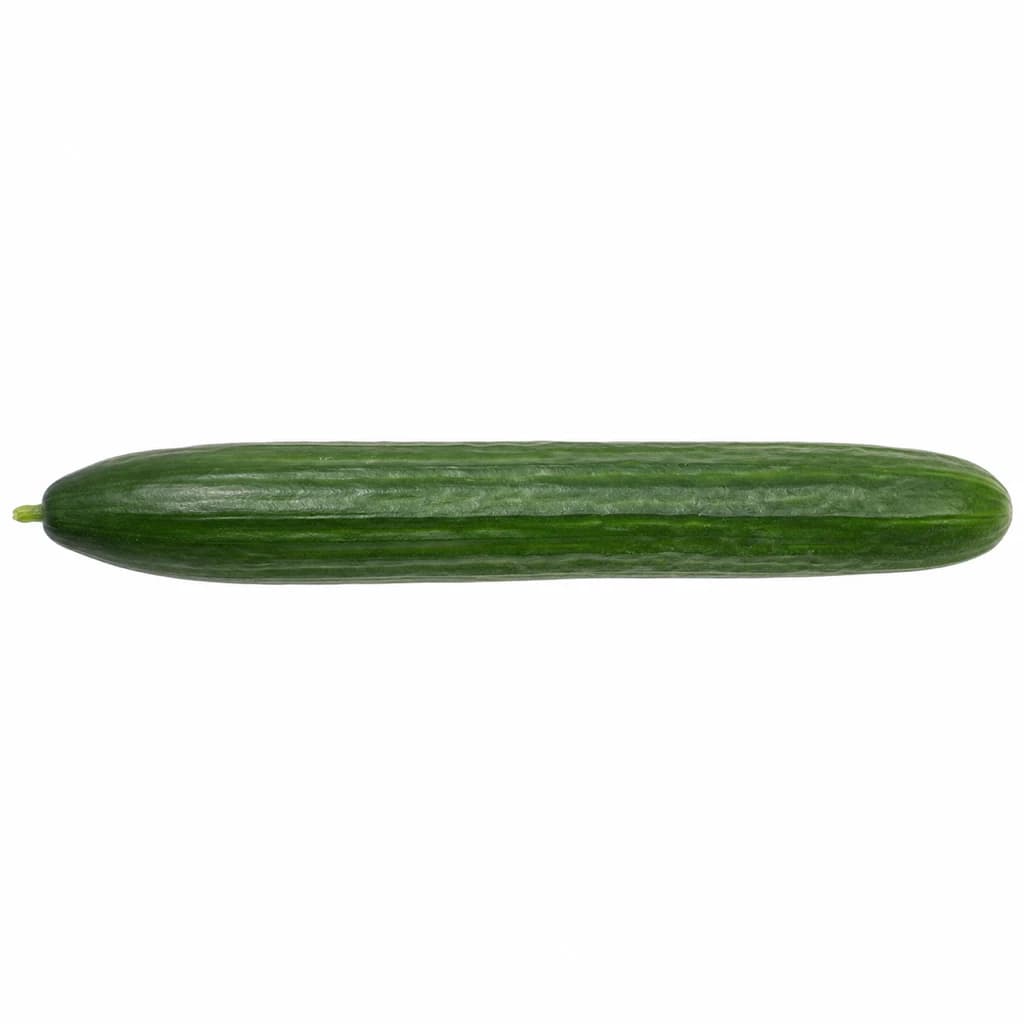
Cucumber
Cool, crisp, and watery — for salads, pickles, and tzatziki

Lettuce
Crisp leaves for salads, wraps, and a fresh crunch