
Natural form
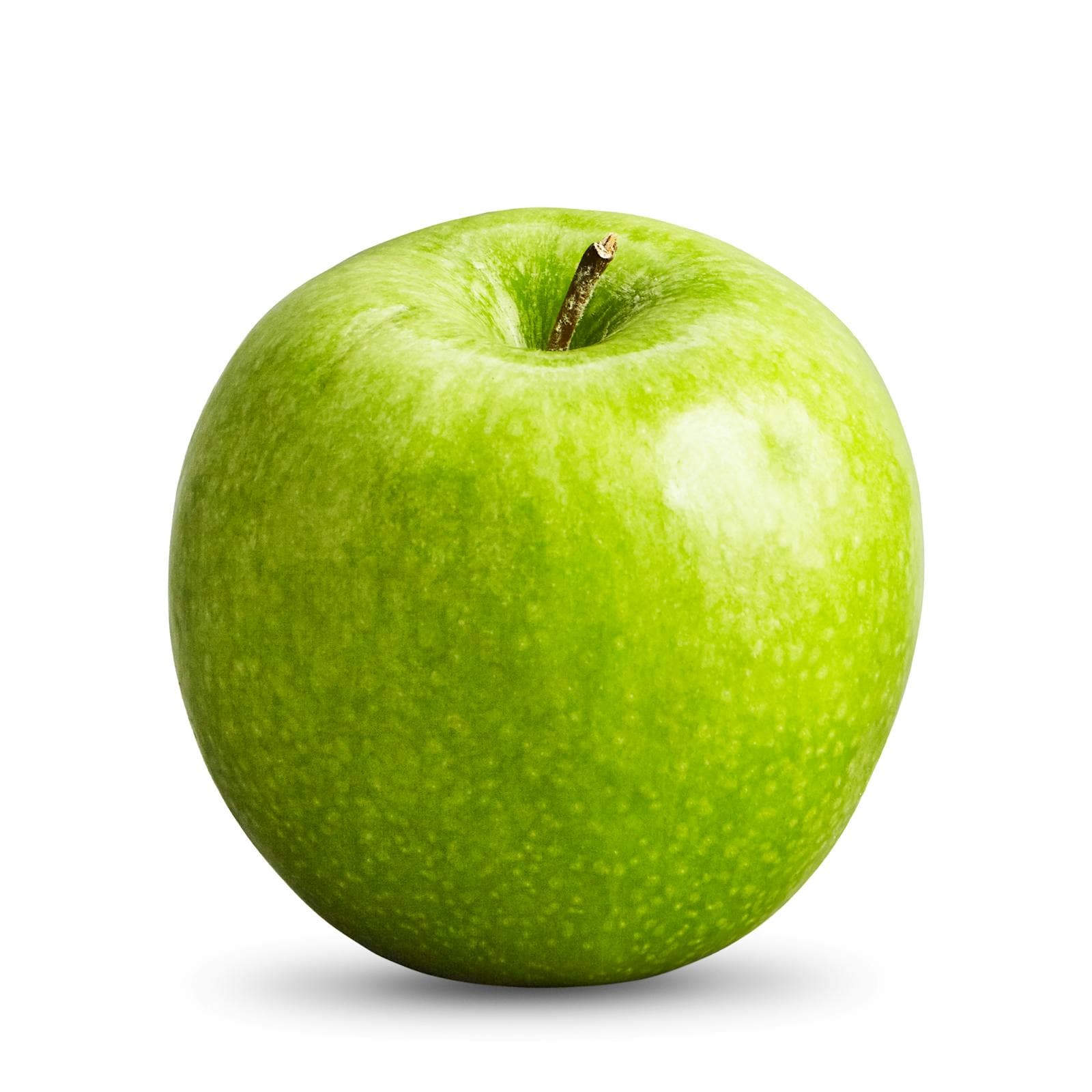
Whole Granny Smith and Bramley apples showing their characteristic tart-variety form and color.
Teaches readers to recognize sour cooking apples by their distinctive bright green skin and firm, round shape before any preparation.
Produce
Sour Apple
Tart, firm cooking apple that holds its shape, used in pies, sauces, chutneys, and savory dishes.
Sour apples are tart, crisp varieties such as Granny Smith or Bramley, prized in cooking for their bright acidity and firm flesh that holds up to heat. They are the classic choice for pies, crumbles, applesauce, and chutneys, and their sharpness balances rich pork and game. The high acid also keeps slices from browning as quickly and lends body to preserves.
Sour apples are a category of Malus domestica bred for high acidity and firm texture rather than the sugar content and tender flesh prized in dessert varieties. Where a Gala or Fuji collapses into soft mush when baked, a cooking apple holds its shape because the same acids and pectin that make it tart also reinforce cell-wall integrity under heat. The acid performs functional work in the kitchen: it activates pectin for thickening, prevents the gray discoloration that occurs when apples react with flour during baking, and inhibits browning enzymes, making sour apples more forgiving in preparation than sweet varieties. The defining trait is straightforward—if an apple makes you pucker, it will likely hold its shape under heat.
- Measured in
- piece
- Storage
- Fridge
Types & varieties
Bright green, very firm, sharply tart. Most widely available cooking apple. Holds shape reliably. Best all-purpose choice for pies, chutneys, and frying.
British variety, very large, extremely tart. Legendary for pies and sauces; flesh becomes pale and fluffy when cooked. Rare in US markets. Gold standard where available.
Large, green with red blush, very firm and tart with exceptional pectin. Celebrated for apple pie. Slow to bear fruit—harder to find commercially. Worth seeking out at orchard stands.
Yellow-green, firm, highly acidic. Colonial-era American variety and an excellent keeper. Holds shape well; prized for pies and apple butter.
Red-orange, balanced tartness with some sweetness. Firm, holds shape, versatile. A reliable all-purpose choice for both sweet and savory cooking in most US markets.
Deep red, small to medium, intensely flavored with a wine-like tartness. Firm, stores well. Excellent for pies and savory preparations.
Deep red, very aromatic, juicy. Tarter than sweet eating apples but softens more than other cookers. Best used in sauces or combined with firmer varieties for pie.
Why Acid Matters More Than Flavor
The tartness of a cooking apple is not merely a flavor note—it is the engine that drives texture and structure in cooked dishes. High acidity activates pectin, which thickens sauces and gives pies their body. It also prevents the gray discoloration that occurs when apples react with flour during baking. This functional role means that substituting a sweet apple is not simply a matter of taste; it is a structural failure waiting to happen. The acid even inhibits browning enzymes, making sour apples more forgiving when prepped in advance.
- High acid activates pectin for thickening without added starch or gelatin
- Prevents gray discoloration when apples cook with flour in pie filling
- Inhibits browning enzymes, extending prep time before cooking
- Structural integrity at high heat is the primary reason sour apples outperform sweet ones in baked goods
Common uses
Tips & pitfalls
- Never substitute a sweet eating apple—Red Delicious, Gala, or Fuji—in a pie filling; the high sugar and low pectin produce a collapsed, syrupy mess and the crust becomes sodden
- Taste before cooking: tartness varies by variety and season. Adjust sugar and spices to the apple, not the recipe card
- For quick browning prevention, salt sliced apples briefly in cold water (5–10 minutes), then drain and dry thoroughly before baking. Do not soak—excess water dilutes flavor
- For pies, combine a firm sour apple with a modest amount of a sweeter variety; this balances acidity without sacrificing the structure that holds the filling together
- Northern Spy is a standout for pie. Its exceptional firmness and pectin content produce a filling that slices cleanly. Seek it at orchard stands or specialty grocers
- When making applesauce, the high pectin in sour apples means thickening happens faster than expected—begin checking texture at 15 minutes to avoid overcooking
- Crowding the pan when frying apple slices steams rather than caramelizes them. Cook in a single layer over high heat for proper Maillard browning
- Even with treatment, pre-sliced apples lose measurable flavor within an hour of cutting. Prepare them just before they go into the dish
Nutrition
Energy
218 kJ · per 100 g
Where the calories come from
Protein
0.3g
1% DV
Carbs
13.8g
5% DV
Fat
0.2g
0% DV
Fiber
2.4g
9% DV
Sugars
10.4g
of which
Sodium
1mg
0% DV
Source · USDA FoodData Central · approx. Apples, raw, with skin (Includes foods for USDA's Food Distribution Program)
View on FDC →In the shops
Matched grocery products
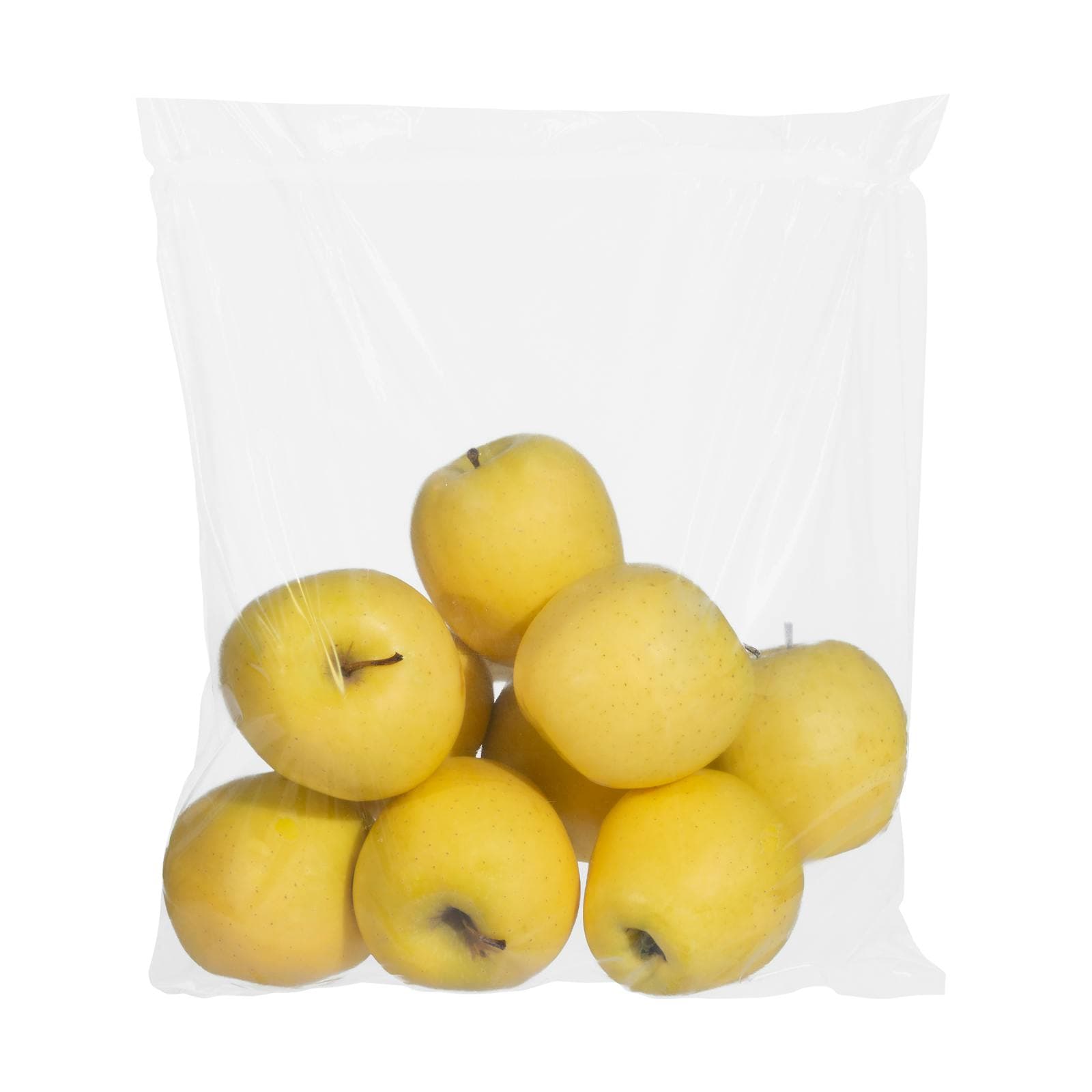 €2.84
€2.84Golden Apples
1.58 kg · Mercadona
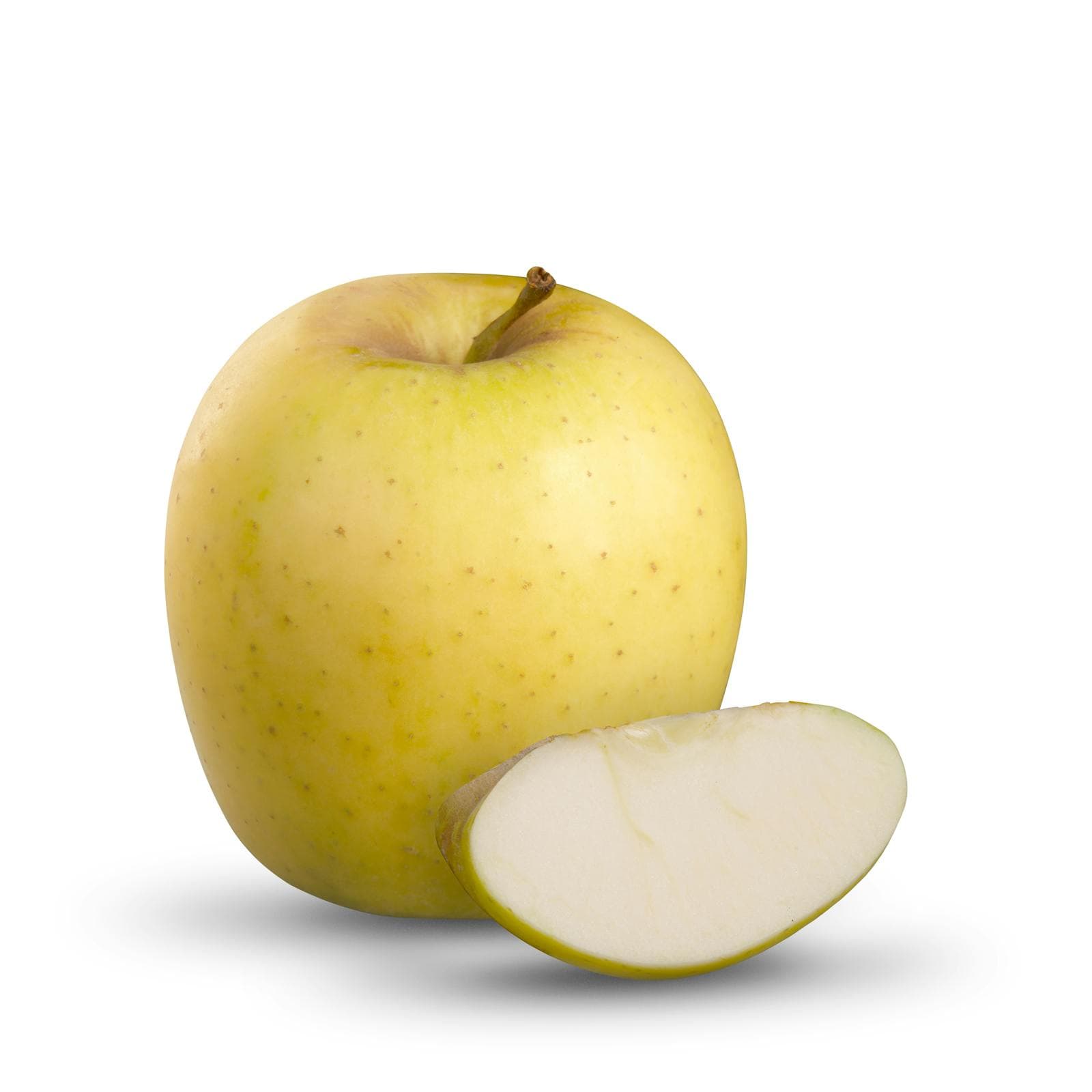 €0.44
€0.44Golden Apple
200 g · Mercadona
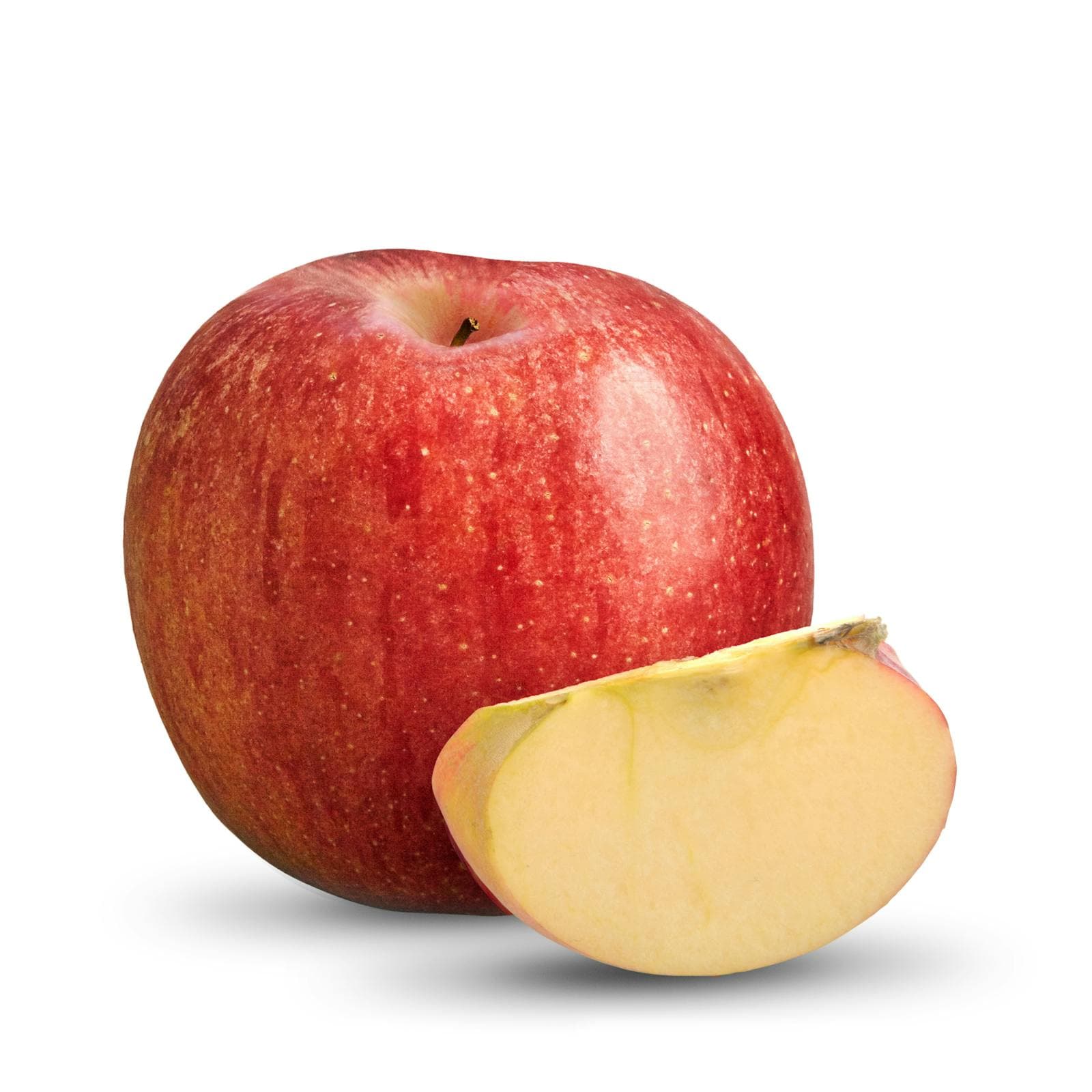 €0.62
€0.62Red Sweet Apple
230 g · Mercadona
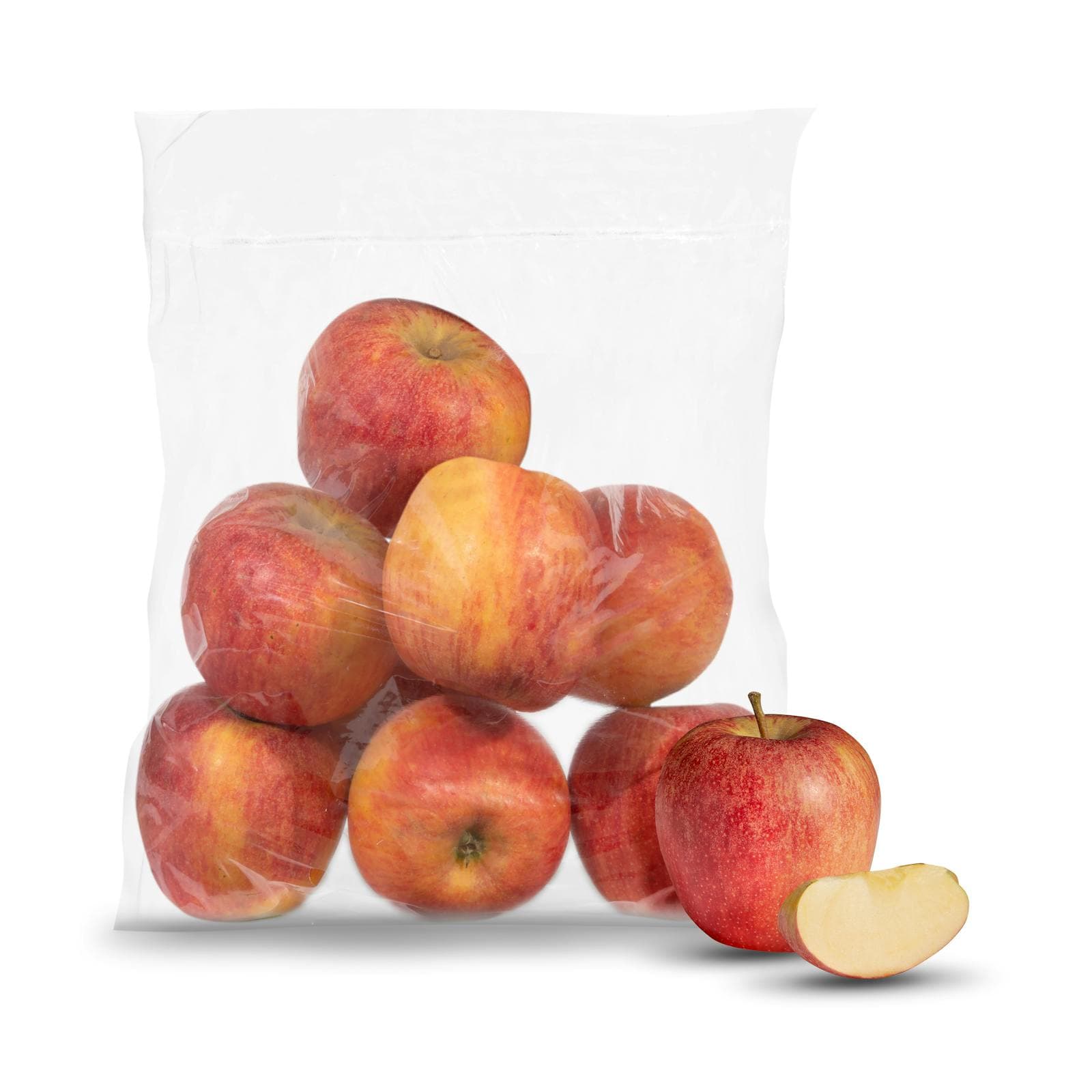 €3.77
€3.77Sweet Red Apples
1.57 kg · Mercadona
 €0.43
€0.43Granny Smith Apple
180 g · Mercadona
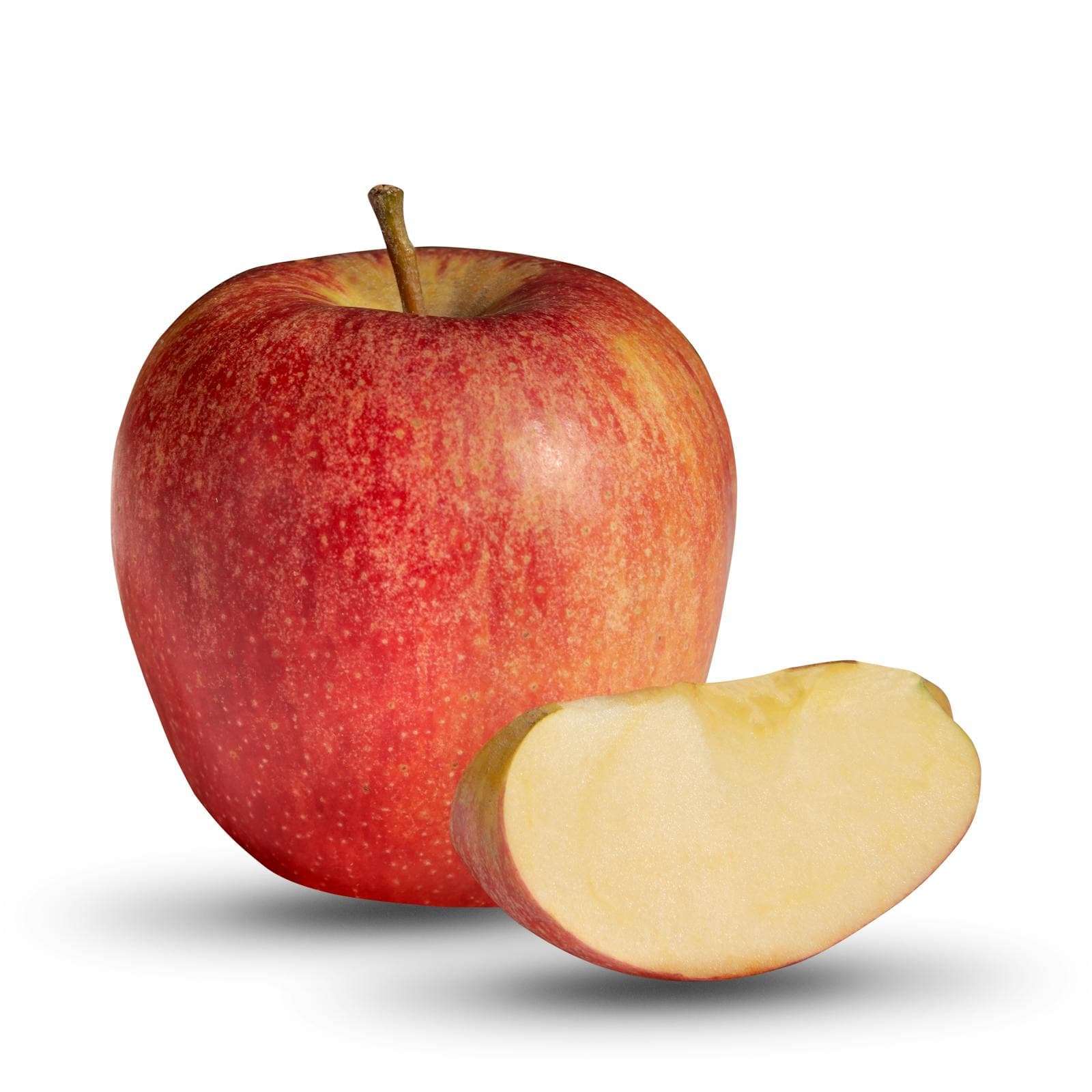 €0.59
€0.59Semi-Sweet Red Apple
220 g · Mercadona
Good to know
- Category
- Cooking apple (Malus domestica)
- Primary Characteristic
- High acidity, firm texture, low sugar relative to dessert apples
- Tartness Range
- pH 3.0–3.4, more acidic than sweet eating apples
- Texture When Cooked
- Holds shape well; high pectin reinforces cell-wall structure under heat
- Peak Season
- Late summer through early winter for most varieties; some store into spring
- Storage
- Cool (38–40°F), dark, moderate humidity; keeps 3–6 months
Substitutes
- Bramley — The gold standard for pies where available. Use 1:1 by weight. Combines well with sweeter eating apples to balance tartness.
- Braeburn — The closest all-purpose substitute for Granny Smith in US markets. Firm, enough acidity for most cooked applications, though sweeter than a true cooker.
- Firm, tart eating apples (Braeburn, Jazz, Pink Lady) — Work in cooked applications where true cooking apples are unavailable, though they are measurably sweeter and softer than proper culinary varieties.
- Green cooking pears — Acceptable for chutney or savory preparations only. Similar acidity and texture but a distinct flavor. Not suitable for pies or sweet baked goods.
Pairs with
Also called
Cooking Apple · Tart Apple · Granny Smith · Bramley Apple
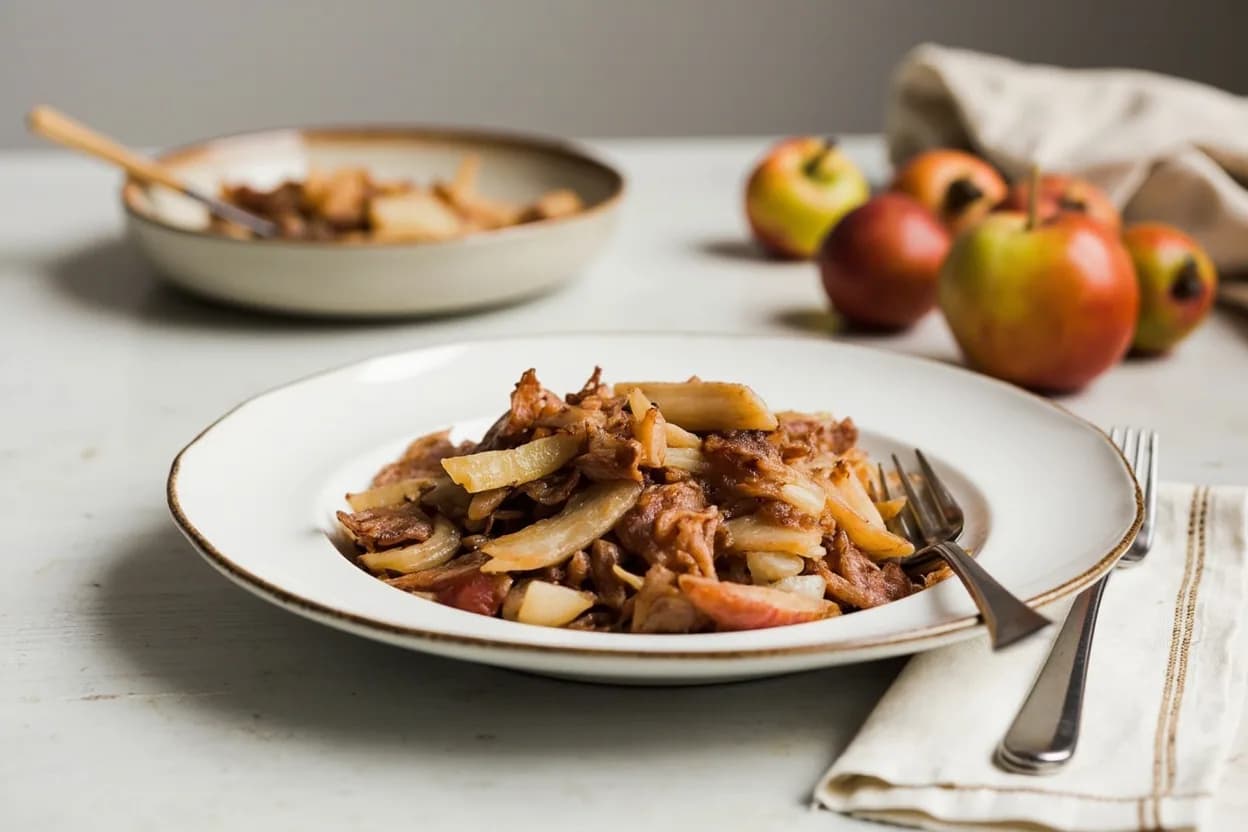
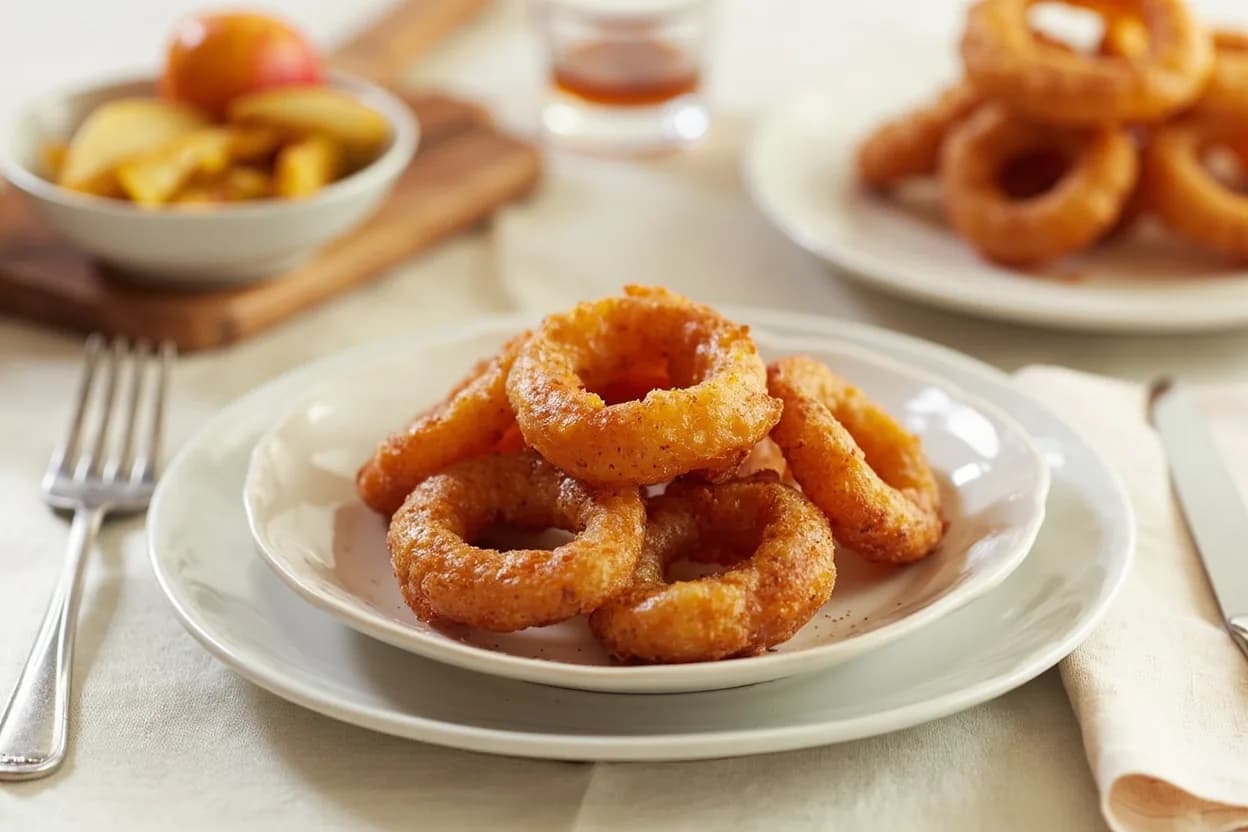
Appears in these dishes
Related

Tomato
Juicy, sun-sweet fruit for sauces, salads, and slow-cooked depth

Yellow Onion
The aromatic backbone of soups, sofritos, and braises

Garlic
Pungent cloves that perfume nearly every savory dish

Lemon
Bright, acidic citrus that wakes up almost any dish

Potato
Humble, hearty staple — roast, mash, fry, or boil

Carrot
Sweet, crunchy root — raw, roasted, or the base of a sofrito

Cucumber
Cool, crisp, and watery — for salads, pickles, and tzatziki

Lettuce
Crisp leaves for salads, wraps, and a fresh crunch