Wraps & Liners
Absorbent Meat Pad
A soaker pad placed under packaged meat or fish to wick away juices and drip.
An absorbent meat pad is a thin cellulose or polymer soaker placed beneath packaged proteins and produce to capture purge, blood, and melting ice. It keeps trays and display cases clean and slows bacterial growth from pooled liquid. The pad is discarded before cooking and never goes into the pan.
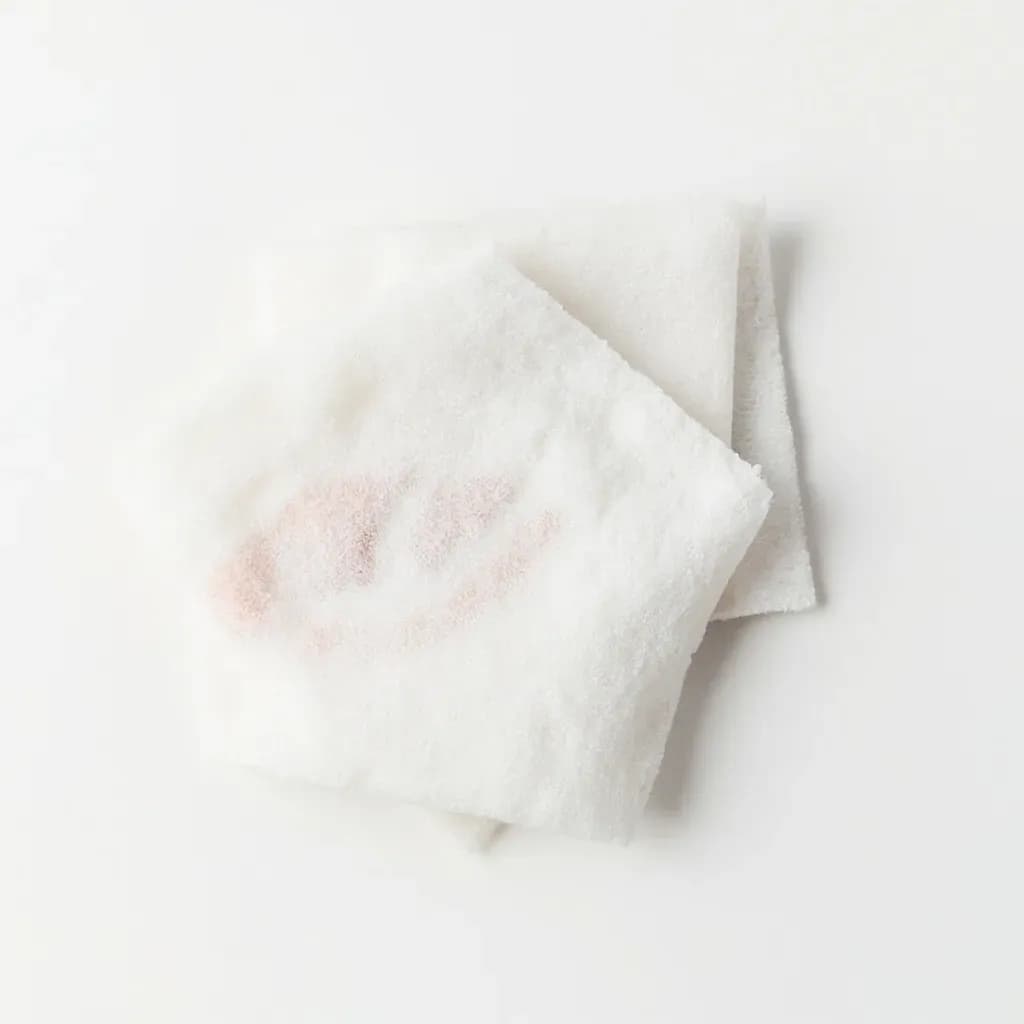
The absorbent meat pad — also called a soaker pad, drip pad, or fish pad — is the small, fluffy rectangle tucked under the cut of meat or fish in a tray at the grocery store. Its job is to pull the watery liquid that seeps out of fresh protein during chill storage away from the food, so the package looks clean and the surface stays dry. That liquid, known as purge, is mostly water tinted with myoglobin and dissolved proteins; it is a normal consequence of post-rigor moisture loss, not a sign of spoilage.
Mechanically, the pad is a two-ply article: a layer of loose cellulose fibers on top to absorb, bonded to a thin polyethylene or polypropylene film on the bottom so nothing leaks onto the tray, shelf, or the package film. Standard retail pads are sized to fit a 4-by-6 or 6-by-9 inch tray, while larger butcher-counter pads run 8-by-12 inches and up for whole chickens, turkeys, and whole fish. A few premium versions use a touch of food-grade superabsorbent polymer (the same chemistry used in diapers) that locks the liquid into a gel rather than holding it as free water, which means less sloshing when the pack is opened.
For the cook, the pad is essentially a piece of packaging that has finished its job by the time you open the tray. It is not a cooking tool, not heat-safe, and not edible, but understanding what it is — and what it is not — keeps you from leaving the plastic backing in a hot pan or mistaking purge for a problem with the meat.
Alternatives
Types & varieties
The default supermarket style — fluffy cellulose bonded to a thin PE or PP film; inexpensive and ubiquitous
Cellulose with a bio-based or wax-coated barrier for sustainability lines; check local composting rules before tossing in the bin
Contains a small amount of food-grade superabsorbent polymer that turns liquid into a gel; less weep-back onto the product and easier to handle
Plastic mesh on the meat side for grip and to keep the pad from sliding out from under the cut
Larger, thicker pads used behind the counter under display cuts, whole fish, whole chickens, and turkeys
Smooth non-stick surface on one side, absorbent cellulose on the other; used where presentation matters
What Purge Actually Is
Purge is the watery liquid that pools under raw meat and fish in the package. It is mostly water, with the balance made up of myoglobin (the red protein that gives meat its color), a small amount of blood plasma, and dissolved sarcoplasmic proteins. The volume you see depends on the cut, the animal's age, how the carcass was handled, and how long the package has been in the case. A small amount is normal and unavoidable; a heavy puddle is more typical of previously frozen and thawed product. Purge is not, on its own, a sign that the meat has gone bad — color and smell tell you far more than the liquid in the tray.
Off-Label Kitchen Uses
Once the package is open, the pad has done its job, but cooks find a few practical second uses for clean, lightly used pads around the kitchen.
- As a quick blotter for thawed proteins before patting dry and seasoning
- Liner under herb bundles, citrus peel, or aromatics in the fridge to catch drips
- A temporary bed under raw fish during a short cure or dry-brine in the refrigerator
- Under berries or washed greens briefly, to pull surface moisture before plating
- Tucked into a cooler bag under whole fish on a trip home from the market
Common uses
Tips & pitfalls
- Remove the pad before rinsing, brining, marinating, or cooking — the plastic backing can melt in an oven or pan and is not rated for heat
- After removing the pad, pat the meat dry with paper towels for better Maillard browning and crisper poultry skin
- Don't let the cut sit in its own juice: lift meat off a saturated pad or transfer to a fresh pad in a clean tray
- When re-portioning bulk meat at home, slip a clean pad under each new portion to extend visual quality in the fridge
- Tear a plain cellulose pad apart and compost the fiber, but send the plastic film to landfill
- Keep a few spare pads sealed in a zip bag in the fridge drawer — they absorb ambient humidity and lose capacity if left exposed
- Choose gel-forming pads for travel coolers with whole fish; the trapped liquid produces less sloshing and weep-back onto the product
- Never put a pad in the microwave or a hot pan, even briefly — the plastic backing is not designed for heat
Good to know
- Material
- Cellulose (wood-pulp) fibers bonded to a polyethylene or polypropylene film backing
- Construction
- Two-ply: loose absorbent cellulose on top, sealed plastic barrier on the underside to prevent leak-through
- Typical Size
- 4 × 6 in to 6 × 9 in for retail trays; 8 × 12 in and larger for whole fish, whole birds, and butcher-counter service trays
- Absorbency
- Holds several times its own weight in liquid; gel-style pads use food-grade sodium polyacrylate to trap moisture as a semi-solid
- Purpose
- Wicks away 'purge' — water, blood, and dissolved proteins that seep from meat and fish during cold storage
- Regulatory Status
- Classified as a food-contact article under FDA 21 CFR; components meet food-safety standards but the pad itself is not edible
- Common Names
- Also called soaker pad, drip pad, absorbent meat soaker, or fish pad
- Disposal
- Cellulose fiber can be composted if separated from the plastic backing; most film-backed pads go in the trash whole, while fiber-only or compostable variants go in the compost bin per local rules
Also called
Absorbent Fish Pad · Absorbent Produce Liner Pad · soaker pad · drip pad
Related

Aluminum Foil
Wraps, covers, and tents food for the oven and grill

Parchment Paper
Nonstick liner for clean, even baking and easy release

Wax Paper
Moisture-resistant sheet for wrapping and counter prep

Plastic Wrap
Clings tight to cover bowls and wrap leftovers

Silicone Baking Mat
Reusable nonstick liner that replaces parchment

Cheesecloth
Loose-woven cloth for straining stock and bundling herbs

Beeswax Food Wrap
Reusable wax wrap that molds around bowls and produce

Piping Tips
Shaped nozzles that turn frosting into stars and rosettes