Heat & Safety
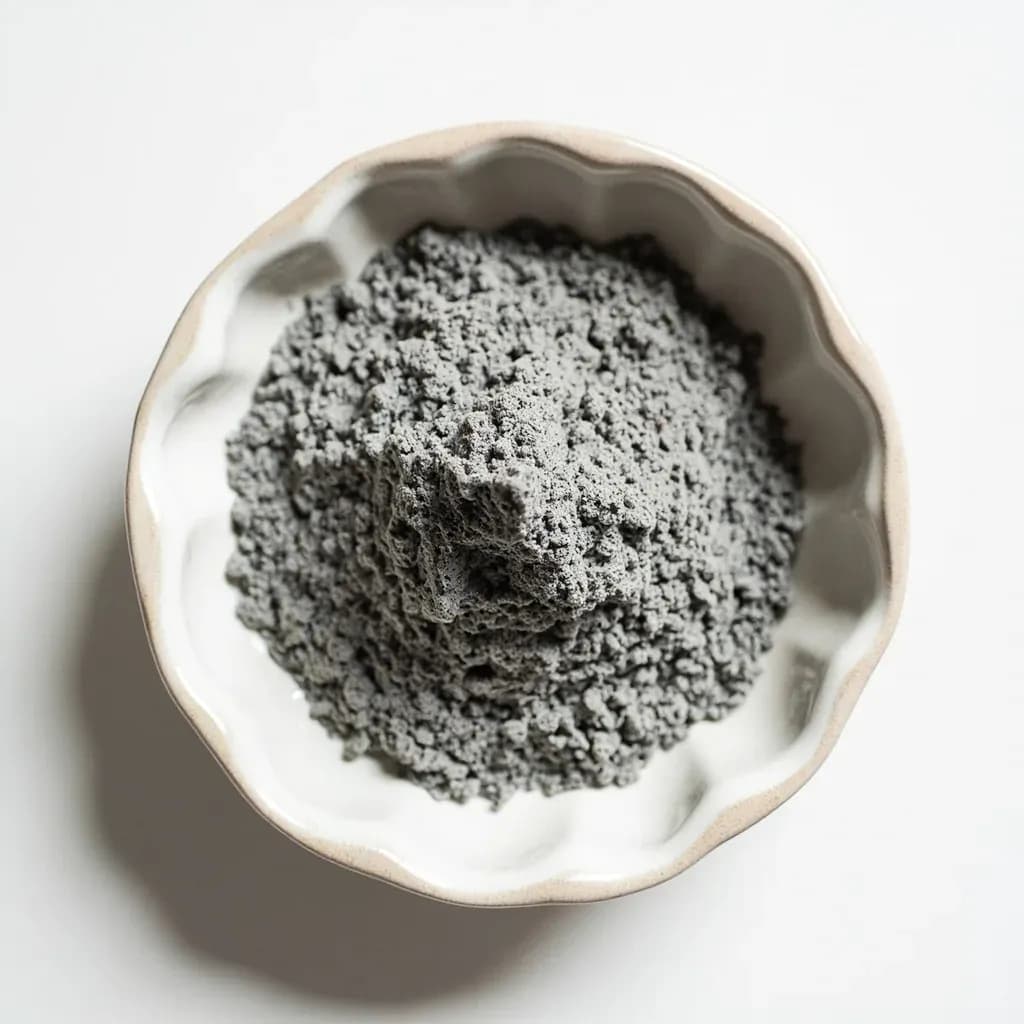
Ash / Scrub Cleaning Powder
An abrasive powder, often wood ash, used to scour pots, grills, and stubborn grime.
Ash or scrub cleaning powder is a gritty abrasive, traditionally wood ash, used to scour caked-on residue from pots, pans, and grill grates. Its mild abrasion and alkalinity cut through grease and carbon without harsh chemicals. Cooks rub it on with a damp cloth or sponge, then rinse clean.
Wood-ash cleaning powder is one of the oldest scouring agents a cook can reach for, predating every commercial scrub on the shelf. In its traditional form it is simply fine, sifted ash from untreated hardwood — oak, hickory, or beech — and its cleaning power comes from two working parts at once: the insoluble mineral grit that does the physical abrading, and the soluble alkali (potassium hydroxide, also called potash or lye) that is formed when ash contacts water. That second part is what separates ash from gentler powders like baking soda or feldspar-based scouring cleansers. A wet paste of real hardwood ash typically tests at pH 11–13, putting it firmly in caustic territory and giving it the ability to saponify and lift burnt grease that milder alkaline cleaners leave behind.
In the kitchen, ash powder is best understood as a workshop product rather than a daily sink-side cleanser. Its real jobs are the heavy, periodic ones: stripping carbonized fat from grill grates, scouring soot from fireplace glass, brightening tarnished copper, and — most usefully for cooks — preparing cast iron for a full re-seasoning by removing every trace of old polymerized oil. It is overkill for a sauté pan that just needs a wipe-down, and unnecessarily hazardous in a house with curious children, which is why most modern cooks encounter it as a homemade blend rather than a store-bought can.
Behaviorally, think of ash as halfway between baking soda and straight lye drain opener: more abrasive than the soda, far less aggressive than the lye, and uniquely capable of being sourced for free from a wood stove or fireplace. It clumps in humid storage and should be kept dry to remain free-flowing; treat it with the same respect as any other caustic — gloves on, dust down, and well away from acids.
Alternatives
Types & varieties
Sifted, fine ash from untreated hardwood — the traditional, most caustic form.
Equal parts fine ash and table or kosher salt; the salt adds mild extra abrasion and helps cut grease.
Historic outdoor scrub: fine builders' sand mixed with ash for scouring iron grates and heavy soot deposits.
Pressed into cakes or balls with rendered fat or grated castile soap for hand-held scrubbing.
Ash soaked in water and strained to yield a thick, potash-rich paste — the historical precursor to soft soap.
Modern homemade blend that boosts alkalinity and helps soften hard-water deposits.
Brands like Bon Ami use feldspar or limestone rather than real ash and are far milder — useful for daily duty, not for heavy carbon.
How it works
Ash cleans by two simultaneous mechanisms, and understanding both prevents misuse. The insoluble fraction — tiny silica and mineral particles — provides the physical abrasion that loosens carbon and rust. The soluble fraction dissolves in water to become potassium hydroxide, a strong alkali that reacts with animal fats to form soap (saponification) on contact. This is why ash works on greasy carbon where a neutral abrasive like pumice or fine sand stalls: it is scrubbing and chemically breaking down the grime at the same time. Because the lye action depends on water, ash powder behaves very differently dry (just a dusty grit) versus wet (a caustic paste), and the transition between those two states is the single most important thing to control when using it.
- Wet the sponge, not the powder, to keep dust down and lye activation localized.
- Warm water speeds saponification; boiling water is unnecessary and creates more airborne alkali.
- Rinse metals immediately and dry them — the same lye that cleans will flash-rust bare iron within minutes.
- A paste (powder plus just enough water to hold together) clings to vertical surfaces like oven walls and hood filters far better than a slurry.
Cast iron: the special case
Ash powder has a complicated relationship with cast iron. On seasoned pans it is destructive — the lye strips the polymerized oil layer along with the food residue, leaving a grey, dry surface that must be re-oiled and re-baked. For that reason it should never be the routine cleaner for a working skillet. But that same stripping ability is exactly what a cook needs when rescuing a rusty pan or starting from bare iron. Ash will lift rust, old seasoning, and burnt-on carbon in one pass and leave the iron's micro-texture intact for a fresh, even seasoning build.
- Reserve ash scrubs for full re-seasoning jobs, not everyday pan care.
- For a daily pan, use a stiff brush and hot water; dry it on a warm burner.
- After an ash scrub, rinse twice, towel-dry, then warm on the stove and apply a thin coat of oil while the pan is still warm.
- Expect a faint grey residue on first wipe-downs after re-seasoning — that is normal carbon and will dissipate with use.
Sourcing and making your own
For cooks with a wood stove or fireplace, ash is essentially free. The traditional preparation involves leaching ash in a wooden barrel with a layer of straw at the bottom and a hole to drip lye water out the base — the precursor of soft soap. A modern shortcut skips the leaching and uses the dry powder directly, accepting the lower and uneven lye concentration in exchange for simplicity.
- Burn only untreated, unpainted hardwood; never use ash from pressure-treated lumber, painted wood, charcoal briquettes with lighter fluid, or fireplace logs with additives.
- Sift cooled ash through a fine mesh strainer to remove charcoal chunks, nails, and unburned splinters that will scratch.
- Store sifted ash in a labelled, airtight glass or metal jar — never plastic, which the alkali can degrade over time.
- A 1:1 blend with kosher salt makes a quick, effective all-purpose scour for outdoor cookware.
Common uses
Tips & pitfalls
- Wet the surface and the powder separately — sprinkle powder onto a damp sponge rather than shaking it onto a dry pan, which controls airborne dust and concentrates the lye where you want it.
- Always patch-test on a hidden spot; the alkali can dull polished or anodized finishes, and you do not want to discover that on the front of a range.
- Never combine ash with vinegar or other acids in a closed container — neutralization releases CO2 and can build enough pressure to burst a bottle.
- Avoid aluminum entirely; the alkali reacts with the metal and leaves dark etch marks that are essentially impossible to buff out.
- Rinse cleaned metal thoroughly with clean water and towel-dry immediately to prevent flash rust, especially on bare cast iron or carbon steel.
- For cast iron you intend to keep seasoned, reach for a stiff brush and hot water instead — save ash scrubs for full re-seasoning jobs.
- Add a teaspoon of vegetable glycerin or mild liquid castile soap per cup of powder to make a smoother paste that clings to vertical surfaces like range hoods and oven walls.
- Stir fresh powder into warm (not boiling) water for a slurry when soaking heavily soiled oven racks or smoker parts in a soak tub.
- Sift ash through a fine mesh strainer before every use; charcoal chunks and embers will scratch glazed cookware and enameled Dutch ovens.
- Label the container prominently — a plain jar of grey powder on a shelf next to baking soda has caused accidental ingestion more than once, and a clearly written 'CAUSTIC — NOT FOOD' is cheap insurance.
Good to know
- Primary component
- Hardwood ash; the active cleaning agent is potassium hydroxide (potash) formed when ash is leached with water.
- pH of wet paste
- Strongly alkaline, typically pH 11–13 depending on ash source and concentration.
- Abrasiveness
- Mild to moderate — gentler than pumice or silica scrubs, coarser than baking soda.
- Form
- Fine grey to off-white powder; can be pressed with oil or soap into cakes for easier handling.
- Solubility
- Partially soluble — the soluble portion is the lye, the insoluble portion does the scrubbing.
- Shelf life
- Indefinite when kept dry; clumps if exposed to humidity.
- Storage
- Airtight metal or glass container, away from acids and moisture; label clearly as caustic.
- Yield (homemade)
- About 1–2 lb of usable leached ash paste per 5 gallons of hardwood ash.
- Not suitable for
- Aluminum, soft non-stick coatings, unsealed wood, waxed surfaces, and currently seasoned cast iron.
- Eco profile
- Biodegradable, plastic-free, and effectively zero-waste when sourced from a wood stove or fireplace.
Also called
ash-scrub · Scouring Powder · Wood Ash Scrub
Related

Paper Towels
Disposable sheets for spills, drying, and patting dry

Kitchen Towels
Reusable cloths for drying, gripping, and wiping

Oven Mitts
Heatproof gloves to handle hot pans and trays safely

Disposable Gloves
Single-use gloves for safe, mess-free handling

Cleaning Cloths
Reusable cloths for wiping counters and spills

Tortilla Warmer
Insulated holder that keeps tortillas warm and soft

Trivet
Heatproof stand that shields surfaces from hot pots

Ice Bath Setup
Bowl of ice water that halts cooking and sets color