Heat & Safety
Bar Soap
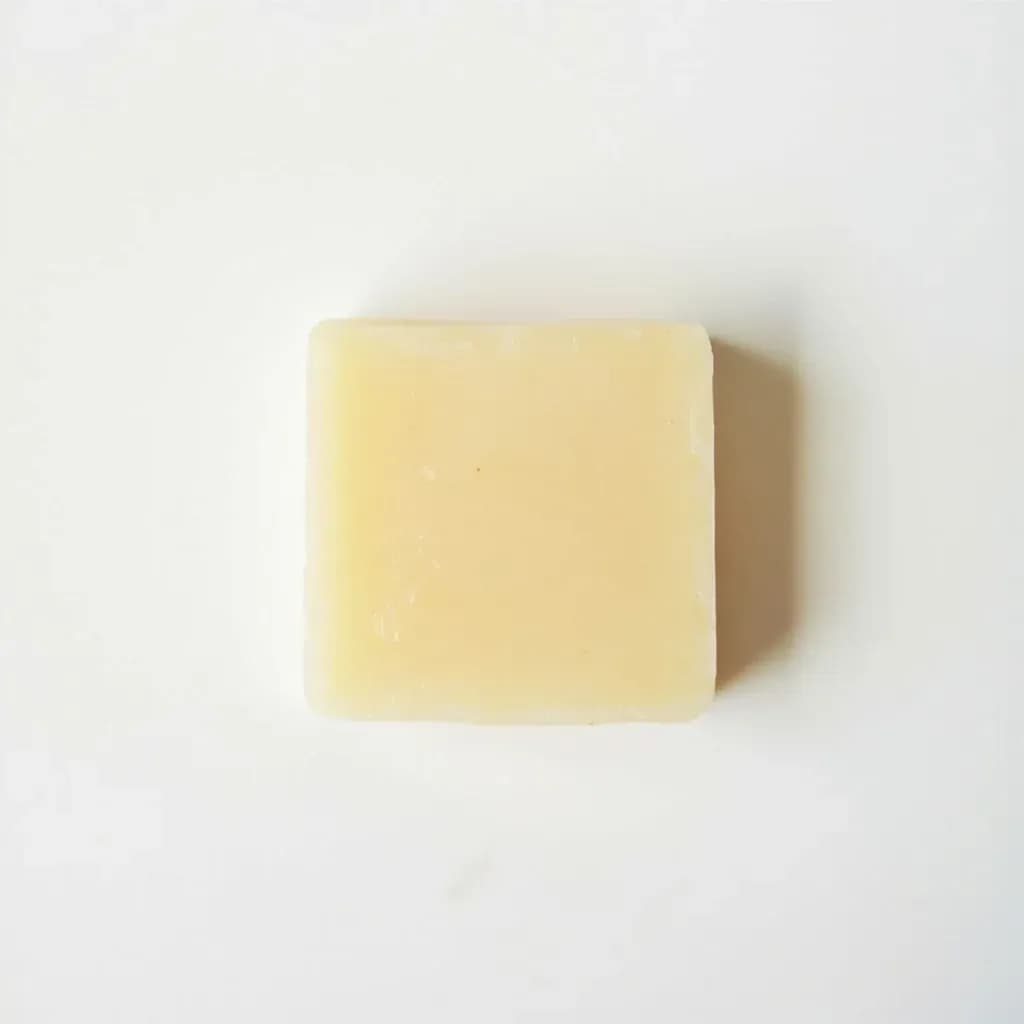
A solid soap bar for handwashing and scrubbing dishes and surfaces in the kitchen.
Bar soap is a solid cleaning block used for washing hands and, in many kitchens, scrubbing dishes, pots, and work surfaces. Laundry- or dish-specific bars cut grease where running water and liquid detergent are scarce. It is rubbed onto a cloth or scrubber and rinsed clean, making it a low-cost staple in many home and field kitchens.
Bar soap is a hardened block of saponified fats used for mechanical cleaning—its friction against skin or surfaces combined with surfactants lifts and suspends grease, food residue, and soil. In the kitchen it functions as a pre-treatment workhorse and handwashing staple, distinct from liquid dish detergent, which is formulated for sink use. True soap made through traditional saponification with lye produces sodium salts of fatty acids; the oil source—tallow, coconut, olive—determines hardness, lathering, and mildness. Bar soap remains an effective cleaning tool despite persistent myths about bacterial transfer; proper use transfers no pathogens to clean hands. Its alkaline nature (pH 9–10) cuts through fatty food soils, making it particularly valuable for pre-soaking protocols that liquid dish soap handles poorly.
Alternatives
Types & varieties
Made with lye (sodium hydroxide); fatty acid composition varies by oil used
Made primarily from olive oil; produces a milder, softer bar
High lathering; harder bar; effective cleanser
Heavy-duty laundry bar containing tallow, coconut oil, and Naphtha; frequently used for kitchen pre-soaking of baked-on foods
Synthetic detergent-based; pH closer to skin; some marked as 'deodorant' or 'antibacterial'
Transparent; retains natural glycerin; tends to melt faster if left wet
Traditional soap made with rendered beef fat; produces a firm, long-lasting bar
Common uses
Tips & pitfalls
- Always use a draining soap dish; standing water dissolves the outer layer and creates a gooey mess
- For kitchen handwashing, plain unscented soap is preferable—fragrances and heavy moisturizers can leave residue on clean hands that contacts food
- Fels-Naptha excels at pre-soaking; grate half a bar into hot water for a soaking solution on burnt pans
- Rinse hands thoroughly—alkaline residue left behind can affect dough and batter textures
- Antibacterial bar soaps are unnecessary for food safety; mechanical scrubbing with any soap removes pathogens effectively
- Old, dried-out bars can be revived by grating and melting with a bit of water into a new shape
- Do not confuse dish soap (liquid detergent) with bar soap—liquids are formulated differently for dishwashing
Good to know
- Composition
- Sodium salts of fatty acids, derived from tallow, palm, coconut, or olive oils through saponification with lye
- pH Level
- Alkaline, typically 9–10
- Typical Weight
- 3–5 oz (85–140 g) per standard bar
- Form
- Solid; hardens when cured
- Storage
- Keep on a draining soap dish; excess moisture causes softening and mushiness
- Kitchen Role
- Handwashing before and during food prep; pre-soaking cookware; surface cleaning
- Common Misconception
- Bar soap harbors bacteria—studies show it does not transfer pathogens to clean hands when used properly
Also called
dishwashing-bar · laundry soap bar · washing bar
Related

Paper Towels
Disposable sheets for spills, drying, and patting dry

Kitchen Towels
Reusable cloths for drying, gripping, and wiping

Oven Mitts
Heatproof gloves to handle hot pans and trays safely

Disposable Gloves
Single-use gloves for safe, mess-free handling

Cleaning Cloths
Reusable cloths for wiping counters and spills

Tortilla Warmer
Insulated holder that keeps tortillas warm and soft

Trivet
Heatproof stand that shields surfaces from hot pots

Ice Bath Setup
Bowl of ice water that halts cooking and sets color