Wraps & Liners
Plastic Grass Divider (Baran)
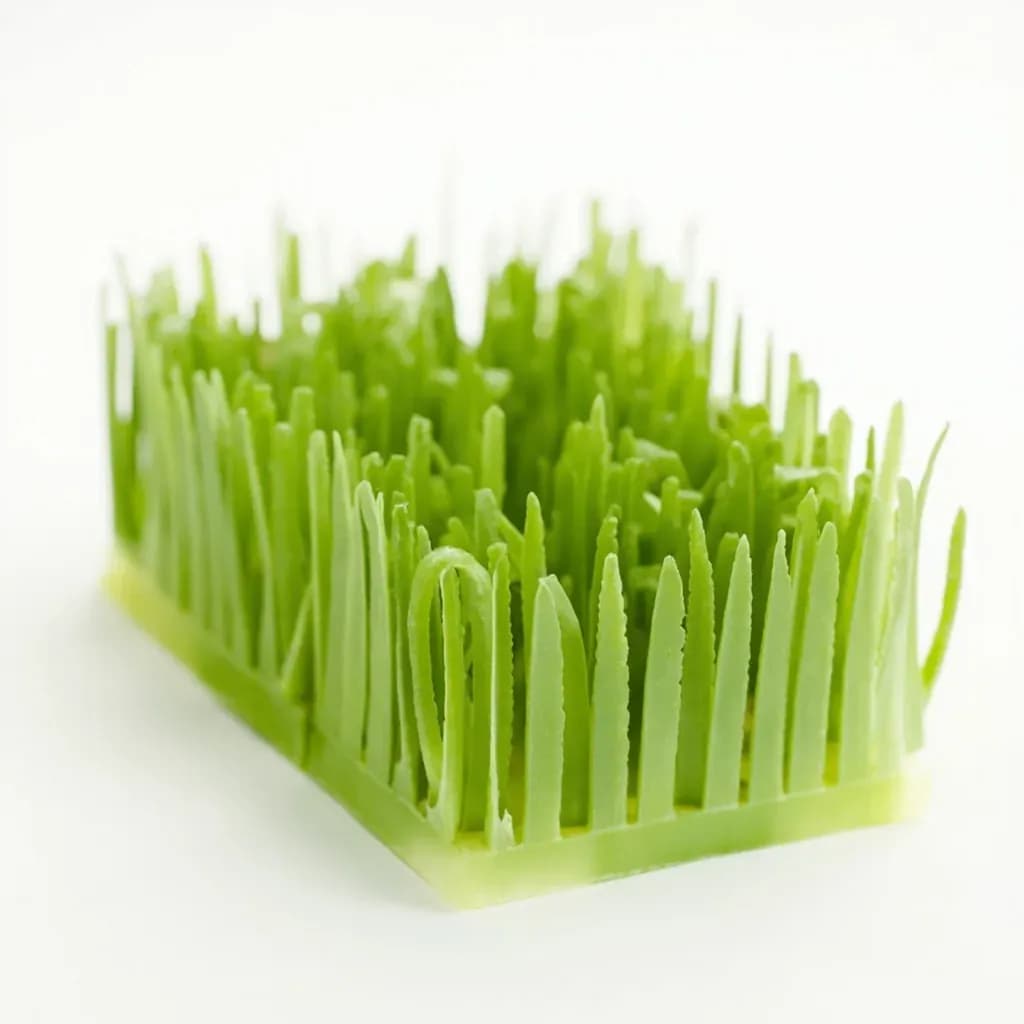
Green plastic grass-shaped divider used in bento and sushi to separate foods and stop flavors mingling.
A plastic grass divider, or baran, is a small green decorative strip shaped like blades of grass used in Japanese food presentation. It is tucked between items in bento boxes and sushi platters to keep flavors and moisture from migrating between sections. Originally cut from real leaves, the plastic version is a reusable or disposable garnish that adds a tidy, fresh look.
Baran is the grass-green plastic divider that turns up in nearly every bento box, sushi platter, and ekiben sold in Japan. The name comes from the real baran plant — a type of iris whose long, sword-shaped leaves were once cut and tucked into lacquer boxes to separate pickles from rice, or laid beneath sashimi to keep the fish from sitting in its own moisture. As ekiben stalls, convenience-store sushi, and decorated home bento took off in the late 20th century, those leaves were replaced by strips of food-safe plastic cut to imitate them, and the look became so familiar that most cooks now associate the silhouette with Japanese food in general.
The plastic strips are purely a presentation and separation aid. They do not preserve food, change flavor, or insulate against heat. What they do well is partition a crowded box into readable sections, lift delicate items off a wet surface, and add a crisp vertical accent where everything else is round and soft. In a tightly packed bento, a single cut-to-fit piece of baran can be the difference between a tidy compartment of pickled cucumber and a puddle of brine that has soaked into the rice.
Because the material is thin polypropylene or polyethylene, baran is light, cheap, and easy to trim with scissors, but it has the same limits as any disposable plastic: it warps in hot water, melts near heat, and eventually cracks with hard use. Silicone and paper versions exist for cooks who want a longer life or a disposable option, and serious kaiseki and sushi counters still reach for real bamboo or shiso leaves when the look of the natural material matters.
Alternatives
Types & varieties
The classic, most widely available version; bright grass-green strips sold in packs.
Seasonal or themed colors (pink, red, yellow, white) used for holiday, cherry-blossom, or character bento.
More flexible and heat-tolerant than plastic; often dishwasher safe and longer lasting.
Disposable, often printed; used for single-service platters and eco-friendly presentation.
Traditional natural divider still used in high-end sushi and kaiseki restaurants for its texture and aroma.
Choosing the right baran for the job
For everyday bento and takeout sushi, the standard green plastic strip is hard to beat: it costs almost nothing, cuts cleanly with scissors, and holds its shape through many uses. Reach for colored plastic when you want a seasonal cue — pink for cherry-blossom season, red and white for New Year, yellow or orange for autumn. Silicone is the upgrade pick for cooks who use baran daily or want to run it through a dishwasher, though the slightly thicker material changes the look from crisp grass blades to a softer ribbon. Paper baran is the right call for catered platters that will be thrown away after a single event, and for cooks avoiding plastic altogether.
Cutting, fitting, and shaping
Plastic baran is meant to be cut. A pair of sharp kitchen scissors is the only tool you need. Cut strips slightly taller than the food you are separating so the baran shows above the rim of the bento or platter; this is what gives a box its finished, partitioned look. For round or oval compartments, snip a series of small V-notches along the bottom edge so the strip will curve and sit flat against the curve of the box. To make a small cup or well — useful for holding a pickled plum or a dollop of sauce — cut a short length and bend the ends together to form a loose cylinder; it will hold its shape on its own.
Care and lifespan
Rinse baran in cool or lukewarm water with a drop of mild dish soap, then pat or air dry. Skip hot water, the dishwasher, and any sanitizer that runs warm — the plastic will curl or cloud. Store flat in a sleeve or shallow drawer; folding creates a permanent crease that no amount of weighting will smooth out. A well-cared-for strip will last through dozens of bento; replace any strip that has cracked, yellowed, or developed sharp edges, since a jagged piece can snag on tamagoyaki or fish.
Common uses
Tips & pitfalls
- Hand wash in cool or lukewarm water only; hot water will warp and cloud the plastic within a few uses.
- Air dry flat or hang over a rail — folding or clipping causes permanent kinks that ruin the grass look.
- Cut with sharp scissors rather than tearing; a clean cut lays flat, a ragged edge curls and looks messy.
- Replace any strip that has cracked, yellowed, or developed sharp edges; a jagged edge can cut into tamagoyaki or fish.
- Never microwave baran or place it near an open flame; the plastic will melt and can leach into food.
- Rinse promptly after contact with acidic foods (umeboshi, citrus, vinegared rice) to slow discoloration.
- For kids' bento, pair colored baran with character cutters so you can build scenes without flavors mixing across compartments.
- Store flat in a sleeve or shallow drawer; a folded strip will not return to a crisp shape.
Good to know
- Origin
- Japan; modern plastic version emerged in the 20th century alongside ekiben and takeout sushi
- Material
- Food-safe plastic, typically polypropylene or polyethylene
- Standard color
- Grass green; also made in red, yellow, pink, white, and multicolor
- Typical size
- Strips roughly 30–50 cm long with serrated or grass-like edges; cut to fit
- Reusability
- Reusable; hand-wash only, not dishwasher or microwave safe
- Heat tolerance
- Low — warps in hot water, melts near open flame or in microwave
- Traditional predecessor
- Real leaves of the baran plant (an iris), or bamboo and shiso leaves
- Primary use
- Visual and functional divider in bento boxes and sushi presentations
Also called
baran · sushi grass · bento divider
Related

Aluminum Foil
Wraps, covers, and tents food for the oven and grill

Parchment Paper
Nonstick liner for clean, even baking and easy release

Wax Paper
Moisture-resistant sheet for wrapping and counter prep

Plastic Wrap
Clings tight to cover bowls and wrap leftovers

Silicone Baking Mat
Reusable nonstick liner that replaces parchment

Cheesecloth
Loose-woven cloth for straining stock and bundling herbs

Beeswax Food Wrap
Reusable wax wrap that molds around bowls and produce

Piping Tips
Shaped nozzles that turn frosting into stars and rosettes