Wraps & Liners
Beeswax Wrap
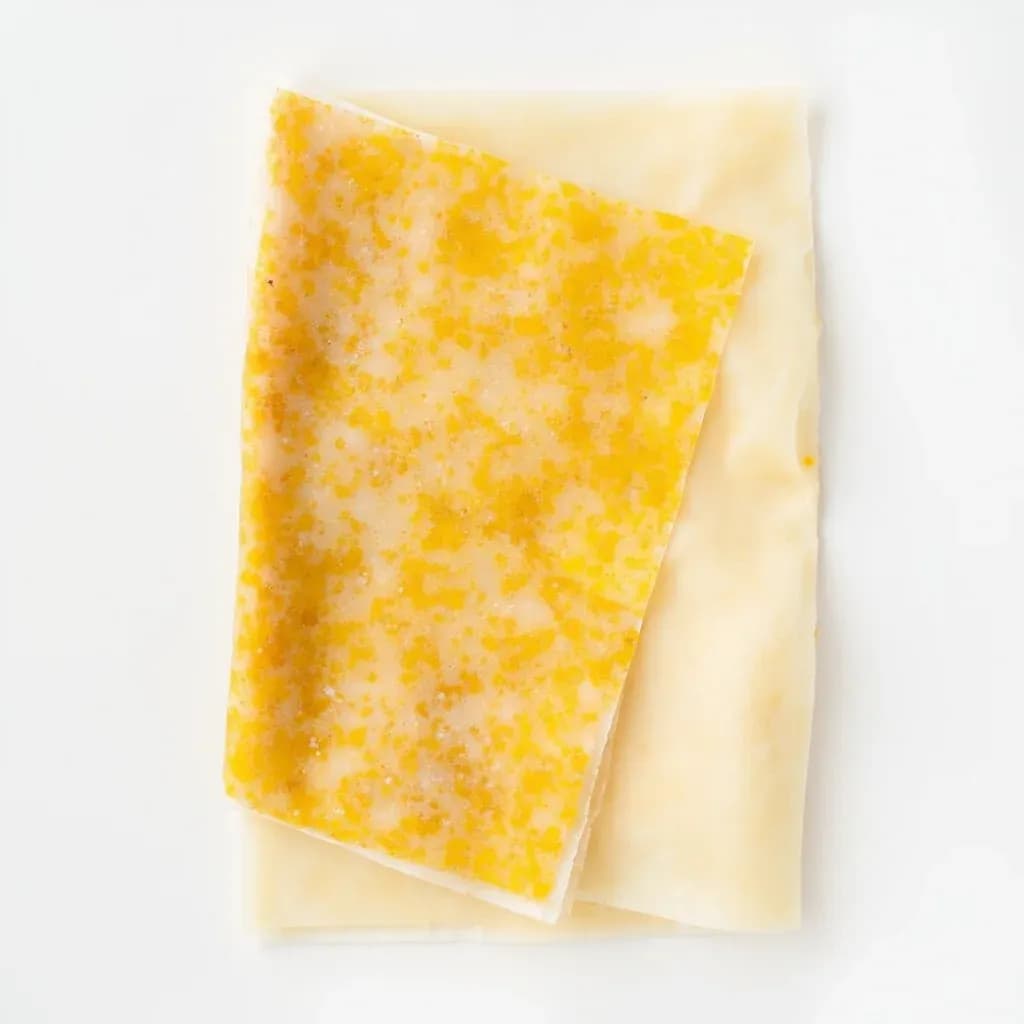
A reusable cloth coated in beeswax that molds around bowls and food to seal it.
A beeswax wrap is a cotton square infused with beeswax, resin, and oil that softens with hand warmth so it clings around bowls, cheese, or cut produce. It is a washable, reusable alternative to plastic cling film for short-term fridge storage. It should not be used on raw meat or in heat, and it is rinsed in cool water to preserve the wax.
Beeswax wraps are reusable food-storage covers made from organic cotton fabric coated with beeswax, jojoba oil, and tree resin. The wax mixture is applied to the cloth and allowed to set, creating a semi-permeable surface that becomes pliable with brief hand-warming. This warmth-activated flexibility allows the wrap to conform tightly around bowls, cut produce, cheese, and other foods, creating a friction seal without clips or adhesives. Unlike plastic wrap, beeswax wraps breathe—the fabric permits moisture vapor exchange while blocking airflow, which makes them particularly effective for foods that need some air circulation to stay fresh. The jojoba oil conditions the fabric and the tree resin adds the slight tackiness needed for sealing. A single wrap, properly maintained, replaces approximately one year of single-use plastic wrap, making it one of the most practical sustainable swaps available for home cooks. At the end of its life, the entire wrap is fully compostable—fabric and wax return to the earth without residue.
Alternatives
Types & varieties
Brand-name products such as Bee's Wrap (Vermont, USA); available in various colors, patterns, and sizes; some include built-in folding guides
Home-fashioned from cotton fabric, beeswax pellets, jojoba oil, and tree resin; prepared using a flat iron, oven, or heat gun on a protective surface
Versions using coconut oil and pine resin instead of beeswax; functional but generally less durable and more prone to softening in warm conditions
How the Seal Works
The wrap creates a seal through a combination of warmth and pressure. When you hold the wrap briefly in your hands, the beeswax softens just enough to become pliable. As you press the wrap against a bowl's rim or fold it around food, the waxed fabric conforms to the shape. When it cools, the wax firms up slightly, holding the wrap in place through friction and the slight tackiness from the tree resin. This is not a hermetic seal—air and some moisture can still pass through—which is exactly why the wrap works well for produce and cheese that need breathing room. For items requiring a tighter barrier (such as soup bowls for transport), pair the wrap with a plate or lid underneath.
- Warm with hands for 3–5 seconds before shaping
- Press firmly around rims and corners for a secure fit
- The seal tightens slightly as the wax cools
Ideal Foods and When Not to Use Them
Beeswax wraps excel at maintaining freshness for produce, cheese, bread, and baked goods because their breathability prevents the condensation that causes plastic-wrapped produce to spoil faster. They work well for covering cut avocados, halved citrus, and apple slices—the breathable seal slows oxidation without creating the moist environment that accelerates browning. Cheese wrapped in beeswax maintains its rind and does not sweat the way it does in plastic bags. Fermented vegetables such as sauerkraut benefit from the oxygen exchange the wrap permits while still keeping dust and fruit flies out. Do not use beeswax wraps for raw meat, poultry, or fish—these require impermeable barriers to prevent cross-contamination, and the porous nature of the fabric makes sanitization impossible. Avoid wrapping hot food or using the wraps in the microwave, as the wax will melt above 150°F.
- Best: produce, cheese, bread, baked goods, sandwiches, fermented vegetables
- Avoid: raw meat/fish/poultry, hot food, microwave, dishwasher
- Test: if the food is still steaming, it is too hot for the wrap
Common uses
Tips & pitfalls
- Warm the wrap with your hands for a few seconds before shaping—it becomes pliable and self-adhesive when warm
- Fold corners and edges to create pockets and envelopes tailored to irregular food shapes
- Store flat, rolled, or loosely folded; sharp creases crack the wax coating and reduce effectiveness
- Wash immediately after wrapping fatty foods to prevent oil from going rancid in the fabric fibers
- Replace wraps when wax flakes, cracks, or no longer adheres—typically every 8–12 months
- Keep wraps away from direct sunlight when stored; UV degrades the wax and fabric faster
- For custom sizes, cut from a roll and seal the cut edges with a hair dryer on high heat to prevent fraying
- Do not use on raw meat or fish; the fabric cannot be sanitized and cross-contamination is a real risk
Good to know
- Primary Materials
- Organic cotton fabric, beeswax, jojoba oil, tree resin
- Available Sizes
- Small (7"×8"), Medium (10"×11"), Large (13"×14"), Extra Large (17"×24")
- Heat Limit
- Up to 150°F (65°C); do not use with hot food or in microwave
- Care
- Hand wash in cold water only; air dry; avoid dishwasher, direct flame, and sharp creases
- Lifespan
- 8–12 months with regular use and proper care
- Breathability
- Semi-permeable; allows moisture vapor exchange while blocking airflow
- End of Life
- Fully compostable; fabric and wax are biodegradable
- Not Suitable For
- Raw meat, poultry, or fish; hot food above 150°F; microwave; dishwasher cleaning
Also called
reusable-beeswax-wrap · wax-cloth-wrap · reusable-food-wrap
Related

Aluminum Foil
Wraps, covers, and tents food for the oven and grill

Parchment Paper
Nonstick liner for clean, even baking and easy release

Wax Paper
Moisture-resistant sheet for wrapping and counter prep

Plastic Wrap
Clings tight to cover bowls and wrap leftovers

Silicone Baking Mat
Reusable nonstick liner that replaces parchment

Cheesecloth
Loose-woven cloth for straining stock and bundling herbs

Beeswax Food Wrap
Reusable wax wrap that molds around bowls and produce

Piping Tips
Shaped nozzles that turn frosting into stars and rosettes