Wraps & Liners
Chestnut Leaf Wrapper (for Necci)
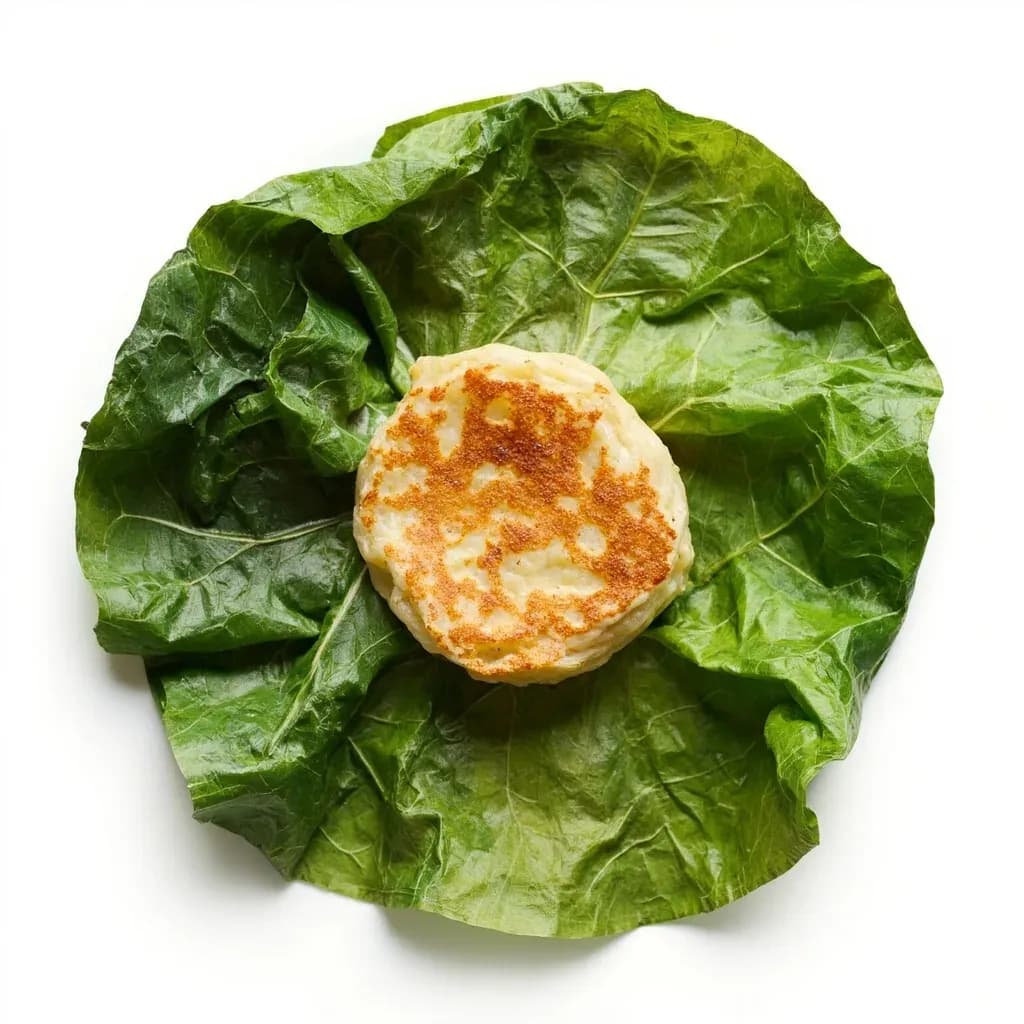
Fresh chestnut leaves used to line and wrap necci, the Tuscan chestnut-flour pancakes.
Chestnut leaf wrappers are gathered chestnut leaves used as a natural liner and wrapper for necci, traditional Tuscan chestnut-flour flatbreads. The batter is poured between two leaves and pressed over hot coals or in iron testi, so the leaves keep the pancake from sticking and impart a faint woodsy aroma. The leaves are discarded after cooking and are an old, zero-cost alternative to parchment.
The chestnut leaf is a kitchen supply that earns its place in the ritual of necci-making through function as much as fragrance. In Garfagnana and Lunigiana — the chestnut-flour heartland of the northern Tuscan Apennines — these long, lance-shaped leaves of Castanea sativa line the hot testo (a flat cast-iron plate or hinged iron) before the chestnut-flour batter is ladled on, then fold around the cooked pancake to keep it supple and release a faint, forest-floor perfume. The leaf is never eaten; it is a wrapper, a heat-shield, and a scent carrier in one.
The leaves are gathered in late spring and early summer, when they are still young enough to bend without cracking. On contact with the hot plate they blister briefly, releasing volatile oils that season the underside of the pancake while preventing the batter from welding itself to the iron. This dual role — physical release and aromatic lift — is what distinguishes the chestnut leaf from a generic liner such as parchment or grape leaf, and it is why the practice has survived as a recognized Slow Food Presidium (Presidio dei Necci della Garfagnana).
Outside Italy the same custom appears in parts of Corsica, where chestnut-flour flatbreads (castagnacciu) are cooked between leaves, and the neighboring testarolo tradition of Lunigiana borrows the leaf occasionally as a liner. For cooks outside the Apennines, sourcing fresh leaves in season and freezing them is the closest one can come to the original; parchment and grape leaves can substitute for the liner role but neither matches the chestnut's signature scent.
Alternatives
Types & varieties
Preferred for wrapping: thin, pliable, pale green, low in tannins, and aromatic when heated on the testo.
Workable but stiffer, darker, and slightly more tannic; reserved for lining the plate rather than wrapping finished pancakes.
Leaves from grafted marrone trees tend to be larger and more uniform; wild tree leaves are smaller, narrower, and more pointed but equally aromatic.
How the leaf behaves on the testo
Understanding the leaf's response to heat is the key to using it correctly. A young chestnut leaf laid on a properly hot testo will darken from pale green to olive within five to ten seconds, its surface taking on a faintly glossy sheen as essential oils migrate to the surface. This is the signal to pour the batter. If the leaf blackens or curls sharply at the edges, the plate is too hot; if it stays flat and mat, the plate is not yet ready.
- The leaf's serrated edges are the most vulnerable point — they scorch first and signal overheating.
- Blistering releases aromatic oils; a leaf that never blisters contributes almost no scent to the finished pancake.
- A single leaf per side is the traditional method: one beneath, one folded over the top after the pancake is flipped.
- Leaves are single-use: they darken, stiffen, and become brittle after a single trip to the testo and are discarded.
Sourcing and storing outside of season
Outside the Apennines, fresh chestnut leaves are a seasonal commodity. The window for picking young, pliable leaves is narrow — roughly May through early July, depending on altitude. Cooks who want to make necci in autumn or winter must plan ahead.
- Pick leaves on a dry morning, after dew has evaporated but before midday heat sets in.
- Do not wash the leaves; wipe gently with a barely damp cloth to remove dust without soaking the tissue.
- For same-week use, wrap stacks of leaves in a damp tea towel and refrigerate; use within 48 hours.
- For long storage, lay leaves flat between sheets of parchment, slide into a freezer bag, and freeze. Thaw slowly in the refrigerator overnight before use — never microwave, as the texture will collapse.
- Do not attempt to dry the leaves for later reconstitution: dried chestnut leaves become brittle and bitter, and cannot be rehydrated to a workable state.
Common uses
Tips & pitfalls
- Pick leaves that are bright, unblemished, and free of insect holes — damaged spots scorch on the hot plate and transfer a burnt taste to the pancake.
- Wipe (do not soak) the leaves with a damp cloth; excess water makes them curl and steam rather than toast, and the trapped steam can tear the leaf.
- Brush the underside of the leaf very lightly with neutral oil or a wipe of lard so the batter releases cleanly — too much oil makes the necci greasy.
- Blister the leaf on the hot testo for 5–10 seconds before pouring the batter; this releases the aromatic oils and prevents sticking.
- Use the largest leaves available as a base, then a smaller leaf on top, so the pancake is fully encased and stays pliable while it cools.
- Avoid dried or autumn-fallen leaves: they are brittle, burn quickly, and taste bitter. They will also crack and flake into the batter.
- If leaves are out of season, freeze fresh spring leaves flat between parchment; thaw in the refrigerator before use and pat dry.
- A common mistake is to treat the leaf as garnish rather than functional liner — skipping the pre-blister step and pouring batter onto a cold leaf results in a pancake welded to both leaf and plate.
Good to know
- Material
- Fresh leaves of the sweet chestnut tree (Castanea sativa)
- Origin of use
- Garfagnana and Lunigiana regions of northern Tuscany and eastern Liguria, tied to centuries of chestnut cultivation
- Primary pairing
- Necci — Tuscan pancakes made from chestnut flour
- Harvest season
- Late spring through early summer, when leaves are young, tender, and supple
- Typical leaf size
- 10–25 cm long, 4–8 cm wide, with a lanceolate (lance-shaped) form and serrated edges
- Flavor contribution
- Faintly herbaceous and faintly tannic; adds a subtle forest-floor aroma rather than a strong taste
- Storage
- Best used the same day; can be wrapped in a damp cloth and refrigerated 1–2 days
- Reusability
- Single use; discarded after cooking
- Cultural status
- Recognized as a Presidium by Slow Food (Presidio dei Necci della Garfagnana)
Also called
Chestnut Leaf · Necci Leaf
Related

Aluminum Foil
Wraps, covers, and tents food for the oven and grill

Parchment Paper
Nonstick liner for clean, even baking and easy release

Wax Paper
Moisture-resistant sheet for wrapping and counter prep

Plastic Wrap
Clings tight to cover bowls and wrap leftovers

Silicone Baking Mat
Reusable nonstick liner that replaces parchment

Cheesecloth
Loose-woven cloth for straining stock and bundling herbs

Beeswax Food Wrap
Reusable wax wrap that molds around bowls and produce

Piping Tips
Shaped nozzles that turn frosting into stars and rosettes