Storage & Containers
Comb Honey Container
A clear box or cup that holds and protects a square of cut honeycomb for sale or storage.
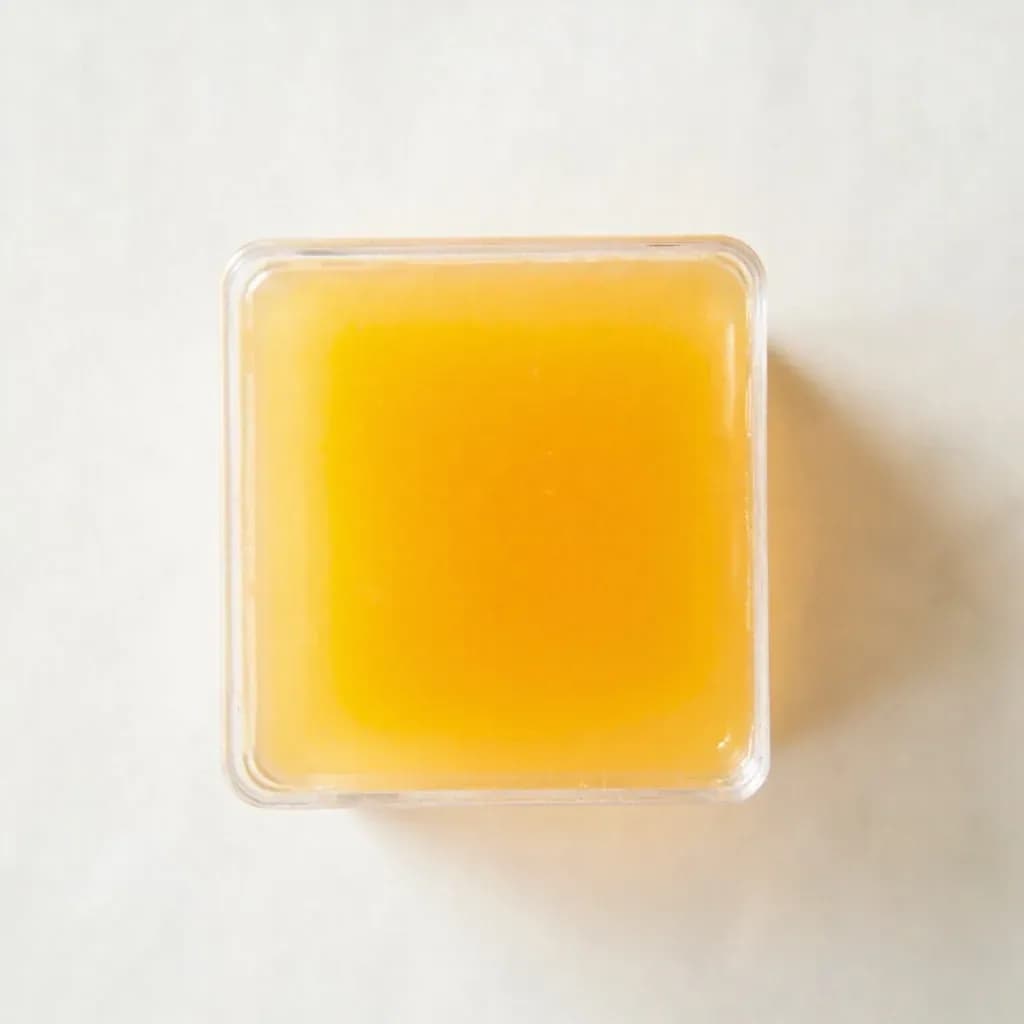
A comb honey container is a small clear plastic or wood box sized to hold a cut section of honeycomb. It keeps the fragile wax comb intact and clean while letting buyers see the honey-filled cells. Beekeepers pack freshly cut comb into these containers for market, and they double as protective storage in the pantry.
A comb honey container is a clear, rigid food-contact package built around one specific job: holding a fragile, bee-built square of capped honeycomb without crushing it and without hiding it from the buyer. Unlike a honey jar, which only has to contain a liquid, this vessel must cradle a brittle wax lattice, keep the cell cappings pristine, and let light pass through so the amber comb sells itself. That is why the lid is fully transparent and almost always domed or recessed: anything that touches the surface of the cappings dents them and ruins the presentation.
In the kitchen, the container is a transient object — the consumer takes it home, opens it, and transfers the comb to a plate or cheese board — but while it is in use it behaves more like a delicate produce clamshell than a jar. The walls are just tall enough to clear a full bee-built section, the seal is tight enough to keep drips in but not engineered for prolonged inversion, and the plastic is rated for room-temperature storage only. Heat warps the plastic, freezing cracks the wax, and reusing the container is discouraged for food-safety reasons; the package is built for one trip from hive to plate, nothing more rugged.
Because the container is shaped to the comb rather than to the liquid, it also serves as a useful guide to portion: a standard 4¼-inch square holds roughly 12 ounces to a pound of edible comb and honey, which is enough to garnish a cheese course or sweeten a pot of tea many times over. Once opened, the container has little further use — its real value is the protected, visible square it delivers intact.
Alternatives
Types & varieties
The modern default: a clear, hinged-lid plastic box, ~4¼ inches square, that snaps shut around a cut square of comb.
A two-piece plastic cassette with a top and bottom; the comb is built directly into it on the hive, then the halves are separated for sale.
Circular comb-honey system developed by the A.I. Root Company; bees fill a ring and the finished round is sealed between two clear plastic lids.
The traditional 4¼ inch square section, originally a folded wood or paperboard box held in a wooden section-super frame; now mostly a beekeeping heritage item.
Decorative hexagonal clear containers, used for gift and specialty packs rather than standard weight sales.
Small clear trays (often 2–4 oz) for broken pieces, cut-offs, or sample servings at markets and tastings.
Buying comb honey in its container
At a farmers market or grocery shelf, the container is your only evidence that the comb inside survived transport. Look for a few practical signs before you buy:
- The lid should sit flat and snap fully closed — a warped or gapping clamshell usually means the comb has been crushed or has shifted and pressed against the lid.
- Hold the package upright and tip it slightly; you should see only a thin glaze of honey on the comb, not a visible pool of free liquid settling at one corner. Heavy pooling means the comb was cut and packed before draining.
- The comb should fill the container snugly but without obvious compression marks along the walls. Gaps are normal at the edges; crushed or chalky-looking cappings are not.
- Check that the net weight (in oz or lb) is printed or labeled, and that the tare weight has been properly subtracted by the seller.
After opening: handling comb honey at home
Once the clamshell is snapped, the container has done its job. Move the comb onto a small plate, shallow dish, or piece of parchment rather than leaving it in the plastic, which traps residual moisture and can fog or weep.
- Use a small knife or toothpick to lift the square in one piece; comb honey holds together if it has been kept at cool room temperature.
- Eat the wax cappings along with the honey — they are fully edible and add a mild, waxy sweetness that pairs well with cheese, bread, and tea.
- Store any unused portion loosely covered (a small plate with an overturned bowl works) at cool room temperature; refrigeration causes surface condensation and crystallization.
- The drained liquid honey that pools around the comb on the plate is the same as jar honey — use it on toast, in dressings, or stirred into hot drinks.
Common uses
Tips & pitfalls
- Drain the cut square on a rack for 15–30 minutes before placing it in the container; any free liquid honey trapped inside will weep and pool at the bottom, leaving a messy look and a sticky closure.
- Cut the comb to fit snugly but without forcing it — wax cracks if compressed against the walls.
- Wipe the rim and the inside of the lid dry before snapping the clamshell shut; even a thin film of honey will cause the lid to stick or leak.
- Keep filled containers upright; the seal on most clamshells is not designed for prolonged inversion.
- Store comb honey in the container at cool room temperature (60–70°F / 15–21°C); do not refrigerate, as condensation on a cold comb surface causes weeping and surface crystallization.
- Do not put comb honey in a freezer; the wax can crack and the cell cappings will separate from the comb.
- Do not wash the container before use; it is sold food-contact ready, and tap water on the comb can promote fermentation of any residual nectar.
- Buy clamshells from beekeeping suppliers rather than generic food containers — standard deli containers are too shallow and lack the recessed lid that protects the comb surface.
Good to know
- Common material
- Clear food-grade polystyrene or PET plastic (modern); paperboard with cellophane window (older retail)
- Standard interior size
- Approx. 4¼ x 4¼ inches (108 x 108 mm) to fit a full bee-built section
- Typical net weight held
- 12 oz to 1 lb (340 g to 454 g) of comb honey per square section
- Container style
- Hinged clamshell (most common), two-piece box, or round cassette
- Transparency
- Fully clear on at least the lid and front so the capped comb is visible to the buyer
- Temperature tolerance
- Plastic types warp above ~160°F / 70°C; not for heated honey or dishwashers
- Reusability
- Single-use for food-safety reasons; some beekeepers wash and reuse clamshells for short-term storage
- Origin of the square section
- Standardized in the U.S. in the late 19th century as a folded paperboard or basswood section box
Also called
Comb Honey Box · Honeycomb Container · Section Box
Related

Freezer Bags
Thick, sealable bags built to fight freezer burn

Storage Bags
Resealable bags for fridge storage and marinating

Storage Container
Lidded container for leftovers, prep, and meal kits

Glass Container
Oven-to-fridge glass that won't stain or hold odors

Plastic Container
Lightweight, stackable storage for everyday leftovers

Vacuum Sealer Bags
Airtight bags for long freezing and sous-vide

Reusable Bags
Washable silicone bags that replace single-use plastic

Mason Jar
Sealed glass jar for preserves, pickles, and storage