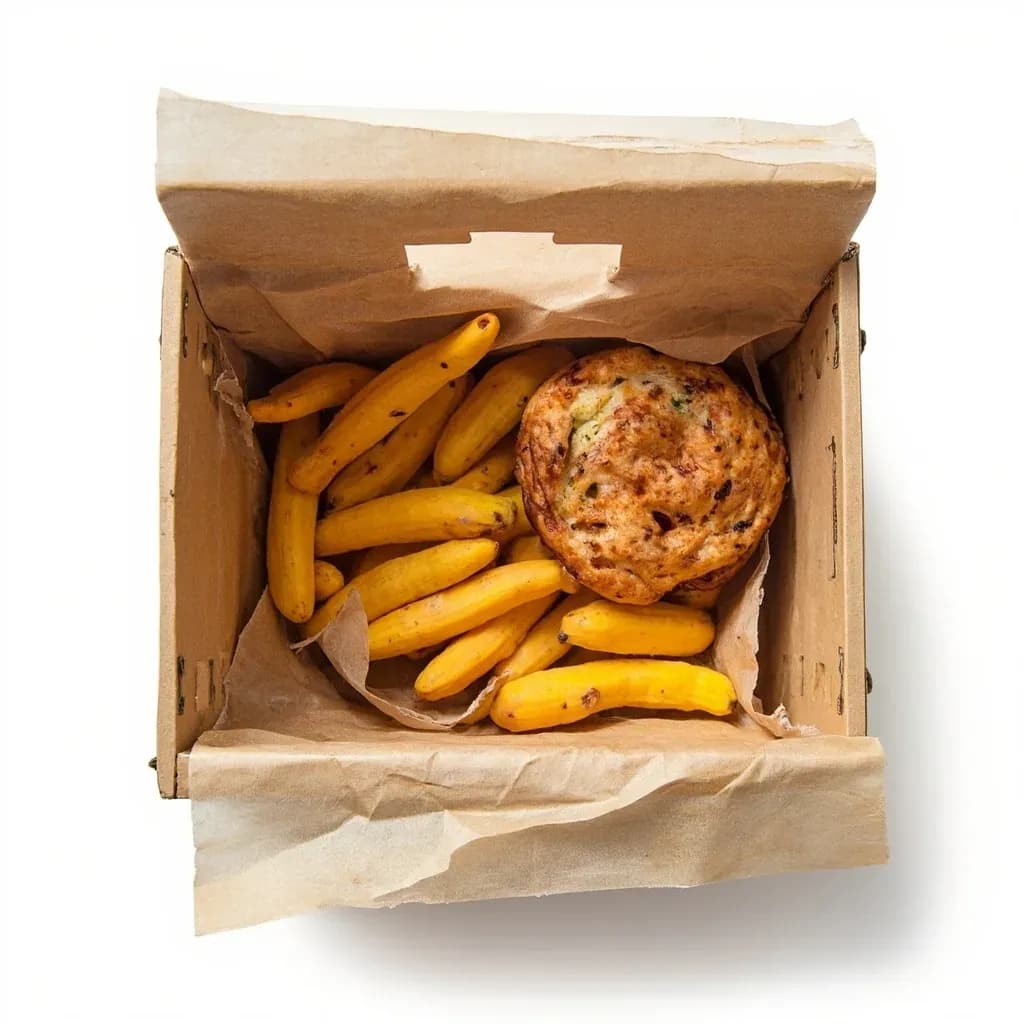
Wraps & Liners
Crate Liner
A protective sheet or pad set inside a crate to cushion and keep produce or product clean.
A crate liner is a paper, foam, or plastic sheet laid inside a shipping or storage crate. It cushions delicate produce and packaged goods against bruising and keeps them off the bare crate surface for hygiene. Growers and food handlers use liners to extend freshness during transport and to wick away moisture.
A crate liner is a food-safe sheet, pad, or tray placed inside a stackable crate to cushion its contents and keep them clean during transport, storage, and short-term holding. In bakery, produce, fish, and cheese work the liner is doing three jobs at once: absorbing shock between stacked layers, acting as a hygienic barrier between the rough wood or recycled plastic of the crate and the food surface, and managing moisture and gas exchange so the product underneath arrives in saleable condition. The right liner is chosen as carefully as the crate itself, because mismatched material is one of the quickest ways to bruise fruit, turn bread soggy, or sour a batch of greens.
The category is wide because the working conditions are wide. A bread delivery needs a breathable sheet that will not trap steam; a crate of stone fruit needs cushioning plus ethylene escape; a fish crate over crushed ice needs an absorbent scrim that soaks up melt water without wicking it back into the flesh. Materials run from plain food-grade kraft paper and waxed sheets through corrugated pads, moulded paper-pulp trays, expanded polystyrene and polyethylene foams, and foil-faced films for short hot or cold runs. Each has a defined temperature range, breathability, and reuse cycle, and the food-contact grade (FDA 21 CFR or EU 1935/2004) is non-negotiable for any liner that touches food, raw or ready-to-eat.
For cooks and small producers the liner is also a quiet hygiene tool: a fresh liner between supplier and walk-in shelf, or between fish and ice, is one of the simplest ways to break a cross-contamination chain without changing the workflow.
Alternatives
Types & varieties
Plain food-grade brown paper; breathable and compostable, the everyday choice under bread loaves and dry produce
Moisture-resistant sheet for cheese wheels, soft fruit, and any surface where sogginess is the risk
Plastic film or bag-in-box style; waterproof, freezer-safe, and non-breathable — for items that must not lose water
Adds rigidity and stacking strength between layers of apples, citrus, cans, or jars
Expanded polystyrene or polyethylene foam sheets that cushion heavy or fragile items — melons, stone fruit, glass jars
Recyclable, compostable, moulded to cradle individual items such as apples, pears, or eggs
Woven scrim with an absorbent layer that captures melt water from fish, ice, or thawing product
Foil or metalised film that reflects radiant heat; used for short cold-chain runs or hot bakery delivery
Matching liner to product
The first decision is always breathability versus moisture barrier, because getting this wrong shows up as bruised fruit, soggy bread, or sweating greens within hours.
- Breathable kraft, pulp, and perforated wax: bread, hard cheese, apples, pears, citrus, stone fruit — anything that continues to respire and ripen.
- Waxed or solid plastic: berries, washed herbs, microgreens, fish on ice, thawing product — anything that loses water fast or sits in melt water.
- Foam or corrugated: heavy, fragile, or stacked loads (melons, jarred preserves, canned goods) where cushioning and rigidity matter more than gas exchange.
- Foil-faced insulated: short delivery runs where ambient temperature would otherwise swing the product's temperature noticeably.
Food contact and hygiene
Because a liner is in direct contact with food that is often sold or served unwashed, the material specification is not optional. Industrial fibre, recycled corrugated with printed flutes, or foam offcuts from non-food packaging can carry inks, adhesives, or residues that are not safe to eat.
- Buy only liners labelled food-grade and, where applicable, FDA 21 CFR or EU 1935/2004 compliant.
- Keep a dedicated stack of food-grade liners; do not grab whatever sheet is nearest the loading dock.
- Replace the liner at every new supplier drop or between species (fish then cheese, raw then ready-to-eat) to break cross-contamination.
- Mark the crate, not the liner, with date and supplier — marker ink transfers readily into wet or oily food surfaces.
Common uses
Tips & pitfalls
- Match liner to moisture: breathable kraft or pulp for items that need ethylene to escape; solid plastic for berries, herbs, and other items that lose water fast.
- Pre-chill paper liners in the cooler before setting ice-contact produce on them — warm paper accelerates condensation and bruising.
- Use food-grade liners only; recycled or industrial fibre can carry ink, staples, and chemical residues that are not safe for direct food contact.
- Do not reuse single-use paper, pulp, or foam liners — they absorb juices and bacteria even when they look clean.
- Reusable plastic liners should be washed with a food-safe sanitiser, rinsed well, and fully dried before restacking; household bleach leaves residue and odour.
- For heavy items such as melons, stone fruit, and jarred preserves, choose corrugated or foam pads over thin paper, which compresses and loses cushioning under load.
- Perforate or score plastic liners for living greens that respire heavily, or condensation will pool and rot the product on the bottom layer.
- Replace liners between suppliers rather than mixing used and new — this is a common, often invisible, cross-contamination point in walk-ins.
- Label the outside of the crate, not the liner, because marker and label-adhesive inks transfer readily to soft cheese, bread crust, and oily fish.
Good to know
- Category
- Wraps & Liners (food-contact protective material)
- Primary purpose
- Cushion, insulate, and protect produce, bread, or other foods packed in crates during transport and short-term storage
- Common materials
- Food-grade kraft paper, wax paper, polyethylene film, corrugated cardboard, expanded foam (EPS/EPE), and moulded paper-pulp
- Typical crate fit
- Sized to standard produce and bread crates (around 60 × 40 cm / 24 × 16 in, 50 × 30 cm) or custom bakery loaf trays
- Reusability
- Most paper, pulp, and foam liners are single-use; heavy-duty plastic and rubber liners are wash-down rated for reuse
- Food contact status
- Food-grade versions comply with FDA 21 CFR (US) and EU Regulation 1935/2004 (Europe)
- Breathability options
- Perforated paper or wax for ethylene gas exchange; solid plastic films for moisture retention
- Temperature tolerance
- Paper/wax: chilled range; foam: roughly −30 °C to +70 °C; plastic film: freezer-safe to about −40 °C
- Hygiene role
- Provides a clean barrier between wooden or recycled-plastic crates and the food surface
Also called
Box Liner · Crate Pad
Related

Aluminum Foil
Wraps, covers, and tents food for the oven and grill

Parchment Paper
Nonstick liner for clean, even baking and easy release

Wax Paper
Moisture-resistant sheet for wrapping and counter prep

Plastic Wrap
Clings tight to cover bowls and wrap leftovers

Silicone Baking Mat
Reusable nonstick liner that replaces parchment

Cheesecloth
Loose-woven cloth for straining stock and bundling herbs

Beeswax Food Wrap
Reusable wax wrap that molds around bowls and produce

Piping Tips
Shaped nozzles that turn frosting into stars and rosettes