Heat & Safety
Cryogenic Gloves
Heavily insulated gloves that protect hands when handling liquid nitrogen and ultra-cold items.
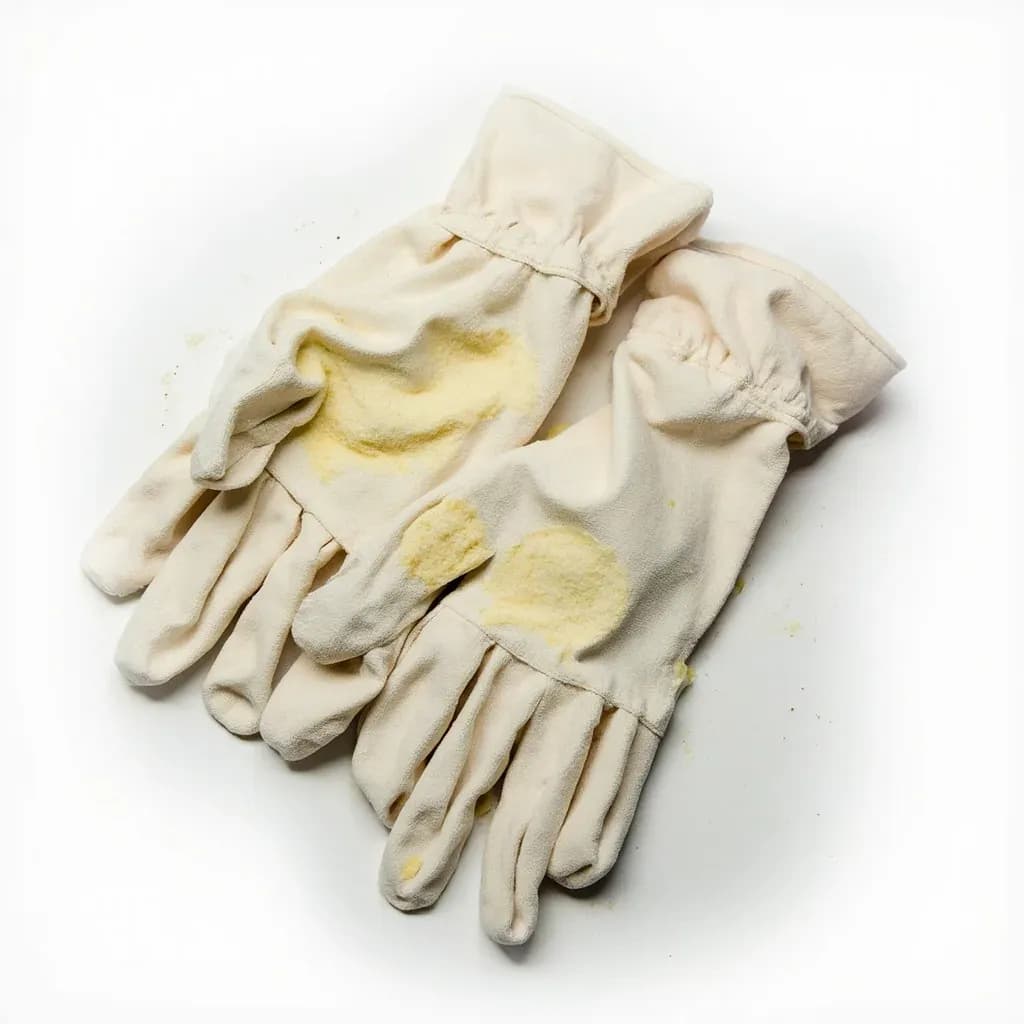
Cryogenic gloves are thick, water-resistant insulated gloves rated for extreme cold. Modernist and pastry kitchens wear them when handling liquid nitrogen, dry ice, or freezer items to prevent frostbite and cold burns. They are loose-fitting by design so they can be flung off quickly if liquid nitrogen splashes inside.
Cryogenic gloves are the PPE that makes liquid nitrogen (LN2) work possible in a working kitchen. They look like heavy waterproof gauntlets — typically mid-arm to elbow-length — and they exist for one reason: to give the cook handling them a fighting chance during a brief, accidental brush with something at –196 °C / –320 °F. No glove actually makes that temperature comfortable; the right glove buys you the seconds you need to withdraw, set a vessel down, or pull back from a splash without frostbite or worse.
In a professional kitchen, cryogenic gloves sit alongside long tongs, a splash face shield, and a properly vented dewar as the complete safety kit for any LN2 task — and crucially, the glove is a backup, not a first line of defense. Most cooks reach for tongs to dip, stir, or retrieve items, and only bring a gloved hand near the bath when pouring from a dewar, repositioning a heavy vessel, or steadying something frosted and slippery. Used that way — as a deliberate, planned piece of equipment rather than a magic shield — cryo gloves have quietly become standard in modern restaurant and pastry kitchens, adopted along with the molecular-gastronomy techniques that brought LN2 out of the lab and into restaurants like The Fat Duck in the early 2000s.
What separates a true cryogenic glove from a freezer glove or an oven mitt is construction: a waterproof outer shell (nitrile-, neoprene-, or polyurethane-coated), a thermal mid-layer, and an inner liner that must stay dry. Even brief immersion in LN2 sits outside the design envelope of nearly every culinary-rated glove, so the goal is splash and very-short-contact protection, with the cook's movements planned in advance to stay inside those limits.
Alternatives
Types & varieties
The everyday kitchen workhorse: waterproof outer shell, thermal mid-layer, cuff that reaches well past the wrist to protect the forearm when reaching into a dewar or shallow LN2 bath.
Longer (~45–60 cm / 18–24 in) version chosen when pouring LN2 from a dewar or stirring a bath where splash risk is high; the extra length covers the gap between sleeve and glove.
Nitrile-, PU-, or sand-textured palm and fingers for better purchase on slippery frosted vessels, tongs, and dewars; worth seeking out for any task involving pouring or repositioning.
Rated only for dry-ice temperatures around –78 °C / –109 °F; cheaper and more flexible, but NOT rated for liquid nitrogen and a dangerous shortcut if used as one.
Mitt-style rather than fingered; warmer but far less dexterous, so rarely used in active cooking — better for staged handling than for live kitchen work.
Some suppliers sell a sleeve or apron that integrates with the glove to close the wrist gap and protect the upper arm during sustained pouring or dewar transfers.
Why construction matters more than brand
The performance of a cryo glove lives in three layers, and a failure in any one of them compromises the whole. The outer shell is a coated fabric — usually nitrile, neoprene, or polyurethane — that keeps liquid from reaching the insulation beneath. The mid-layer is the actual thermal barrier, typically a heavy synthetic batting. The inner liner, most often cotton or fleece, is where comfort and a critical failure mode live: any moisture that gets through the outer shell, or any sweat the wearer produces, can freeze against the skin and cause severe cold burns even though the glove as a whole is still intact. That is why 'waterproof' on a glove spec refers to the outer shell only, and why drying the inner liner between uses is not optional housekeeping.
- A pinhole, crack, or thin spot in the outer shell defeats the whole glove — inspect before every use.
- A wet inner liner can cause cold burns even when the outer shell looks perfect.
- EN 511 is a performance rating, not a guarantee of unlimited exposure time.
Choosing length and fit
Match glove length to the worst-case splash distance of the task, not the average one. A wrist-length glove is fine for grabbing a frosted pan out of a blast chiller, but it is the wrong tool for pouring LN2 from a dewar, where splashes travel further and a bare forearm is the most common injury site. Fit is the other half of safety: too tight and the layers compress, reducing insulation and trapping sweat; too loose and dexterity drops, so the cook fumbles the vessel they were trying to be safe with. A good cryo glove should feel like a heavy winter glove — present, but not restrictive — and should come off in one tug if a spill occurs.
- Wrist-length: only for grabbing frosted vessels, never for LN2 contact.
- Mid-arm gauntlet: the kitchen default for short dips and stirring.
- Elbow-length: required for pouring from a dewar or working over an open LN2 bath.
- Fit test: can you pick up a coin from a flat surface while wearing them?
Care and inspection routine
Treat cryo gloves like a knife: they earn their keep by being looked after. After each use, turn them inside out to air-dry the liner fully before storing — moisture trapped in the liner is the most common silent failure. Before each use, run a visual check for thin spots, pinholes, cracking at the cuff seam, or any area where the coating has delaminated. A glove that has taken a major LN2 splash should be retired even if it looks intact, because insulation can be compromised invisibly. Store them open and dry, never folded damp in a drawer.
- Air-dry inside-out between uses; never store folded while damp.
- Replace immediately if the coating is cracked, peeling, or visibly thin.
- Retire any glove that took a significant spill, regardless of appearance.
- Keep a spare pair on hand — LN2 work should never depend on a single glove.
Common uses
Tips & pitfalls
- The glove is the second line of defense — always use long tongs to keep hands out of the bath whenever possible.
- Inspect before every use: any pinhole, crack, thin spot, or wet lining compromises protection immediately.
- Keep the inner liner bone-dry; trapped moisture can freeze against skin and cause severe cold burns even through an otherwise intact glove.
- Match length to the task: wrist-length for grabbing a frosted pan, mid-arm for short dips, elbow-length for pouring LN2 from a dewar.
- Never substitute regular oven mitts, rubber kitchen gloves, or leather gloves — they offer no meaningful cryogenic protection and can freeze stiff on contact.
- A brief splash on the outer shell is acceptable; sustained contact or immersion is not, regardless of the glove's rating.
- Store gloves open and dry; folding them while damp promotes mildew and hidden liner saturation.
- Pair the gloves with splash-rated goggles or a face shield — the glove does nothing for the eyes, and an LN2 splash to the face is the worst-case scenario.
- Cold-rated work gloves for freezers (e.g., –30 °C walk-ins) are not cryogenic gloves and will fail on contact with LN2.
- Train every user: a cryo glove gives limited time, not unlimited time — plan the move before contact.
Good to know
- Also called
- Cryo gloves, LN2 gloves, cryo-handling gloves, cold-protective gauntlets
- Primary hazard addressed
- Contact with liquid nitrogen at –196 °C / –320 °F and other cryogenic liquids or heavily frosted surfaces
- Typical length
- Wrist (≈ 27 cm / 10.5 in) to elbow-length gauntlet (≈ 45–60 cm / 18–24 in); gauntlet style is the norm for LN2 work
- Key European standard
- EN 511 (cold-protective gloves); graded across convective cold, contact cold, and water permeability
- US reference standards
- ASTM F2675 (glove permeation by chemicals under continuous contact) and ANSI/ISEA 105 cold-hazard ratings
- Temperature rating
- Designed for brief or splash contact down to roughly –200 °C / –328 °F; not intended for full immersion in LN2
- Common construction
- Multi-layer: waterproof coated outer shell, thermal insulation mid-layer, inner cotton or fleece liner
- Sizing & fit
- Sold small through XXL; should be snug enough for dexterity but loose enough to be pulled off quickly
- Approximate price
- Roughly $40–$250 per pair depending on length, brand, and certification
Also called
Cryo Gloves · Liquid Nitrogen Gloves · Cold-Resistant Gloves
Related

Paper Towels
Disposable sheets for spills, drying, and patting dry

Kitchen Towels
Reusable cloths for drying, gripping, and wiping

Oven Mitts
Heatproof gloves to handle hot pans and trays safely

Disposable Gloves
Single-use gloves for safe, mess-free handling

Cleaning Cloths
Reusable cloths for wiping counters and spills

Tortilla Warmer
Insulated holder that keeps tortillas warm and soft

Trivet
Heatproof stand that shields surfaces from hot pots

Ice Bath Setup
Bowl of ice water that halts cooking and sets color