Wraps & Liners
Dehydrator Liner Sheet
A nonstick sheet placed on dehydrator trays so wet purees and small foods don't drip through.
A dehydrator liner sheet is a flexible nonstick mat, often silicone or coated mesh, laid over a dehydrator's mesh trays. It lets cooks dry wet mixtures like fruit leather, purees, or crackers without them oozing through the holes. The smooth surface releases the dried food cleanly and is washable for reuse.
A dehydrator liner sheet is a flat, food-safe sheet laid over an open-mesh dehydrator tray to give wet, sticky, or small foods a solid surface to dry on. Mesh trays are excellent for airflow but porous enough that a thin purée drips straight through, and anything smaller than the holes — small berries, peas, seeds, herbs — tumbles into the heating element below. A liner bridges that gap, turning any tray into a flat work surface without surrendering the dehydrator's signature low-temperature drying.
The trade-off is airflow. A solid sheet blocks the vertical path warm air takes through the tray stack, so foods on lined trays dry more slowly than they would on open mesh. That is why seasoned dehydrator cooks treat liners as a specialty tool, not a default tray cover: essential for purées and fruit leather, helpful for catching small items, and counterproductive for halved fruits and jerky slices that already breathe well on mesh. Managing which trays are lined — and leaving at least some open between them — is the single biggest factor in getting good results.
Materials range from disposable parchment to heavy-duty silicone and PTFE-coated fiberglass, each with different limits on heat tolerance, reusability, and cleanup. The right choice depends on what you make most often and whether you prefer a one-and-done sheet or an investment that lasts years.
Alternatives
Types & varieties
Reusable, flexible, naturally nonstick; the most common modern option; tolerate high heat and clean easily
Sold under names like Paraflexx; very slick surface marketed largely for fruit leather; reusable but should be retired at the first sign of flaking
Pre-cut rounds/squares or roll stock; single-use; inexpensive and great for small batches or messy jobs
Not truly solid; a finer mesh that catches small items like herbs, berries, and seeds while preserving airflow
Sized to a specific dehydrator brand for a precise fit with no trimming
Trimmed to size with scissors; more economical and flexible for odd-shaped trays
Choosing the right material
The three common materials behave differently in ways that matter once you start drying regularly.
- Silicone is the most versatile all-rounder — flexible, nonstick, dishwasher-safe, and rated for the high end of dehydrator temperatures; expect a few years of regular use before it warps or stains.
- PTFE-coated fiberglass (sold as Paraflexx and similar) is the slickest surface, which is why it is favored for fruit leather; it tolerates the highest heat but should be replaced the moment the coating shows wear, since exposed fiberglass underneath is not food-safe.
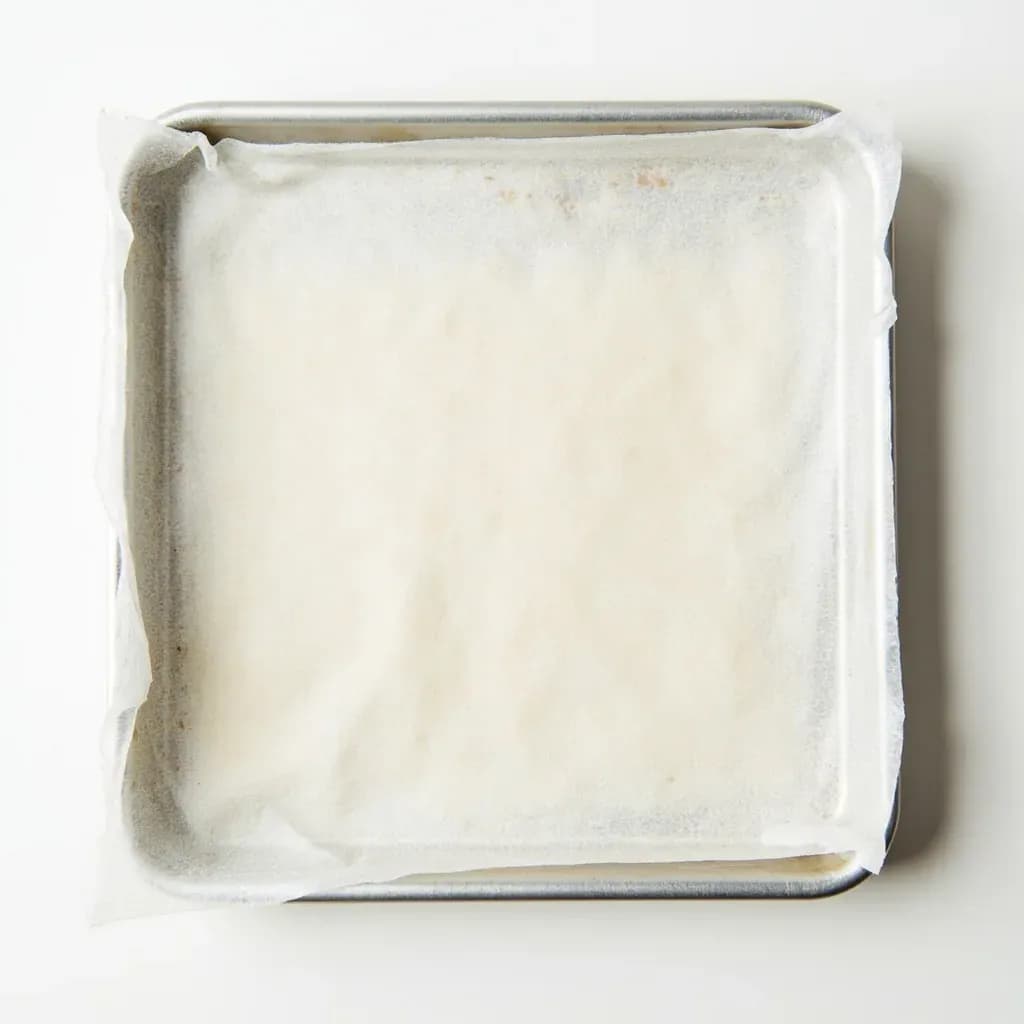
- Parchment is the cheapest option and ideal for occasional or messy jobs where you do not want to clean a reusable sheet; it is single-use and has the lowest temperature ceiling.
Airflow management on lined trays
Because a solid sheet chokes the vertical air path, lined trays typically dry noticeably slower than the same food on open mesh, with the gap depending on the food's moisture and the dehydrator's design. You can compensate without giving up the liner by thinking in alternating layers.
- Leave at least one open-mesh tray between lined trays so air can move vertically through the stack.
- Stagger lined trays so they are not stacked back-to-back.
- Use perforated silicone or PTFE sheets for slightly wetter foods (sliced tomatoes, fruit rounds) where some airflow still helps.
- For long dehydrations, rotate lined trays up and down in the stack midway through so the top and bottom of the stack see similar conditions.
Care and replacement
Reusable sheets last a long time if treated gently, but they do wear out.
- Wash with warm water, mild dish soap, and a soft sponge; avoid steel wool, abrasive pads, and sharp utensils.
- Dishwasher-safe on the top rack for most silicone and PTFE sheets, though hand washing extends life.
- Replace PTFE sheets at the first sign of discoloration, pinholes, or flaking in the coating — once the layer breaks down, the underlying fiberglass can shed.
- To flatten a warped silicone sheet, lay it on a rimmed baking sheet in a 250°F / 120°C oven for 3–5 minutes, then weight it flat while it cools.
Common uses
Tips & pitfalls
- Measure your tray's interior before buying — Excalibur, Nesco, Cosori, and most round dehydrators use different dimensions, and a sheet that is even 1/4" too large will curl up into the fan.
- Use solid (non-perforated) sheets only for purées and wet batters; for halved fruit or jerky strips, leave those trays on open mesh for faster drying.
- Trim parchment with scissors rather than tearing it — ragged edges lift, curl, and end up in the fan housing.
- Never substitute wax paper for parchment; it smokes, sticks, and can melt at dehydrator temperatures, and any paraffin coating can wick into the food.
- Avoid abrasive scrubbers and steel wool on silicone or PTFE sheets; a soft sponge and warm soapy water is all that is needed, and harsh scrubbing shortens their life.
- For fruit leather, lightly grease the sheet with a thin film of neutral oil or cooking spray before pouring the purée — the leather releases cleanly and cleanup is faster.
- Do not line every tray in the stack with solid sheets; block every other one at most, otherwise air cannot circulate vertically and drying stalls.
- Label silicone sheets by use (savory, sweet, herb) if you dehydrate strongly flavored foods back-to-back, since silicone can hold light odors from garlic, onion, or strong herbs.
Good to know
- Primary materials
- Food-grade silicone, PTFE-coated fiberglass (often sold as Paraflexx or similar), and disposable parchment paper
- Common tray sizes
- Square sheets typically 14" × 14" or 15" × 15" for Excalibur-style 9-tray dehydrators; round sheets 11"–15" in diameter for Nesco/American Harvest-style models
- Temperature tolerance
- Silicone roughly 480°F / 250°C; PTFE-coated fiberglass roughly 500°F / 260°C; parchment generally 425°F / 220°C
- Reusability
- Silicone and PTFE sheets are reusable for hundreds of cycles; parchment is single-use
- Cleaning
- Silicone and PTFE sheets wipe clean or go in the dishwasher; parchment is discarded
- Form factor
- Sold pre-cut to specific tray sizes or as flexible roll stock trimmed with scissors
- Airflow impact
- Solid sheets reduce vertical airflow and lengthen drying time compared with open mesh; perforated sheets partially restore it
Also called
Fruit Leather Sheet · Dehydrator Tray Liner · Silicone Dehydrator Mat
Related

Aluminum Foil
Wraps, covers, and tents food for the oven and grill

Parchment Paper
Nonstick liner for clean, even baking and easy release

Wax Paper
Moisture-resistant sheet for wrapping and counter prep

Plastic Wrap
Clings tight to cover bowls and wrap leftovers

Silicone Baking Mat
Reusable nonstick liner that replaces parchment

Cheesecloth
Loose-woven cloth for straining stock and bundling herbs

Beeswax Food Wrap
Reusable wax wrap that molds around bowls and produce

Piping Tips
Shaped nozzles that turn frosting into stars and rosettes