Heat & Safety
Dish Soap
Grease-cutting liquid detergent for washing pots, pans, utensils, and produce-prep surfaces.
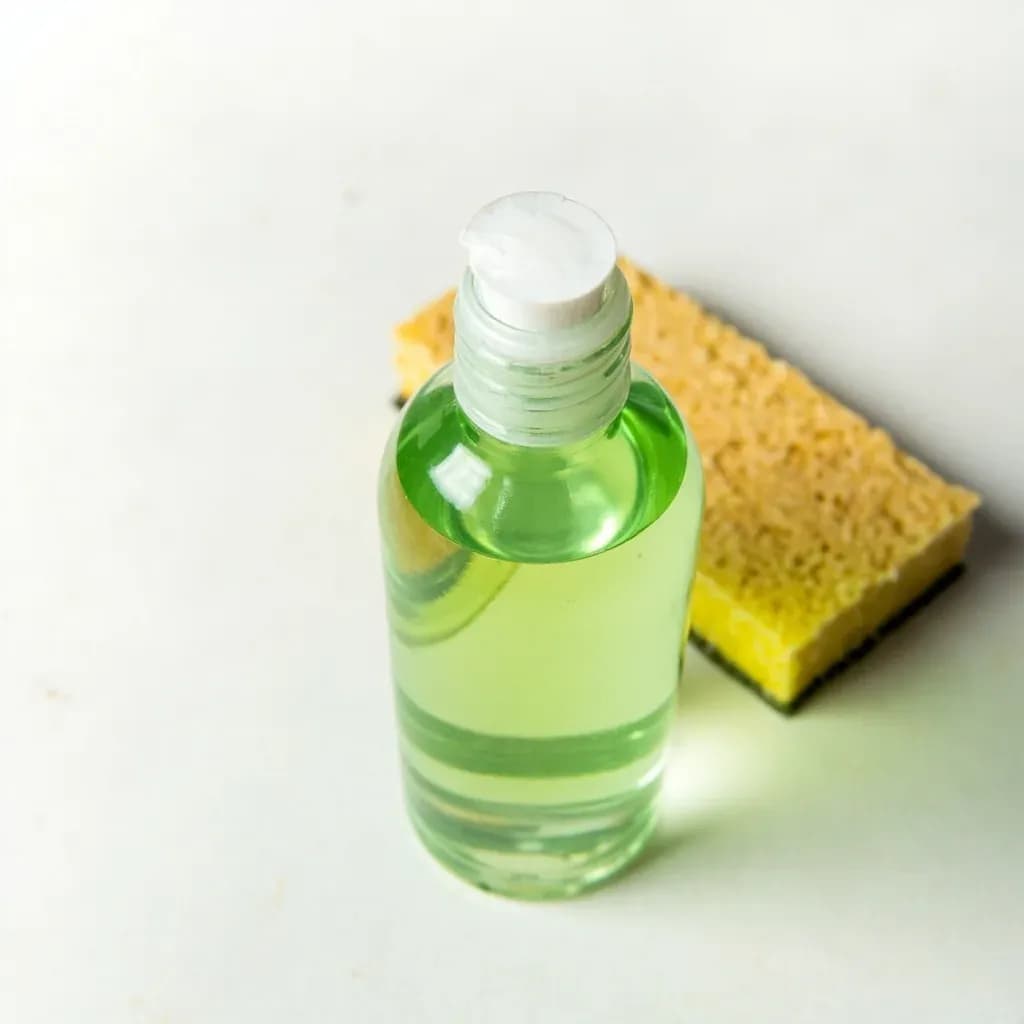
Dish soap is a grease-cutting liquid detergent used to hand-wash pots, pans, utensils, and dishes at the sink. A few drops in warm water lift cooked-on fat and food residue, keeping equipment clean and safe between tasks. Cooks use it throughout service for quick spot-washes of knives and boards, and rinse thoroughly so no soapy taste lingers on food contact surfaces.
Dish soap is a surfactant-based detergent engineered specifically for manual dishwashing in kitchen environments. Unlike all-purpose cleaners or laundry detergents, dish soaps are formulated with anionic surfactants—typically sodium lauryl sulfate or comparable compounds—combined with enzymes and builders that work in concert to emulsify fats, suspend food particles, and lift residues from cookware and preparation surfaces. The slightly alkaline pH range of 7.5–9.5 accelerates the breakdown of protein and carbohydrate soils while remaining safe for the diverse materials found in a kitchen.
For cooks, dish hygiene directly affects food safety and quality. Residual grease creates a biofilm that harbors bacteria, while soap residue left on utensils or surfaces can impart off-flavors to subsequent dishes. Dish soap achieves this cleaning through surfactants that reduce water's surface tension, allowing the detergent to penetrate and encapsulate grease molecules into rinseable micelles. Heat amplifies this process significantly—water above 100°F (38°C) accelerates emulsification and helps greasy residues lift more readily than cold water ever could.
Dish soap is a kitchen supply, not a food product. It is formulated for inanimate objects and should never be used to wash produce for raw consumption—specialized fruit and vegetable washes are designed for that purpose and carry food-safety certifications. Similarly, dish soap must never substitute for dishwasher detergent (which is low-suds and formulated for machine conditions), laundry detergent (which contains enzymes and additives unsuitable for dishware), or commercial sanitize solutions used in food-service operations.
Alternatives
Types & varieties
General-purpose for most cookware and dishes; contains strong surfactants for everyday grease removal
Contains agents such as benzalkonium chloride; effective against bacteria but unnecessary for normal household use
Derived from coconut, corn, or other renewable sources; biodegradable; may require slightly more product for heavy grease
Requires dilution per package directions; more economical for high-volume or commercial use
Pre-diluted for convenience; less economical per wash load but eliminates measuring
Minimal additives; suitable for sensitivities or food-prep areas where scent transfer is a concern
Heavier surfactant concentration for commercial kitchens; may require more thorough rinsing before food contact
Common uses
Tips & pitfalls
- Use sparingly—a few drops are sufficient for a sink full of dishes; excess soap creates excessive suds and leaves residue requiring more rinsing
- Always use hot water (at least 100°F/38°C) to help emulsify and lift grease effectively
- Allow heavily soiled or greasy items to soak for 10–20 minutes in hot soapy water before scrubbing—this reduces effort and water use
- Rinse thoroughly with clean hot water to prevent soap residue, which can affect food taste and safety
- For non-stick cookware, use only a small amount and avoid abrasive scrubbers to preserve the coating
- Avoid using dish soap directly on seasoned cast iron; if needed, use minimal soap and dry immediately to prevent rust
- Replace or properly sanitize your sponge or brush regularly; a contaminated cleaning tool redeposits bacteria onto freshly washed items
- Keep the soap bottle cap clean and the spout free of dried residue to prevent contamination of the remaining soap
- For produce-prep surfaces that contact raw meat, rinse with a sanitizing solution after washing with soap
- Commercial food-service sanitizers (chlorhexidine, quaternary ammonium) are not dish soap—do not use them interchangeably for food-prep cleaning
Good to know
- Primary function
- Surfactant-based grease-cutting detergent for manual dishwashing
- Active ingredients
- Anionic surfactants (typically sodium lauryl sulfate), enzymes, and builders
- pH range
- Slightly alkaline, typically 7.5–9.5
- Form
- Liquid concentrate or ready-to-use solution
- Temperature synergy
- Works best with hot water (above 100°F/38°C) to emulsify fats effectively
- Key distinction
- Not interchangeable with dishwasher detergent, laundry detergent, or hand soap
- Rinsability
- Designed to rinse clean with water; residue indicates overuse or insufficient rinsing
Also called
dishwashing-liquid · washing-up-liquid · dishwashing-soap · dishwashing-paste · dish-detergent
Related

Paper Towels
Disposable sheets for spills, drying, and patting dry

Kitchen Towels
Reusable cloths for drying, gripping, and wiping

Oven Mitts
Heatproof gloves to handle hot pans and trays safely

Disposable Gloves
Single-use gloves for safe, mess-free handling

Cleaning Cloths
Reusable cloths for wiping counters and spills

Tortilla Warmer
Insulated holder that keeps tortillas warm and soft

Trivet
Heatproof stand that shields surfaces from hot pots

Ice Bath Setup
Bowl of ice water that halts cooking and sets color