Heat & Safety
Dishwasher Tablet
Pre-measured detergent tab that cleans dishes and cookware in a dishwasher cycle.
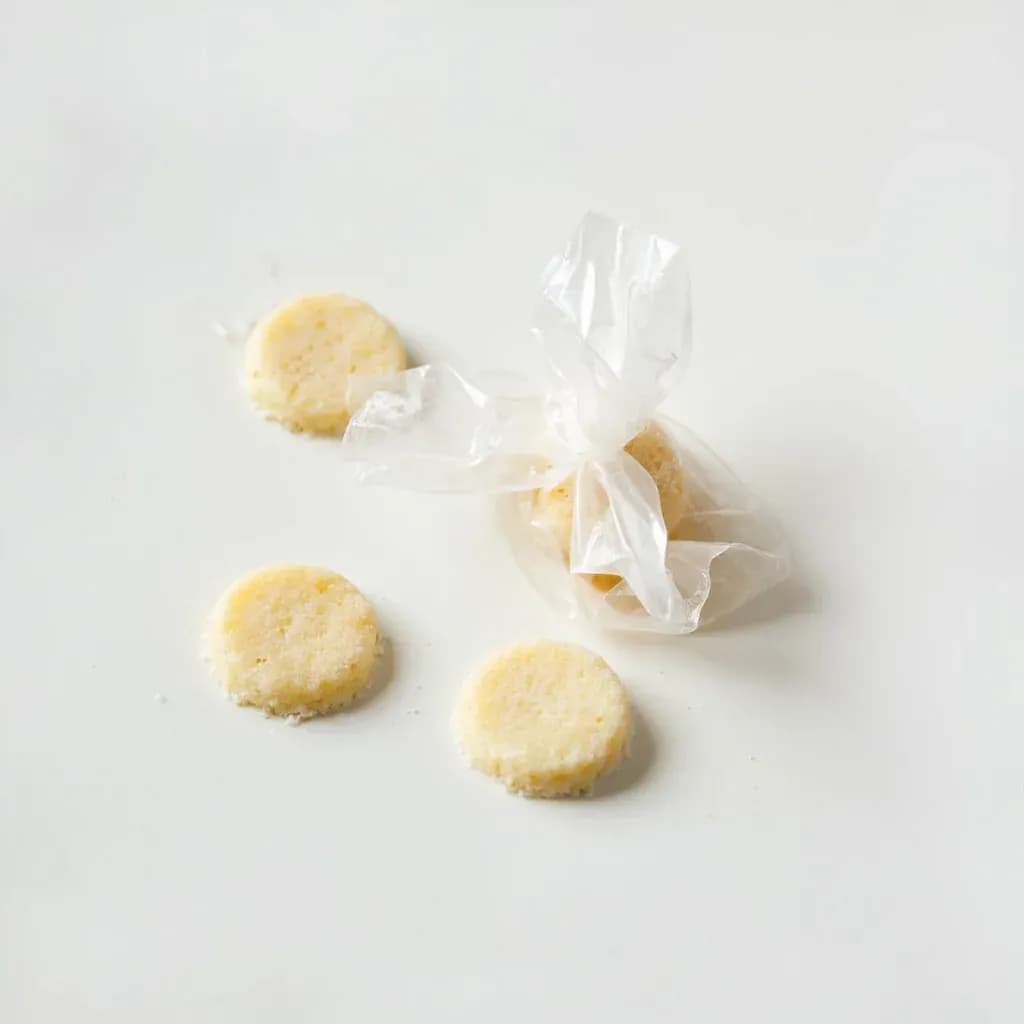
A dishwasher tablet is a pre-measured block of detergent dropped into a dishwasher's dispenser to wash and degrease dishes, glassware, and cookware in a single cycle. It dissolves during the wash to lift food, cut grease, and rinse clean without hand scrubbing. All-in-one tabs combine detergent, rinse aid, and salt, and are kept dry until use so they don't crumble.
Dishwasher tablets are pre-measured cleaning units engineered for automatic dishwashers, combining detergent, builders, and enzymes in a single compressed form that dissolves during the wash cycle. Unlike pouring loose powder or liquid from a bottle, the tablet format eliminates measuring guesswork and reduces waste from over-dosing. The tablet's formulation is specifically balanced for machine washing—it delivers surfactants, enzymes, and water-softening agents in the correct sequence and concentration, something hand dishwashing liquid cannot do safely in a dishwasher (the excessive suds it generates can damage pump seals and sensors). A dishwasher tablet's active chemistry works through a combination of mechanisms: surfactants cut through grease, enzymes break down protein and starch residues, builders neutralize hard water minerals, and oxygen bleach lifts stains. Understanding how these components behave—particularly enzyme activity thresholds and dissolution timing—allows you to get consistently clean results and avoid common pitfalls like residue on dishes or damaged cookware.
Alternatives
Types & varieties
Combine detergent, rinse aid, and salt function; some include glass protection agents or pre-wash boosters in separate dissolvable chambers
Liquid or gel formulation enclosed in water-soluble film; dissolves faster than compressed tablets; higher initial cost per wash
Biodegradable surfactants derived from plant sources; no phosphates, chlorine bleach, or synthetic fragrances; may require slightly hotter water for equivalent performance
Basic detergent only; requires separate rinse aid and dishwasher salt for optimal results on glassware and in hard water areas
No added perfumes or dyes; preferred for fragrance sensitivity; available in both eco and standard formulations
Smaller dose forms designed for compact dishwashers or half-loads; not always proportionally reduced active ingredients—check dosing guidance
Why Tablets Beat Powder and Liquid
Powder detergents can clump when exposed to humidity, leading to inconsistent dosing. Liquid detergents require manual measurement and frequently lead to over-dosing, which causes streaking and residue. Tablets solve both problems by delivering a fixed, pre-measured dose every cycle. The compressed form also allows for multi-chamber designs where different active ingredients are housed separately and released at different stages of the wash—something impossible with loose powder or liquid. This sequential release matters: enzymes need time to work on proteins and starches before surfactants fully activate, and a well-designed tablet coordinates these stages automatically.
- Tablets are pre-measured—zero guesswork, no spills, no over-dosing
- Multi-chamber tablets release ingredients in sequence, not all at once
- Powder exposed to humidity loses potency and can clog dispensers
- Liquid detergent generates excess foam in dishwashers, risking pump damage
What NOT to Put in the Dishwasher
Dishwasher tablets are too aggressive for certain items, and the machine's high heat and prolonged agitation will damage them. Understanding these exceptions prevents ruined cookware and unsafe cleaning situations.
- Seasoned cast iron: machine washing strips seasoning and promotes rust—wash by hand with minimal soap
- Wooden utensils and cutting boards: thermal cycling causes cracking and splitting; hand wash only
- Fine knives and sharp-edged tools: the machine's movement dulls edges and can damage handles
- Hand-painted or decorative ceramics: high heat and detergent can fade or damage finish
- Non-stick cookware: the coating wears faster in a dishwasher; hand wash preserves it longer
- Aluminum cookware: check manufacturer guidance; some tablet formulations can cause darkening or mild pitting
- Copper cookware: detergents can strip the patina and cause discoloration
Common uses
Tips & pitfalls
- Store tablets in an airtight container or reseal the box tightly after each use to prevent moisture absorption and caking
- Place tablet in the main wash compartment (not the pre-wash dispenser) to ensure it dissolves during the correct wash phase
- Even with all-in-one tablets, adding a small amount of liquid rinse aid to the dedicated compartment improves drying and reduces water spots on glassware
- For hard water areas (above 7 grains/gallon or 120 ppm), use phosphate-containing tablets or add dishwasher salt separately; mineral buildup inhibits cleaning
- Run hot water at the tap for 10–15 seconds before starting the dishwasher to ensure the machine fills with hot water from the start
- Do not unwrap or break apart multi-chamber tablets; the separate compartments dissolve in sequence to deliver actives at the correct cycle stage
- If tablets leave white residue on dishes, the water temperature may be too low or the tablet dose too large for the load size
- Check that aluminum cookware is dishwasher-safe per manufacturer instructions before cleaning with tablets, as some formulations can cause darkening or pitting
Good to know
- Primary Function
- Pre-measured cleaning unit combining detergent, builders, and enzymes in a single dissolvable tablet for automatic dishwashers
- Typical Weight
- 12–20 g per tablet depending on brand and formulation
- Key Active Ingredients
- Surfactants (cut grease), enzymes (amylases for starch, proteases for protein), builders (soften water), oxygen bleach (stain removal)
- Dissolution Rate
- Fully dissolves within 3–6 minutes of wash cycle; formulated for the main wash compartment, not pre-wash
- Water Temperature
- Effective in cycles as low as 40°C (104°F) though performance improves significantly above 50°C (122°F)
- Storage Requirement
- Keep sealed in original packaging, away from humidity; moisture causes tablets to clump and lose potency
- Regional Formulation Differences
- Phosphate-free in the EU since 2017; North America has both phosphate and phosphate-free options; concentration varies by market
- Shelf Life
- Approximately 12–15 months from manufacture date when stored properly
Also called
dishwasher-tablets · dishwasher-tab · dishwasher-pod · dishwasher-detergent
Related

Paper Towels
Disposable sheets for spills, drying, and patting dry

Kitchen Towels
Reusable cloths for drying, gripping, and wiping

Oven Mitts
Heatproof gloves to handle hot pans and trays safely

Disposable Gloves
Single-use gloves for safe, mess-free handling

Cleaning Cloths
Reusable cloths for wiping counters and spills

Tortilla Warmer
Insulated holder that keeps tortillas warm and soft

Trivet
Heatproof stand that shields surfaces from hot pots

Ice Bath Setup
Bowl of ice water that halts cooking and sets color