Heat & Safety
Fire Starter Cubes
Compact wax or wood-wool cubes that ignite easily to light charcoal and wood fires.
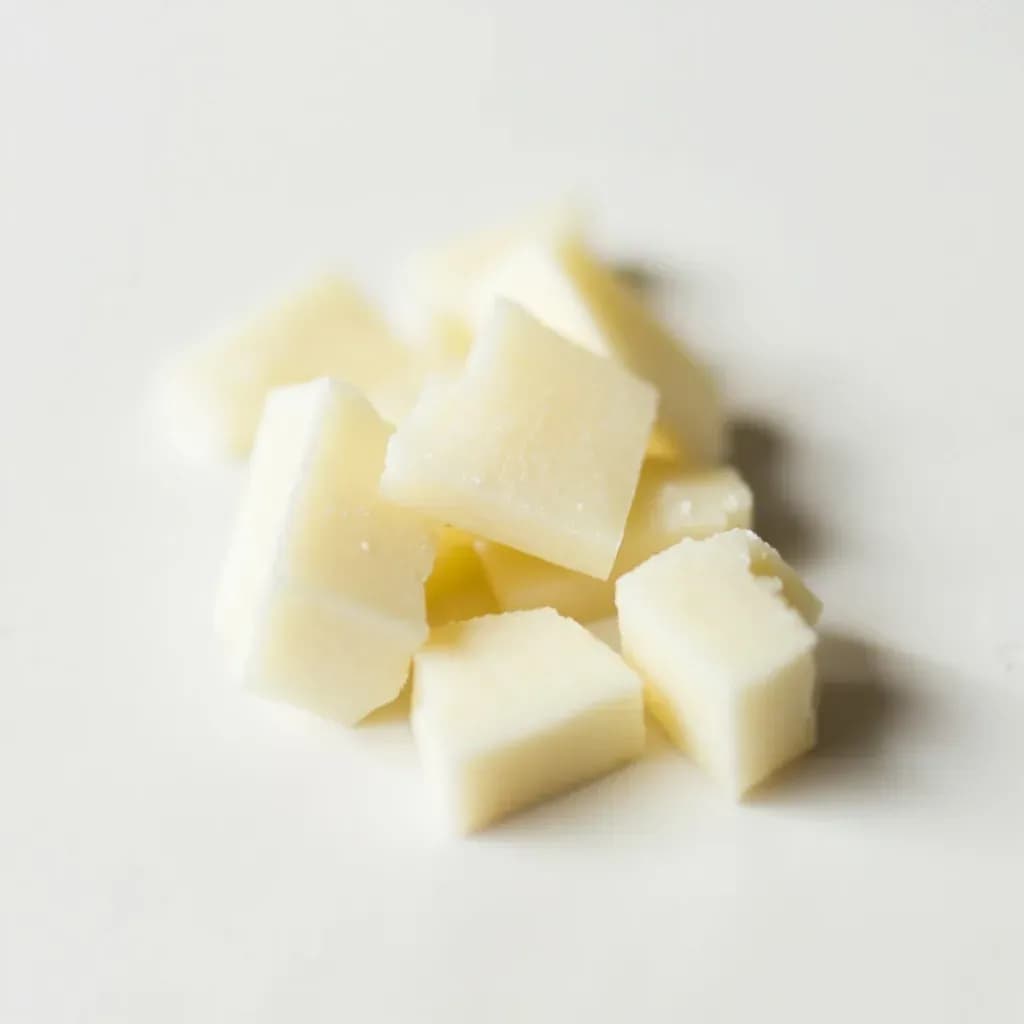
Fire starter cubes are small blocks of compressed wood fibers and paraffin or natural wax that catch a flame instantly and burn steadily for several minutes. Grillers and pizza-oven users tuck one or two under charcoal or kindling to get a clean light without lighter fluid or its taint. They are odorless once burning, food-safe for grilling, and unaffected by damp, making them reliable outdoors.
Fire starter cubes are small, dense blocks of combustible fiber—typically wood wool, sawdust, or recycled paper—bound together with paraffin, natural wax, or another slow-burning binder. Their job is unglamorous but essential: to bridge the awkward gap between a single match and a fully established charcoal or wood fire. A good cube burns for eight to fifteen minutes at a steady, rising temperature, which is exactly the time and heat needed for lump charcoal to catch from the bottom up or for kindling to transition into a sustainable flame. They are the cleanest, most predictable option for serious outdoor cooking, far more reliable than crumpled newspaper and far less intrusive on flavor than lighter fluid.
The dominant commercial form is the European-style paraffin-and-wood-wool cube, often molded with a recessed center that holds a match or lighter flame long enough to ignite the surrounding wax. Higher-end versions use beeswax or plant-based binders and are marketed as odorless, which matters when the starter sits inches from a grill grate or pizza-oven floor. For a working cook, these cubes are less about emergency firestarting and more about consistency: every chimney, kamado, and offset smoker lights the same way every time, which is the foundation of repeatable live-fire cooking.
Used as intended, the cubes burn away almost completely, leaving only a faint ash that can be brushed aside before food goes on. The real caution is timing—cooking over a cube that has not fully consumed itself can transfer a faint petrochemical or waxy note to delicate foods like fish, white asparagus, or flatbread. For that reason, professional kitchens and serious grilling enthusiasts tend to keep two varieties on hand: a standard paraffin cube for general use, and an odorless or natural-wax cube for presentations and finicky ingredients.
Alternatives
Types & varieties
The most common type; wood-wool fibers soaked in refined paraffin wax, often with a recessed center for easy lighting. Sold under brands such as Fire-Up, Faber, and Weber.
Made with beeswax or plant-based waxes and natural fibers; marketed as eco-friendly with less petrochemical odor
Compressed sawdust cubes, sometimes with a wax binder; burn longer and hotter than typical wood-wool cubes
Made from recycled paper or cardboard with a wax binder; a sustainable alternative to virgin wood fiber
Made from coconut coir or palm fiber; common in tropical regions where these fibers are abundant
Specifically formulated to burn without odor or visible smoke, used in professional kitchens for tableside presentations, indoor live-fire stations, and any setting where the cooking surface sits close to the ignition source
Matching the Cube to the Cook
Not every fire is the same, and the cube you reach for should reflect the fuel, the cooking distance, and the food. The most expensive cube is rarely necessary for a backyard kettle grill loaded with marinated chicken thighs, but a forty-dollar piece of fish resting two inches above a chimney starter is exactly where an odorless or beeswax cube earns its keep. For wood-fired ovens running at 700°F or higher, the starter is fully consumed long before the oven reaches temperature, so the standard paraffin cube is fine. For low-and-slow smoking over many hours, where the firebox is open to ambient air for extended periods, the residual petrochemical note is diluted enough that a standard cube poses no problem.
- Standard paraffin cubes: general grilling, charcoal chimneys, fireplaces, wood stoves
- Beeswax or natural-wax cubes: fish, vegetables, flatbreads, anything with a delicate flavor profile
- Sawdust briquettes: long-burning campfires, outdoor bread ovens, large fireplace loads
- Odorless restaurant cubes: indoor live-fire stations, tableside presentations, any cook with the food sitting close to the flame
Storage and Shelf Life
Because the binding wax is itself the fuel, the only real enemy of a fire starter cube is moisture. Paraffin is hydrophobic, so a properly stored cube will outlive the cook who bought it. Damp cubes smolder, refuse to catch, and at best produce a disappointing plume of white smoke rather than a clean flame. A lidded metal tin in a garage or shed is ideal; a sealed plastic bag in a humid basement is asking for trouble.
Common uses
Tips & pitfalls
- Place the cube beneath or under the charcoal pile, not on top—flames need to climb upward through the fuel to ignite it evenly
- Use one to two cubes for a standard home grill; three or more for a large smoker, pizza oven, or fireplace
- Wait until flames have subsided and a gray ash has formed on the charcoal before cooking—food placed over a still-burning cube can pick up a faint waxy or petrochemical off-flavor
- Keep stored cubes dry; damp or humid cubes are nearly impossible to light and will smoke without catching
- Never use a cube to reignite a fire that has died back to embers; clear out the dead fuel and start fresh for safety and clean flavor
- Store cubes in a metal container away from heat sources and open flame—paraffin melts at a relatively low temperature
- Choose odorless or natural-wax varieties when grilling delicate foods such as fish, shellfish, or white vegetables
- Keep a fire extinguisher or water source within reach when lighting large fires, particularly in dry outdoor conditions
Good to know
- Material
- Compressed wood fiber (wood wool, sawdust, or recycled biomass) bound with paraffin, natural wax, or other combustible binders
- Typical Shape
- Small cube roughly 2–3 cm per side; hexagonal tablets and puck shapes also common
- Burn Time
- Approximately 8–15 minutes per cube, depending on size and composition
- Ignition
- Lights with a single match or lighter; no kindling required
- Odor Profile
- Most are odorless when burning; standard paraffin cubes can faintly scent food if used too close to the cooking surface
- Storage
- Store cool and dry away from sunlight; shelf life is effectively indefinite when kept dry
- Toxicity
- Non-toxic when used as intended, but not food—cubes and residue must be fully consumed before cooking
- Setting
- Designed for outdoor use; acceptable indoors in fireplaces and wood stoves with proper ventilation
Also called
Grill Fire Starter Cubes · fire lighter cubes · wax starter cubes · wood-wool firelighters
Related

Paper Towels
Disposable sheets for spills, drying, and patting dry

Kitchen Towels
Reusable cloths for drying, gripping, and wiping

Oven Mitts
Heatproof gloves to handle hot pans and trays safely

Disposable Gloves
Single-use gloves for safe, mess-free handling

Cleaning Cloths
Reusable cloths for wiping counters and spills

Tortilla Warmer
Insulated holder that keeps tortillas warm and soft

Trivet
Heatproof stand that shields surfaces from hot pots

Ice Bath Setup
Bowl of ice water that halts cooking and sets color