Heat & Safety
Firelighter
A small fuel cube or stick that ignites easily to start charcoal and wood fires.
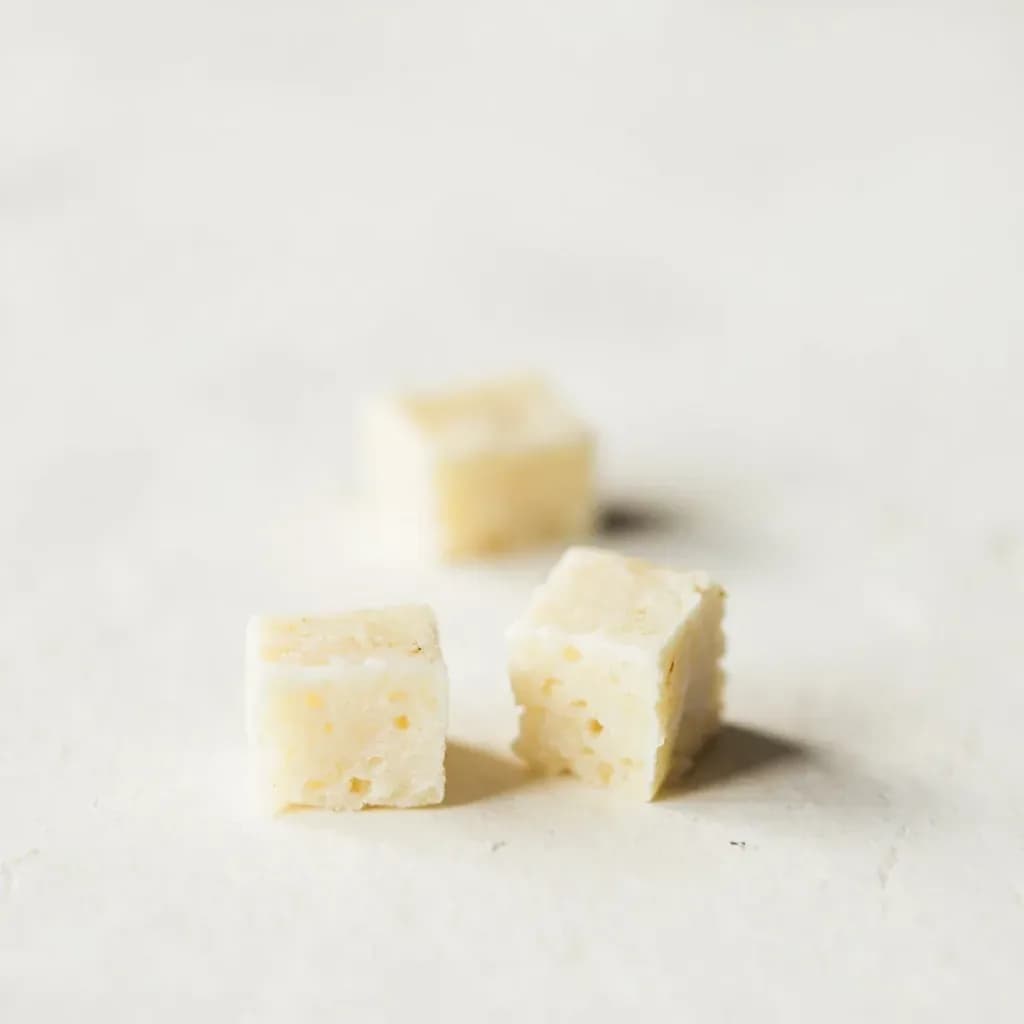
A firelighter is a compact block, cube, or stick of compressed fuel that lights quickly and burns long enough to catch charcoal, wood, or kindling. Cooks use them to start grills, braziers, and wood-fired ovens without lighter fluid taste. Food-safe natural-wax types are preferred when starting fires near food.
A firelighter is a solid, self-contained block of combustible fuel — typically a paraffin wax cube, a wax-impregnated wood-wool bundle, or a gelled alcohol paste — used to ignite charcoal, logs, and kindling without newspaper or liquid accelerants. Unlike lighter fluid, which is a volatile liquid poured onto fuel, a firelighter burns in place over 8–15 minutes, delivering a slow, predictable flame front that creeps up through a pile of charcoal or kindling and lights it from below. This controlled burn is what makes it the standard ignition method for charcoal grills, wood-fired pizza ovens, offset smokers, and open fireplaces in much of Europe and the UK.
The practical difference between a cheap paraffin cube and a premium wood-wool or refined-wax blend comes down to flavour carry-over and soot. Paraffin cubes are cheap and reliable but can leave a faint petrochemical aftertaste on food if it is loaded too soon after ignition. Wood-wool and certified odourless cubes are engineered to combust cleanly with minimal visible smoke, which matters most in ceramic kamado cookers, offset smokers, and 400 °C+ pizza ovens where any off-note in the fuel shows up in the crust or bark. Choosing the right firelighter is therefore as much a flavour decision as a fire-starting one.
Alternatives
Types & varieties
Classic white or cream cube; cheap and reliable; may leave a faint petrochemical note if food is loaded before the cube has fully burned down.
Compressed wood shavings bound with wax; marketed as natural and food-neutral; the standard choice for kamado grills and pizza ovens.
Compressed sawdust with a wax or oil binder; sold as small blocks or 'eco' cubes; burns longer than a plain wax cube.
Long, thin fuel stick designed to be partly buried in charcoal so the flame spreads laterally through the pile.
Thick gelled alcohol or hydrocarbon paste in a tub; dabbed under logs; popular for wood-burning stoves, chimineas, and pizza ovens.
Made with plant-derived waxes and sometimes essential oils; aimed at users avoiding petroleum-based products.
Refined paraffin or premium wax blend engineered to burn without visible smoke or smell; favoured for flavour-sensitive cookers.
Compressed cotton, jute, or wood fibre without chemical accelerants; very short burn time but the cleanest flavour profile.
Firelighter vs. Lighter Fluid
These are routinely confused, but they behave very differently on a grill. Lighter fluid is a volatile, aromatic petroleum distillate poured over cold charcoal and soaked in; it ignites with a brief flash and relies on vapour combustion, often leaving unburnt hydrocarbons soaking into the briquettes. A firelighter is a solid fuel block that burns in place under the charcoal, producing a slow, hot, sustained flame that lights the pile from below without ever soaking the fuel. The practical consequences are that lighter fluid is the leading cause of chemical off-flavours and dangerous flare-ups on home grills, while a properly burned firelighter leaves little to no residue once the cube has fully combusted. For any food-cooking application, a solid firelighter — particularly a wood-wool or EN 1860-3 certified cube — is the safer and cleaner choice.
- Lighter fluid = volatile liquid, soaked into fuel, short flash ignition, high flare-up risk.
- Firelighter = solid block, burns in place, 8–15 min sustained flame, lights fuel from below.
- Residual chemical taste is far more likely with lighter fluid than with a fully combusted firelighter.
- Across professional and serious home cooking, solid firelighters have largely replaced lighter fluid as the chemical ignition aid of choice.
Choosing a Firelighter for the Job
Match the firelighter to the cooker and the fuel. For a kettle grill at a backyard cookout, a basic paraffin cube works fine — the lid is open, smoke is expected, and flavour carry-over is minimal. For a kamado, offset smoker, or Neapolitan pizza oven reaching 400 °C and beyond, the residue and smell of paraffin become noticeable in the food, so a wood-wool, vegetable-wax, or certified odourless cube is worth the premium. For a wood stove or chiminea, a gel paste or a long-burning wood-wool bundle is more forgiving than a single cube because logs take longer to catch than charcoal does.
- Kettle BBQ, casual grilling: standard paraffin cube is fine.
- Kamado, ceramic, offset smoker: wood-wool or odourless/smokeless cube.
- Wood stove, open fireplace, chiminea: gel paste or wood-wool bundle for longer ignition.
- Pizza oven (400 °C+): certified odourless cube plus a 20–30 min post-flame-out clear-air period.
- Campfire, outdoor cooking: sawdust briquette or wood-wool type for clean, predictable ignition.
Common uses
Tips & pitfalls
- Place the cube under the centre of the charcoal pile, never on top — flames need to rise up through the fuel, not down across it.
- Wait until the cube has fully burned down to a clear liquid pool with no visible paraffin before loading food; a faint petrochemical smell means combustion is not yet complete.
- Never add a firelighter to charcoal that is already glowing red — solid firelighters are for cold starts only and will not relight spent coals safely.
- Avoid substituting lighter fluid; it soaks into briquettes unevenly, causes flare-ups, and is the single most common source of chemical off-flavours on grilled food.
- Use one cube for a standard 50–60 cm kettle; two at most for a large grill — more is wasteful and can pool liquid wax on the ash pan.
- For kamado and pizza ovens, choose a wood-wool or certified odourless cube and allow a 20–30 minute ventilation period after the cube has extinguished before loading food.
- Store cubes in a sealed wrapper or metal tin well away from the grill lid and grease tray — wax softens above ~50 °C and dripping wax stains enamel and is hard to remove.
- Look for EN 1860-3 compliance on the pack in the UK/EU; it indicates the firelighter meets the European standard for solid-fuel ignition aids.
Good to know
- Form
- Solid cube, block, stick, strip, or gelled paste
- Typical cube size
- ~25–30 mm square, 20–30 g each
- Burn time
- 8–15 minutes per cube, enough to ignite a small charcoal pile
- Ignition temperature
- ~60–80 °C (140–175 °F) — lights from a single match or spark
- Main compositions
- Paraffin wax; wax-impregnated wood wool or sawdust; petroleum distillate gels; plant-wax blends
- Storage
- Cool, dry place below ~50 °C in a sealed wrapper or metal tin
- Not the same as
- Lighter fluid (a volatile liquid accelerant poured onto fuel)
- Standard
- EN 1860-3 is the European safety and performance standard for firelighters used with solid barbecue fuels (UK/EU)
Also called
fire starter · fire lighter cube · ignition cube
Related

Paper Towels
Disposable sheets for spills, drying, and patting dry

Kitchen Towels
Reusable cloths for drying, gripping, and wiping

Oven Mitts
Heatproof gloves to handle hot pans and trays safely

Disposable Gloves
Single-use gloves for safe, mess-free handling

Cleaning Cloths
Reusable cloths for wiping counters and spills

Tortilla Warmer
Insulated holder that keeps tortillas warm and soft

Trivet
Heatproof stand that shields surfaces from hot pots

Ice Bath Setup
Bowl of ice water that halts cooking and sets color