Storage & Containers
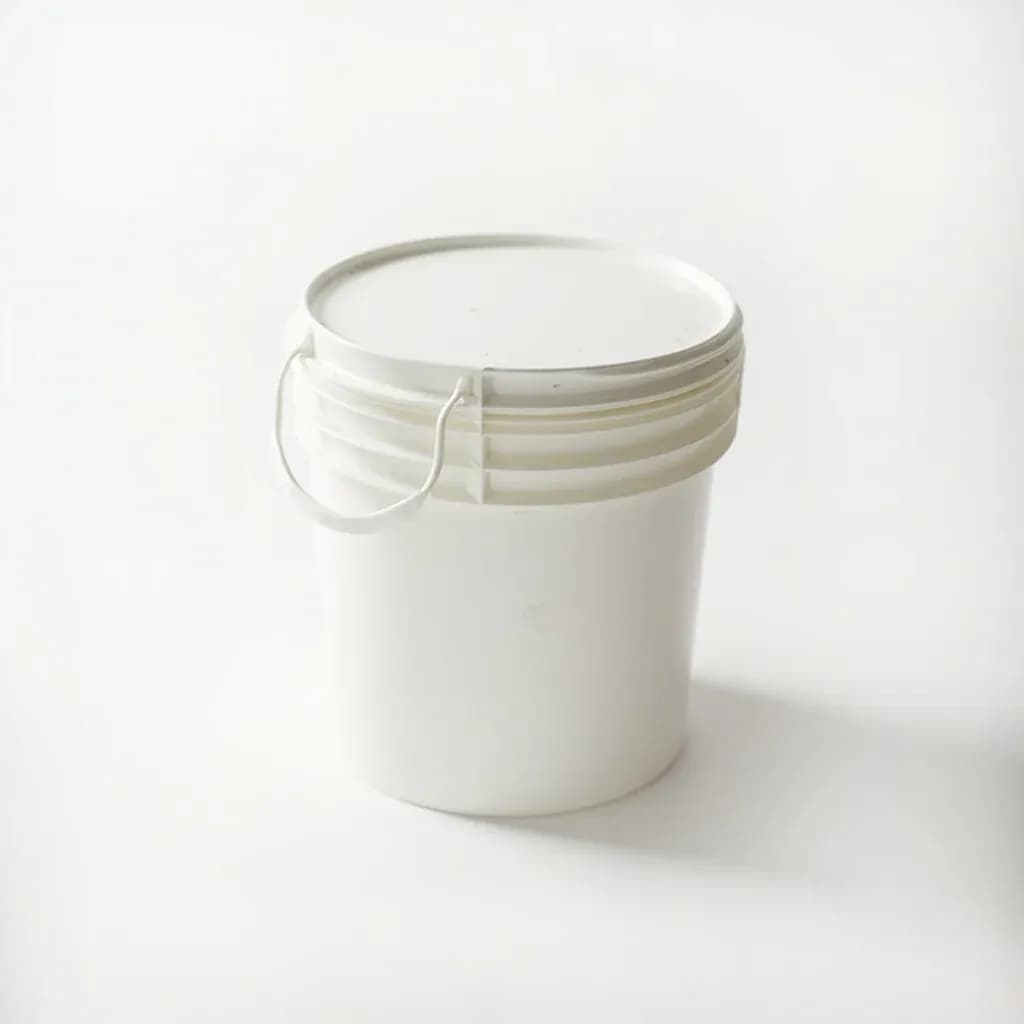
Food-Grade Fermentation Bucket
A lidded food-safe bucket for fermenting, brining, and bulk-storing ingredients.
A food-grade fermentation bucket is a sealable HDPE pail made from food-safe plastic for brining, fermenting kraut and pickles, mixing dough, and storing bulk ingredients. A snug lid, sometimes fitted with an airlock, controls air exposure during fermentation. Unlike scrap buckets, it carries no chemical residue that could leach into food.
The food-grade fermentation bucket is the workhorse large vessel of the modern home kitchen and pantry: a sturdy pail molded from high-density polyethylene (recycling code #2) that is chemically inert, light enough to lift when full, and indifferent to acidic brines, alcohol, and the long, slow work of microbial culture. It is the container that has quietly displaced the ceramic crock for most fermenters working in batches larger than a couple of quarts, because it costs a fraction of stoneware, is easy to sanitize in a dishwasher, and lets you watch the action through its translucent walls without cracking a lid.
What separates a generic foodservice pail from a true fermentation bucket is almost entirely the lid. A plain snap-on lid is fine for brining, dry storage, and short ferments, but anything that needs to off-gas CO2 for weeks on end demands a drillable, gasketed, airlock-compatible closure that keeps oxygen and fruit flies out while letting pressure vent. Once you have that lid — purpose-made or retrofitted with a rubber stopper and three-piece airlock — the same bucket will run a 25-pound cabbage kraut, a five-gallon secondary of cider, a continuous kombucha with a spigot, or a Saturday batch of pickled peppers with equal ease.
In practice the bucket is less a piece of specialized equipment than a neutral platform: choose it for capacity and cleanability, then outfit it for the job. The variants below differ mainly in lid type, size, and whether they include a draw-off spigot, but they share the same inert HDPE body that makes them safe from the corrosive brines and vinegars that would pit a metal container.
Alternatives
Types & varieties
The workhorse foodservice pail with a snap lid. Inexpensive and widely available new (food-grade) or repurposed from bakeries and delis that previously held pickles, mayo, or icing. Requires drilling for an airlock to use for active ferments.
Purpose-built for fermenting, with a pre-installed gasketed lid and usually a 3-piece airlock included. Considered the gold standard for serious home fermenters because it seals reliably and accepts standard rubber stoppers.
A standard bucket retrofitted with a screw-on, spin-off lid (typically orange or black) that converts it into a quick-access airtight container. Excellent for bulk dry storage of flour, grain, and salt; less ideal for active ferments where you want a fixed airlock rather than repeated opening.
Fitted with a lower-side spigot or faucet for clean draw-off of finished brine, kombucha, or kraut juice without disturbing the sediment. The standard choice for continuous-brewing kombucha and any setup where you want to bottle off clear liquid.
Scaled-down buckets for single-jar-equivalent ferments — small kimchi batches, hot sauce, ginger bug, or a quart of preserved lemons — where a full 5-gallon pail would be wasteful and the contents hard to keep submerged.
Blue, black, or green pails common in foodservice. Same food-grade resin, but the opacity blocks light. Fermented and pickled foods do not require light protection, so colored buckets are a style preference more than a functional one.
Why HDPE is the Right Plastic
Polyethylene is a long-chain hydrocarbon that does not react with the acids, alcohols, and salts produced during fermentation and pickling. Unlike polycarbonate, it does not contain BPA; unlike PVC, it is plasticizer-free; unlike metal, it cannot corrode in a 5% salt brine. HDPE is also hydrophobic, so it does not absorb odors the way stoneware can — kimchi and garlic smells lift out with a baking-soda soak and a few hours of sun. The trade-off is heat: the plastic softens well below boiling, which is why hot-fill brines should be cooled to under 200°F before going in, and why a bucket should never go on the stovetop or through a commercial sanitize cycle.
Setting Up a Bucket for Active Fermentation
A foodservice pail is the starting point, not the finished tool. To turn it into a proper fermenter you need three upgrades:
- A gasketed lid (or a snap lid you are willing to drill) that can be made airtight around a rubber stopper
- A #6 or #7 rubber stopper fitted with a 3-piece airlock, or a one-piece water-sealed airlock pressed directly into a drilled hole
- A way to keep produce submerged — glass fermentation weights, a food-grade brine-filled zip bag, or a fitted stoneware insert
Sourcing and Food-Safety Check
New food-grade buckets are sold by restaurant supply stores, brewing shops, and online fermenting retailers. Repurposed buckets from bakeries, delis, and food manufacturers are common and cheap, but the prior contents matter: a bucket that held pickles, icing, or mayo is exactly what you want; a bucket that held paint, drywall compound, detergent, or pet food is not safe to ferment in, even if the plastic itself is identical. Always check the bottom for the #2 recycling triangle and a food-grade designation, and when in doubt, label it for non-food use.
- Look for a #2 HDPE recycling triangle and a 'food-grade' stamp on the bottom
- Ask the supplier what the bucket previously held — pickles, icing, and mayo are the safe ones
- Avoid any bucket that held chemicals, paint, cleaning compounds, lubricants, or pet food
- New buckets sometimes carry a thin mold-release film; wash with hot water and a mild food-safe detergent before first use
Common uses
Tips & pitfalls
- Verify the recycling triangle on the bottom reads #2 HDPE and look for a 'food-grade' stamp; never use a bucket of unknown prior contents for fermenting
- Reserve at least 25% headspace — active ferments generate CO2, foam, and can blow a snap lid off or build dangerous pressure in a sealed vessel
- When using a snap lid, drill a hole sized for a #6 or #7 rubber stopper and fit a 3-piece airlock so CO2 can escape without letting oxygen in
- Weight produce below the brine with a glass fermentation weight, a food-grade zip bag filled with brine, or a stoneware crock insert — never a metal weight that can corrode and pit the brine
- Sanitize before each use with a dilute food-safe sanitizer such as 1 tablespoon of unscented bleach per gallon of water, followed by a thorough rinse, or with star-san; dish soap residue can flavor ferments
- Inspect the handle rivets on a secondhand bucket — they often rust and can shed into the brine; replace with a food-safe plastic handle or remove the handle for in-bucket work
- Do not seal a freshly packed ferment airtight for the first 24–48 hours; the rapid CO2 burst can blow the lid off or even split the bucket
- HDPE is dishwasher-safe on the top rack but avoid the bottom rack near the heating element, and never run a sanitize cycle above 200°F
- Label every bucket with start date, contents, target finish date, and salt percentage — fermented foods look almost identical at different stages and a Sharpie is cheaper than a bad guess
- To strip residual odors (kimchi, garlic, hot sauce) between batches, soak overnight in a baking-soda solution, rinse, then sun-dry for a few hours; UV breaks down the volatile sulfur compounds that baking soda alone leaves behind
Good to know
- Material
- Food-grade high-density polyethylene (HDPE), recycling code #2
- Common capacities
- 1–2 gallon, 5 gallon (most common), and 6.5 gallon
- Lid style
- Snap-on, gasketed screw-down, or gamma-seal; fermentation-specific lids accept a #6 or #7 rubber stopper and airlock
- Wall opacity
- Translucent white is standard and lets you monitor fermentation activity without opening
- Heat tolerance
- Safe for hot-fill liquids up to roughly 190–200°F (88–93°C); not for stovetop, oven, or dishwasher sanitize cycles above 200°F
- Acidity & alcohol tolerance
- Inert to acidic brines, vinegar, wine, and alcohol — will not corrode or leach flavors the way metal can
- Plasticizer content
- HDPE contains no BPA or phthalates
- Typical cost (US)
- Plain 5-gallon food-grade bucket $8–$20; purpose-made fermentation bucket with gasketed lid and airlock $25–$45
Also called
fermentation bucket · brining bucket · food-safe pail
Related

Freezer Bags
Thick, sealable bags built to fight freezer burn

Storage Bags
Resealable bags for fridge storage and marinating

Storage Container
Lidded container for leftovers, prep, and meal kits

Glass Container
Oven-to-fridge glass that won't stain or hold odors

Plastic Container
Lightweight, stackable storage for everyday leftovers

Vacuum Sealer Bags
Airtight bags for long freezing and sous-vide

Reusable Bags
Washable silicone bags that replace single-use plastic

Mason Jar
Sealed glass jar for preserves, pickles, and storage