Wraps & Liners
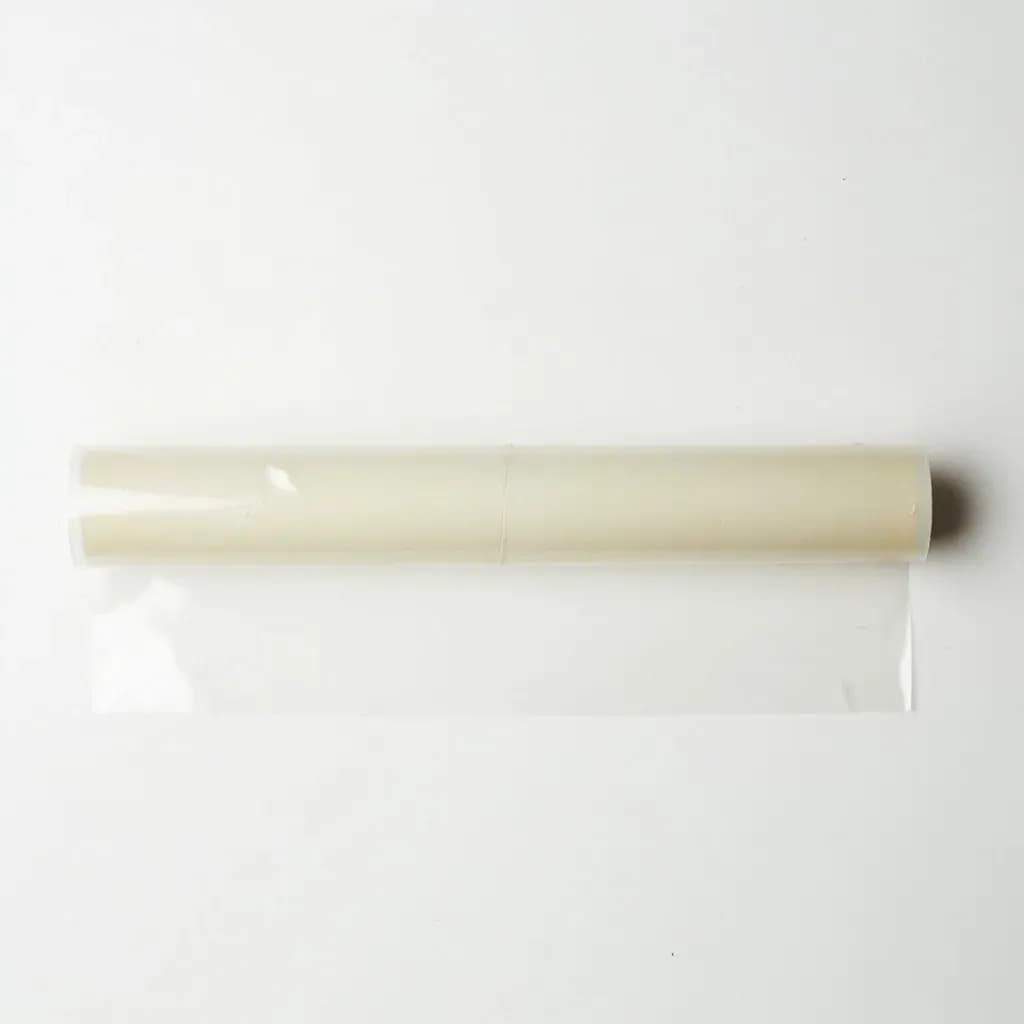
Food-Grade Cellophane
A clear, breathable cellulose film for wrapping baskets, sweets, and gift food without trapping moisture.
Food-grade cellophane is a transparent film made from regenerated cellulose, certified safe for direct food contact. It is used to wrap gift baskets, candy, baked goods, and cheese because it is glossy, twistable, and slightly breathable so condensation does not build up. Unlike plastic cling film it is plant-based and biodegradable, and it holds a crisp twist at the ends for closures.
Food-grade cellophane is a thin, transparent film made from regenerated cellulose — wood pulp or cotton linters dissolved and recast through the viscose process. Unlike plastic cling films, it lets a small but useful amount of water vapor pass through, which is exactly why it has remained the wrap of choice in confectionery, pastry, and gift-basket work: candies stay glossy instead of weeping, fresh fruit doesn't stew in its own condensation, and bread holds onto its crust crackle noticeably longer than it would sealed in polyethylene. Its crisp hand, glossy surface, and crinkly drape give wrapped goods a polished, classic look that plastic films struggle to imitate.
The catch is that not everything labeled "cello" is true cellulose. The market is full of biaxially oriented polypropylene (BOPP) sold as "poly cello" or "cello wrap" — a real plastic film that looks similar at a glance but doesn't biodegrade and traps far more moisture. For food use, look for packaging that explicitly says "regenerated cellulose" or lists cellophane as the resin, and confirm it carries a food-contact compliance statement (FDA 21 CFR in the US, equivalent EU regulations). Plain cellophane is also unsuited to heat — it scorches well below baking temperatures — so it is a wrap, never a cooking film.
In practice, cellophane behaves more like decorative paper than like plastic wrap. It does not cling by itself, so it needs to be folded, twisted, or heat-sealed (in coated grades). It is naturally static-charged, which is handy for holding layered items in place but also attracts lint. Treat it as a finishing material in the kitchen, not a storage workhorse, and it will reward you with the clean, professional look that has defined bakery counters and chocolatier windows for over a century.
Alternatives
Types & varieties
Maximum breathability; crisp feel; best for dry goods, fresh fruit, bread, and confections where some moisture escape is desirable.
The most common coated type; improved moisture and grease resistance; often heat-sealable.
Highest moisture and oxygen barrier in the cellophane family; used where longer shelf life matters; least breathable of the three.
Same base film with color or metallic lacquer — decorative for gift wrap; confirm the dye and lacquer are food-contact approved before wrapping food directly.
Pre-cut squares, often 40 × 40 cm or 50 × 50 cm, for wrapping individual confections and baked goods.
Long rolls used for basket wrap, box lining, and layer-cake collars.
Cellophane vs. plastic look-alikes
The single most common mistake is buying a plastic film in the belief that it is cellulose cellophane. BOPP (biaxially oriented polypropylene) is sold under names like 'cello wrap,' 'poly cello,' and 'florist cello' and is what most grocery and party-supply stores actually stock. It looks glossy and crinkles convincingly, but it is a true plastic: it does not biodegrade, it traps more moisture, and it lacks the gentle breathability that makes real cellophane the right choice for confections, bread, and fresh produce. True cellulose cellophane is now a more specialty product, sold by baking-supply and chocolatier wholesalers rather than general retailers, and commands a higher price. When biodegradability, breathability, or a true vintage finish matters, source from a confectionery supplier and check the resin declaration on the box.
- True cellulose cellophane says 'regenerated cellulose' or lists cellophane as the resin.
- BOPP will be labeled 'polypropylene' or 'PP' — it is a plastic, not a cellulose film.
- PLA and acetate films are sometimes marketed as eco-friendly 'cello' but are also plastics or plastic-like polymers, not regenerated cellulose.
- Industrial and florist cellophane may contain dyes, plasticizers, or anti-fog additives that are not food-contact approved — do not reuse for food.
Common uses
Tips & pitfalls
- Use uncoated grades for items that need to breathe — fresh fruit, bread, dried fruit, fudge; switch to a coated (nitrocellulose or PVdC) grade for greasy or very moist items like butter, soft cheese, or oil-dressed salads.
- Real cellulose cellophane does not cling like plastic wrap — fold the edges, twist the ends, or use a coated/heat-sealed version when a tight seal is needed.
- Cut with a sharp blade or fresh scissors; the film tears unevenly and pulls when the edge is dull.
- Never put cellophane in the oven, toaster oven, or microwave, and keep it clear of direct stovetop heat and steam jets.
- When a pastry or chocolate recipe calls for 'cello' or 'cellophane' to make a chocolate decoration, it almost always means a chocolate transfer sheet (PET or plastic) — not food-grade cellulose wrap.
- To flatten curled stock, unroll it and weight the sheet under a clean cutting board for about an hour before use.
- Tame static by lightly misting the air around the film (not the film itself) with water, or wipe the work surface with a barely damp cloth first.
- Don't reuse industrial or florist cellophane for food — it may carry dyes, plasticizers, or anti-fog additives that are not approved for direct food contact.
Good to know
- Material
- Regenerated cellulose film, made from wood pulp or cotton linters dissolved in alkali and carbon disulfide (the viscose process) and cast as a thin sheet.
- Invented
- 1908, by Swiss chemist Jacques Brandenberger; commercial production began in France around 1912 (La Cellophane S.A.).
- Food-safe status
- Cleared for direct food contact under FDA 21 CFR and equivalent EU food-contact regulations; industrial-grade film is not.
- Breathability
- Uncoated cellophane passes a small amount of water vapor — noticeably more breathable than polyethylene or PVC cling film.
- Heat tolerance
- Low. Plain cellophane scorches well below baking temperatures; coated grades tolerate up to about 175–200 °C / 350–390 °F only briefly. Never for oven or microwave use.
- Biodegradability
- True cellulose cellophane is biodegradable and compostable in industrial facilities; plastic look-alikes (BOPP, PLA, acetate) are not, even when labeled 'cello'.
- Common gauges
- Typically 20–45 µm for gift and confectionery wrap; heavier gauges (50 µm+) used for box liners and basket wrap.
- Static
- Naturally static-prone — useful for holding layered items in place, but attracts lint and crumbs in the kitchen.
- Storage
- Store flat in a cool, dry place out of direct sunlight; humidity causes curling and waviness that makes the film hard to handle.
Also called
Cellophane Wrap · Cellulose Film
Related

Aluminum Foil
Wraps, covers, and tents food for the oven and grill

Parchment Paper
Nonstick liner for clean, even baking and easy release

Wax Paper
Moisture-resistant sheet for wrapping and counter prep

Plastic Wrap
Clings tight to cover bowls and wrap leftovers

Silicone Baking Mat
Reusable nonstick liner that replaces parchment

Cheesecloth
Loose-woven cloth for straining stock and bundling herbs

Beeswax Food Wrap
Reusable wax wrap that molds around bowls and produce

Piping Tips
Shaped nozzles that turn frosting into stars and rosettes