Storage & Containers
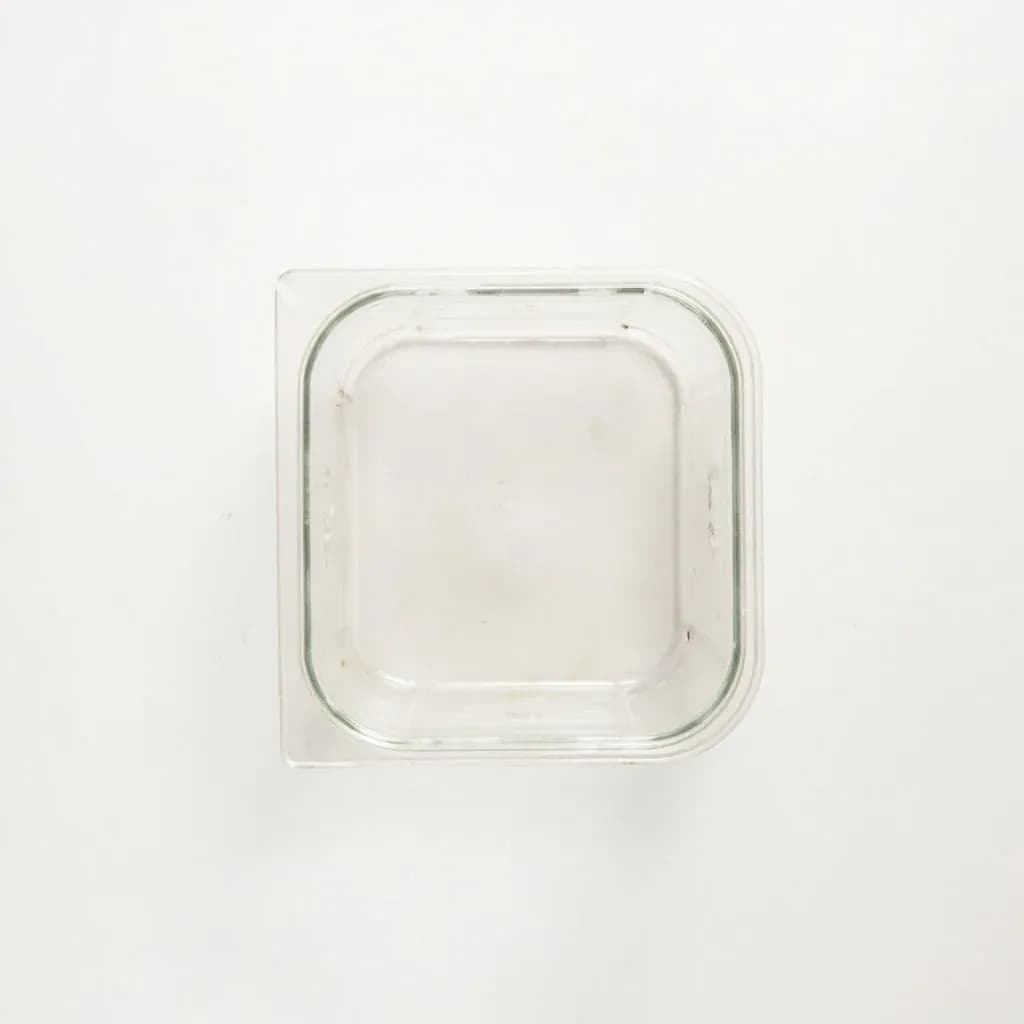
Food-Grade Storage Container
Certified food-safe plastic tub or bin for bulk storage of ingredients and prepped food.
A food-grade storage container is a plastic tub, bin, or bucket made from food-safe resin and built to hold ingredients and prepped items without leaching. Kitchens use them for bulk flour, masa, dough, brines, and prepped mise en place, with snap or gasketed lids keeping contents fresh. They are stackable, often graduated with volume marks, and dishwasher-safe for repeated commercial use.
A food-grade storage container is any vessel built from materials and finished in a way that complies with food-contact regulations—FDA 21 CFR Parts 170–199 in the United States, EU Regulation 1935/2004 and 10/2011 in Europe. That distinction matters in a working kitchen because the regulation covers not just the resin but also colorants, adhesives, and any sealing components, and it accounts for intended temperature and duration of contact. A food-grade container protects against contamination, slows spoilage by limiting oxygen and moisture exchange, and keeps a walk-in or pantry organized enough to find what you need at speed. It is emphatically not the same as "looks clean" or "happens to be plastic."
In practice, three material families do almost all the work. Polyolefins—HDPE (#2) and polypropylene (#5)—are the workhorses: tough, light, and inexpensive enough to retire when they wear out. PP is the more heat- and dishwasher-tolerant of the two; HDPE holds up well on the top rack but is not rated for hot fill or microwave. Clear plastics like polycarbonate and Tritan copolyester buy visibility for fast-paced prep but trade off heat tolerance or longevity. Glass and 304 stainless steel handle the cases where non-reactivity and heat tolerance matter most: long acidic marinades, ferments, hot liquids, and anything that will move from stove to fridge.
Every container choice is a tradeoff between temperature range, chemical reactivity, transparency, durability, and cleaning method. A Cambro-style round is unbeatable for cold prep and walk-in organization but cannot take a hot fill. A glass snap-lock survives oven, microwave, freezer, and dishwasher but shatters on tile and costs several times as much. Reading the resin code stamped on the bottom—and the temperature ceiling that comes with it—is the single most useful piece of container literacy a cook can develop.
Alternatives
Types & varieties
Workhorse white commercial tub (Cambro, Rubbermaid, Carlisle). Tough and chemical-resistant; not for hot fill or microwave.
Heat-tolerant up to about 250°F; safe for microwave reheating and commercial dishwashing; usually translucent or colored.
Crystal-clear and shatter-resistant; was the premium choice, now largely replaced by copolyesters over BPA concerns.
Clear, BPA-free successor to polycarbonate; good clarity and impact resistance; check each product's microwave rating.
304-grade (18/8) is the food-safe norm; non-reactive, odor-free, ideal for marinades and ferments; not microwaveable.
Thermal-shock resistant; oven, microwave, freezer, and dishwasher safe in most cases; heavier and breakable.
Common in locking-lid consumer sets (Snapware, Pyrex); oven-safe to about 425°F unless labeled otherwise.
PP or polycarbonate crock-style container common in prep tables and deli displays.
Large capacity (typically 27–55 qt) with hand-grip lid and sloped front for one-handed scooping; for flour, sugar, rice, pet food.
Reinforced rectangular tub used to hold prep, transport soiled items, and organize mise en place.
Standardized GN sizes 1/1, 1/2, 1/3, 1/4, 1/6, 1/9 in stainless or polycarbonate; bridges storage, transport, and service.
Hand-pump or valve-top lid that evacuates air to extend shelf life of dry and prepared foods.
Snap-tight lid with corner-tab pull; the canonical restaurant food box in 2–22 qt sizes.
Hinged or four-claw latch design (Lock & Lock, Sistema) for leak-resistant transport in lunch boxes and backpacks.
Choosing the Right Container for the Job
Match the material to the food and the temperature it will see, not the other way around. The same kitchen needs at least three container families to cover its real workload.
- Cold prep, walk-in organization, dry-goods storage: HDPE rounds or Cambro-style polypropylene boxes. Cheap, durable, replaceable.
- Microwave reheating, hot-fill sauces, sous vide water baths: polypropylene only, rated for the temperature; glass is the safer all-around alternative.
- Acidic foods (tomato sauce, citrus, wine-based marinades, ferments, kimchi): glass or 304 stainless. Reactive metals and some plastics can pick up odors or leach over long contact.
- Light-sensitive items (cold-pressed oils, dried herbs, hops, certain spices): opaque white HDPE or metal; clear plastic and glass let UV degrade flavor and color.
- Oven-to-fridge cooking and reheating: tempered soda-lime or borosilicate glass with a lid rated for the temperature range; never put a standard plastic lid in a hot oven.
- Transport and leak resistance: locking-lid consumer containers or latched Cambro boxes; a loose snap lid is the single most common source of mid-shift spills.
Reading the Markings
Three markings tell you almost everything you need to know before you commit a container to a use.
- Resin identification code 1–7 in the chasing-arrows triangle: the recycling code, not a safety mark. Use it to identify the plastic family and look up its temperature range.
- "Food Safe," "NSF/ANSI 2," or "NSF/ANSI 51" on the label or stamp: the actual food-contact certification for commercial kitchens.
- EU glass-and-fork symbol: the European food-contact mark; if you see it on imported containers, the resin has passed migration testing under EU rules.
- "BPA-Free," "Dishwasher Safe," "Freezer Safe," "Microwave Safe": use-specific ratings, and they are not interchangeable—a freezer-safe container is not automatically microwave-safe.
Common uses
Tips & pitfalls
- Never repurpose a paint bucket, hardware caddy, or chemical pail, even if it looks clean—food-grade status is regulated at the resin and finished-article level, not by appearance.
- Cool hot food to about 70°F (21°C) before sealing and refrigerating; sealing hot traps steam, accelerates bacterial growth, and warps thinner lids.
- Leave 1/2 to 1 inch of headspace when freezing liquids to allow for expansion and prevent lid pop-off or container cracking.
- Reserve a dedicated color (red is the kitchen convention) for raw proteins to reduce cross-contamination in shared coolers.
- Label with contents and the date prepared or received—masking tape and a Sharpie remain the industry standard; blue painter's tape removes cleanly.
- Match the material to the food: acidic sauces and citrus in glass or stainless; oily dressings in PP or HDPE; high-heat reheating in PP or glass only.
- Polycarbonate clouds over time from high-heat commercial dishwashing—retire any container that is badly abraded, cracked, or warped, since cracks harbor bacteria.
- Do not reuse single-use takeout clamshells for long-term storage; they are not engineered for repeated wash cycles and may not be rated for hot food.
- Hand-washing extends the life of even dishwasher-rated containers; a commercial ware-washer running near 180°F will noticeably shorten the lifespan of lower-temperature plastics.
- For sous vide, ensure lid clips are rated for sustained water-bath temperatures; unmodified snap lids can soften and release.
Good to know
- Definition
- A vessel manufactured under food-contact regulations—FDA 21 CFR Parts 170–199 (U.S.) and EU Regulation 1935/2004 with 10/2011 for plastics (Europe).
- Common plastics
- HDPE (#2), LDPE (#4), PP (#5), PET (#1), Tritan copolyester, and (historically) polycarbonate (#7).
- Common non-plastic materials
- 304 (18/8) stainless steel, tempered soda-lime glass, and borosilicate glass.
- HDPE temperature range
- Roughly -40°F to 160°F (-40°C to 71°C); good cold storage, not for hot fill.
- Polypropylene temperature range
- Roughly 0°F to 250°F (-18°C to 121°C); the most microwave- and commercial-dishwasher-tolerant common food plastic.
- Polycarbonate temperature range (historical)
- Roughly -40°F to 210°F; largely phased out of food contact over BPA concerns after the late 2000s.
- Restaurant sizes
- Round and square at 2, 4, 6, 8, 12, 18, and 22 qt; steam-table footprints at half- and full-pan.
- Resin codes
- SPI codes 1–7 in a chasing-arrows triangle identify resin type for recycling, not food safety; an unmarked or non-food-grade #5 is still non-food.
- Certifications to look for
- "Food Safe," NSF/ANSI 2 (food equipment) or 51 (food-equipment materials), "BPA-Free," "Dishwasher Safe," "Freezer Safe," or the EU glass-and-fork symbol.
Also called
Food-Grade Container · Storage Tub · Storage Container · Plastic Tub · Lidded Masa Storage Tub · Masa Container · Cambro
Related

Freezer Bags
Thick, sealable bags built to fight freezer burn

Storage Bags
Resealable bags for fridge storage and marinating

Storage Container
Lidded container for leftovers, prep, and meal kits

Glass Container
Oven-to-fridge glass that won't stain or hold odors

Plastic Container
Lightweight, stackable storage for everyday leftovers

Vacuum Sealer Bags
Airtight bags for long freezing and sous-vide

Reusable Bags
Washable silicone bags that replace single-use plastic

Mason Jar
Sealed glass jar for preserves, pickles, and storage